Posts

Falken Quality Tyres

Falken Quality Tyres

Falken Quality Tyres

Falken Quality Tyres

Falken Tyres with 5-Year Warranty – Only at Pellon Tyres Halifax

If you’re looking for a tyre that combines high performance, value for money, and genuine peace of mind, Falken Tyres could be just the match for you – and there’s no better place to get them than Pellon Tyre and Autocentre in Halifax. Why? Because every Falken tyre we fit comes with an impressive 5-year warranty as standard.

Whether you’re commuting through Halifax, heading over the M62, or exploring the Yorkshire Dales, Falken offers confidence in every journey – and that’s backed by five years of hassle-free support.


🛞 Why Choose Falken Tyres?

Falken has built a strong reputation across the UK for producing reliable, high-performance tyres with advanced Japanese engineering. They’re known for their grip, handling, and durability across a range of conditions – perfect for British roads.

At Pellon Tyres, we recommend Falken to drivers who want:

  • Excellent wet and dry gripQuiet, comfortable driving

  • Long-lasting tread life

  • Great value without compromising on safety


Whether you’re after Falken Ziex ZE310 Ecorun, Falken Azenis FK520, or Falken Euroall Season AS210, you’ll find the right fit here in Halifax.

🔗 View our tyre fitting services


🛡️ The Falken 5-Year Warranty – What It Means for You

It’s not just marketing fluff – this warranty offers real, long-term protection for your investment. Here’s why it matters:

Long-Term Confidence in Falken Quality Tyres

You’re covered against manufacturing defects and premature failures for a full five years. That means less worry and more driving.

💷 Great Value Falken Quality Tyres

Tyres aren’t cheap – so getting a 5-year warranty adds long-term savings and protects you from unexpected costs.

🔧 Easy, Local Support for Falken Quality Tyres

If there’s ever an issue, you can come straight to us at Pellon Tyres. No call centres or long waits – just local support and fast solutions.

🛠️ Professional Fitting Included Falken Quality Tyres

All Falken tyres we sell come with expert fitting, digital wheel balancing, and friendly advice. We’ll get you back on the road quickly and safely.


📍 Why Buy Falken Tyres from Pellon Tyres in Halifax?

We’re proud to be part of the Halifax community and offer:

  • 🔧 Fully trained technicians

  • 🚗 Accurate tyre fitting and alignment

  • 😊 Friendly, honest local service

  • 💰 Competitive prices and great value

  • 🏡 Conveniently located with easy access from all areas of Halifax


We’re not just tyre fitters – we’re your neighbours, and we take pride in keeping your car safe and roadworthy.


🚘 In Summary – Drive Confidently with Falken Tyres

Buying Falken Tyres from Pellon Tyres Halifax is more than just upgrading your grip – it’s about buying confidence that lasts five years. With our local expertise, transparent service, and the added security of Falken’s warranty, you’re getting unbeatable value.

So next time you think tyres, think Falken – and think Pellon Tyres, where peace of mind comes as standard.

📞 Call us or pop in to Pellon Tyres in Halifax today to find the perfect Falken tyres for your vehicle!

🌧️ Perfect Tyres for UK Weather

One of the standout benefits of Falken tyres is how well they perform in unpredictable UK weather. Whether you’re battling heavy rain on the M62 or facing frosty mornings in the hills around Halifax, Falken’s advanced silica compound and tread design offer excellent grip and braking performance.

For local drivers navigating everything from narrow cobbled lanes to fast A-roads, Falken tyres provide the reliability and safety needed all year round. Many of our customers have switched to Falken after struggling with cheaper budget tyres – and they often tell us they’d never go back.

Change wipers during drier months

Change wipers during drier months

Change wipers during drier months

Why You Should Replace Your Wiper Blades During the Drier Months – Advice from Pellon Tyres, Halifax

Hello again from all of us at Pellon Tyre and Autocentre in Halifax!

Today, we’re giving the batteries and engines a break and focusing on something simple — yet absolutely essential for road safety all year round: your wiper blades.

You might be thinking, “It’s dry outside; why bother changing my wiper blades now?” Well, here’s why replacing wiper blades during the summer months is actually one of the smartest things you can do for your car.


🧼 Clear Windscreens in Any Weather Change wipers during drier months

It’s not just rain that affects your windscreen. Even in dry conditions, dust, pollen, bird droppings, and road grime can build up. Your wiper blades are the first line of defence when it comes to keeping your view clear — especially when you hit the Halifax bypass or are heading down Skircoat Road in the sunshine.

Good blades help you spot potholes, cyclists, or sudden hazards — even when there isn’t a cloud in the sky.


🔍 Prevent Windscreen Scratches and Costly Repairs

Worn-out wiper blades don’t just leave annoying streaks — they can actually damage your glass. When the rubber on old blades starts to crack or peel, it can scratch your windscreen. And let’s be honest — a windscreen replacement isn’t cheap!

By replacing your wiper blades regularly, you’re protecting one of the most important safety features of your car: your visibility.


🌦️ British Weather Is Never Trustworthy Change wipers during drier months

Let’s face it — West Yorkshire weather is unpredictable at the best of times. One minute it’s blazing sunshine; the next it’s like the heavens have opened. You don’t want to be caught out in a downpour with wipers that smear more than they clear.

That’s why we recommend getting new wiper blades during the dry months, so you’re already prepared when the rain returns (as it always does around here!).


🛠️ Easy to Do, Affordable to Fix Change wipers during drier months

The great news? Changing your wiper blades is one of the easiest car maintenance tasks you can do. You don’t need tools, a ramp, or a mechanic. Just pop into your local Halifax parts shop, grab the right set for your make and model, and fit them in minutes. Or if you’re not sure what you need, just give us a ring at Pellon Tyres, and we’ll sort it for you.


💧 Better Washer Fluid Performance Too

New wiper blades do more than wipe — they help your windscreen washer fluid work properly by spreading it evenly across the glass. That means fewer smears, clearer visibility, and a better clean every time you use it — ideal after a long drive through the countryside or the odd seagull ‘gift’ while parked in town!


🚗 Stay Safe with Small but Important Fixes

Here at Pellon Tyres in Halifax, we always say that the little things matter just as much as the big ones. A quick wiper blade replacement might not seem like a big deal, but it’s one of those quiet jobs that makes a huge difference when it counts.

So, next time you’re giving your car a once-over — even if it’s sunny and dry — don’t forget to check your wipers. If they’re squeaking, smearing, or cracking, it’s time to replace them.


📍 Local Wiper Blade Replacement in Halifax

Need help choosing the right wiper blades for your car? Want us to fit them for you? Just pop in or give us a call at:

📞 01422 352292
🌐 www.pellonautocentre.com
📍 Pellon Tyre and Autocentre, Pellon Lane, Halifaxe!

Despite the warmer, drier weather being associated with the summer months, the importance of having fresh wiper blades with good adhesion to the windscreen glass is just as important as any other time of year,

Source: Change wipers during drier months for optimum visibility, First Line says

Electric Vehicle Tyres

Electric Vehicle Tyres

Electric Vehicle Tyres

Electric Vehicle Tyres

Tyres Designed for Electric Vehicles – Why They Are Different

Electric cars are becoming a much more common sight on British roads. Only a few years ago they were something of a novelty, but today vehicles such as the Nissan Leaf, Tesla models, and many electric versions of popular cars are appearing everywhere.

While most drivers focus on things like battery range and charging points, one important part of electric vehicle design often gets overlooked – the tyres.

In fact, tyres designed for electric vehicles are quite different from those fitted to traditional petrol or diesel cars. Over the past few years, tyre manufacturers have had to develop new technology to cope with the unique characteristics of electric vehicles.


Electric Cars Are Heavier

One of the biggest challenges with electric vehicles is weight.

The large battery packs needed to power the car can add several hundred kilograms to the vehicle. This means that many electric cars weigh significantly more than their petrol or diesel equivalents.

Because of this, the tyres fitted to electric vehicles need to be stronger and more durable. Manufacturers have developed reinforced tyre structures and stronger sidewalls to cope with the extra load.

Without these improvements, tyres could wear out much faster under the extra weight.

Electric Vehicle Tyres
Michelin EV tyres for sale here at Pellon Tyres.

Instant Torque From Electric Motors: Electric Vehicle Tyres

Another characteristic of electric cars is the way they deliver power.

Unlike traditional engines that gradually build up power, electric motors produce instant torque the moment the driver presses the accelerator.

This gives electric vehicles their quick acceleration, which many drivers enjoy. However, it also puts extra stress on the tyres.

To handle this, EV tyres are designed with special tread compounds and stronger construction so they can cope with the sudden delivery of power without excessive wear.


Reducing Rolling Resistance

One of the biggest concerns for electric vehicle drivers is driving range.

Every bit of energy used by the car reduces the distance it can travel before needing to recharge. Tyres play a big role in this because they create something called rolling resistance.

Rolling resistance is the energy needed to keep the tyres turning as the car moves along the road.

Tyre manufacturers have spent years developing compounds and designs that reduce rolling resistance, allowing electric vehicles to travel further on a single charge.

These tyres help maximise battery efficiency while still maintaining good levels of grip and safety.

Electric Vehicle Tyres
Bridgestone EV tyres for sale at Pellon Tyres Halifax

Quieter Tyres for Quieter Cars: Electric Vehicle Tyres

Another difference with electric vehicles is how quiet they are.

With no traditional engine noise, drivers often notice road and tyre noise much more than they would in a petrol or diesel car.

To reduce this, many EV tyres include special features designed to minimise road noise.

Some tyres even use foam inserts inside the tyre itself, which help absorb vibration and reduce noise levels inside the vehicle.

This helps keep the smooth and quiet driving experience that electric cars are known for.


Improved Grip and Safety: Electric Vehicle Tyres

Despite focusing on efficiency and noise reduction, safety is still the most important factor in tyre design.

Electric vehicle tyres are developed to provide excellent grip in both dry and wet conditions, especially as many EVs are capable of strong acceleration.

Advanced rubber compounds, modern tread patterns and stronger construction all work together to ensure that electric vehicles maintain good braking and handling performance.

Many of these tyre technologies have been developed over the past twenty years as tyre companies continue to improve safety for all vehicles.


Most of the major tyre manufacturers now produce tyres specifically designed for electric vehicles.

Companies such as Michelin, Bridgestone, Continental, Goodyear and Pirelli have invested heavily in research and development for EV tyre technology.

Many tyres are now marked with special EV ratings or symbols showing they have been designed to meet the demands of electric cars.

In many cases, these tyres can also be fitted to conventional vehicles, where they may offer improvements in efficiency and comfort.


Choosing the Right Tyres for Your Electric Car

If you own an electric vehicle, it’s important to choose tyres that are suitable for the vehicle’s weight and performance.

Fitting the correct tyres helps ensure:

  • Good driving range
  • Safe braking performance
  • Reduced tyre wear
  • Lower road noise

At Pellon Tyre and Autocentre, we are always happy to advise customers on the best tyres for their particular vehicle.

Whether you drive a traditional petrol car, a diesel, or one of the newer electric models, making sure your tyres are in good condition is one of the most important safety checks you can make.

After all, tyres are the only part of the car that actually touches the road.


The Future of Tyre Technology: Electric Vehicle Tyres

Electric vehicles are pushing tyre technology forward faster than ever before.

Manufacturers are already working on new developments such as:

  • Smart tyres with built-in sensors
  • Self-sealing tyres that repair small punctures
  • Airless tyres that cannot go flat

As electric cars become more popular, we can expect tyres to continue evolving to meet the needs of modern vehicles.

One thing is certain – tyre technology will remain a vital part of keeping drivers safe, comfortable and efficient on the road.


Eric Roberts
Pellon Tyre and Autocentre
Halifax, West Yorkshire

A Recent MOT Failure

A Recent MOT Failure

A Recent MOT Failure

A Recent MOT Failure

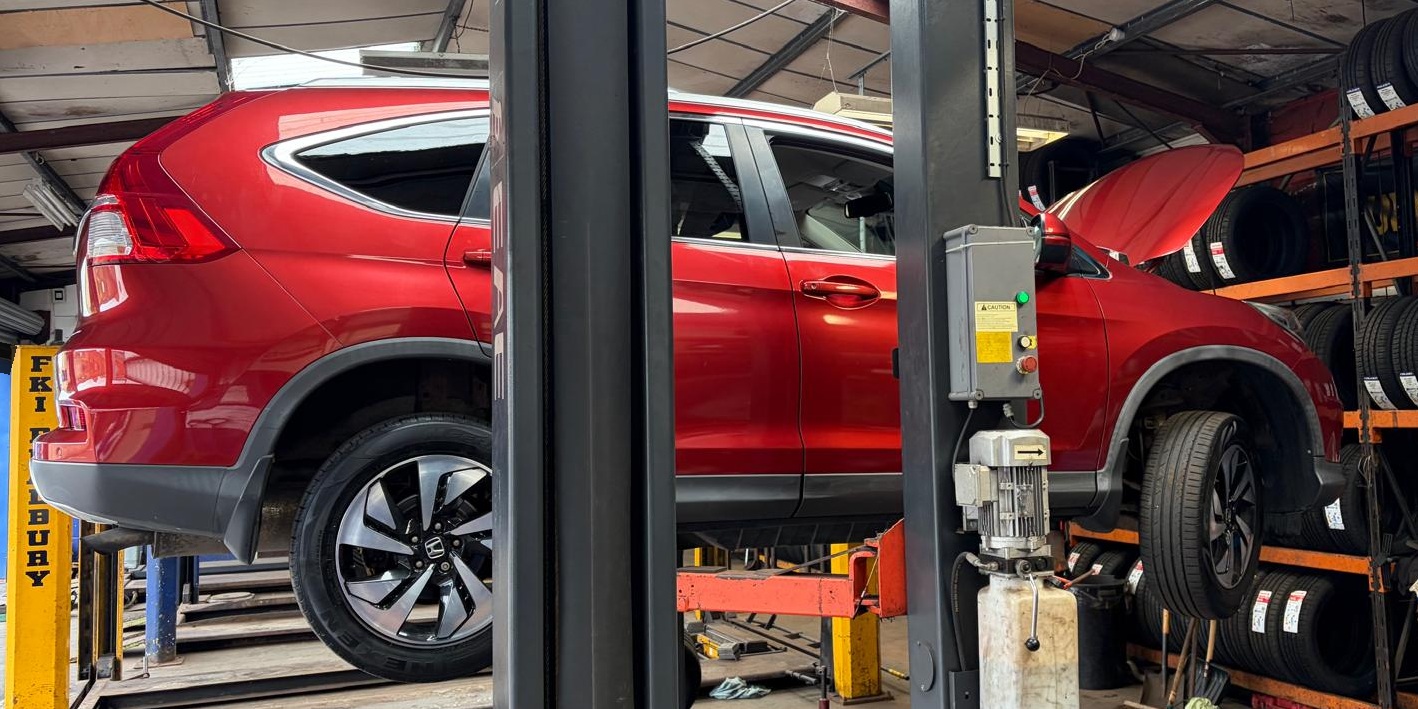
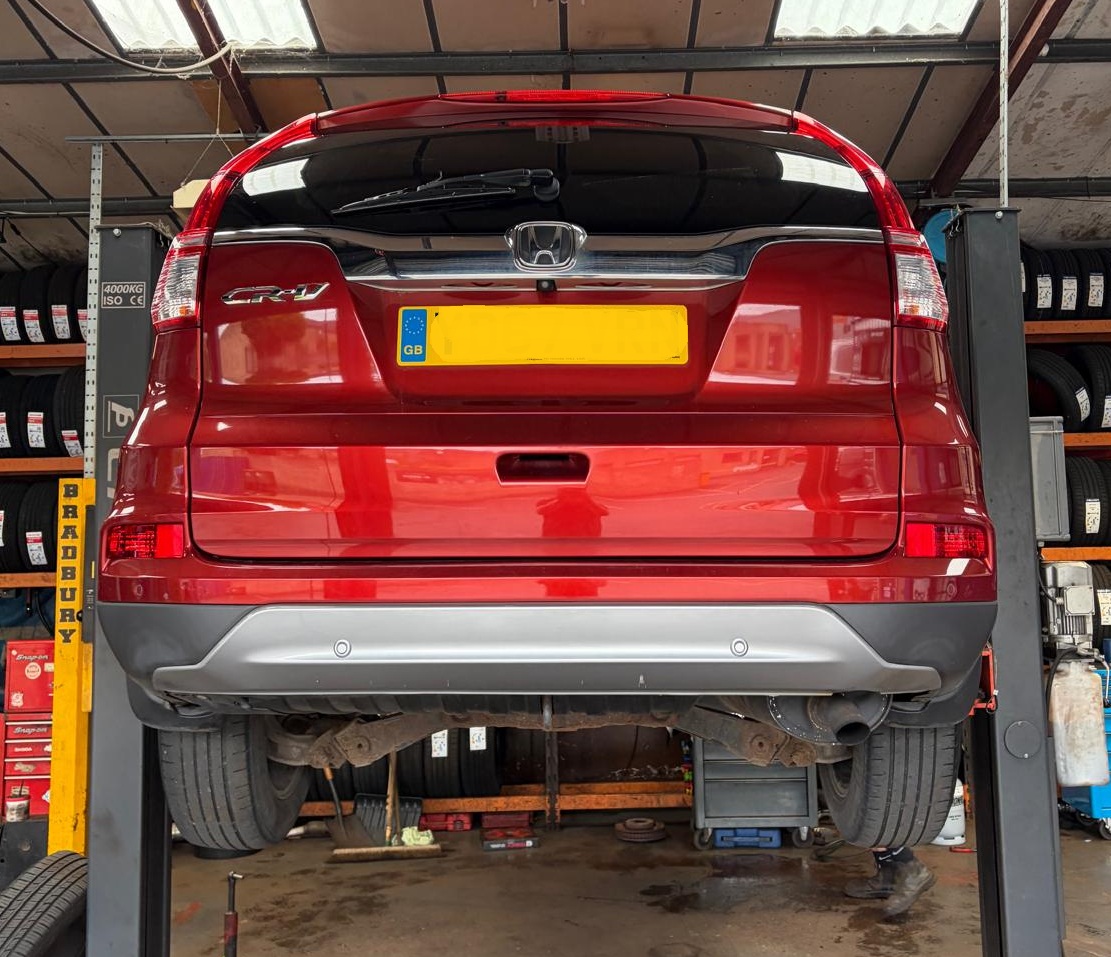
A Recent MOT Failure – The Little Fault That Could Have Been Dangerous

Running a busy garage like Pellon Tyre and Autocentre in Halifax means that we see all sorts of vehicles every day. Some come in for routine servicing, some for tyres, and others arrive for their annual MOT test.

Most cars pass without too much trouble, but occasionally we come across a vehicle that reminds us just how important the MOT test really is.

Earlier this week we had one such case.

The Car Arrives for Its MOT Test: A Recent MOT Failure

The customer arrived with a small family hatchback that had been running well by their own admission. In fact, the driver told us that they were fairly confident the car would pass its MOT without any problems.

At Pellon Tyres in Halifax, our MOT tester Dale always carries out the checks in a calm and methodical way. We believe that doing things properly is the only way to keep customers safe on the road.

You can read more about how MOT testing works on the official government site here:
https://www.gov.uk/getting-an-mot

The vehicle went up on the ramp, and the inspection began.

At first glance, everything looked fairly normal.

But as we often say in the garage world, it’s what you can’t see straight away that sometimes matters the most.

A Recent MOT Failure

A Serious Brake Problem Discovered: A Recent MOT Failure

During the brake inspection, Dale noticed something that immediately caught his attention.

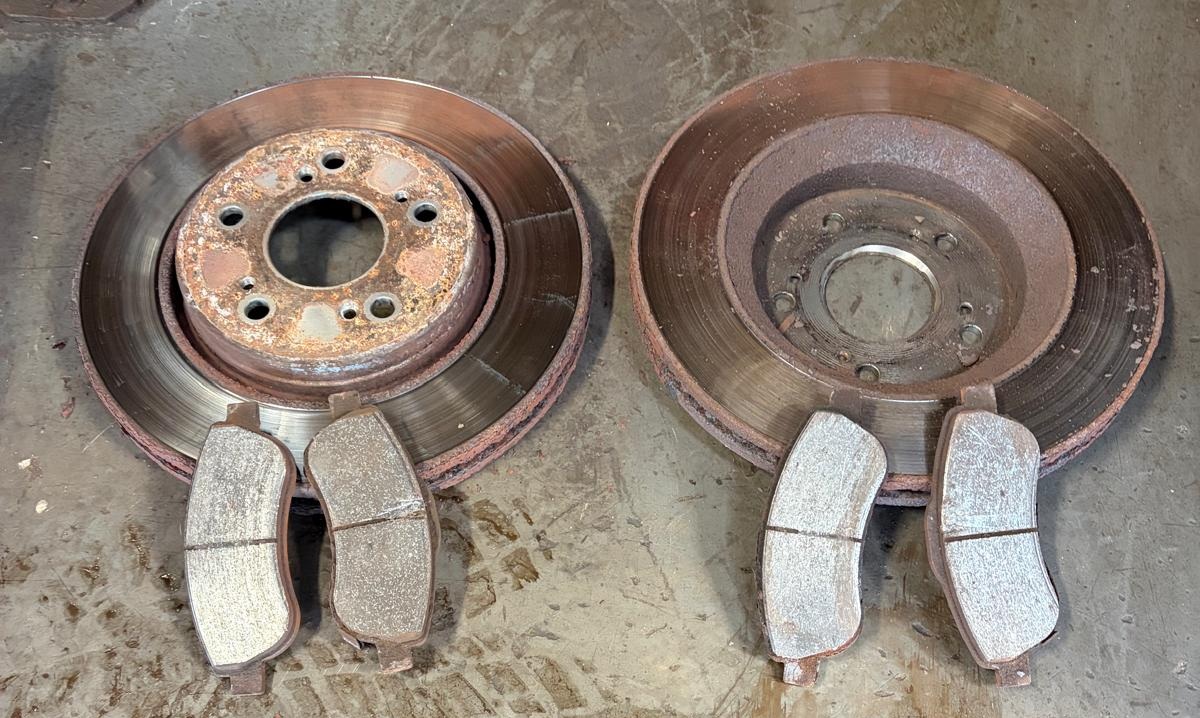
The rear brake discs were badly worn and heavily corroded.

Now, a lot of drivers don’t realise that brake discs can rust and deteriorate over time, especially if the car is used mainly for short local journeys around town.

Halifax, like many Yorkshire towns, has plenty of hills, damp weather, and the occasional salty winter road. All of this can take its toll on braking components.

In this particular case, the corrosion had reached a point where the braking surface was no longer safe. The brake pads were also unevenly worn and were no longer making full contact with the discs.

Under MOT regulations, this meant the car could not pass the test.

You can read more about brake safety here:

Why Brake Problems Are So Important

Brakes are, without question, one of the most critical safety systems on any vehicle.

When a driver presses the brake pedal, they expect the car to stop smoothly and safely. If the discs or pads are worn out, stopping distances can increase dramatically.

In wet weather, which we see plenty of here in West Yorkshire, worn brakes can become even more dangerous.

This is exactly why the MOT test exists—to identify problems before they lead to an accident.

Explaining the Problem to the Customer: A Recent MOT Failure

We always try to explain faults clearly to customers so they understand exactly what has happened.

In this case, the driver was surprised because they hadn’t noticed any obvious braking issues.

However, brake wear often happens gradually. Drivers become used to the way the car feels, so they may not notice the deterioration over time.

Once we showed the customer the worn discs and pads, they could immediately see why the MOT had failed.

Carrying Out the Repairs

Fortunately, the repair itself was fairly straightforward.

We fitted:

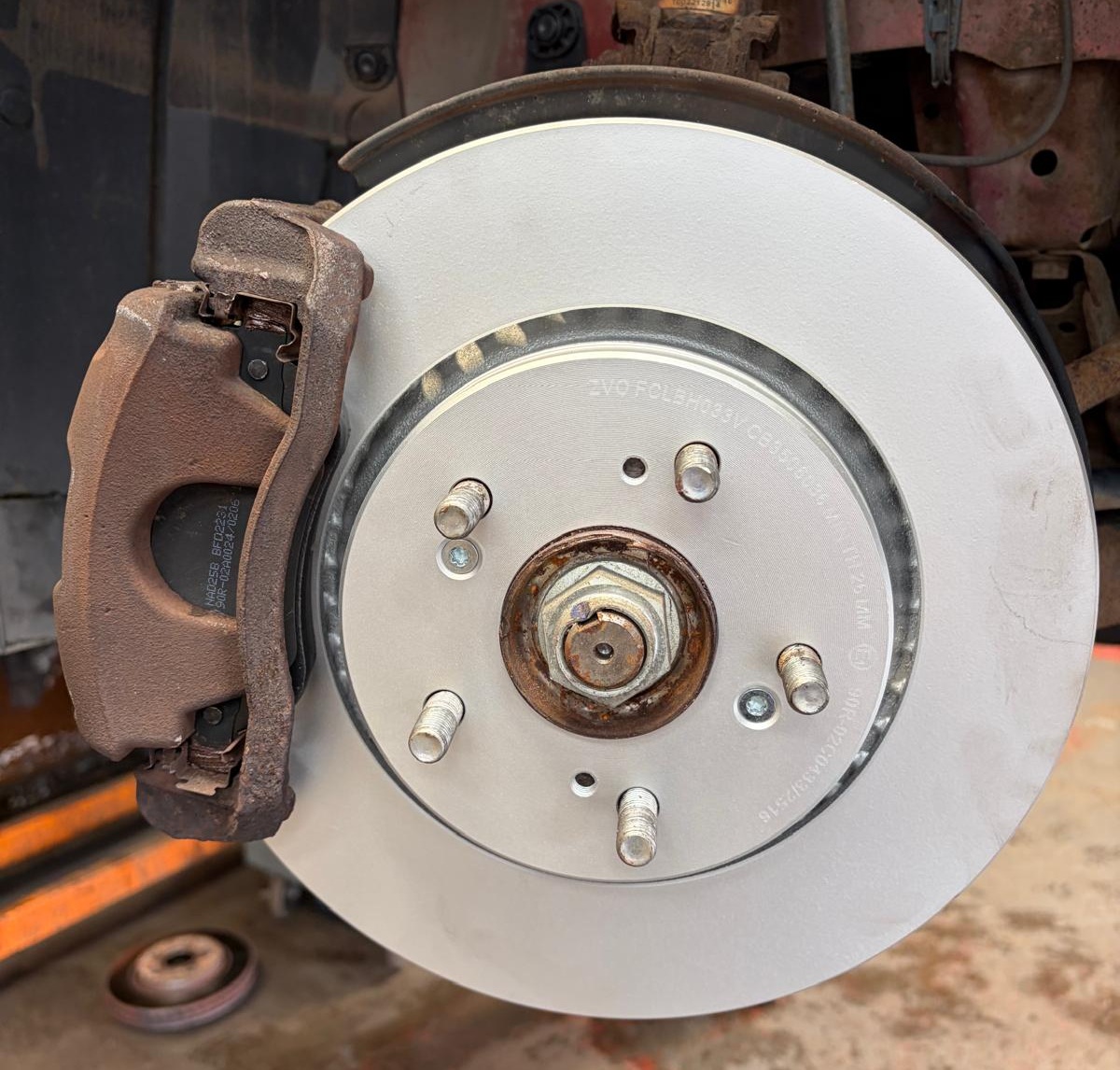
• New rear brake discs
• New rear brake pads
• A full brake system inspection

Once the work was completed, the vehicle went back through the MOT retest and passed without any further problems.

The customer drove away with a much safer car.

You can find out more about our garage services here:
https://www.pellontyres.co.uk/

Why Regular Maintenance Matters: A Recent MOT Failure

This story highlights an important point.

Many drivers wait until the MOT test before discovering problems with their vehicle.

But having your car checked regularly can help prevent unexpected MOT failures.

At Pellon Tyre and Autocentre, we always recommend keeping an eye on:

All of these areas are inspected during the MOT test and can affect your vehicle’s safety.

A Garage with a Long Local History

Pellon Tyre and Autocentre has been serving motorists in Halifax and the surrounding Yorkshire area since 1989.

Over the years we have seen thousands of vehicles pass through our workshop, from small city cars to large vans and family SUVs.

Every MOT test tells its own story, and occasionally we come across faults that remind us just how important regular checks really are.

Final Thoughts

The good news in this case was that the problem was found during the MOT test rather than during an emergency stop on the road.

After the brake repairs, the customer left with a vehicle that was safe, reliable, and fully road legal again. And that, at the end of the day, is exactly what the MOT system is designed to achieve

History of Car Tyres

History of Car Tyres

History of Car Tyres

History of Car Tyres

As a guy working in the tyre industry all my life, this subject fascinates me.

Especially when I was young and working on tyres for the very first time. Little did I know then, but my interest in tyres and the surrounding industry was to last the rest of my life. I even sometimes lie on my back in bed and try to reel off the tyre types that say ‘Michelin’ or ‘Pirelli’ that I produced when I was a young tyre fitter in Dewsbury, West Yorkshire, UK.

The guys in the paragraphs below don’t know what they started all those years ago, in different parts of the world. The pneumatic tyre was first invented by Robert William Thomson in 1845. However, it was John Boyd Dunlop who developed the first practical pneumatic tyre for use on bicycles in 1888.

Thomson, a Scottish inventor, came up with the idea for the pneumatic tyre as a way to improve the ride comfort of carriages. He filed a patent for his design, which consisted of an inner tube made of India rubber, filled with compressed air and surrounded by a casing. However, the patent was not granted, and the invention was not developed further.

Dunlop, a Scottish veterinarian, was motivated to develop the pneumatic tyre for his son’s tricycle.

He observed that the solid rubber tyres on the tricycle caused a rough and uncomfortable ride and sought to improve the situation. It is also great to know that once again it was the British who were at the forefront of yet another great world invention.

He experimented with different designs and eventually came up with a tyre made of canvas, filled with compressed air and sealed with a layer of rubber. He filed a patent for this design in 1888 and established the Dunlop Pneumatic Tyre Company to manufacture and sell the tyres. Dunlop was the first tyre company that I worked for, and I still have fond recollections of this great British icon.

The pneumatic tyre was a significant improvement – History of Car Tyres

over solid rubber tyres, providing a much smoother and more comfortable ride. It also had better traction and durability. The invention of the pneumatic tyre revolutionised the transportation industry and is still in use today.

Dunlop’s invention was not the first attempt at pneumatic tyres, but it was the first practical one that could be mass-produced and that would work well in real-world use. The invention was a response to the need for better tyres for vehicles, which would provide a more comfortable ride and increased safety.

Profound impact- History of Car Tyres

This invention has had a profound impact on the transportation industry, making it possible to travel faster, longer, and more comfortably than ever before. A great story from Scotland. Who would have thought the car tyre would keep rolling on right up to today?

  • 1845: Robert William Thomson patents the first design for a pneumatic tyre
  • 1888: John Boyd Dunlop patents the first practical pneumatic tyre for use on bicycles
  • 1891: The Michelin brothers begin producing their own version of pneumatic tyres under the brand name “Michelin”
  • 1895: The pneumatic tyre is first used on automobiles
  • 1908: The first pneumatic tyre for motorcycles is developed by Dunlop
  • 1946: Michelin develops the radial tyre
  • 1971: Radial tyres become the standard for cars and light trucks

As you can see, the development of pneumatic tyres was a gradual process, with several key inventors and companies contributing to its evolution over the course of many decades.

Significant advancements in tyre technology during the last ten years have revolutionised driving efficiency. History of Car Tyres

Modern Tyre Technology – How Tyres Have Become Safer Over the Past 20 Years

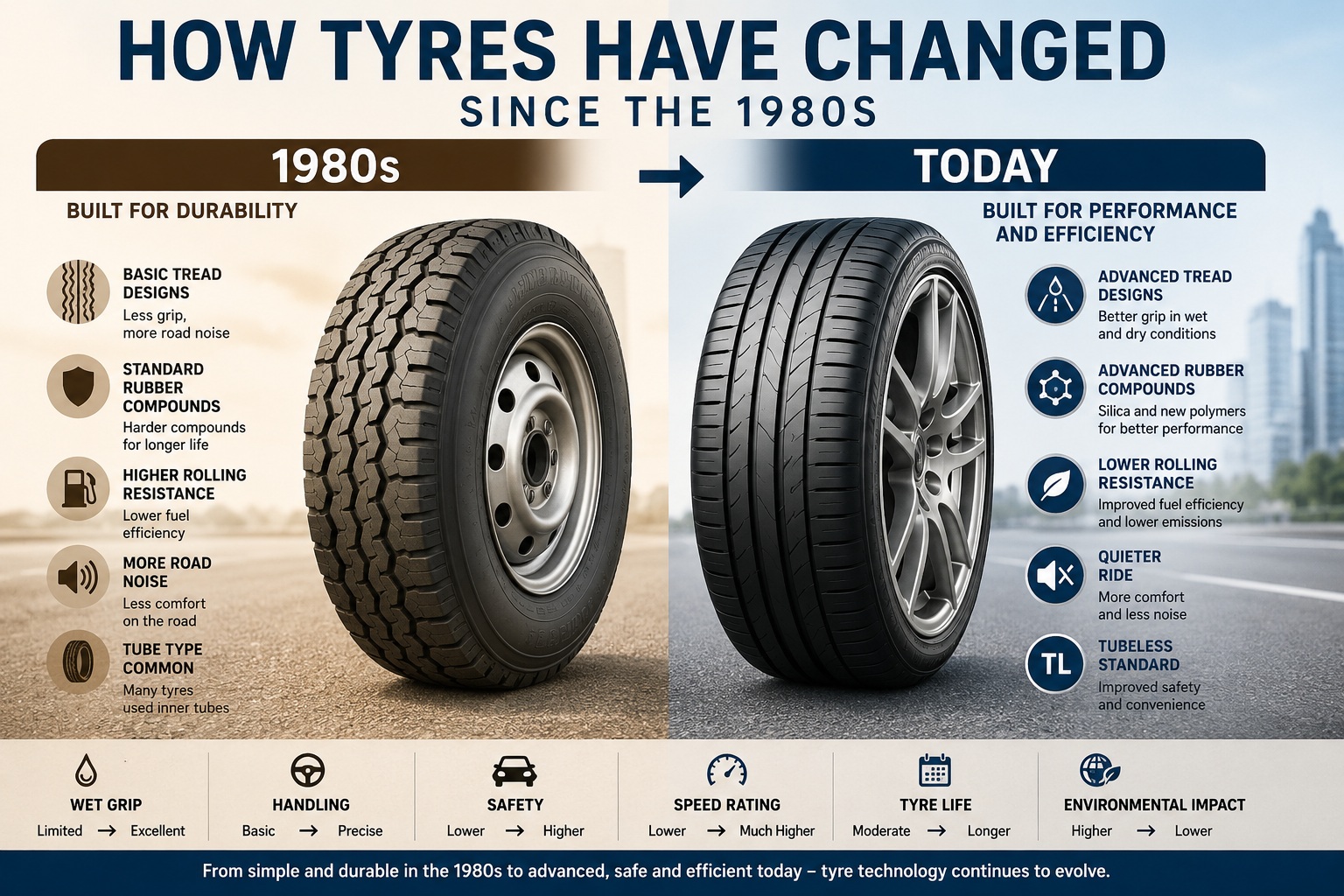
When we look back at the early days of tyre development, the main focus was simply on making tyres that lasted longer and gave a reasonable amount of grip on the road. But over the past twenty years or so, tyre technology has moved on enormously.

In fact, the tyres fitted to modern cars today are far more advanced than many drivers realise. A huge amount of research and development goes into them, and the improvements have made driving both safer and more comfortable than ever before.

Advanced Rubber Compounds: History of Car Tyres

One of the biggest developments has been in rubber compound technology.

In the past, tyre manufacturers mainly used natural rubber mixed with carbon black. While this worked well enough, the grip levels were limited, especially in wet conditions.

Today’s tyres use silica-based compounds, which dramatically improve grip on wet roads. Silica helps the tyre remain flexible at lower temperatures while also reducing rolling resistance.

This means modern tyres can provide:

  • Better wet braking performance
  • Improved fuel economy
  • Longer tyre life

It’s a clever balance that engineers have spent years perfecting.

Improved Tread Patterns: History of Car Tyres

Another area where tyres have improved dramatically is in tread design.

Older tyres often had fairly simple tread patterns, but modern tyres are designed using computer modelling and testing on specialist tracks.

The grooves and channels in the tread are carefully shaped to move water away from the contact patch, reducing the risk of aquaplaning.

Some tyres now feature:

  • Wide water-dispersing grooves
  • Multi-directional tread blocks
  • 3D sipes that open and close during braking

All these features help the tyre maintain better contact with the road surface in wet conditions.

Stronger Tyre Construction: History of Car Tyres

Tyre construction itself has also improved.

Modern tyres are built with advanced steel belts and reinforced sidewalls, which give them greater strength and durability.

This helps tyres cope with the extra weight and power of modern vehicles. Cars today are heavier than they were twenty or thirty years ago, especially with the rise of SUVs and electric vehicles.

Despite this, tyres today are able to handle these loads safely while still providing good comfort and handling.

Run-Flat Technology

Another innovation that has appeared on many modern vehicles is the run-flat tyre.

Run-flat tyres are designed so that if the tyre loses pressure due to a puncture, the reinforced sidewalls allow the vehicle to continue driving for a limited distance.

In most cases, drivers can travel around 50 miles at reduced speed before the tyre needs replacing.

This technology means drivers do not have to stop immediately at the roadside, which is particularly useful on busy motorways.

Tyre Pressure Monitoring Systems (TPMS): History of Car Tyres

Over the past decade, many vehicles have also been fitted with Tyre Pressure Monitoring Systems, commonly known as TPMS.

These systems monitor the air pressure inside each tyre and warn the driver if the pressure drops below a safe level.

Under-inflated tyres can cause several problems, including:

  • Increased tyre wear
  • Poor fuel economy
  • Reduced braking performance
  • Risk of tyre failure

By alerting the driver early, TPMS helps prevent many of these issues before they become dangerous.

Reduced Rolling Resistance

carmakersAnother area where tyre technology has improved is rolling resistance.

Tyres that roll more easily require less energy to move the vehicle, which improves fuel efficiency and reduces emissions.

Manufacturers now design tyres that offer low rolling resistance without sacrificing grip or safety. This is particularly important today as car makers try to meet stricter environmental regulations.

For electric vehicles, efficient tyres are even more important because they help extend battery range.

Tyre Labelling and Safety Standards

In recent years, tyre safety has also improved through European tyre labelling regulations.

These labels give drivers useful information about tyre performance in areas such as:

  • Wet grip
  • Fuel efficiency
  • External noise

This helps motorists make better choices when purchasing new tyres.

It has also encouraged manufacturers to keep improving their products in order to achieve higher ratings.

Continuous Development

What many people do not realise is that tyre companies continue to spend millions of pounds every year on research and testing.

Companies like Michelin, Bridgestone, Continental, Goodyear, Pirelli and others run extensive development programmes. Tyres are tested in extreme conditions, from freezing winter tracks in Scandinavia to hot test tracks in southern Europe.

The aim is always the same: to produce tyres that offer maximum grip, safety, durability and efficiency.


A Quiet Safety Hero

Tyres rarely get the attention they deserve. Drivers often focus on engines, brakes and electronics, but the truth is that tyres are the only part of the car that actually touches the road.

Over the past twenty years, tyre technology has quietly become one of the most important safety developments in modern motoring.

From advanced rubber compounds to intelligent pressure monitoring systems, today’s tyres are far more capable than those fitted to cars in the past.

So while tyres may look much the same as they always have, the technology inside them has changed enormously — and that has helped make driving far safer for everyone on the road.

Vivaro School Bus for Michelin Winter Tyres

Vivaro School Bus for Michelin Winter Tyres

Vivaro School Bus for Michelin Winter Tyres

Vivaro School Bus for Michelin Winter Tyres

The School Bus Vivaro and Michelin Agilis CrossClimate Tyres – Ready for Anything Halifax Weather Throws at Them

On Monday morning we had something a little different pull onto the forecourt at Pellon Tyres in Halifax. Instead of the usual builders’ vans and delivery vehicles, it was a Vauxhall Vivaro school bus belonging to one of the private schools in the Calderdale area.

The school runs a small fleet of these vehicles and uses them to collect pupils from around Halifax, Sowerby Bridge, and the surrounding villages. Over the years they’ve learned that reliability is everything. When you’re transporting children to school every morning, you can’t afford breakdowns or tyres that struggle in winter weather.

That’s why every one of their vans runs on 215/65R16C Michelin Agilis CrossClimate tyres. They’ve tried other tyres in the past, but experience soon showed them that these Michelin tyres were simply the best for the job.


The Vauxhall Vivaro – A Perfect School Transport Van

4The Vauxhall Vivaro has become one of the most popular vans on British roads over the past twenty years, and for good reason.

Originally launched in the early 2000s, the Vivaro quickly gained a reputation for being:

  • Strong and dependable
  • Comfortable to drive
  • Spacious enough for passengers or equipment

For school transport duties, the Vivaro works brilliantly because it sits nicely between a large minibus and a normal van. It’s big enough to carry a group of pupils comfortably but still compact enough to navigate the narrow roads and tight lanes we have here in Calderdale.

Anyone who drives around Halifax will know exactly what I mean. Roads like Pellon Lane, the steep climbs up towards Mount Tabor, or the twisting lanes around Norland and Ripponden can be a real test for any vehicle, especially during winter.

The Vivaro handles these roads well. It has a sturdy chassis, good driving position, and modern diesel engines that provide plenty of pulling power when climbing some of our famous Yorkshire hills.

Inside, the school version of the van is fitted with rows of proper passenger seats, giving the pupils a safe and comfortable ride to school each morning. Safety is obviously the main concern, and vehicles like this are inspected regularly to make sure everything is working as it should.

But one of the most important safety features of all is something many people overlook.

The tyres.

Vivaro School Bus for Michelin Winter Tyres

Why the School Chooses Michelin Agilis CrossClimate Tyres

The tyre fitted to these vans is the excellent Michelin Agilis CrossClimate.

This tyre is designed specifically for commercial vans, which means it has to cope with heavy loads, constant use, and sometimes very rough weather.

The size fitted to these Vivaros is 215/65R16C, which is a common van tyre size and ideal for vehicles carrying passengers or equipment.

What makes the Agilis CrossClimate stand out is that it’s built as an all-season tyre with true winter capability.

It carries the three-peak mountain snowflake symbol, which means it meets the European standard for winter tyres.

In simple terms, it works brilliantly in:

  • Rain
  • Cold temperatures
  • Ice and snow

But it also performs well during normal British summer conditions.

Vivaro School Bus for Michelin Winter Tyres

Perfect for Halifax Winters: Vivaro School Bus for Michelin Winter Tyres

Anyone who lives in Halifax or the wider Calderdale area will know that winter weather can be unpredictable.

One day it’s rain and drizzle rolling in from the Pennines, and the next day the whole place is covered in snow.

Areas like:

  • Illingworth
  • Mixenden
  • Ogden
  • Mount Tabor
  • Wainstalls

can become particularly tricky when snow arrives. These higher parts of Halifax often catch the worst of the weather blowing across from the Pennine hills.

Standard tyres can struggle badly in these conditions. The rubber hardens in the cold, and the tread simply can’t grip the snow properly.

The Michelin Agilis CrossClimate tyres are different.

Their special tread pattern is designed with deep grooves and gripping edges that bite into snow and slush. The rubber compound also stays flexible in cold temperatures, which keeps the grip levels high even when the thermometer drops.

The school drivers have told us many times that these tyres have allowed them to keep running safely when other vehicles were sliding around or stuck.

When you’re responsible for a van full of children, that kind of confidence is priceless.

Vivaro School Bus for Michelin Winter Tyres

Built for Hard Work: Vivaro School Bus for Michelin Winter Tyres

Another reason these tyres work so well on vans like the Vivaro is their strength.

Commercial vans work much harder than normal cars. They carry heavy loads, travel long distances, and spend most of their lives on the road.

Michelin designed the Agilis CrossClimate with reinforced sidewalls to resist kerb damage and potholes.

And let’s be honest, Yorkshire roads can be pretty rough in places.

After winter frosts, potholes start appearing everywhere. From King Cross to Hebden Bridge, drivers often find themselves dodging craters in the road.

These tyres are built to take that punishment.

They also wear very evenly, meaning they last longer than many cheaper alternatives. For businesses or schools running fleets of vehicles, that makes a big difference to running costs.


Ideal for School Ski Trips: Vivaro School Bus for Michelin Winter Tyres

One of the more interesting things the school told us was that the vans sometimes travel much further than just Halifax.

Every year the older pupils are taken on skiing trips across Europe, and the same Vivaro vans are often used to transport luggage and equipment.

When those journeys head into mountain regions where snow can be deep and roads icy, having proper winter-approved tyres becomes essential.

The Michelin Agilis CrossClimate tyres cope brilliantly with these conditions. Their aggressive tread design allows them to plough through snow-covered roads with confidence.

It’s exactly the kind of performance needed when travelling through Alpine passes or snowy resort towns.


A Tyre That Works All Year

One of the biggest advantages of these Michelin tyres is that they remove the need for seasonal tyre changes.

Many vehicles in Europe run separate summer and winter tyres, swapping them twice a year.

But here in the UK, where winters are unpredictable, an all-season tyre that performs properly in snow is often the best option.

That’s exactly where the Agilis CrossClimate shines.

Drivers get:

  • Strong summer performance
  • Excellent wet grip
  • Genuine winter capability

All in a single tyre.


Keeping Calderdale Moving: Vivaro School Bus for Michelin Winter Tyres

Seeing that Vivaro school bus on the forecourt reminded me just how important tyres are to everyday life in our town.

From school transport to delivery vans and family cars, the right tyres keep people moving safely across Halifax and the surrounding valleys.

Here at Pellon Tyres, we’ve fitted thousands of van tyres over the years, and the Michelin Agilis CrossClimate is definitely one of the best we’ve seen for commercial vehicles.

When winter arrives in Calderdale and snow starts drifting across the Pennine hills, it’s always reassuring to know that vehicles like that school Vivaro are running on tyres designed to handle whatever the weather throws at them.

And judging by the school’s experience, those Michelin tyres are more than up to the job.

Agilis CrossClimate

   Product Benefits:

Safety in every weather condition:

  • Grip-maximising tread compound, for indentation in the ground whatever the temperature.
  • Unique V-shaped tread pattern with wide grooves for optimal water and snow evacuation.
  • A rigid sculpture with 3D self-locked sipes to improve dry braking performance.

A unique tread pattern to maximise traction on soft ground (snow, mud, grass, gravel…), combining:

  • V-shaped sculpture, with massive tread blocks for optimal gearing.
  • Full-depth sipes with sharp edges, for a long-lasting clawing effect.
  • Wide grooves with self-cleaning capacity.

Last generation tread wear Indicator:

  • 4 levels to monitor the remaining rubber depth (0% = Legal Tread Indicator reached. Tyre needs to be changed).
  • Easy to monitor tyre wear, hence reducing maintenance downtime.

BMW 118i Tyre bead Damage

BMW 118i Tyre bead Damage

BMW 118i Tyre bead Damage

BMW 118i Tyre bead Damage

BMW 118i Handling Problem in Halifax – The Hidden Danger of a Damaged Tyre Bead

Earlier this week we had a BMW 118i arrive at Pellon Tyres in Halifax with a rather worrying complaint. The owner explained that the car didn’t feel right on the road. It wasn’t a dramatic problem, but the steering felt unsettled, and the car just didn’t seem to handle the way a BMW normally should.

Anyone who has driven a BMW will know they are usually very precise cars. The 1 Series, including the 118i model, has always been popular in the UK because of its sporty feel and sharp handling. So when one of these cars starts to feel vague or unstable, it’s usually a sign that something isn’t quite right.


A Careful Inspection: BMW 118i Tyre bead Damage

When a customer reports handling problems, we never jump to conclusions. There are quite a few things that can cause a car to feel unstable on the road, including:

So we began by carefully checking the steering and suspension components. These modern BMWs have fairly sophisticated suspension setups, and worn parts can sometimes cause odd handling behaviour.

After spending a good amount of time inspecting everything, we eventually traced the problem to something much simpler but equally important — a damaged front tyre.

BMW 118i Tyre bead Damage

The Culprit – Damage Around the Tyre Bead

On closer inspection, the tyre showed bead wire damage, with some of the wires actually protruding through the bead area of the tyre.

For those not familiar with tyre construction, the bead is the part of the tyre that seals tightly against the wheel rim. Inside the bead are strong steel wires which help the tyre stay firmly seated on the wheel.

When those wires become exposed or damaged, the tyre is no longer safe. In this case, the damage meant the tyre could no longer sit correctly on the rim, which can cause the car to feel unstable or vague when driving.

The tyre clearly needed replacing.


Why Tyre Beads Get Damaged: BMW 118i Tyre bead Damage

This type of problem isn’t especially common, but it does happen. There are several reasons why a tyre bead might become damaged in this way.

One of the most common causes is impact damage. Around Halifax and the wider Calderdale area we see plenty of potholes, especially after winter. If a tyre hits a pothole or kerb hard enough, it can weaken the bead area.

Another cause can be running a tyre with very low pressure. When a tyre loses pressure, the sidewalls flex more than they should, and this can put extra strain on the bead.

Sometimes bead damage can also occur during previous tyre fitting, although this is less common when tyres are fitted correctly with modern equipment.

Whatever the cause, once bead wires start to protrude, the tyre must be replaced. It simply isn’t safe to continue driving on it.

BMW 118i Tyre bead Damage
Wire exposed in bead area of the BMW tyre

A Simple Fix – And a Happy Customer

After explaining the issue to the owner, we replaced the damaged tyre with a 255/50R19 Falken quality replacement and checked the remaining tyres while we were at it.

The customer then took the BMW 118i out for a short road test. When he returned a few minutes later, he was smiling and reported that the car felt completely normal again.

That’s always satisfying to hear. Sometimes the smallest faults can make a car feel quite unpleasant to drive, and it’s good to track them down properly.


Why Tyre Checks Are Important

Tyres are often overlooked when drivers experience handling problems. People naturally assume something complicated must be wrong with the suspension or steering, but tyres are the only part of the car actually touching the road.

Even a small defect can have a noticeable effect on how a vehicle drives.

That’s why at Pellon Tyres in Halifax we always carry out careful inspections rather than guessing. Whether it’s a BMW, a family hatchback, or a van used for work around Calderdale, tyres play a crucial role in safety and performance.

BMW 118i Tyre bead Damage
New Falken tyre fitted

Final Thoughts: BMW 118i Tyre bead Damage

The BMW 118i is a well-engineered car and normally handles beautifully. When one starts to feel unstable, it’s worth getting it checked properly before the problem worsens.

In this case, a damaged tyre bead was the cause, and once replaced, the car was back to driving exactly as it should.

If you ever feel your car isn’t handling quite right, especially on the winding roads around Halifax and the Pennines, it’s always worth popping in for a quick check.

Sometimes the solution is simpler than you might think.

Honda CRV For New Lucas Battery

Honda CRV For New Lucas Battery

Honda CRV For New Lucas Battery

Honda CRV For New Lucas Battery

Honda CR-V Battery Problems in Halifax – Why We Recommend Lucas Batteries at Pellon

On Monday we had a Honda CR-V in for one of our free battery tests. The owner had already had a couple of moments where it struggled to start. It hadn’t completely failed, but it was turning over slower than it should, and that’s usually the first sign that a battery is on its way out.

To be fair, the Honda CR-V is a very popular car here in the UK. We see plenty of them running around Halifax, Sowerby Bridge, Brighouse and across Calderdale. They’re solid, practical vehicles — good driving position, comfortable and generally very reliable. But like all modern cars, they depend heavily on a strong, healthy battery.

Years ago, a battery just had to crank the engine, and that was about it. These days it’s a different story. Modern CR-Vs are packed with electronics:

  • Stop/start systems
  • Engine control units
  • Parking sensors
  • Heated seats and screens
  • Climate control systems

All of that puts extra demand on the battery. If it starts to weaken, you’ll often notice slow cranking, warning lights flickering, or the stop/start not working properly.

Honda CRV For New Lucas Battery

Proper Testing – No Guesswork: Honda CRV For New Lucas Battery

As always, we didn’t guess. Alex put the CR-V straight on our electronic battery tester. It measures voltage, cold cranking amps and overall battery health. Within a couple of minutes we had a clear answer.

The reading confirmed the battery was below where it should be. It wasn’t completely dead, but it was unreliable — and unreliable batteries have a habit of failing on the coldest morning of the year.

The customer wasn’t surprised. He’d already felt that slight hesitation when turning the key. He gave us the go-ahead, and we fitted a new Lucas top-of-the-range battery.


Why We Like Selling Lucas Batteries: Honda CRV For New Lucas Battery

We’ve been fitting batteries in Halifax for many years, and we’ve tried just about every make available. There’s a noticeable difference between a budget battery and a quality one.

We prefer Lucas batteries because they’re built to cope with UK driving conditions. Around Calderdale, we’ve got damp Pennine air, cold winter mornings and lots of short journeys. Short trips are especially hard on batteries because they don’t get long enough to recharge properly.

A Lucas battery gives:

  • Strong cold-starting performance
  • Reliable build quality
  • Good warranty protection
  • Consistent performance over time

We don’t believe in fitting something we wouldn’t use ourselves. A few pounds saved on a cheaper battery isn’t much comfort if it leaves you stuck on your drive in Pellon or outside the supermarket in Halifax town centre.

Honda CRV For New Lucas Battery
old battery failed

Why Batteries Fail Around Halifax: Honda CRV For New Lucas Battery

A lot of local driving is short distance. Nip down the road, school run, quick shop, back home. The alternator doesn’t always get a chance to fully recharge the battery. Add in heated rear screens in winter, lights on in poor weather, and modern electronics constantly drawing power, and batteries wear out sooner than people expect.

Most car batteries last somewhere between four and five years. After that, you’re on borrowed time.

We always advise customers: if your car is starting a bit slower than usual, don’t ignore it. It’s better to test it early than wait for a breakdown.


Free Battery Testing at Pellon Tyres

That’s why we offer free battery testing at Pellon Tyres in Halifax. It takes just a few minutes and gives a clear result. No pressure, no hard sell — just honest advice.

If the battery is good, we’ll tell you.
If it’s failing, we’ll explain the options.

This Honda CR-V left us starting perfectly again, and the owner drove away knowing he wouldn’t be worrying every time he turned the key.

Honda CRV For New Lucas Battery
New Lucas quality battery fitted safely

Final Thoughts: Honda CRV For New Lucas Battery

The Honda CR-V is a cracking car for Yorkshire roads. Strong, practical and dependable. But even the best vehicles need proper maintenance, and a quality battery is one of the basics.

If you’re in Halifax or anywhere across Calderdale and your car is slow to crank or you’re unsure about the battery, call in and we’ll test it properly.

It’s better to know than guess — especially before winter sets in.

Audi A4 for Falken Tyres

Audi A4 for Falken Tyres

Audi A4 for Falken Tyres

Audi A4 for Falken Tyres

A Busy Morning at Pellon Tyres – Audi A4 In for a Free Tyre Check

Some mornings at Pellon Tyres start quietly, and others begin the moment the shutters roll up. Yesterday was definitely one of the busy ones. As soon as the doors opened, the Audi A4 for Falken Tyres and Calderdale knew all too well: tyre wear.

Starting the Day the Right Way

The owner had called in for one of our free tyre checks, something we always encourage local drivers to take advantage of. Tyres are one of those things that often go unnoticed until they start causing problems, and with the mix of steep hills, tight corners, and damp Yorkshire roads, wear can creep up faster than people realise.

A quick inspection confirmed what the owner had suspected. All four tyres were worn and nearing the legal limit. It’s a situation we see quite regularly, especially on cars like the Audi A4 that handle well and are enjoyable to drive — that extra grip and performance naturally put more demand on the tyres over time.

Audi A4 for Falken Tyres

Honest Advice and Clear Options

At Pellon Tyres, we always believe in giving clear, sensible advice rather than pushing people into a decision. After checking the tyre sizes and discussing how the car was mainly used — everyday driving around Halifax, commuting, and occasional motorway runs — we gave the customer a few price options to suit different budgets.

There’s no one-size-fits-all answer when it comes to tyres. Some drivers want premium brands, others want good value, and many want something that balances quality with sensible pricing.

After talking through the choices, the customer decided on 245/35ZR19 XL 93Y Falken Azensis tyres — and honestly, it was an excellent decision.

Audi A4 for Falken Tyres
A4 old tyres removed

Why Falken Tyres Are a Great Choice: Audi A4 for Falken Tyres

We’ve fitted a lot of Falken tyres over the years, and they continue to impress both us and our customers. They offer strong grip in wet conditions, good durability, and a comfortable ride — all things that matter when you’re driving through Calderdale’s changing weather.

From Pellon Lane to the winding roads out towards Hebden Bridge or over towards the moors, tyres need to handle everything Yorkshire throws at them. Falken tyres have built a solid reputation for reliability and value, which is why they’re becoming more popular with local motorists.

The Importance of Regular Tyre Checks

What stood out with this job was how the customer trusted their instincts. They felt something wasn’t quite right and came in before things became unsafe. That’s exactly what we like to see.

Tyres don’t just affect safety—they influence fuel economy, braking distance, steering feel, and even suspension wear. Worn tyres can also lead to MOT failures, something no one wants unexpectedly.

A quick free check can save drivers money and stress in the long run, and it only takes a few minutes.

Audi A4 for Falken Tyres
new tyres all fitted

Yorkshire Roads and Tyre Wear: Audi A4 for Falken Tyres

Anyone who drives regularly around Halifax knows how demanding the roads can be. We’ve got steep inclines, rough surfaces in places, and plenty of stop-start traffic. Add in the typical Yorkshire weather — one minute dry, the next pouring down — and tyres really do earn their keep.

That’s why choosing the right tyre matters. It’s not just about price; it’s about confidence when you’re driving your family around or heading off to work on a cold morning.

Another Happy Customer

Once the new Falkens were fitted and balanced, the Audi A4 was ready to go. The difference was immediate — a smoother ride, better grip, and peace of mind for the owner.

Jobs like this are a reminder of what we’ve always tried to do at Pellon Tyres: offer friendly advice, fair pricing, and practical solutions that suit real local drivers.

And as the morning carried on, the workshop soon filled up with more bookings — another typical day in Halifax!

Audi A4 for Falken Tyres
Falken tyre label

Why Local Drivers Trust Pellon Tyres: Audi A4 for Falken Tyres

  • Free tyre checks available
  • Honest advice with clear options
  • Quality brands including Falken tyres
  • Experienced local team
  • Friendly Yorkshire service

If you’re unsure about your tyres, just call in. A quick check can make all the difference.

Skoda Fabia for GT Winter Tyres

Skoda Fabia for GT Winter Tyres

Skoda Fabia for GT Winter Tyres

Skoda Fabia for GT Winter Tyres

Yesterday at Pellon Tyres, the next car through the workshop was a Škoda Fabia – and that’ll come as no surprise to anyone who drives around Halifax or the wider Calderdale area. You see Fabias everywhere around here, from town-centre errands to daily commutes out towards Sowerby Bridge and Brighouse and up over the tops, where the weather can turn sharp very quickly.

This particular Fabia was being prepared for bad winter weather, with the owner choosing to fit two GT Radial WinterPro tyres, size 195/55 R15 85H. It’s a very common tyre size on smaller cars, and for good reason – it offers a sensible balance of comfort, grip, and affordability. For Calderdale drivers who don’t want to be caught out by ice, frost, or the first proper snowfall, it’s a smart and practical decision.

Skoda Fabia for GT Winter Tyres

The Skoda Fabia – A Quiet UK Success Story

The Fabia first arrived in the UK back in 1999, and from the start it proved popular with British drivers. Built by Škoda, the Fabia helped change public perception of the brand almost overnight. Older drivers might remember the jokes that once followed Skoda around, but the Fabia put an end to all that.

Under the skin, the Fabia benefited from Volkswagen Group engineering, sharing components with the VW Polo and SEAT Ibiza. That meant solid build quality, dependable engines, and sensible running costs – exactly what many Yorkshire motorists value.

Around Halifax and Calderdale, the Fabia fits local life perfectly:

  • Compact enough for tight parking in town
  • Comfortable on longer runs out towards Huddersfield or Leeds
  • Economical for everyday use
  • Tough enough to handle rougher road surfaces

Over the years, the Fabia has become a favourite with first-time drivers, retirees, small families, and delivery drivers alike. It’s not flashy, but it’s honest motoring – and that goes down well round here.

Skoda Fabia for GT Winter Tyres
GT Winter tyre

Why Winter Tyres Make Sense in Calderdale: Skoda Fabia for GT Winter Tyres

We might not get Alpine snow every year, but Calderdale winters bring their own challenges. Cold temperatures, damp roads, shaded valleys, and early morning frost can make driving tricky, especially on hills and side streets.

Winter tyres aren’t just about snow. They’re designed to:

  • Stay flexible in cold temperatures
  • Offer better grip on wet and icy roads
  • Shorten braking distances below 7°C

On a lighter car like a Fabia, that extra grip can make a real difference, particularly when pulling away on a slope or braking on a greasy road.

Skoda Fabia for GT Winter Tyres
GT Tyre label

GT Radial – Sensible Tyres with a Solid Reputation

The tyres chosen were GT Radial WinterPro, made by GT Radial, which is part of the Giti Tire group. GT Radial has built a strong reputation in the UK for offering good-quality tyres at sensible prices, without cutting corners on safety.

GT Radial tyres are developed and tested for European conditions, including cold, wet winters like we experience in Yorkshire. The WinterPro range is designed specifically for smaller and mid-sized cars, making it ideal for vehicles like the Fabia.

Key benefits of the WinterPro include:

  • A winter-specific rubber compound that stays soft in cold weather
  • Deep tread patterns to clear water and slush
  • Improved traction on snow and ice compared to summer tyres
  • Predictable handling and braking

For drivers who don’t want to spend premium-brand money but still want confidence when the weather turns, GT Radial is a very sensible option.

Skoda Fabia for GT Winter Tyres
New tyre fitted to Skoda wheel

The Importance of the Tyre Size – 195/55 R15 85H: Skoda Fabia for GT Winter Tyres

The 195/55 R15 size is extremely common on smaller cars, and that availability helps keep costs reasonable. It’s wide enough to give good road contact, but not so wide that it struggles in winter conditions.

On a Fabia, this size works well because:

  • It suits the car’s weight and suspension
  • It offers a comfortable ride on rough roads
  • It performs predictably in poor weather

The 85H load and speed rating is more than adequate for everyday driving, whether that’s nipping into Halifax or heading further afield.


Local Driving, Local Advice: Skoda Fabia for GT Winter Tyres

Around Calderdale, winter tyres aren’t about showing off – they’re about getting from A to B safely. Steep roads, shaded valleys, and sudden weather changes catch people out every year. Preparing early, like this Fabia owner has done, is always better than waiting until the first snowfall.

At Pellon Tyres, we see plenty of drivers who wish they’d thought ahead once the temperature drops. A set of winter tyres can make the difference between getting home safely and being stuck at the bottom of a hill spinning wheels.


Final Thoughts from Pellon Tyres

The Skoda Fabia remains one of the most sensible small cars on UK roads, and pairing it with GT Radial WinterPro tyres is a practical choice for Calderdale winters. It’s not about extravagance – it’s about confidence, safety, and peace of mind.

For drivers around Halifax and beyond, winter preparation doesn’t have to be expensive or complicated. The right tyres, fitted properly, can make all the difference when the weather turns against us – and in Yorkshire, that’s never far away.