Mercedes Strange Broken Wheels
Table of Contents
Mercedes Strange Broken Wheels
Mercedes Strange Broken Wheels
Strange Alloy Wheel Damage on a Mercedes – Something We Don’t See Every Day
Last week here at Pellon Tyre and Autocentre, we had one of those busy periods where several what I would call “upper-end” vehicles arrived almost one after another for tyre fittings.
Amongst the cars booked in were the following:
- Porsche 911
- BMW 5 Series
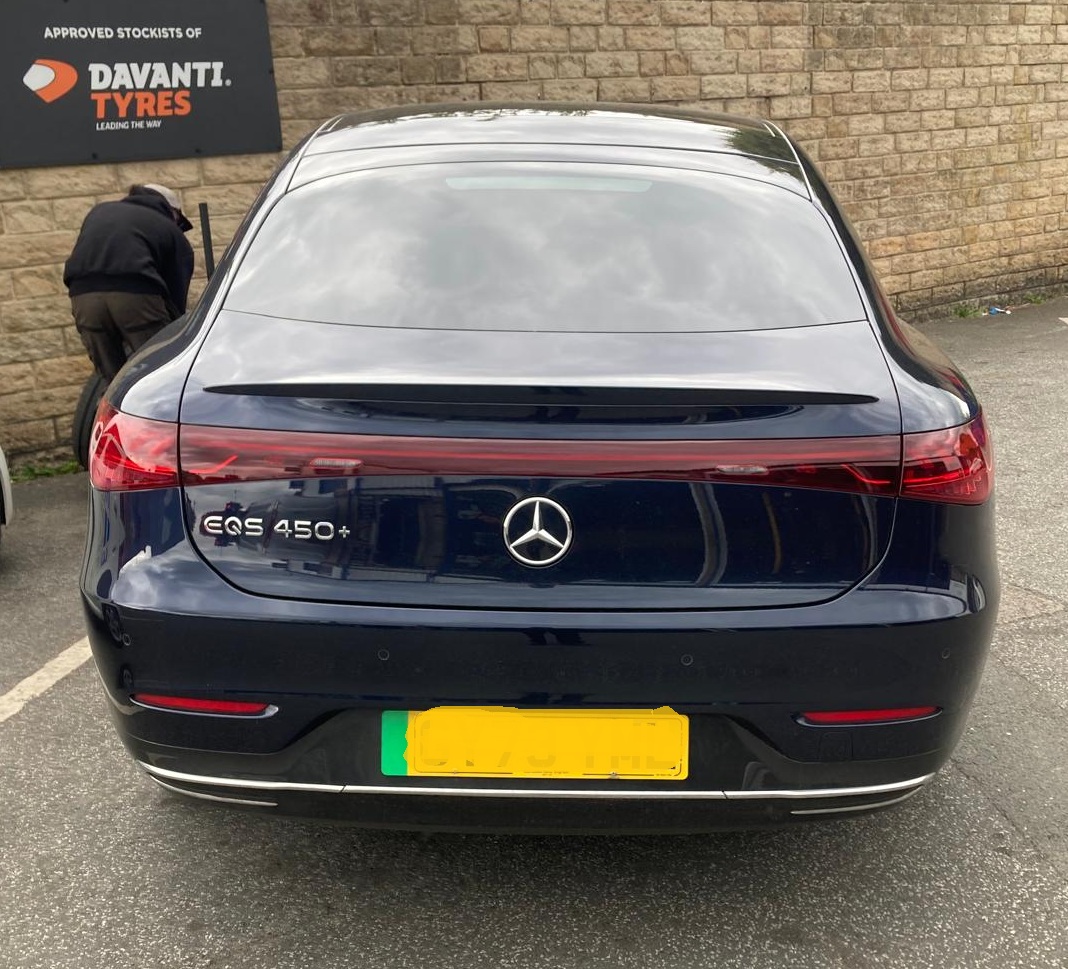
- and a very smart Mercedes-Benz
Prestige vehicles like these have become increasingly common around Halifax and Calderdale over the years. What was once considered rare or exclusive is now seen much more regularly on Yorkshire roads, particularly with the popularity of PCP finance and leasing agreements making premium German cars more accessible to many motorists.
However, one of the Mercedes jobs stood out for a completely different reason.
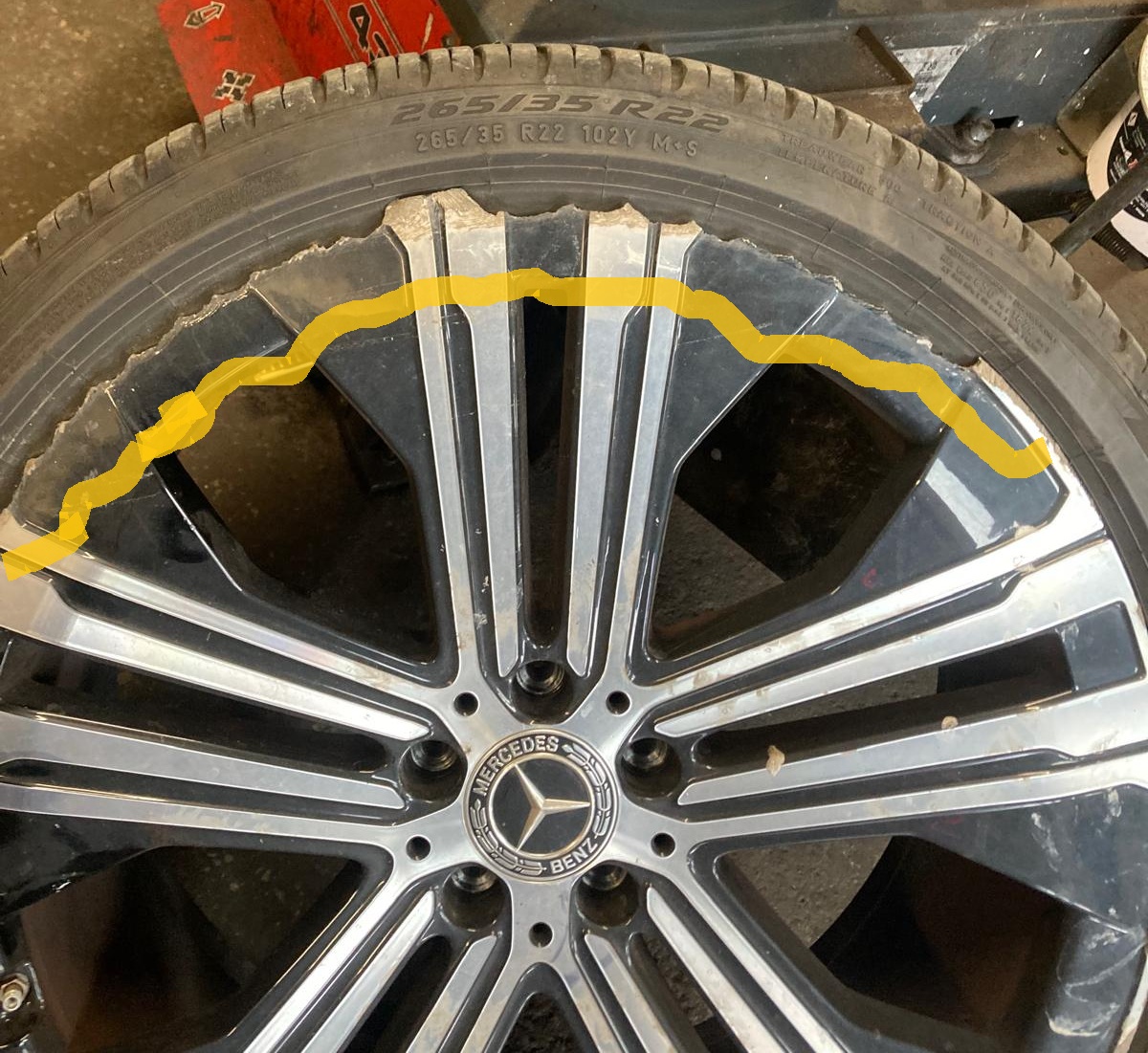
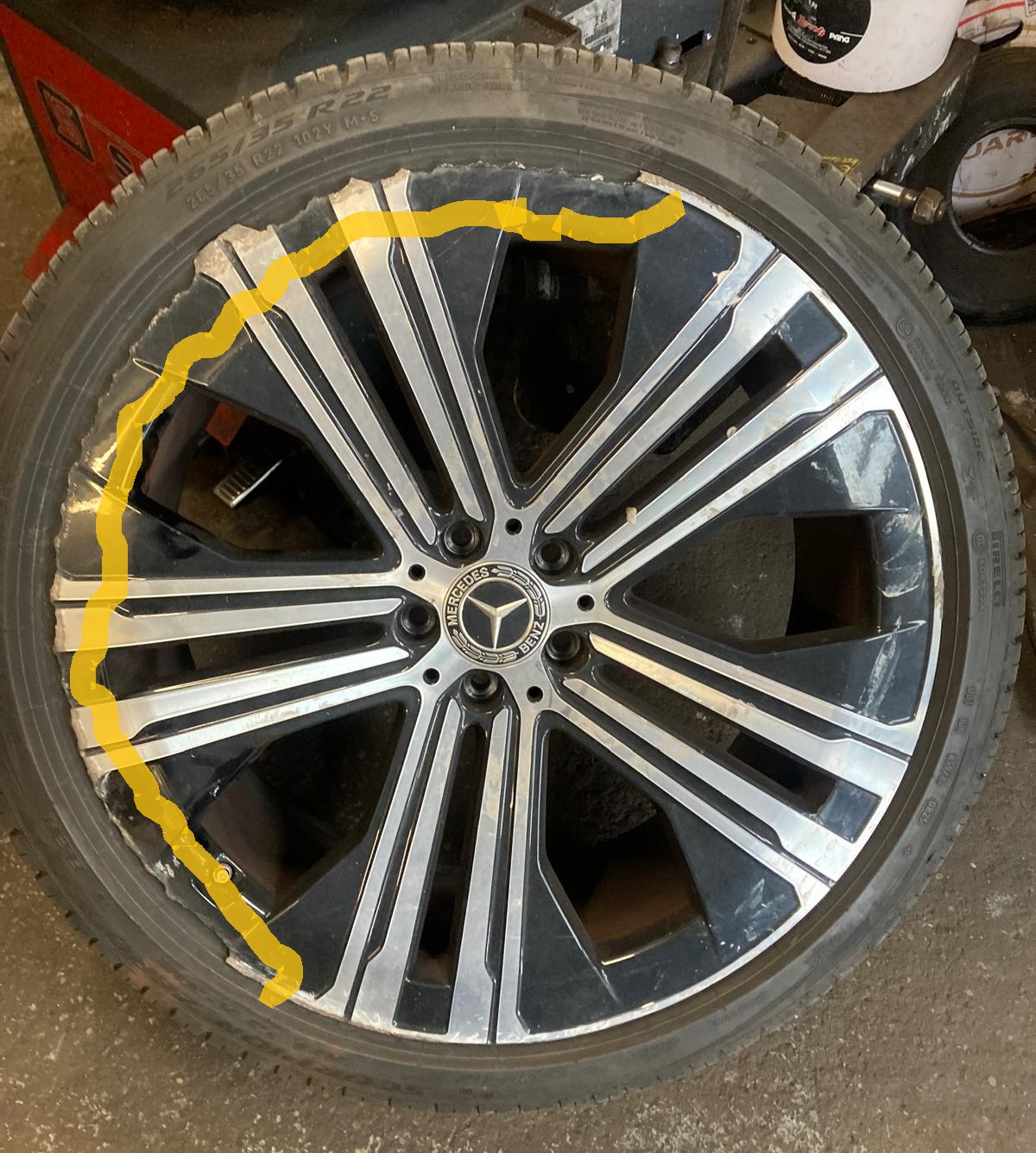
The owner pointed out something unusual affecting two of the alloy wheels. At first glance, the outer rim edges looked almost as though they had been “nibbled away” in small sections.
It was certainly strange damage and not the sort of thing we see every day.
Even after inspecting the wheels closely, I was still left wondering exactly what had caused it.
Mercedes-Benz and Their Popularity in the UK
There is no doubt that Mercedes-Benz remains one of the most respected prestige car brands in Britain.
Years ago, Mercedes ownership was mainly associated with the following:
- company directors
- business owners
- professional drivers
- luxury motoring
Today, things have changed considerably.
Modern Mercedes models are now extremely popular across the UK thanks to:
- finance packages
- reliability improvements
- diesel economy
- advanced technology
- strong resale values
Around Halifax and Calderdale, we regularly see Mercedes vehicles ranging from:
- A-Class hatchbacks
- C-Class saloons
- sporty AMG models
- large SUVs
- luxury executive cars
Many motorists appreciate the combination of comfort, refinement and strong road presence, especially on longer motorway journeys across Yorkshire and beyond.
Low-Profile Tyres and Larger Alloy Wheels: Mercedes Strange Broken Wheels
One thing that has changed dramatically over recent years is the size of alloy wheels fitted to modern prestige vehicles.
Large alloy wheels with:
- low-profile tyres
- wider rims
- firmer suspension
have become increasingly common.
They certainly improve appearance and handling, but they also create new problems.
Unfortunately, roads around Halifax, Calderdale and much of Yorkshire are not always kind to large alloy wheels.
Potholes, rough surfaces and kerb impacts can all cause damage surprisingly easily.
What Could Cause “Nibbled” Alloy Wheel Damage?
The damage on this particular Mercedes looked unusual because the outer edges of the alloy rims appeared chipped and broken away in several small sections rather than showing one major impact mark.
There are actually several possible explanations for this sort of damage.
Pothole Impacts: Mercedes Strange Broken Wheels
One of the most common causes is repeated pothole strikes.
Low-profile tyres provide less cushioning between the wheel rim and the road surface.
On rough roads, repeated sharp impacts can gradually weaken the alloy edge until small pieces begin breaking away.
Many roads around Halifax suffer badly from pothole damage, especially after winter weather.
Repeated impacts over time can create stress fractures and edge deterioration, which may eventually resemble the “nibbled” appearance we saw.
Corrosion Under the Lacquer
Another possibility is corrosion developing beneath the protective lacquer coating on the alloy wheel.
This is especially common on diamond-cut alloy wheels, where:
- moisture
- road salt
- brake dust
can slowly work underneath the surface finish.
Over time, corrosion can weaken small areas of the rim edge, causing flaking or small sections to break away.
Yorkshire winters with salted roads are particularly hard on alloy wheels.
Previous Kerb Damage: Mercedes Strange Broken Wheels
Sometimes alloy wheels may have suffered older kerb damage which has been cosmetically repaired in the past.
If repairs were not carried out perfectly, weakened sections of alloy can later begin deteriorating further.
Small cracks or weakened edges may gradually worsen over time until pieces start breaking away.
Manufacturing Defects?
The customer also wondered whether it could possibly be some kind of manufacturing issue.
While genuine manufacturing defects are relatively uncommon, they are not impossible.
Modern alloy wheels are produced using complex casting and machining processes. Occasionally:
- casting imperfections
- metal weaknesses
- poor lacquer adhesion
can contribute to unusual wheel deterioration later in life.
However, in most cases, damage is usually a combination of:
- road conditions
- impacts
- corrosion
- age
- environmental exposure
rather than one single cause alone.
Why Alloy Wheel Damage Should Never Be Ignored
Even though some wheel damage may initially appear cosmetic, damaged alloy rims should always be inspected carefully.
Problems around the outer rim can potentially lead to:
- slow air leaks
- tyre sealing issues
- cracks developing further
- wheel imbalance
- structural weakness
With modern low-profile tyres, the wheel itself often absorbs far more punishment than older wheel and tyre combinations ever did.
Prestige Cars Face Yorkshire Roads Like Every Other Vehicle
One thing I often say is that no matter how expensive the vehicle may be, Yorkshire roads treat them all equally.
Whether it is:
- a Porsche
- BMW
- Mercedes
- or family hatchback
Potholes and rough road surfaces around Calderdale can still cause expensive damage.
In fact, many prestige vehicles are often more vulnerable because:
- larger wheels
- lower suspension
- firmer ride setups
leave less protection against road impacts.
Final Thoughts: Mercedes Strange Broken Wheels
This Mercedes wheel problem was certainly one of the more unusual things we have seen recently at Pellon Tyres.
The strange “nibbled” appearance around the alloy rim edges remains difficult to fully explain with absolute certainty, but it most likely resulted from a combination of:
- Yorkshire road conditions
- repeated impacts
- corrosion
- and possibly age-related weakening
Modern alloy wheels may look fantastic on prestige cars, but they are also far more delicate than many motorists realise.
At Pellon Tyre and Autocentre, we continue seeing how changing vehicle designs and modern road conditions create new kinds of tyre and wheel problems that simply did not exist years ago.

Leave a Reply
Want to join the discussion?Feel free to contribute!