All Car Servicing

All Car Servicing

Hi I would like to introduce myself. Working in the Garage and tyre and all Car Servicing business now for 40 years. So. worked for a couple of national tyre companies before starting my first business. Of course, I now own a company here in the UK called Pellon Tyre and Auto-centre. Blogging about anything to do with Car Servicing and their related products. Naturally, that will help my business. We are members of Point-S and MotorCodes and are also a Unipart Car Care Centre.

Audi A3 for New Front Discs

Audi A3 for New Front Discs

Audi A3 for New Front Discs

Audi A3 for New Front Discs


Audi A3 Front Brake Disc Corrosion – A Common Problem on Calderdale Roads

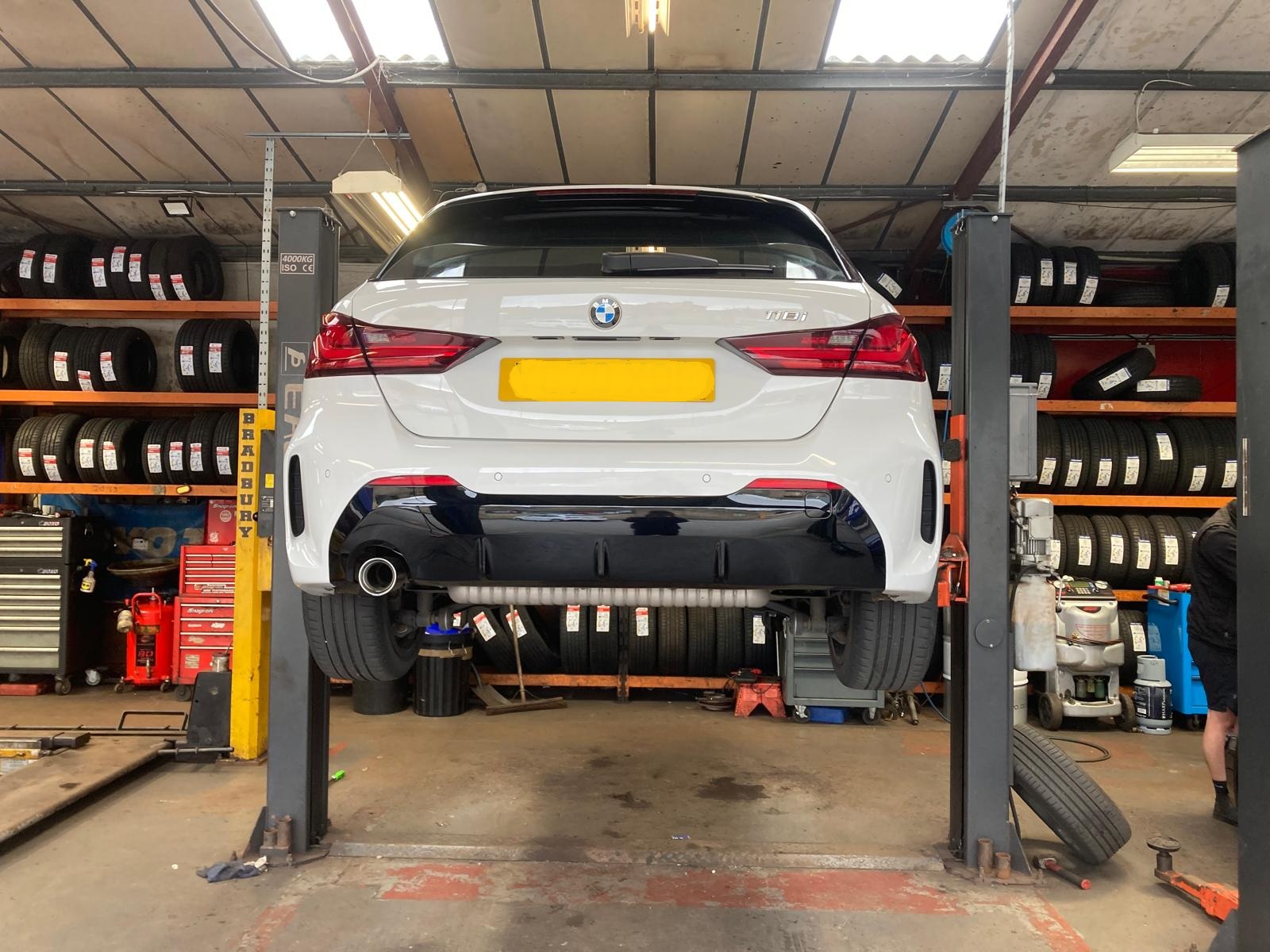
The other day here at Pellon Tyres & Autocentre in Halifax, we were visited by the owner of a neat Audi A3. The car looked well cared for on the outside, but the driver was concerned about worrying noises coming from the front end when braking. It’s the sort of thing drivers often try to ignore at first, but as most motorists soon realise, brake noises rarely get better on their own.

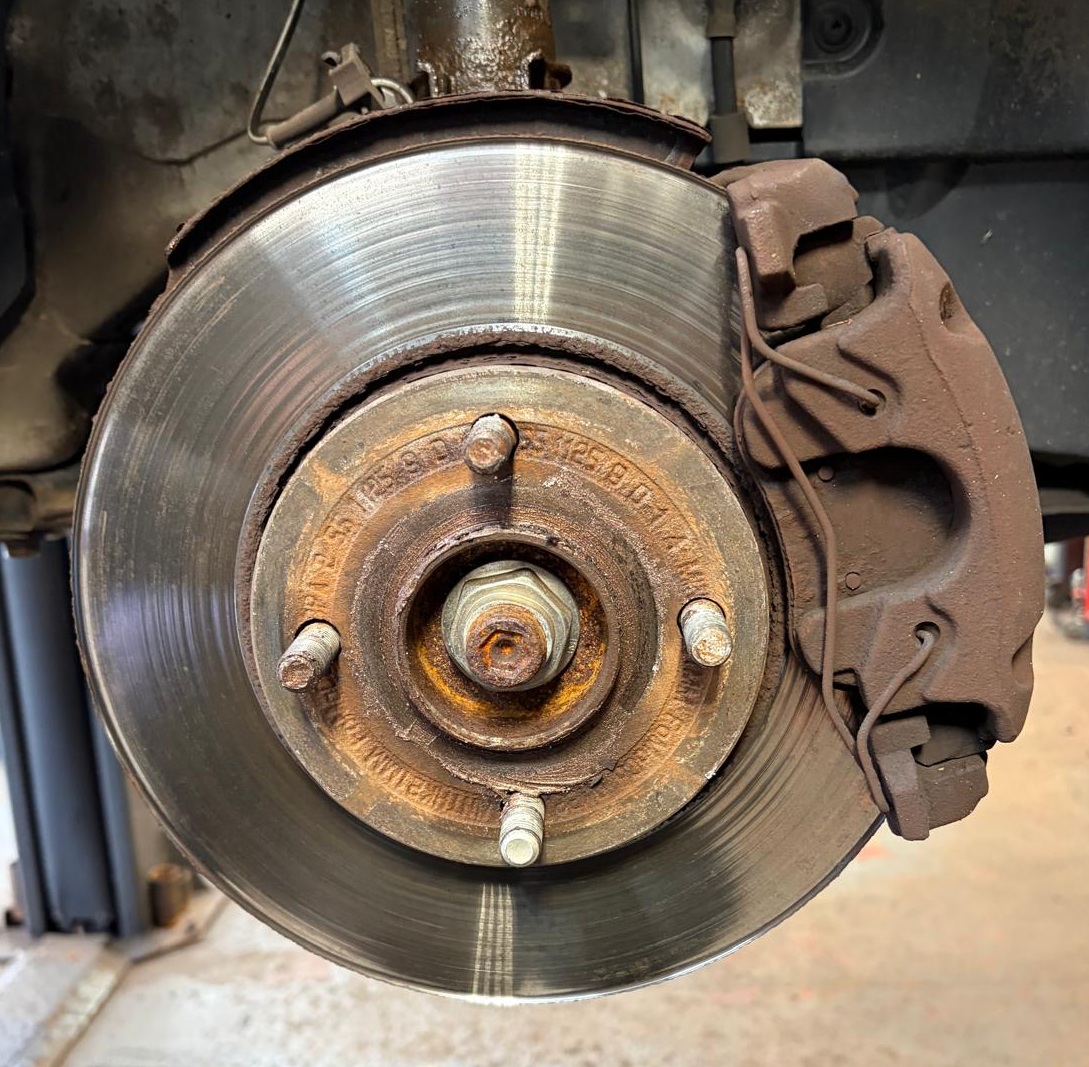
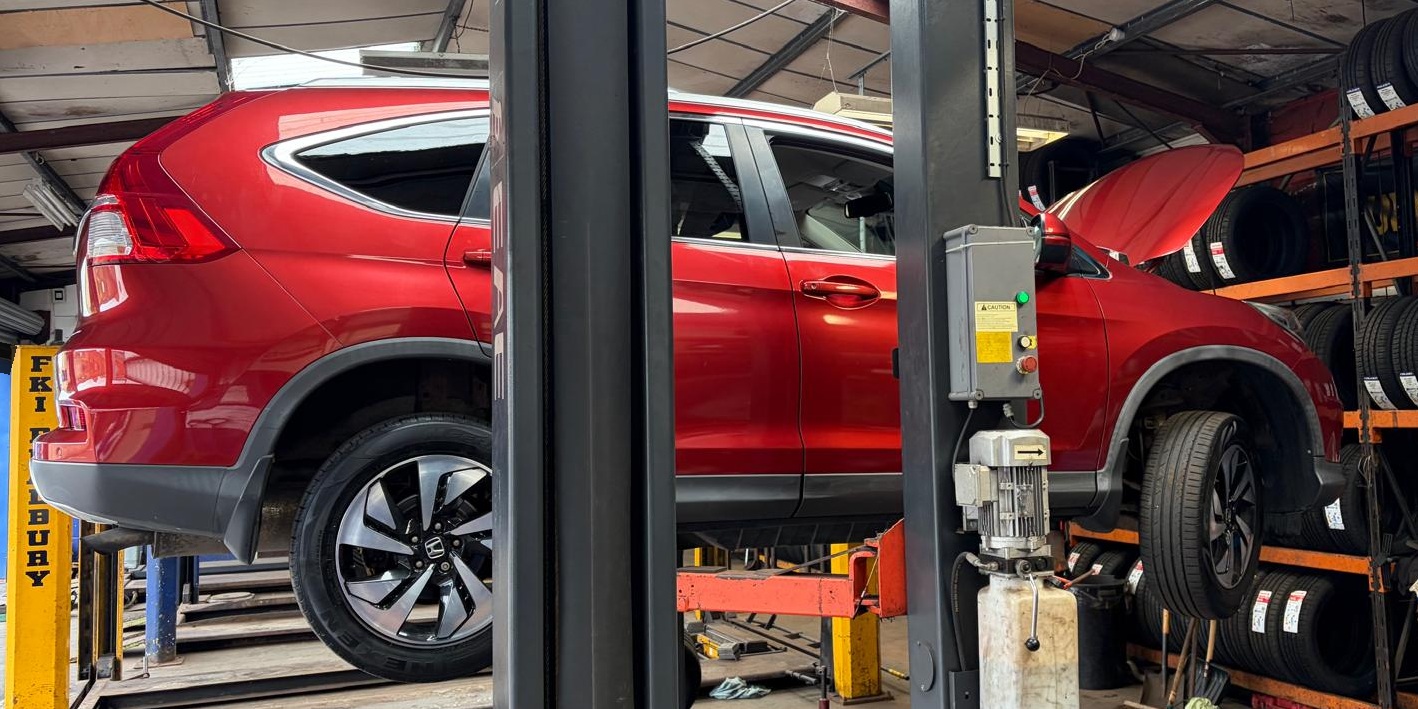
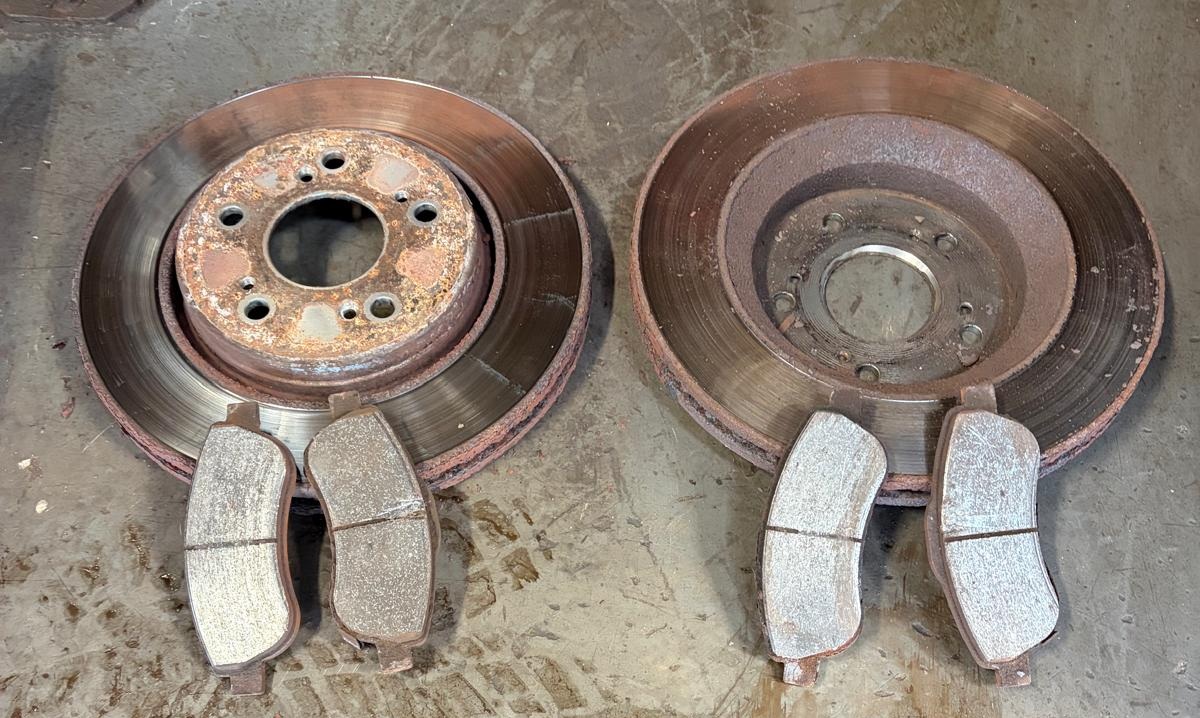
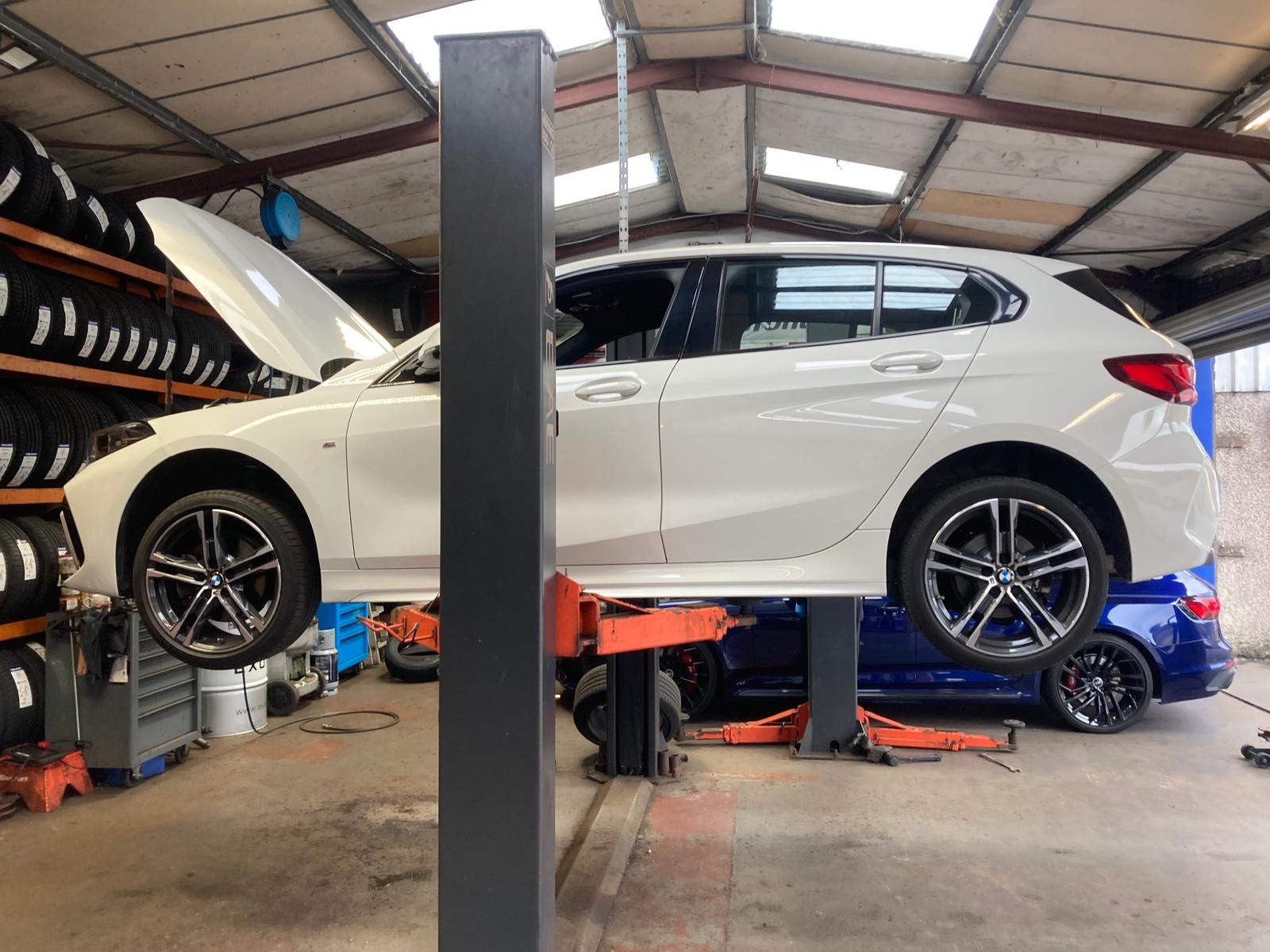
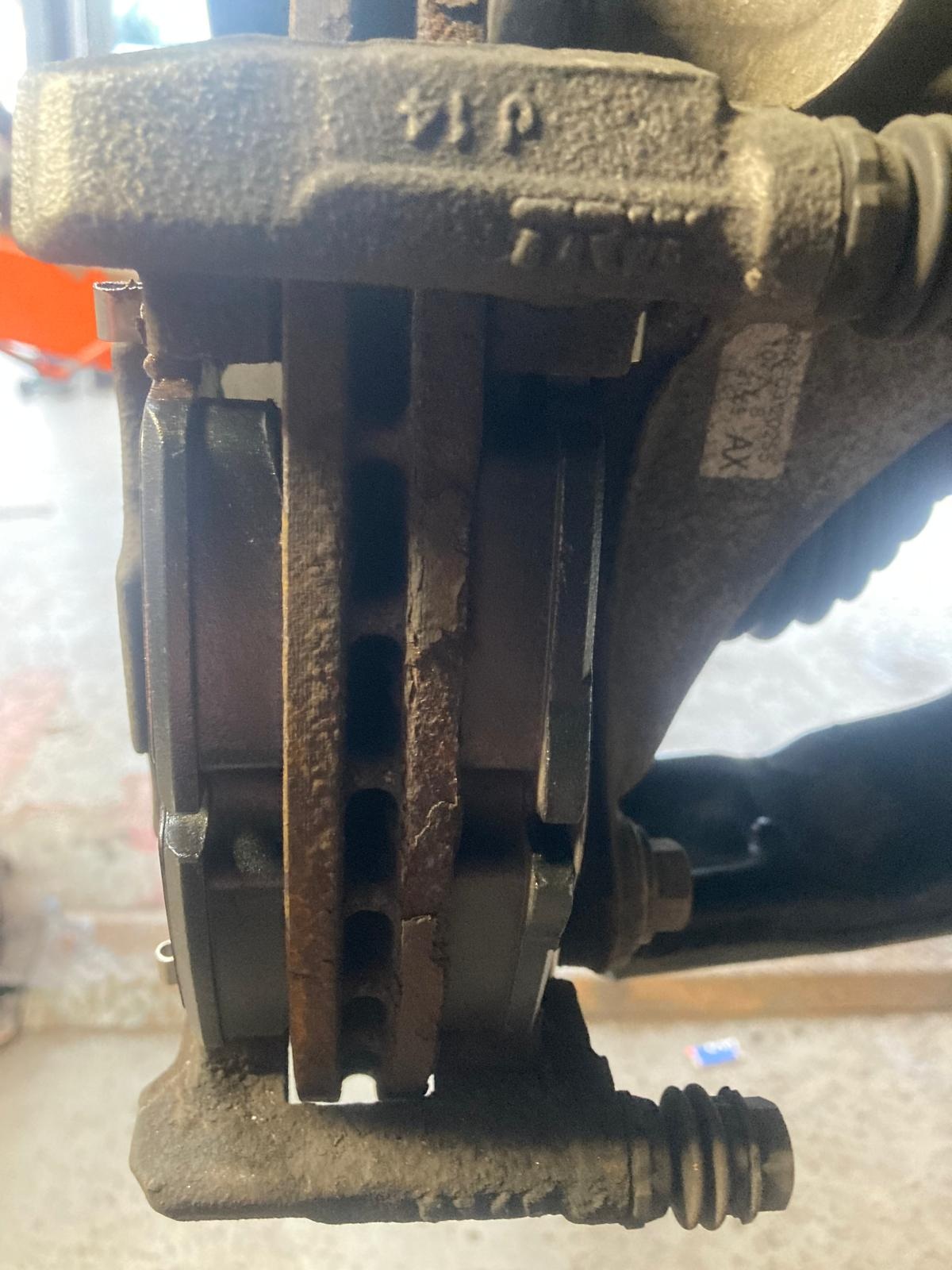
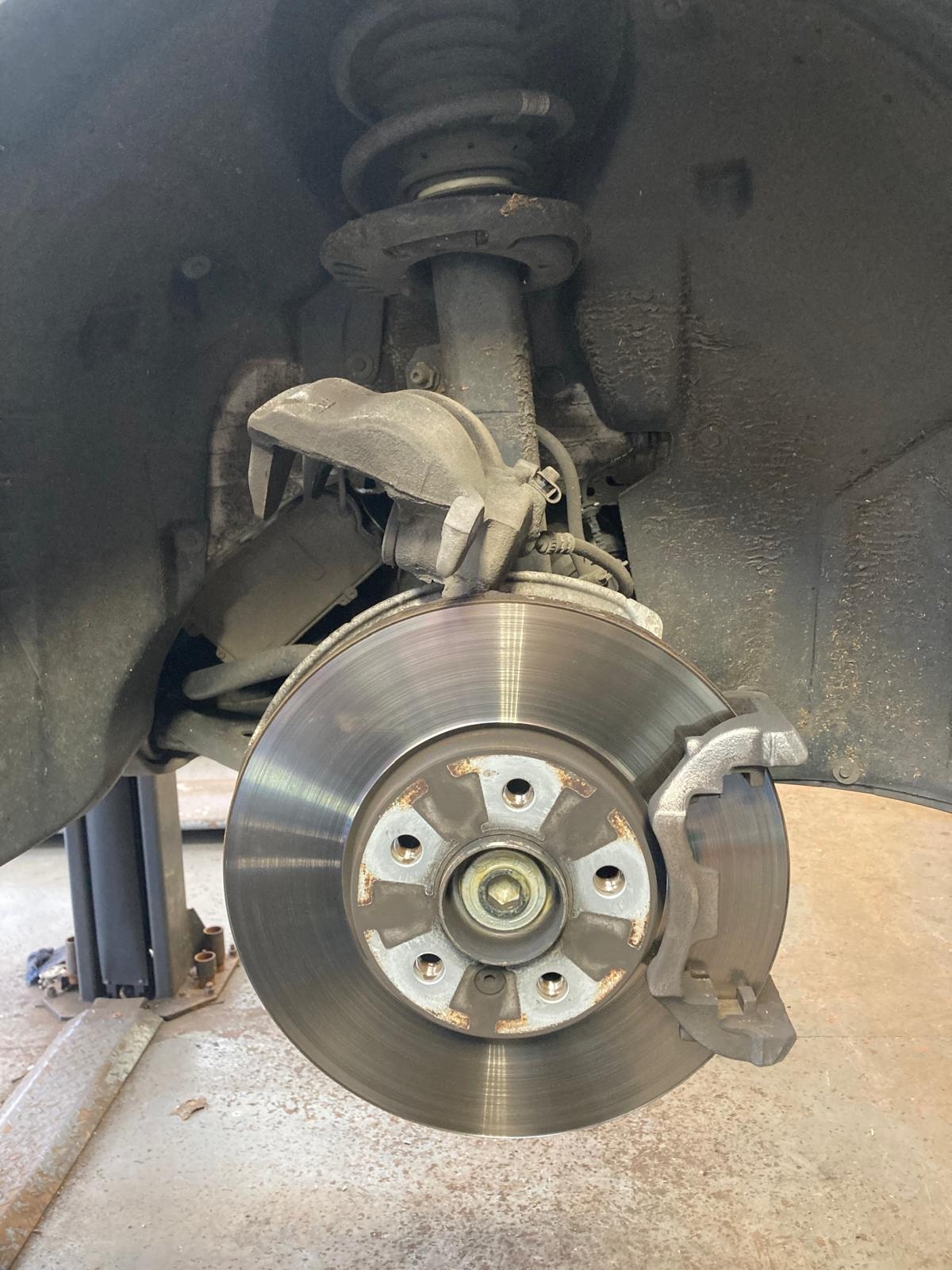
Once Alex had the car up on the ramp and the wheels removed, the cause became obvious straight away. The front brake discs were badly corroded, and the brake pads were worn unevenly. In short, the brakes were past their best and needed replacing to restore safe and quiet braking.

This is a problem we see regularly, especially on vehicles driven around Halifax and the wider Calderdale area, where road conditions and driving patterns play a big part in brake wear.


Why Do Brake Discs Corrode? Audi A3 for New Front Discs

Brake disc corrosion is extremely common in the UK, and it’s not always down to poor maintenance. Modern cars like the Audi A3 use cast iron brake discs, which naturally rust when exposed to moisture. Normally, light surface rust is cleaned off the discs the first time the brakes are applied.

However, problems arise when:

  • Cars are used mainly for short journeys
  • Vehicles are parked for long periods
  • Brakes don’t get hot enough to clean themselves
  • The car is driven gently most of the time
  • Winter road salt is present

In areas like Halifax, where the weather is often damp and cold, corrosion can build up quickly. Add in steep hills, stop-start traffic, and rough road surfaces, and brakes take a real hammering.

When corrosion builds up around the outer edges of the disc, it prevents the brake pads from making full contact. This leads to:

  • Grinding or scraping noises
  • Vibration through the brake pedal
  • Reduced braking performance
  • Uneven pad wear

That’s exactly what we found on this Audi A3.

Audi A3 for New Front Discs

A Brief History of the Audi A3 in the UK

The Audi A3 has been a popular sight on UK roads since it first arrived in the mid-1990s. It was Audi’s answer to the growing demand for premium hatchbacks, offering German build quality in a compact, practical package.

Over the years, the A3 has earned a reputation for:

  • Solid build quality
  • Comfortable interiors
  • Good handling
  • Strong resale values

It’s been especially popular with drivers who want something a bit more refined than a standard family hatchback but still practical for everyday use.

However, like all cars — premium or not — the A3 still relies on routine servicing, particularly when it comes to brakes. Being a heavier, well-insulated car, brake wear isn’t always obvious until noises start appearing.

Audi A3 for New Front Discs
one of the old discs

Calderdale Roads and Brake Wear: Audi A3 for New Front Discs

Anyone who drives regularly around Calderdale knows the challenges:

  • Steep hills
  • Tight bends
  • Sudden stops
  • Rough road surfaces
  • Potholes that appear overnight

All of this increases the workload on a car’s braking system. Add wet weather and winter grit into the mix, and corrosion becomes almost unavoidable if brakes aren’t checked regularly.

We often tell customers that brakes can look fine from the outside, but once the wheels are off, a very different picture emerges.

Audi A3 for New Front Discs
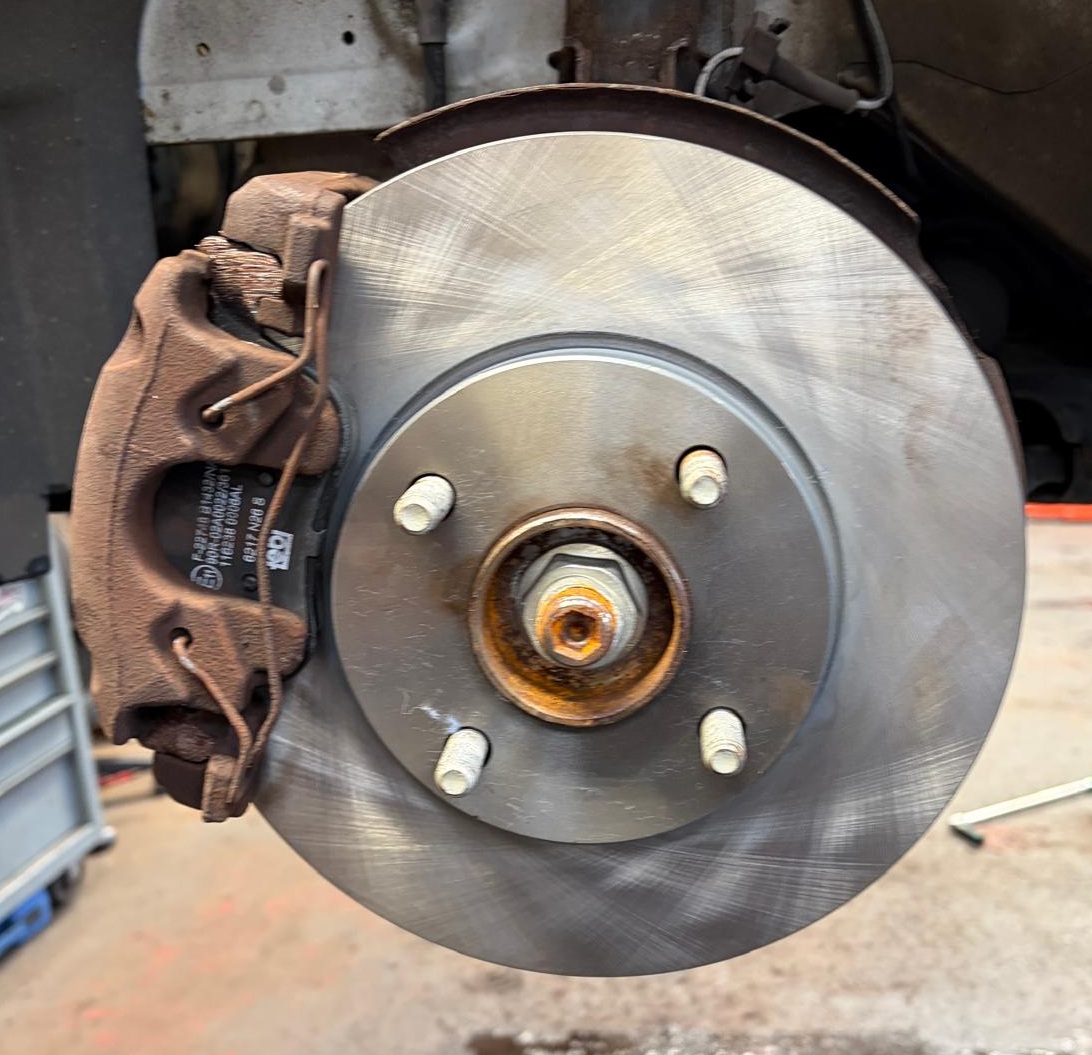
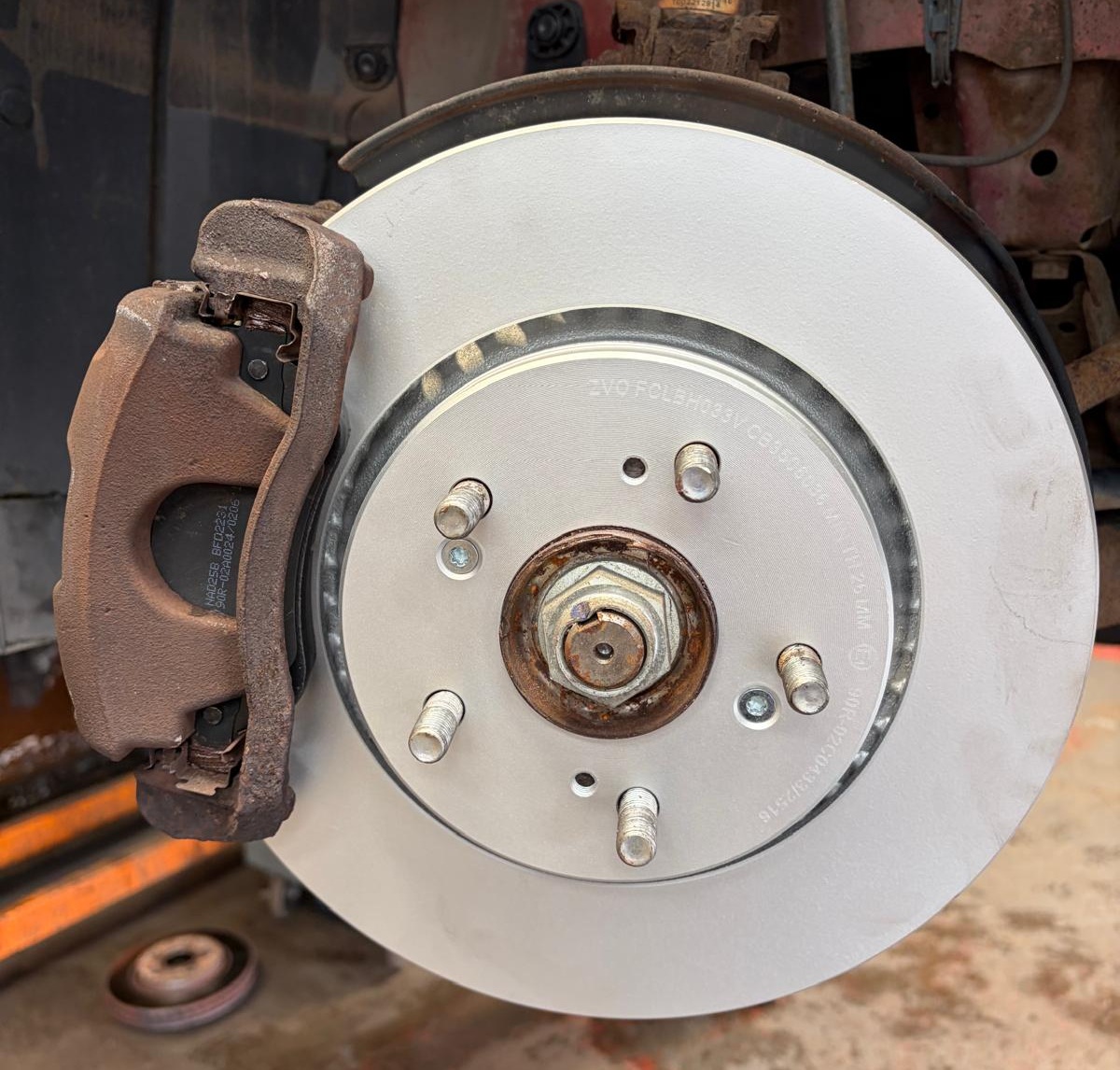
Nice new brake disc in place

The Importance of Regular Brake Servicing

In this case, replacing the front discs and pads together was the correct and safest solution. Fitting new pads to corroded discs is false economy and often leads to repeat problems within weeks.

Regular servicing allows us to:

  • Inspect brake discs properly
  • Check pad thickness evenly
  • Clean and lubricate brake components
  • Catch corrosion before it becomes serious
  • Prevent expensive repairs later on

A simple inspection at service time can often save customers money and keep their car quiet, safe, and reliable.


A Happy Ending: Audi A3 for New Front Discs

Once the new discs and pads were fitted, the Audi A3 was road tested and braking smoothly again — no noises, no vibration, and full braking performance restored. The customer left reassured, knowing the issue had been dealt with properly and safely.

That’s what we aim for every time here at Pellon Tyres — honest advice, proper repairs, and peace of mind for drivers across Halifax and Calderdale.

VW Up with Seized brakes

VW Up with Seized brakes

VW Up with Seized brakes

VW Up with Seized brakes


VW up! Rear Brake Problems – A Common Cause of Poor Braking and Noises

The other day at Pellon Tyres in Halifax, we had a VW up! brought in by a worried driver. The car just didn’t feel right. There were odd noises coming from the rear when braking, and the overall performance felt sluggish and unpredictable.

Like many motorists around Calderdale, the customer was concerned it might turn into a big repair bill – and with Christmas just around the corner, that’s the last thing anyone wants.

Thankfully, after a proper inspection by Ethan, the issue turned out to be something we see quite regularly on smaller cars, especially ones used for local driving.


What Was the Problem? VW Up with Seized brakes

Once the wheels were off and the rear brakes inspected, the fault became clear straight away.

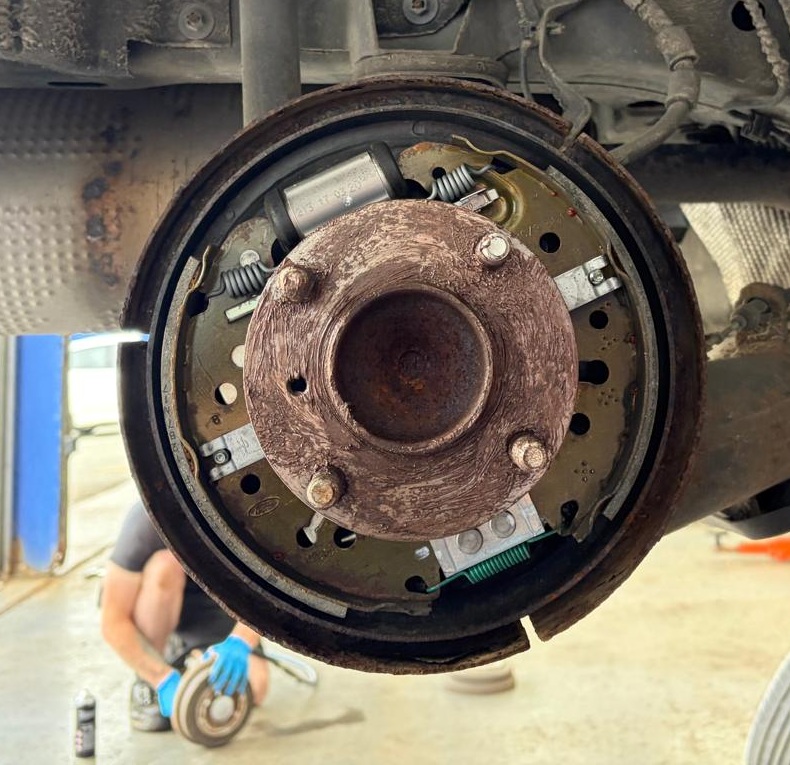
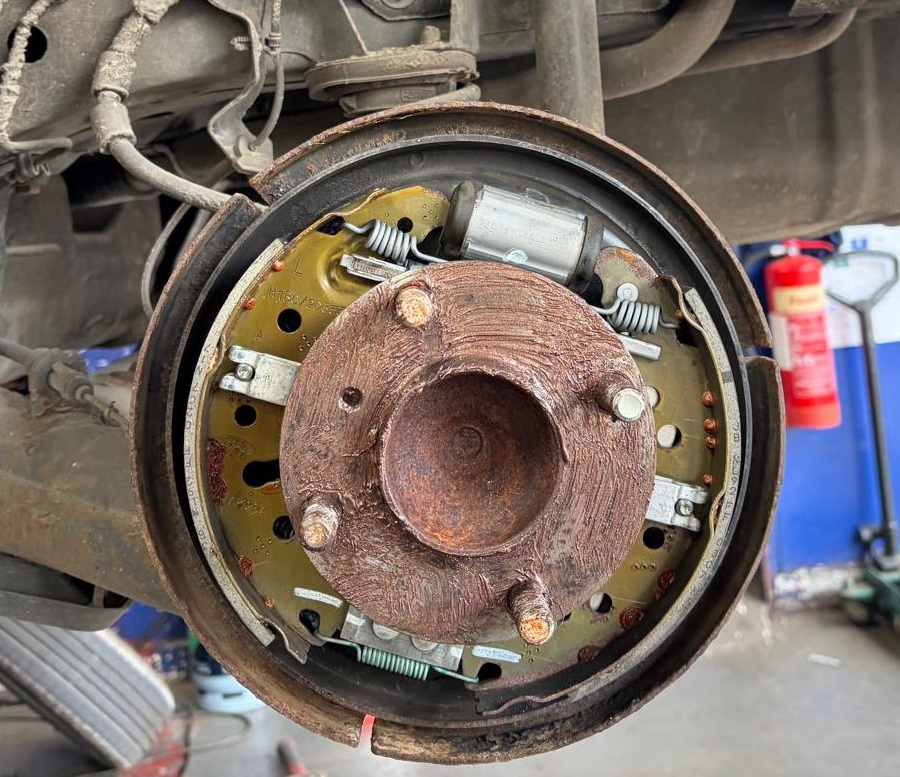
The rear brake shoes were completely seized.

On the VW up!, the rear brakes use drum brakes rather than discs. Inside the drum is a set of brake shoes, springs, adjusters and handbrake mechanisms. Over time, especially in areas like Halifax where we get plenty of rain, road salt, and hills, these components can:

  • Corrode
  • Dry out
  • Stick in place
  • Seize completely

In this case, the shoes weren’t releasing properly after braking. That causes:

  • Noises from the rear
  • Poor braking performance
  • Dragging brakes
  • Reduced fuel economy
  • A car that just doesn’t feel right to drive

Left untreated, seized rear shoes can also lead to overheating and even brake failure.

VW Up with Seized brakes

Why Rear Brakes Seize Up on Cars Like the VW up!

Small city cars like the VW up! are often used for:

  • Short journeys
  • School runs
  • Shopping trips
  • Local commuting around town

That means the rear brakes don’t always get worked as hard as the fronts. Add in Calderdale’s damp climate and winter road salt, and the rear brake mechanisms can quietly seize up without the driver realising.

We see this a lot on cars that:

  • Sit unused for a few days
  • Are driven gently most of the time
  • Haven’t had the rear brakes stripped and serviced for a while
VW Up with Seized brakes

The Repair – No Massive Bill, Just Proper Garage Work

Rather than replacing everything unnecessarily, Ethan did what good garages should always do first.

We:

  • Stripped down the rear brake assemblies
  • Removed all the shoes and hardware
  • Cleaned everything thoroughly
  • Freed off the seized adjusters and handbrake mechanism
  • Lubricated the correct contact points using special high-temperature brake grease
  • Reassembled and adjusted the brakes properly

Once rebuilt, everything moved freely again.

Eureka!
The brakes were back to normal, the noises had gone, and the car drove exactly as it should.

Best of all, the customer avoided a large repair bill – something we know is hugely appreciated, especially in the run-up to Christmas.


A Bit of History – The VW up! in the UK: VW Up with Seized brakes

The Volkswagen up! was introduced to the UK in 2012 as a compact, economical city car. It quickly became popular with:

  • First-time drivers
  • Older motorists
  • People needing a reliable second car
  • Drivers doing lots of town driving

Its strengths include:

  • Low running costs
  • Good fuel economy
  • Simple, reliable engineering
  • Surprisingly solid build quality for a small car

However, like all cars, the up! still needs proper maintenance – and brakes are a big part of that.

VW Up with Seized brakes

Why Regular Brake Checks Matter in Halifax & Calderdale

Driving around Halifax and the surrounding Calderdale area puts extra strain on brakes:

  • Steep hills
  • Stop-start traffic
  • Wet roads
  • Cold winter weather
  • Gritted roads

Rear brakes in particular can quietly deteriorate because drivers don’t always feel the problem straight away.

That’s why we always recommend:

  • Regular brake inspections
  • Servicing rear brakes, not just replacing pads
  • Checking handbrake operation
  • Sorting small issues before they become big ones

A Happy Customer – The Best Result: VW Up with Seized brakes

After the repair, the customer left knowing:

  • The problem had been properly diagnosed
  • The brakes were safe and working correctly
  • There was no massive bill
  • The car was ready for winter driving

That’s what we aim for at Pellon Tyres – honest advice, sensible repairs, and keeping people safely on the road without spending money they don’t need to.


VW Up! Rear Brake Problems in Halifax – A Common Issue with a Happy Ending

Just before Christmas, we had a driver bring in their VW Up! to us here at Pellon Tyres & Autocentre in Halifax. The owner was worried the car wasn’t performing as it should and had started making worrying noises from the rear when braking. It’s the sort of thing that instantly sets alarm bells ringing, especially at this time of year when nobody wants an unexpected repair bill.

The VW Up! is a popular little car around Halifax and Calderdale. It’s compact, economical, easy to park on tight streets, and ideal for town driving. You see plenty of them pottering about locally, from Sowerby Bridge to Illingworth, often used as a daily runabout or first car. Because they’re generally very reliable, unusual noises tend to worry owners more than usual.

First Checks in the Workshop

One of our technicians, Ethan, got the VW Up! straight onto the ramp to have a proper look. The customer explained that the noise seemed to come from the back of the car, especially when braking, and that the car didn’t feel quite right.

Rear brake noises are something we see fairly often, particularly on cars that use rear drum brakes, like the VW Up!. These systems are robust and long-lasting, but they do have one weakness – they don’t always get enough use to keep everything moving freely.

Once the rear wheels and drums were removed, the problem became clear straight away.

Rear Brake Shoes Completely Seized

Both rear brake shoes and the operating mechanism were completely seized. This meant the brakes weren’t releasing properly, causing drag, noise, and poor performance. In some cases, this can even lead to overheating or uneven braking if left unchecked.

This kind of fault doesn’t usually happen overnight. It builds up gradually due to a combination of:

  • Moisture getting inside the brake drums
  • Road salt (especially in Calderdale winters)
  • Light usage of the rear brakes
  • The handbrake mechanism sticking over time

Many VW Up! cars are driven gently around town, and the rear brakes don’t always get a proper workout. Over time, the internal components dry out, corrode slightly, and eventually seize.

The Good News – No Massive Bill: VW Up with Seized brakes

Here’s where the relief kicked in for the customer.

Instead of needing brand new brake shoes, wheel cylinders, or a full rebuild, Ethan was able to strip everything down, clean all the components thoroughly, and free off the seized parts. The mechanism was carefully cleaned and then lubricated using special high-temperature brake grease, designed specifically for brake systems.

Once everything was rebuilt and adjusted correctly, the brakes were tested and worked exactly as they should.

Eureka! The noise had gone, the brakes were operating smoothly, and the handbrake felt right again.

Best of all, the customer avoided a big repair bill just before Christmas – something we know makes a huge difference at this time of year.

A Bit of History – The VW Up! in the UK

The VW Up! was introduced to the UK in 2012 as Volkswagen’s answer to small city cars. Built to be simple, economical, and practical, it quickly became popular with first-time drivers, older motorists, and families needing a second car.

In areas like Halifax and Calderdale, where roads can be narrow, hilly, and busy, the Up! fits in perfectly. It’s easy to drive, cheap to run, and generally very dependable – provided it’s looked after properly.

However, like many modern small cars, rear drum brakes can suffer from lack of movement, especially if the car does short journeys or sits unused for periods.

Why Regular Brake Checks Matter: VW Up with Seized brakes

This job is a perfect example of why regular brake inspections are so important. A seized rear brake doesn’t always show obvious symptoms straight away. Often it’s a slight noise, reduced performance, or increased fuel consumption.

Catching the problem early meant we could fix it properly and affordably.

Here at Pellon Tyres & Autocentre, we always try to repair rather than replace where it’s safe to do so. It saves our customers money and keeps perfectly good parts in use.

A Happy Customer on the Road Again: VW Up with Seized brakes

The customer left happy, relieved, and confident that their VW Up! was back to normal. No scary warning lights, no grinding noises, and no massive bill – just a well-sorted car ready for winter driving around Calderdale.

If your car is making unusual noises, especially when braking, it’s always worth getting it checked sooner rather than later. Often, like this one, the solution is simpler than you might think.

Peugeot 207 with Brakes Problem

Peugeot 207 with Brakes Problem

Peugeot 207 with Brakes Problem

Peugeot 207 with Brakes Problem


Peugeot 207 Brake Warning Light – When an ABS Fault Is the Real Problem

Yesterday here at Pellon Tyres & Autocentre in Halifax, we had a Peugeot 207 brought in with a brake warning light glowing on the dashboard. The driver was understandably concerned — and quite right too — because when a brake warning light comes on, it’s never something to ignore.

After a full inspection, it turned out the car had developed a fault with the ABS unit on one side of the braking system, a problem we see fairly regularly on Peugeot 207s here in the UK.

This article explains what that warning light really means, what can cause ABS faults, why Peugeot 207s are prone to it, and what drivers around Halifax and Calderdale should look out for.

Peugeot 207 with Brakes Problem

Understanding the Brake Warning Lights in a Peugeot 207

Modern cars like the Peugeot 207 don’t just have one brake warning light — they have several, and each means something slightly different.

In the Peugeot 207 cabin you’ll usually see:

  • A red brake warning light
  • An amber ABS warning light
  • Sometimes both lights together

Each tells a different story.

Red Brake Warning Light

This usually relates to:

  • Low brake fluid
  • Worn brake pads
  • A serious braking system fault

If this light stays on while driving, the car needs checking immediately.

Amber ABS Warning Light

This points directly to the Anti-lock Braking System.
When this light comes on:

  • Normal braking still works
  • ABS assistance is disabled
  • Emergency braking and wet-road safety are reduced

This is exactly what we found on the Peugeot 207 that came into the workshop.

Peugeot 207 with Brakes Problem
new unit in place

What Is the ABS System, and Why Does It Matter?

ABS (Anti-lock Braking System) prevents the wheels from locking under heavy braking. Instead of skidding, the wheels continue to rotate, allowing the driver to steer while braking.

This is especially important in:

  • Heavy Calderdale rain
  • Steep Halifax hills
  • Slippery winter roads
  • Emergency stop situations

Without ABS:

  • Wheels can lock
  • Steering control is reduced
  • Stopping distances can increase

The Peugeot 207 ABS Problem – What We Found

On this particular Peugeot 207, diagnostic testing showed a fault within the ABS unit on one side of the braking system.

Common causes include:

  • Internal ABS pump failure
  • Failed solenoid valves
  • Corrosion inside the ABS module
  • Electrical failure within the unit

Unfortunately, these units can’t usually be repaired once they fail internally and often require replacement.

Peugeot 207 with Brakes Problem
Old unit to show customer

Why ABS Units Fail on Peugeot 207s: Peugeot 207 with Brakes Problem

We see this problem more often than people realise, especially on UK-used Peugeot 207s.

1. Age and Mileage

Many 207s are now:

  • 12–18 years old
  • Well past 100,000 miles

ABS components simply wear out over time.

2. Moisture and Road Salt

Here in Halifax and Calderdale, cars are exposed to:

  • Constant rain
  • Winter road salt
  • Damp conditions year-round

Moisture can seep into ABS units and connectors, causing corrosion and electrical faults.

3. Wheel Speed Sensor Issues

Sometimes the fault starts with:

  • A failed wheel speed sensor
  • Broken wiring near the hub
  • Corroded sensor rings

If ignored, this can overload and damage the ABS unit itself.

4. Battery or Charging Problems

Low voltage can confuse ABS modules. A weak battery or alternator issue can trigger faults that eventually become permanent.

Peugeot 207 with Brakes Problem
New boxed unit ready to be fitted

What the Driver Might Notice: Peugeot 207 with Brakes Problem

When ABS faults appear on a Peugeot 207, drivers often report:

  • Brake warning lights staying on
  • ABS light appearing after starting the car
  • Warning lights coming and going
  • ABS activating unexpectedly
  • MOT failure due to warning lights

In this case, the car would not pass an MOT with the ABS warning light illuminated.


Is the Car Safe to Drive?

This is a question we’re asked all the time.

The honest answer is:

In everyday gentle driving, the car may feel normal.
In an emergency stop — especially on wet Halifax roads — braking performance is reduced.

For us at Pellon Tyres, brakes are not something we gamble with.


Repair Options – What Can Be Done? Peugeot 207 with Brakes Problem

For this Peugeot 207, the correct fix was:

  • Replacing the faulty ABS unit
  • Re-bleeding the braking system
  • Clearing fault codes
  • Road-testing to confirm proper operation

In some cases:

  • Used or reconditioned ABS units can reduce costs
  • Sensors or wiring may be repairable if caught early

Every car is assessed individually to keep costs sensible.


Local Advice for Halifax & Calderdale Drivers

We understand that cars are essential around here. Steep hills, narrow roads, and poor weather mean braking systems work harder than average.

If you see:

  • Brake warning lights
  • ABS lights
  • “Brake Fault” messages

Don’t leave it. Early diagnosis often saves money.

At Pellon Tyres & Autocentre, we deal with these faults daily and always explain the problem plainly and honestly — no scare tactics, no pressure.


Final Thoughts: Peugeot 207 with Brakes Problem

The Peugeot 207 is a popular, practical car in the UK, but like all vehicles, it has known weaknesses as it ages. ABS faults are one of them.

Brake warning lights are the car’s way of asking for help — and listening early can make all the difference.

If you’re unsure, we’re always happy to take a look.

Audi A1 for new Brake Discs

Audi A1 for new Brake Discs

Audi A1 for new Brake Discs

Audi A1 for new Brake Discs


Grinding Brakes on an Audi A1 – What’s Causing the Noise?

Yesterday at Pellon Tyre & Autocentre in Halifax, we were presented with an Audi A1 whose owner was worried about a nasty grinding noise every time the brakes were applied. It’s a sound that makes most drivers wince, and for good reason.

A quick inspection soon showed the cause – the car needed new brake discs all round, along with a full set of brake pads. Sadly, this is something we see quite often, not just on Audi A1s but on many modern cars driven around Calderdale’s hills, traffic lights, and stop-start town driving.

So let’s look at why brakes grind, what it means for your car, and a bit of background on the Audi A1 here in the UK.

Audi A1 for new Brake Discs

Why Do Brakes Make a Grinding Noise?

A grinding noise when braking is never something to ignore. Around Halifax, with steep hills like Pellon Lane, Boothtown Road, and the run down into the town centre, brakes work hard – and problems show themselves quickly.

1. Worn Brake Pads

The most common cause is brake pads worn right down. Once the friction material is gone, you’re left with metal scraping on metal. That grinding sound is your brake pad backing plate eating into the disc.

At this stage:

  • Braking performance is reduced
  • Discs get damaged very quickly
  • Repair costs rise sharply

What could have been pads only often turns into pads and discs.

Audi A1 for new Brake Discs
old worn out disc

2. Discs Worn or Corroded

In Calderdale, cars often sit overnight in damp air, especially near the River Calder. This leads to surface rust on brake discs.

Short journeys around Halifax, Sowerby Bridge or Illingworth mean:

  • Brakes don’t get hot enough to clean themselves
  • Rust builds up
  • Discs wear unevenly

Once discs are badly worn or lipped, they’ll grind even with new pads fitted.

Audi A1 for new Brake Discs

3. Cheap or Incorrect Brake Parts

Some budget pads are:

  • Too hard
  • Poorly matched to the disc material

This can cause grinding, squealing, or vibration. At Pellon, we always fit quality, correctly specified parts, because cheap brakes are false economy.

Audi A1 for new Brake Discs
new disc fitted

4. Seized Brake Components: Audi A1 for new Brake Discs

Salted winter roads around Halifax don’t help. Brake callipers and sliders can seize, causing:

  • Pads to stay in contact with the disc
  • Overheating
  • Premature wear and grinding noises

Regular brake servicing helps prevent this.


5. Ignoring Early Warning Signs: Audi A1 for new Brake Discs

Most cars give you plenty of notice:

  • Squealing
  • Slight vibration
  • Pulling to one side

Sadly, many drivers wait until the noise becomes a full-on grind – by then, damage is already done.


A Bit of History – The Audi A1 in the UK

The Audi A1 first arrived in the UK around 2010, aimed at drivers wanting Audi quality in a small, stylish package. It was Audi’s answer to cars like the MINI and VW Polo, but with that familiar German premium feel.

Over the years, the A1 has been popular with:

  • Younger drivers
  • Town and city commuters
  • Drivers wanting something compact but well built

Here in Halifax and Calderdale, they’re ideal for:

  • Narrow streets
  • Busy town centres
  • Tight parking spots

But like all modern cars, they rely heavily on well-maintained braking systems, especially with hill starts, traffic queues, and roundabouts being part of daily life around here.


Why Regular Brake Checks Matter in Calderdale: Audi A1 for new Brake Discs

Local driving conditions really do take their toll:

  • Hills increase brake wear
  • Short journeys encourage corrosion
  • Wet weather speeds up rust

We recommend having your brakes checked:

  • At least once a year
  • Or whenever you hear a new noise

A quick inspection can save a lot of money – and a lot of worry.

You can find out more about our brake services here:
👉 https://www.pellontyres.co.uk

Discovery for Discs and Pads

Discovery for Discs and Pads

Discovery for Discs and Pads

Discovery for Discs and Pads

Land Rover Discovery Brake Repair at Halifax’s Pellon Tyres

A Land Rover Discovery with a somewhat concerning issue—poor braking performance—pulled up at Pellon Tyres here in Halifax earlier this week. Particularly when travelling downhill on the Yorkshire roads—which, let’s face it, can be a little nerve-racking even in the best of circumstances—the client had noted that the brakes were spongy and just weren’t biting as they used to.

It didn’t take long to determine what was wrong after we had the Discovery up on the ramp for a thorough inspection. The brake pads were worn down to the metal in several places, and the brake discs were severely worn. Particularly in the Pennine hills surrounding Halifax and beyond, a large, hefty 4×4 like the Discovery requires a good amount of stopping force, so this is not what you want.

Before returning the vehicle, we tested the system thoroughly and installed new brake discs and pads that were of high quality and matched the vehicle’s weight and dimensions. There was a huge difference. The braking felt responsive, solid, and just right. The client departed satisfied, certain that his reliable disco was once again prepared for action.

Discovery for Discs and Pads

A Little History of Discovery- Discovery for Discs and Pads

In West Yorkshire, as well as throughout the United Kingdom, the Land Rover Discovery has long been a popular vehicle. The Discovery was Land Rover’s response to families and drivers who want the off-road capability of a Defender but with greater comfort and spaciousness. It was first introduced in 1989, which also happened to be the year I moved into a portion of the Pellon garage.

From the boxy and tough early models to the sleeker, more technologically advanced forms we see today, it has undergone multiple changes throughout the years. The Disco has always been capable of handling any situation, whether it is navigating muddy fields, navigating winding country roads, or simply running the school run during the winter.

We see a good number of them at the garage, both newer ones for tyres, MOTs, and services, as well as older ones that require some TLC. They are generally reliable cars, but just like any other car, they require maintenance, particularly when it comes to something as important as the brakes.

Discovery for Discs and Pads

The Reasons Behind Brake Disc Wear Out? Discovery for Discs and Pads

We refer to brake discs and pads as “consumables” because they deteriorate over time, and the rate at which this occurs is determined by several factors:

1. Driving Style – Your brakes will be severely abused if you often stop-start your car, particularly in mountainous areas like Halifax. They deteriorate more quickly under heavy braking.

2. The vehicle’s weight  Because of its size, the Discovery’s weight increases the strain on the brakes, particularly when it is fully loaded or being towed.

3. Conditions of the Road We get a lot of grit and muck in the winter, wet roads, and steep hills while we live in Calderdale. Brake parts suffer from all of that.

4. Inexpensive or Low-Grade Components – Because less expensive discs and pads can wear out more quickly and produce issues like brake fade, screeching, or vibration when braking, we only ever use respectable, well-known brands.

5. Lack of Servicing – Frequent inspections during a MOT or service help identify wear early, before the pads deteriorate and damage the discs, which makes the repair more expensive.

Discovery for Discs and Pads
Last Word – Discovery for Discs and Pads

Given how crucial safe, dependable brakes are for a car like this, it was fantastic to have this Discovery fixed and back on the road. We enjoy working on Land Rovers since they are authentic British vehicles with lots of personality (and maybe a few eccentricities, if you see what I mean!).

Don’t wait around if your brakes feel a little strange, such as a mushy pedal, a grinding sound, or pulling to one side. Please feel free to visit us, and we’ll be happy to take a look. Given the hills and twisting roads in this area, it’s advisable to exercise caution.

Thank you for reading, and keep in mind that the staff at Pellon Tyres in Halifax is always there to help keep you safe and sound while driving, whether you have a Discovery or a small city car.


Cabin filters Not Changed

Cabin filters Not Changed

Cabin filters Not Changed

Cabin filters Not Changed

Taking a Deep Breath: The Advantages of Regularly Changing and Servicing the Air Cabin Filter in Your Vehicle

The air cabin filter in your vehicle is an essential component in the process of preserving the integrity of the air inside the vehicle. Altering and maintaining this filter on a regular basis brings a number of benefits, not only to your health but also to the functioning of your vehicle.

Improved Air Quality

The air cabin filter’s primary job is to remove pollutants, allergens, and other potentially hazardous particles from the air that is drawn into your vehicle. This results in improved air quality. Changing this filter on a consistent basis helps to maintain the air quality inside your vehicle, which contributes to the driver’s and passengers’ comfort as well as their overall health. To put it simply, it functions as the initial line of defence for your vehicle against airborne pollutants.

Reduction of Unpleasant Odors:

An air cabin filter that is kept clean can also help with the reduction of unpleasant odours inside your vehicle. The filter eliminates contaminants that can lead to unpleasant odours, ensuring that your cabin maintains its pleasant aroma. Therefore, if you want your car to smell better, all it takes is a moment to switch out the air filter.

Improved Performance of Your Heating, Cabin filters Not Changed

Ventilation and Air Conditioning (HVAC) System A clogged air cabin filter can have a negative impact on the performance of your heating, ventilation, and air conditioning (HVAC) system. It can reduce the amount of airflow, making your air conditioner work harder, lowering its efficiency, and increasing the risk of needing expensive repairs. Altering the filters in the HVAC system at regular intervals ensures its continued efficiency.

Defogging Effectiveness: Keeping your car’s air cabin filter clean and in good working order can help the windscreen of your vehicle defog more quickly. Because the moisture level in your vehicle is better managed thanks to the filter, your windows and windscreen will defog more quickly, which is an important factor in maintaining safe driving conditions in certain weather conditions.

Believe it or not, the fuel efficiency of your vehicle can actually be improved by maintaining a clean air cabin filter and having it inspected regularly. When your heating, ventilation, and air conditioning systems are running smoothly, it puts less strain on your vehicle’s engine, which in turn can lead to better gas mileage.

Money Savings:

Performing routine maintenance on your filters can help you avoid more expensive problems in the future. A clogged filter can result in expensive repairs for a heating, ventilation, and air conditioning (HVAC) system that is failing. Changing the filter in the air cabin is a relatively minor expense in comparison.

Lengthened Lifespan of the HVAC System Changing the filter in your car’s HVAC system on a regular basis can lengthen its lifespan. By putting less stress on the system, you are helping to extend its overall lifespan, which will save you money in the long run by preventing the need for premature replacement.

In conclusion, the significance of regularly servicing and replacing the air cabin filter in your vehicle cannot be overemphasised enough. This straightforward preventative maintenance task boosts the quality of the air, improves the performance of the vehicle, and may even end up saving you money in the long run. Any person who owns a car could stand to benefit significantly from performing this simple task.

Cabin filters Not Changed

Keep in mind that the air cabin filter in your vehicle is more than just a part of the vehicle; it plays an essential role in both the quality of your driving experience and the overall health of your vehicle. With a properly maintained air cabin filter, you can not only breathe easier but also drive more comfortably.

So, this image tells a story. This is a cabin filter that should be changed on most models of cars. Of course, they have not changed!

Cabin filters are very important. Importantly, they filter out all sorts of nasties from entering your car’s cabin. Demons like pollen and other invisible irritants make many people feel really ill! Hay fever is the enemy that comes to mind.

However, there are many other little monsters that can get into the car cabin area. Dust particles from all sorts of pollutants enter the cabin when the filter is removed or not changed when required.

Should it be changed at the correct servicing interval? Cabin filters Not Changed

So, these filters are part of most vehicles big service. However, they are often overlooked and not changed by many service centres. Here at the independent garage, Pellon Autocentre, we save the old service parts and physically show our customers the dirty parts. In my opinion, this is the best practise. including the old air filters and oil filters.

Corteco has highlighted the importance of regular cabin filter replacement. Cabin air filters work to block out pollutants and irritants emitted by other vehicles on the road. Throughout the colder months, filters work to demist the windows, what happens if there is no cabin air filter, Never change cabin air filter. Cabin filters Not Changed.

Source: Cabin filters are too often forgotten, Corteco says – Garagewire

Winter Car Check: Winter conditions will soon be upon us.

Winter Car Check

Winter Car Check
Winter Car Check

Winter Car Check

As winter approaches and the weather becomes as unpredictable as a coin flip, it’s critical that we Brits give our automobiles a thorough once-over. Winter in the United Kingdom, particularly in locations like Halifax, can be a bit of a drama queen—one day it’s all sunshine and rainbows, and the next it’s like something out of “The Chronicles of Narnia.” That’s why a winter vehicle inspection isn’t just a nice idea; it’s critical for keeping you and your family safe.

Let’s break it down now, shall we? Winter Car Check

Here are the most important things to look for when winterizing your car:

Batteries and electrics: Car batteries can suffer over the winter. You don’t want to be stuck at Sowerby Bridge with a car that won’t start. Check that your battery is in good condition and that all electrical systems are functioning properly.

This is the lifeblood of your vehicle’s cooling system. It not only stops your engine from freezing, but it also keeps it from overheating and protects against corrosion.

Tyres:

Your car’s tyres are its shoes. Would you walk around in flip-flops in the snow? Exactly. Check the tread depth and make sure the tyres are appropriately inflated to withstand the Calderdale roads.


Winter Car Check
Winter Car Check

Lights:

As the days grow shorter and foggier, good lighting becomes increasingly important. Examine all of your lights, from the headlights to the brake lights. You must see and be seen, especially when navigating the misty Halifax hills.

Windscreens and wipers:

A clean view is essential. Check that your windscreen is clear of cracks and that your wipers are in good working order to manage the increased rain and snow.

When it comes to safety, your car’s best friend is its brakes. Check them to ensure they are responsive and in good working order.


Winter Car Check
Winter Car Check

Emergency Kit:

This is more than a precaution; it is a requirement. Pack items such as a blanket, torch, first-aid kit, and snacks. You never know when you’ll need them.

While you may perform some of these tests at home, nothing beats a professional inspection.

That’s where Halifax’s Pellon Autocentre comes in. These people know vehicles like the back of their hands and are well-versed in the local weather’s penchant for throwing curveballs.

Pellon will provide your car with the winter maintenance it needs. They can check your antifreeze strength, make sure your battery is ready for the cold mornings, and even check your winter tyres, which are crucial on those icy Halifax roads.


Winter Car Check
Winter Car Check

But why is this so significant, you may ask? Winter Car Check

It’s all about peace of mind, after all. When driving through the moors or navigating the congested streets of Halifax town centre, knowing your car is winter-ready takes one concern off your plate. It’s not just about avoiding breakdowns; it’s about keeping you and your family safe, no matter what the British weather has in store for you.

In essence, a winter check is similar to a winter coat for your car:

it’s important, protective, and, in certain situations, lifesaving. So, before the weather turns “Game of Thrones” on us, stop by Pellon Autocentre or your local garage. Let us work together to keep our cars operating smoothly, our roads safe, and our winter rides as cosy as a Halifax pub on a cold evening. Keep warm and safe, and keep those wheels going!

Car Brakes Problem

car brakes problem

car brakes problem
car brakes problem

car brakes problem

Regular servicing will ensure that your car will have a minimal car brakes Problem. However, things can go wrong in between services. Mainly due to the weather conditions or dirt and grit from the roads.

In my opinion, though, the main reason for any car brakes Problem is neglect?

The Importance of Performing Routine Brake Inspections at Regular Intervals:

A Local Perspective from Halifax

Having the privilege of being the proprietor of a garage business right here in Halifax, United Kingdom, I am well aware of how essential it is to maintain your vehicle in pristine condition. The routine inspections and maintenance of your brakes are something that I would like to discuss with you today.

Although it is something that is sometimes disregarded, it is of the utmost importance for your safety while you are driving on the roads. Take a seat, pour yourself a cup of coffee, and join me as we discuss the significance of having your brakes checked on a regular basis, with a touch of regional flavour and a tribute to Pellon Tyres.

car brakes problem
car brakes problem

The Extensive Automobile History of Halifax


In the past many decades, Halifax has had a long and illustrious history of automobiles. From the gorgeous journeys through the breathtaking countryside of Yorkshire to the bustling streets of our town, our automobiles play a crucial role in our day-to-day lives. In addition, there is no place for negotiation when it comes to the safety of commercial vehicles.

The Importance of Brakes: car brakes problem


Your brakes are, without a doubt, the most important safety feature that your vehicle possesses. In the event of an emergency, they will assist you in coming to a halt, preventing crashes, and ensuring your safety for the entirety of your voyage. Just picture yourself driving along Halifax Road or on your way to Pellon Tyres to get your tyres replaced when all of a sudden you find yourself in need of braking, but your brakes fail you. It’s a situation that every single one of us works hard to avoid.

Regular brake inspections can save lives.


In light of this, why should you get your brakes tested on a regular basis? Basically, you can think of it as a checkup for the health of your vehicle. In the same way that we go to the doctor to learn about potential health concerns at an early stage, doing routine brake inspections can help discover and treat faults before they become life-threatening circumstances.

There are a number of local garages in Halifax, including Pellon Tyres, that provide professional brake inspection services. Among these tests are examinations of the brake pads, brake discs, levels of brake fluid, and the overall performance of the brake system. By identifying problems early, it is possible to avoid accidents and costly repairs in the future.

car brakes problem
car brakes problem

The Local Touch: The Particular Obstacles Facing Halifax: car brakes problem


The one-of-a-kind topography and local conditions of Halifax add an additional layer of significance to the requirement for brake maintenance. Your brakes may experience additional strain as a result of our mountainous terrain, small winding roads, and constantly shifting weather conditions. If you perform routine inspections, you can be certain that your brakes are capable of safely navigating the curving roads that are found in our really stunning town.

Have a safe and secure stay.


In conclusion, the significance of getting your brakes tested on a regular basis cannot be overemphasised by any means. It is not enough to just maintain the condition of your vehicle; you must also preserve not only your own life but also the lives of people who are travelling with you on the road. Make sure a knowledgeable local business, such as Pellon Tyres, takes care of your brake inspection and maintenance needs.

Keep in mind that your safety should always come first, regardless of whether you are driving through the historic streets of Halifax or making a pit stop at Pellon Tyres. Therefore, make sure that you schedule your brake check as soon as possible so that you can make sure that your travels are not only fun but also safe.

By neglect, I simply mean that drivers miss servicing their cars.

  • Things to spot if you are having  Brake Problems are as follows:. The one that we often spot before the customer does is a soft or spongy brake pedal. We often notice this problem. When we are driving the car on the ramp,. On some cars, the pedal almost touches the floor pan.
  • The usual cause of this is that the car has a fluid leak. Coming from either a brake pipe or brake cylinder. In occasional instances, we find that water could have formed in the pipes. This is  due to the fluid overheating, and the resulting evaporation turns into water.
  • Other common Car Brakes Problems can start with a squealing sound coming from the car when braking occurs. This is when the brake pads are worn down to the metal backing, and the sound is created with the metal of the worn-out pads touching the metal brake discs. If your brakes make this or any other
If so, then it is best to have your brakes checked by a reputable garage.

These are the most common problems that we see in a normal week at Pellon Tyre and Autocentre in Halifax, Yorkshire. If you service your car at regular intervals, then these problems will be picked up before they manifest themselves as faults.

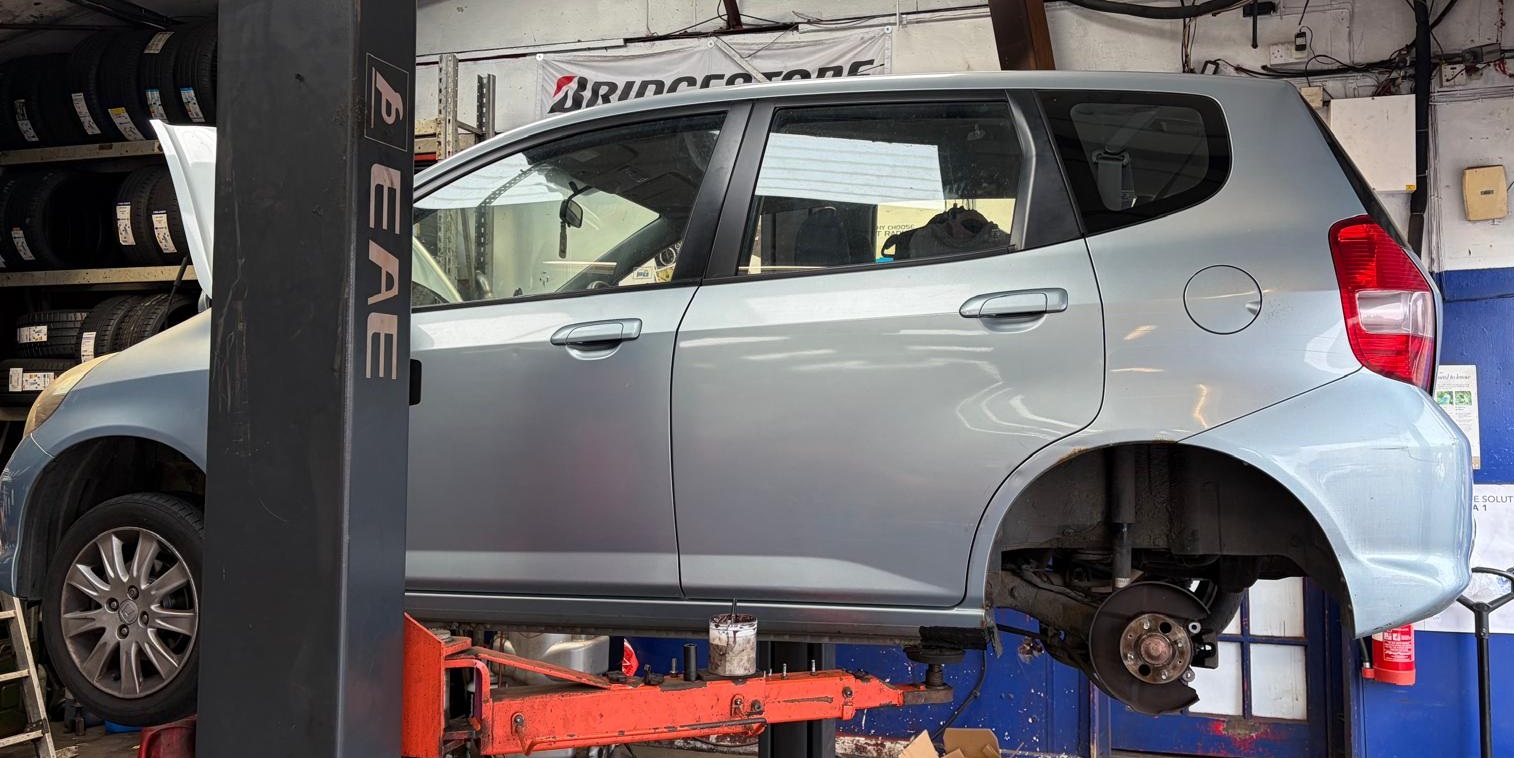
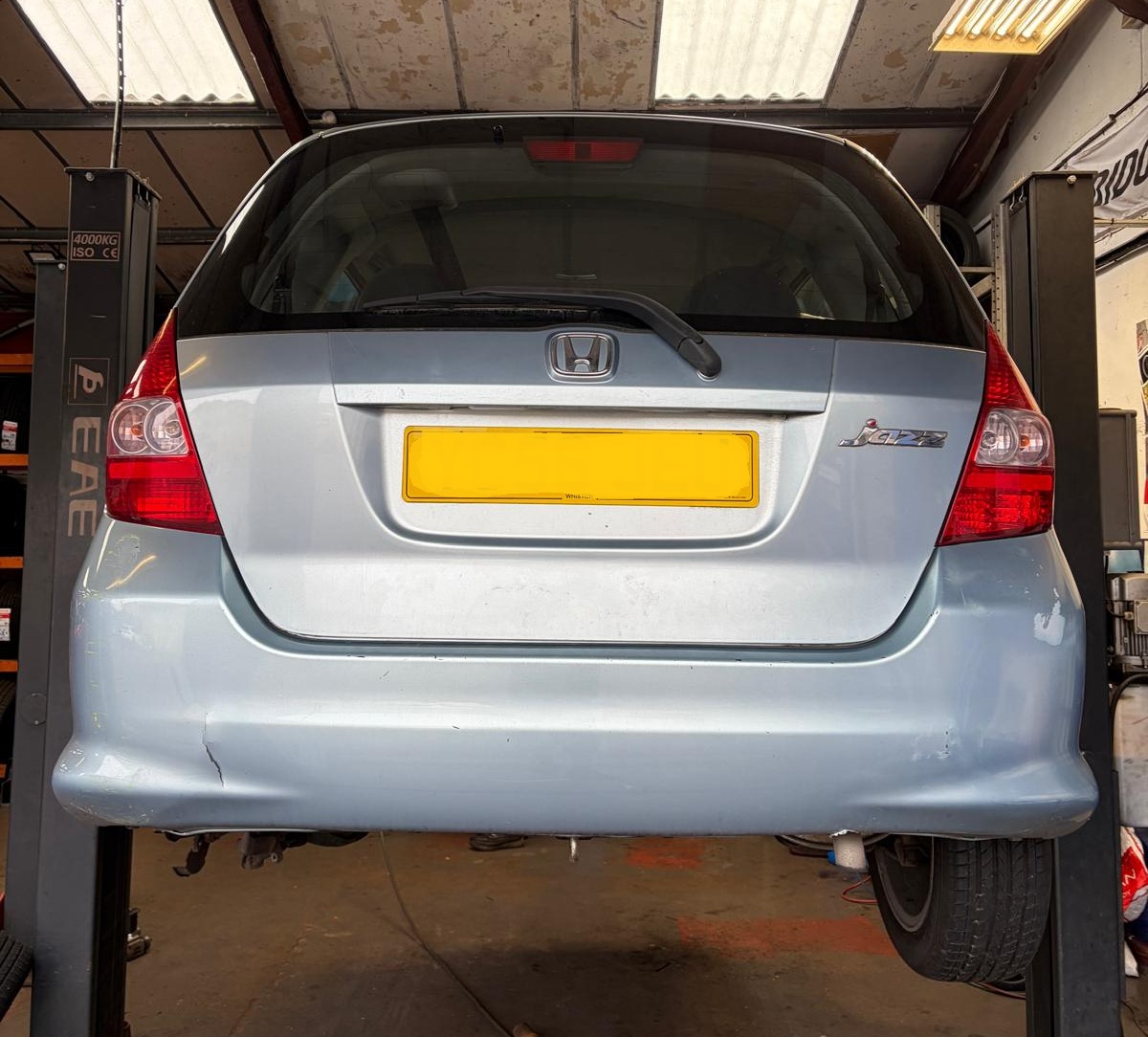
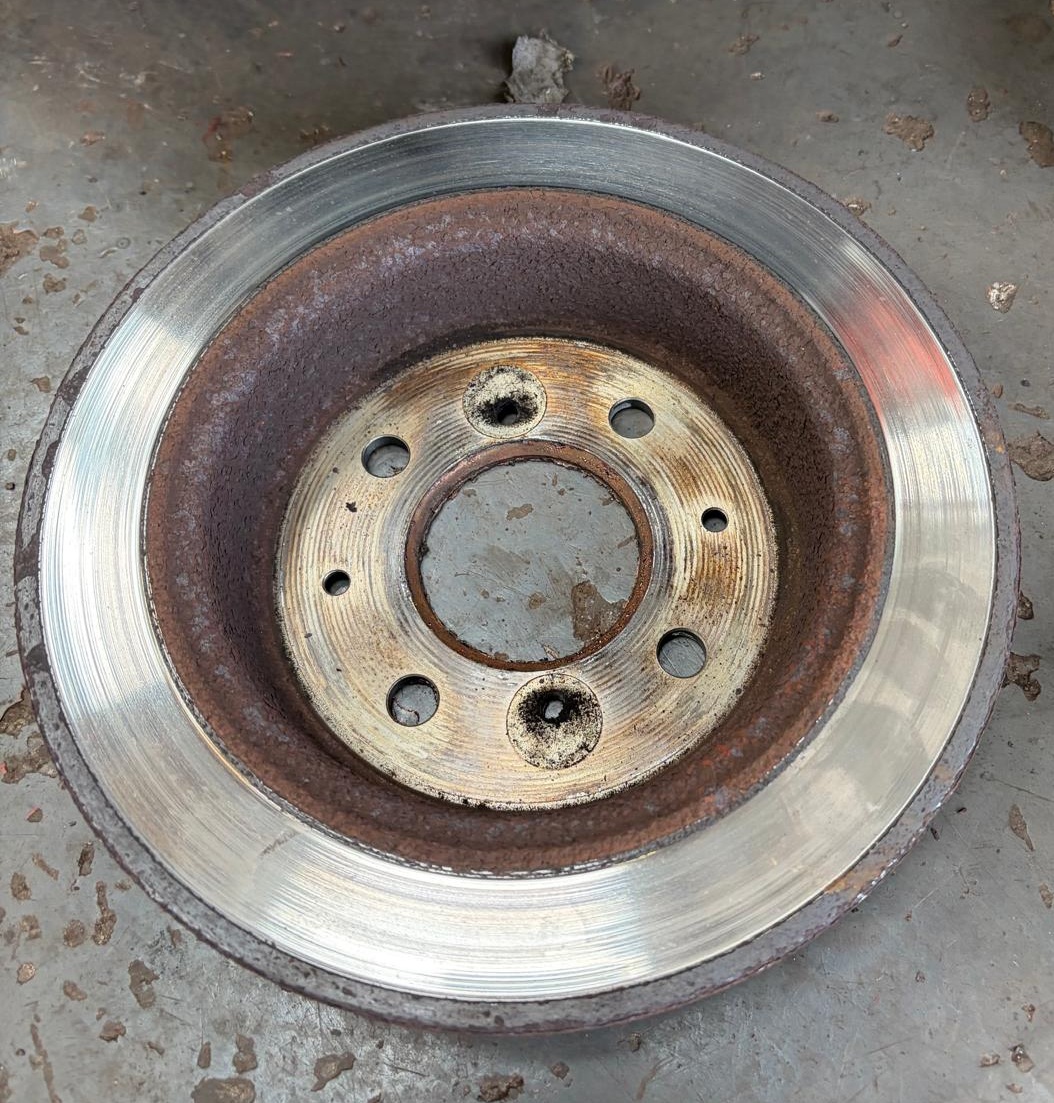
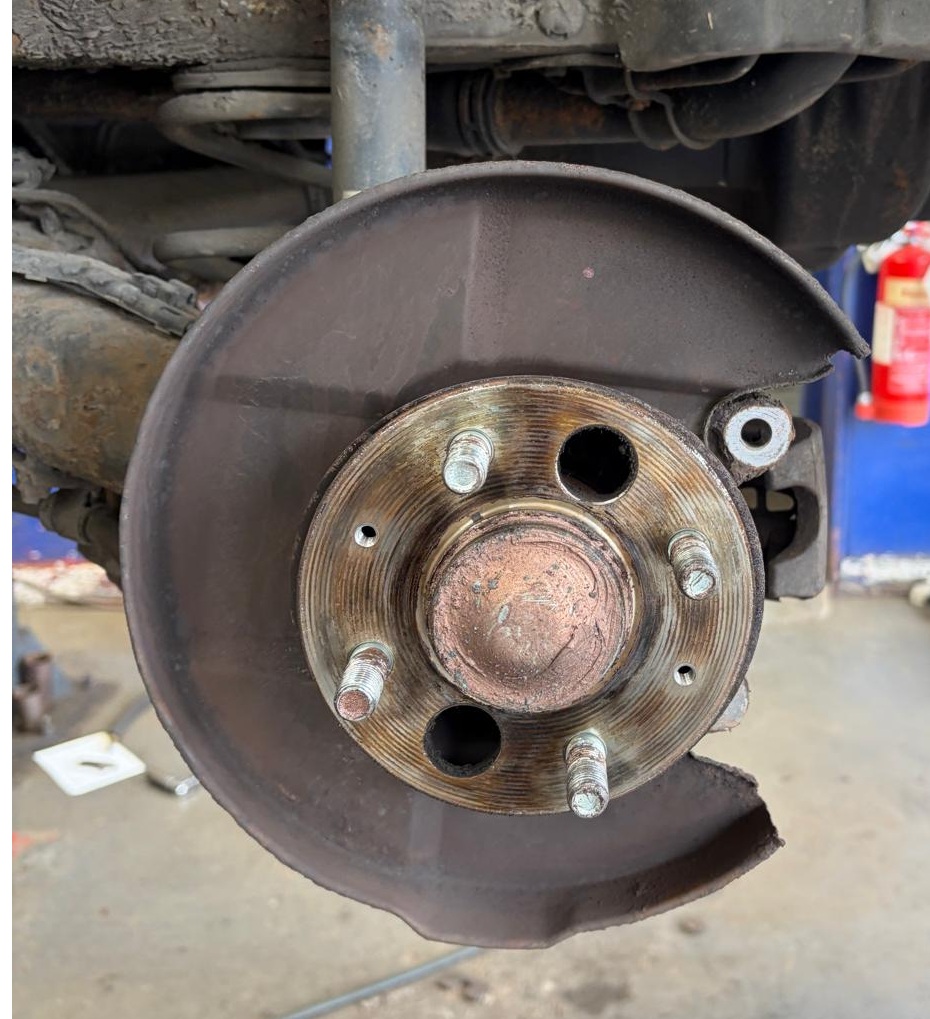
Honda Jazz for Servicing

Honda Jazz for Servicing

Honda Jazz for Servicing

Honda Jazz for Servicing


Honda Jazz Servicing in Halifax – Reliable Motoring Done Properly

Yesterday here at Pellon Tyre & Autocentre in Halifax, we had a Honda Jazz booked in for a full service. Nothing unusual in that—we see a steady stream of Jazz models through the workshop—but it’s a good reminder of just how important regular servicing is, both for the car and for the owner’s peace of mind.

Servicing has always been a major and important part of our business, and it’s something we take a lot of pride in. Whether it’s a small hatchback like the Jazz or a larger family car, we always use quality replacement parts that meet the manufacturer’s standards, along with the correct engine oils recommended by the carmakers.

Honda Jazz for Servicing

The Honda Jazz – A Firm Favourite in the UK: Honda Jazz for Servicing

The Honda Jazz has long been one of the UK’s most popular small cars, especially among drivers who value reliability, practicality and low running costs. Since its introduction in the early 2000s, it’s earned a reputation for being dependable and surprisingly spacious for its size.

One of the Jazz’s biggest selling points is its clever interior design. Honda’s well-known “Magic Seats” make it incredibly versatile — ideal for shopping trips, gardening runs, or carrying the odd bulky item without needing a larger car.

Around Halifax, Calderdale and the surrounding towns, the Jazz suits local driving perfectly. It’s compact enough for tight streets and car parks but comfortable and stable on longer runs out towards Huddersfield, Brighouse or Leeds.


Why Servicing Matters – Especially Locally

Regular servicing keeps a car running smoothly and helps prevent small issues from turning into expensive repairs later on. In an area like Halifax, where cars deal with:

  • Stop-start town driving
  • Steep hills and gradients
  • Wet roads for much of the year

… servicing becomes even more important.

A well-serviced Honda Jazz will:

  • Start reliably in cold weather
  • Brake properly on hills
  • Return better fuel economy
  • Last longer overall

Skipping services or cutting corners may save money in the short term, but it often costs more in the long run.

Honda Jazz for Servicing

Manufacturer-Approved Parts and Correct Oils: Honda Jazz for Servicing

At Pellon Tyre & Autocentre, we don’t believe in shortcuts. When servicing vehicles like the Honda Jazz, we always use:

  • Quality replacement filters and components
  • Parts that meet or exceed manufacturer specifications
  • The exact grade of engine oil recommended by Honda

Modern engines are designed to run on very specific oils. Using the wrong oil can affect engine performance, increase wear, and even lead to warning lights or long-term damage. That’s why we take the time to make sure the oil is correct for the engine, year and specification of the vehicle.

You can find more information about our servicing work here:
👉 https://www.pellontyres.co.uk/car-servicing/


Honda Jazz Ownership Around Calderdale

We see plenty of Honda Jazz cars owned by local drivers in Sowerby Bridge, Elland, Hebden Bridge and Ripponden. Many are owned by people who keep their cars for years and look after them properly — and regular servicing is a big part of that.

The Jazz is often used for:

  • Daily errands
  • School runs
  • Visiting family
  • Day trips around Yorkshire

With proper servicing, it’s not unusual to see these cars still running well with higher mileages, which says a lot about Honda engineering.

Honda Jazz for Servicing

Servicing at Pellon Tyres, Halifax: Honda Jazz for Servicing

Our servicing covers all the key checks, including:

  • Engine oil and filter
  • Air and cabin filters
  • Brakes and suspension
  • Steering, tyres and fluid levels

We’ll also let you know if anything needs attention — no pressure, just honest advice.

To book a service or ask for advice, visit:
👉 https://www.pellontyres.co.uk/contact-us/


Keeping Yorkshire Drivers Moving: Honda Jazz for Servicing

Whether it’s a Honda Jazz, a family hatchback or a work vehicle, proper servicing keeps cars safe, reliable and economical — especially on Yorkshire’s varied roads.

Many of our customers enjoy heading out across the county when the weather improves, including trips to the coast. Places like Flamborough and Thornwick Bay are popular destinations once spring arrives, and having a well-serviced car makes those journeys far more enjoyable.
👉 https://www.luckypawsholidayhome.co.uk/
(Open spring to autumn – perfect for a Yorkshire break)


Honda Jazz Servicing – Frequently Asked Questions

How often should a Honda Jazz be serviced?

Most Honda Jazz models should be serviced once a year or every 10,000–12,000 miles, whichever comes first. Regular servicing helps keep the engine running smoothly and prevents small issues turning into costly repairs.

Does a full service affect my Honda warranty?

No. As long as the service is carried out using manufacturer-approved parts and the correct Honda-recommended engine oil, your warranty remains valid. This is something we take seriously at Pellon Tyre & Autocentre.

Why is using the correct engine oil so important?

Modern Honda engines are designed to work with specific oil grades. Using the wrong oil can increase engine wear, reduce fuel economy and even cause warning lights. We always use the exact oil specified for your Honda Jazz.

Is a Honda Jazz suitable for driving around Halifax?

Yes, very much so. The Honda Jazz is compact, easy to drive, and reliable — ideal for Halifax’s hilly roads, narrow streets and stop-start town driving.

What’s included in a full service?

A full service typically includes:

We’ll also let you know if anything needs attention — no pressure, just honest advice.

Can you service older Honda Jazz models?

Yes. We service older and newer Honda Jazz models, including higher-mileage vehicles. Regular servicing is especially important as cars get older.

Do I need to go to a Honda main dealer for servicing?

No. Independent garages can service your Honda Jazz perfectly well, provided the correct procedures, parts and oils are used — which is exactly how we work.

Brakes Grinding Problem

Brakes Grinding Problem

Brakes Grinding Problem

Brakes Grinding Problem


Brakes Grinding – Why You Should Never Ignore That Awful Noise

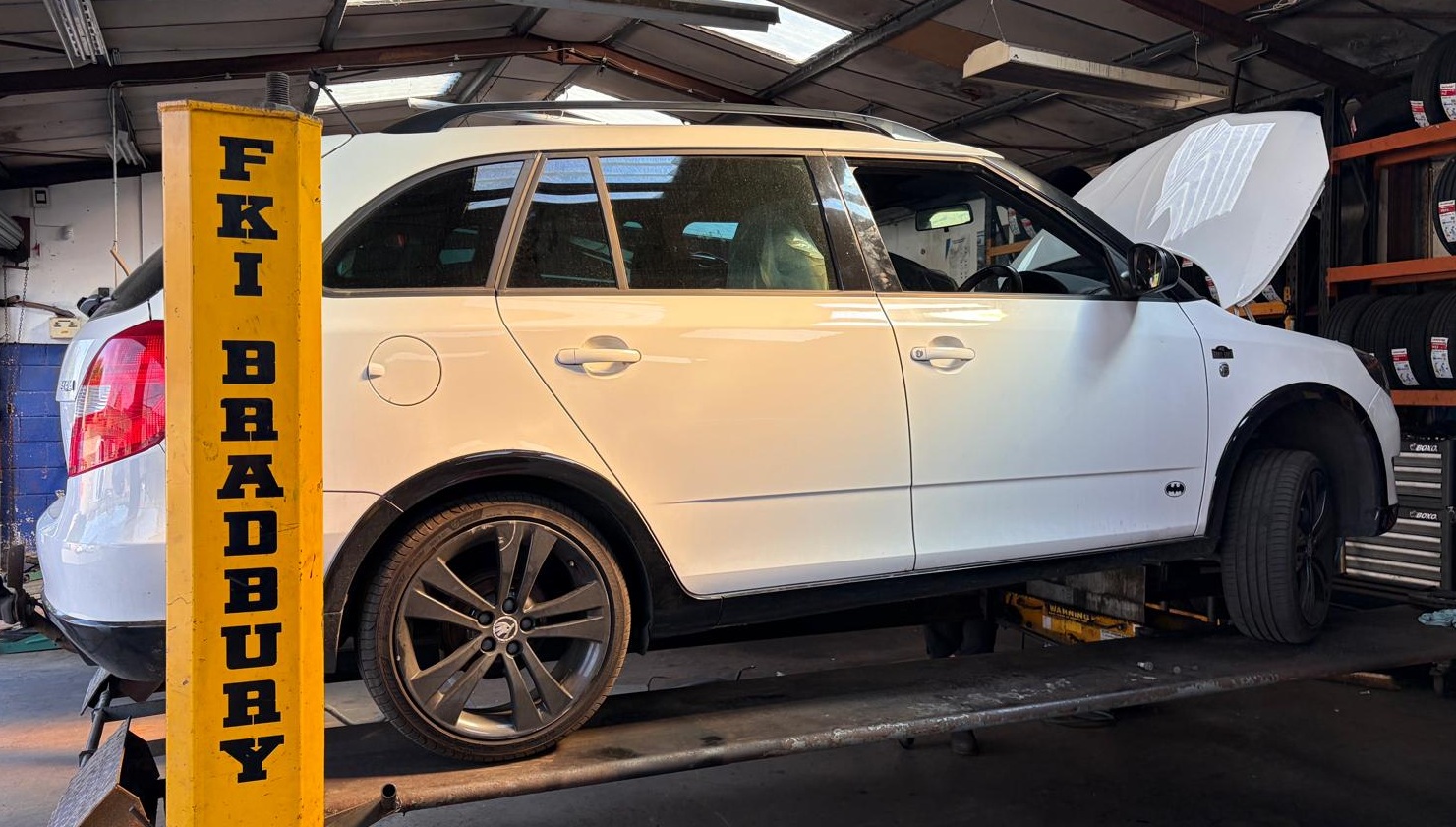
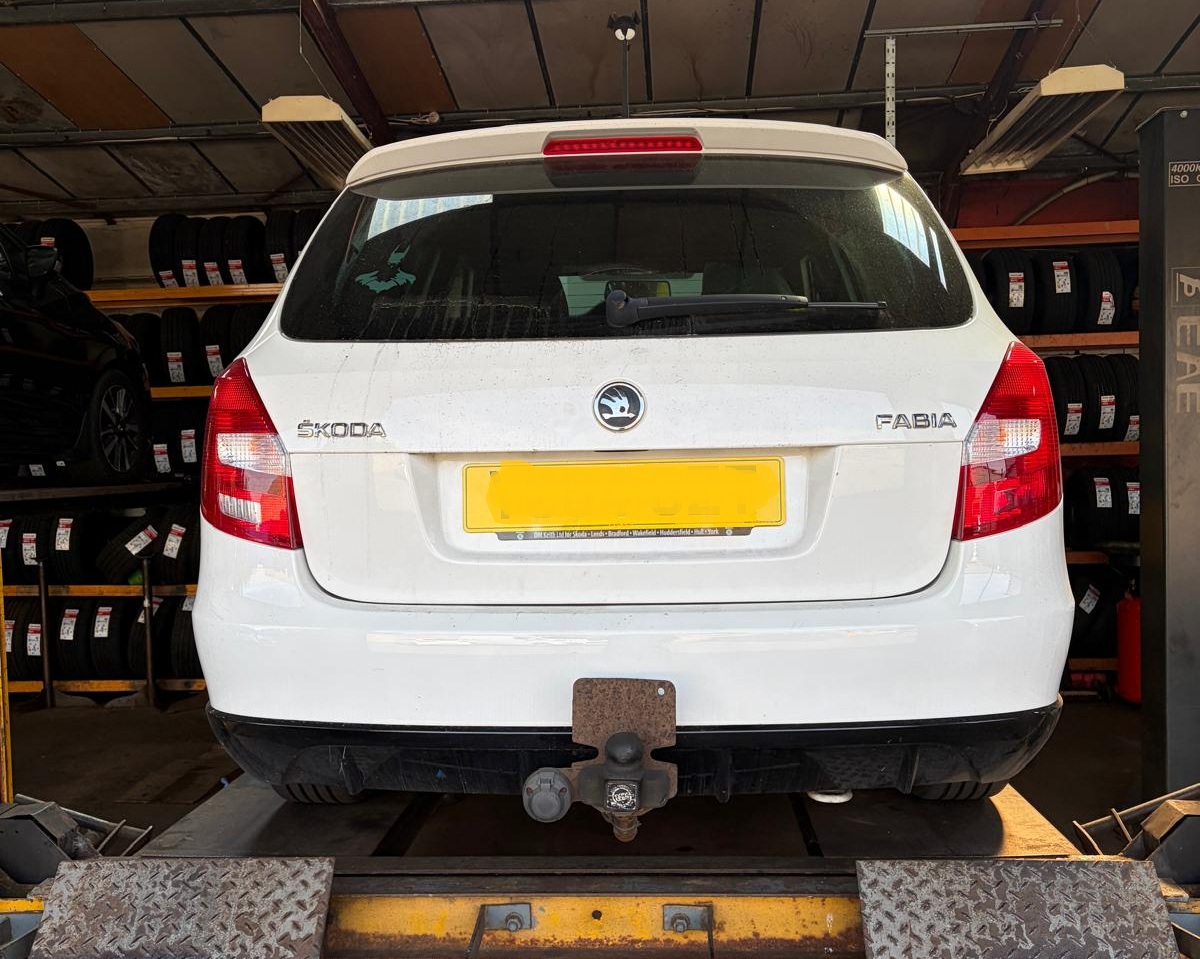
Every now and again, a car rolls into Pellon Tyre & Autocentre that genuinely makes you stop, stare, and wonder how on earth it was still moving. One unforgettable example was a Skoda that arrived with the driver casually saying, “My brakes feel a bit spongy.”
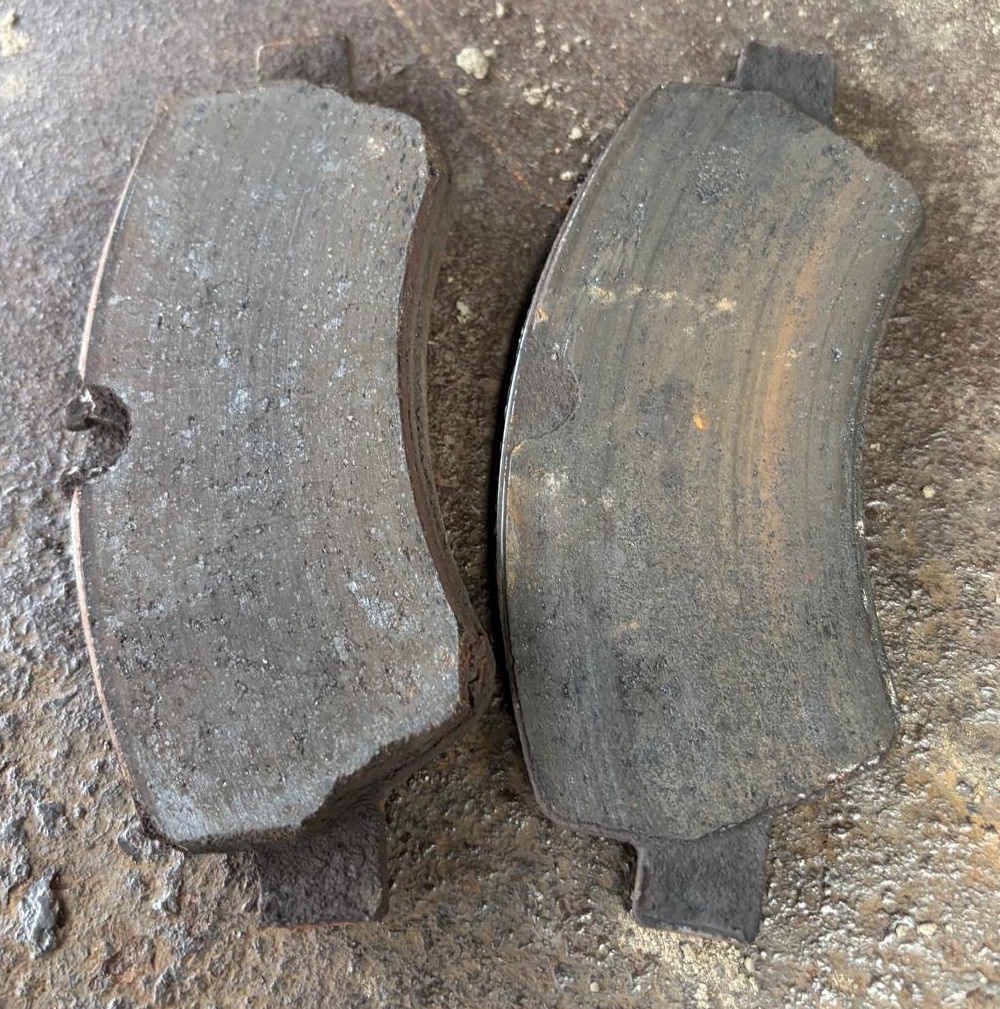
A bit spongy? When we whipped the wheels off, the front brake discs were completely shattered — broken into several pieces. It looked like someone had attacked them with a hammer. Honestly, I’ve been in the motor trade for decades, and this was one of the worst cases of brake neglect I’ve ever seen.

Believe me, letting your brakes reach that state isn’t just unwise — it’s downright dangerous. When brakes start grinding, they’re already crying out for help.


What Does Brake Grinding Actually Mean? Brakes Grinding Problem

If you’ve ever heard that horrible metal-on-metal scraping noise while slowing down, you’ll know exactly what I’m talking about. It’s like dragging a shovel across concrete — enough to set your teeth on edge.

But grinding brakes aren’t just embarrassing. They’re warning you that something is badly worn or broken.

Common Reasons Brakes Start Grinding

Here are the main culprits we see daily in Halifax, Huddersfield, Bradford and beyond:

1. Worn-Out Brake Pads

This is by far the most common reason. Brake pads naturally wear down over time. If they’re not checked regularly, the friction material disappears completely, leaving only the metal backing plate.
That metal then grinds directly onto your brake discs — which not only causes noise but also destroys the discs in no time.

2. Stones or Road Debris in the Caliper: Brakes Grinding Problem

Yorkshire’s roads aren’t the cleanest. One rogue stone flicked up from a pothole can lodge itself between the pad and disc, making an awful grinding or scraping sound.

3. Rust and Corrosion

With our damp weather and gritted winter roads, brake discs can corrode fairly quickly. Overnight moisture often creates surface rust, which can cause grinding until it wears away.
But if corrosion becomes severe, the disc surface becomes rough and uneven — and that’s when grinding turns into a permanent problem.

4. Damaged Brake Hardware

Springs, clips and slides can loosen or seize over time. When they fail, the pad doesn’t sit straight, and you get uneven wear and noise.

5. Faulty or Seized Callipers: Brakes Grinding Problem

If a calliper sticks, the pads can constantly rub on the disc — get too hot — and start grinding. Sometimes you’ll even smell burning.


How Grinding Brakes Affect Safety

Grinding isn’t just annoying; it seriously reduces your stopping power. You’ll experience:

  • longer braking distances
  • steering pull to one side
  • overheating brakes
  • risk of brake failure altogether

Not what you want when driving down the steep hills of Halifax or through tight bends in Hebden Bridge.

Ignoring grinding brakes is like ignoring chest pain — it won’t fix itself. It only gets worse.


Brake Grinding in Everyday UK Cars

We see it a lot on:

  • Ford Fiesta & Focus
  • Vauxhall Astra & Corsa
  • Peugeot 207/208
  • VW Golf & Polo

Particularly after winter, when potholes have had a good go at everything underneath.

Some cars still run rear drum brakes, too. A grinding noise from the back often means:

  • worn brake shoes
  • rust built up inside the drum
  • broken springs or adjusters

All simple fixes — as long as you don’t leave them until the parts are destroyed.

Brakes Grinding Problem

How We Diagnose Brakes Grinding Problem at Pellon Tyres

One of our favourite tricks is the Co-op car park test.
We take the customer’s car around the wide open area by the store in Pellon with the window down. At low speed, every creak, scrape and grind becomes crystal clear.

From there we can quickly work out whether it’s:

Most brake problems are solved the same day, and drivers leave absolutely gobsmacked at how quiet their car suddenly is.


Prevention: Stop Grinding Before It Starts

A little bit of TLC goes a very long way. Here’s what we always recommend:

  • Have your brakes checked at least once a year
  • Get noises investigated early
  • Avoid cheap, unbranded brake pads
  • Make sure your brake fluid is changed every 2–3 years
  • Keep an eye on dashboard warnings

It’s no different from checking the weather before heading to Blackpool—you avoid hassle by being prepared.


Final Thoughts – Don’t Ignore the Signs

If your brakes start grinding, don’t turn the radio up and pretend you didn’t hear it. It’s your car saying, “Help me!”

A quick inspection now could save you hundreds of pounds later — and more importantly, keep you and your family safe on our unpredictable Yorkshire roads.

And remember…
The only grinding noise you should hear on your travels is the coffee machine at your favourite café.

If your brakes are making odd noises, pop into Pellon Tyre & Autocentre, Halifax. We’ll sort you out and get you safely back on the road.

How Local Roads Make Brake Problems Worse

One thing many motorists don’t realise is just how much local driving conditions affect brake wear. Here in Halifax, with our steep hills, tight bends, and constant stop–start traffic, your brakes work twice as hard as they do in flatter parts of the UK.

Coming down the tops from Queensbury, Ripponden Bank, or even the hill into Sowerby Bridge puts enormous strain on discs and pads. If your brakes are already worn or low-quality, that extra heat buildup can finish them off pretty quickly.

It’s one of the reasons why we see so many grinding and screeching cases in our workshop — Yorkshire roads are stunning, but they’re brutal on braking systems!


Why Cheap Pads and Discs Can Cost More in the Long Run

Another point worth mentioning is the false economy of buying cheap no-name brake pads or discs. We’ve seen plenty over the years, and they often deteriorate far quicker than decent branded ones.

Some budget pads use hard, poor-quality materials that crumble or glaze under heat, which then causes even more grinding, vibration, and long stopping distances. When you compare that with a quality set fitted properly, the difference in safety — and lifespan — is massive.

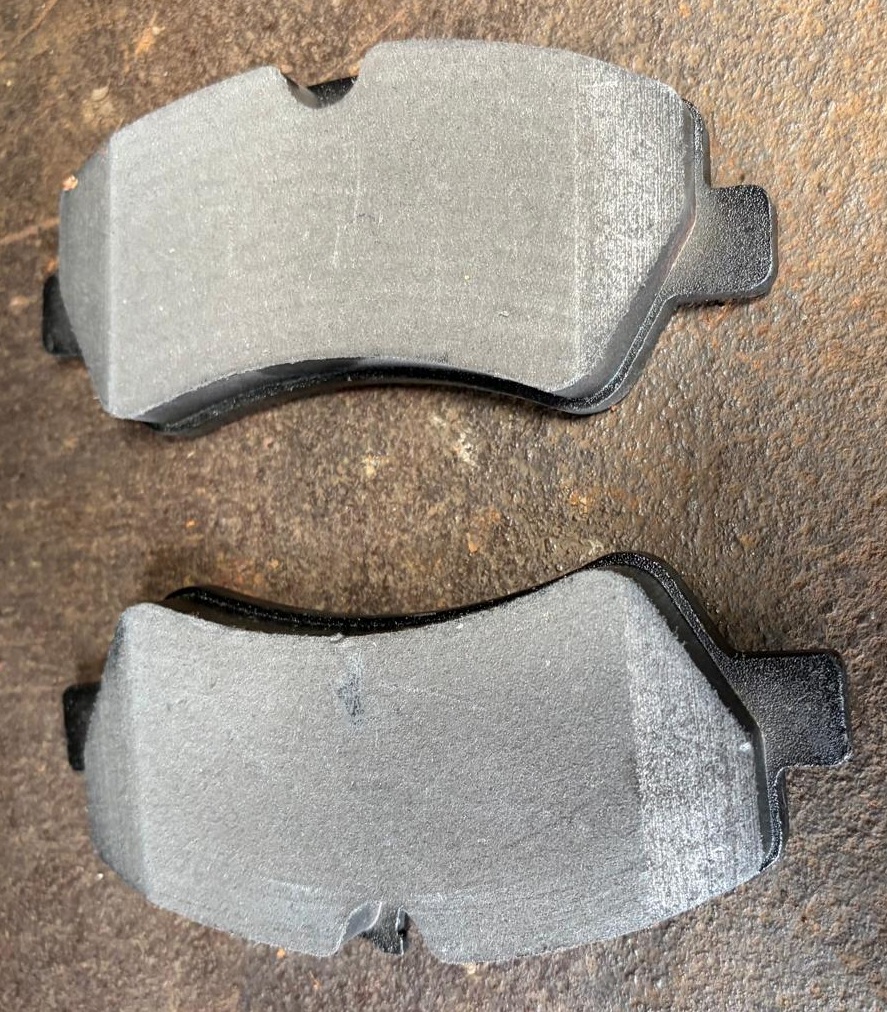
Spending a little extra now can save you a fortune later, not to mention keeping you and your family safer on the road. At Pellon Tyres, we always recommend using trusted, well-made parts, because your brakes are the last thing you want to gamble with.