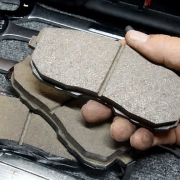
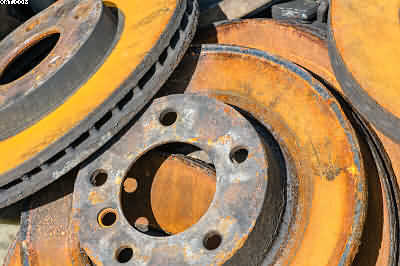
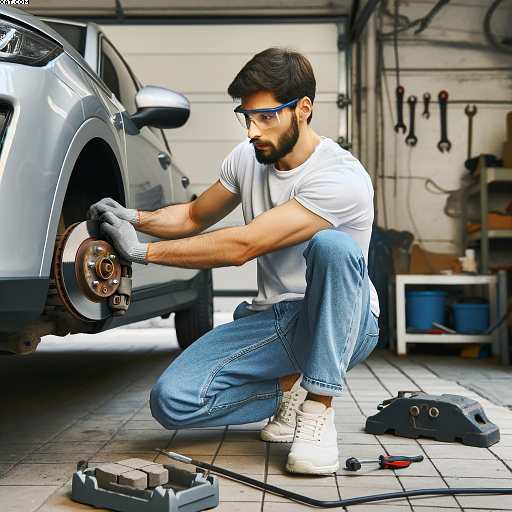
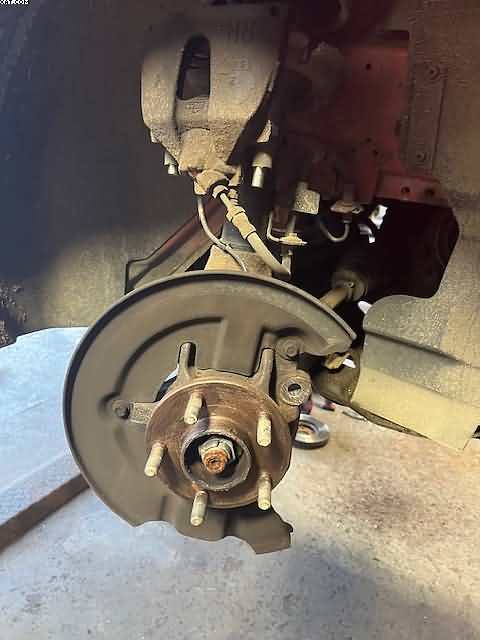
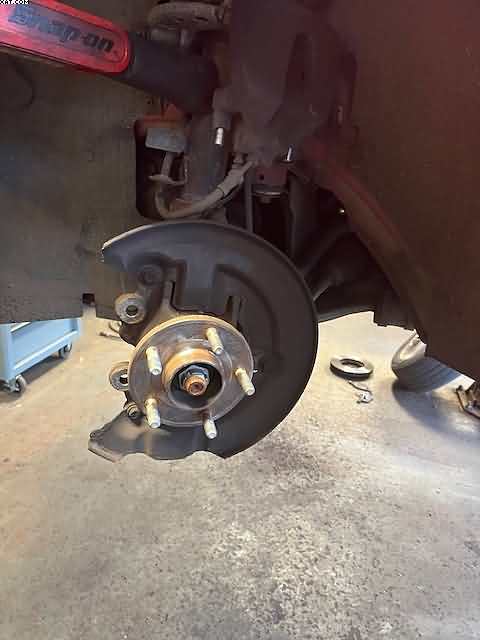
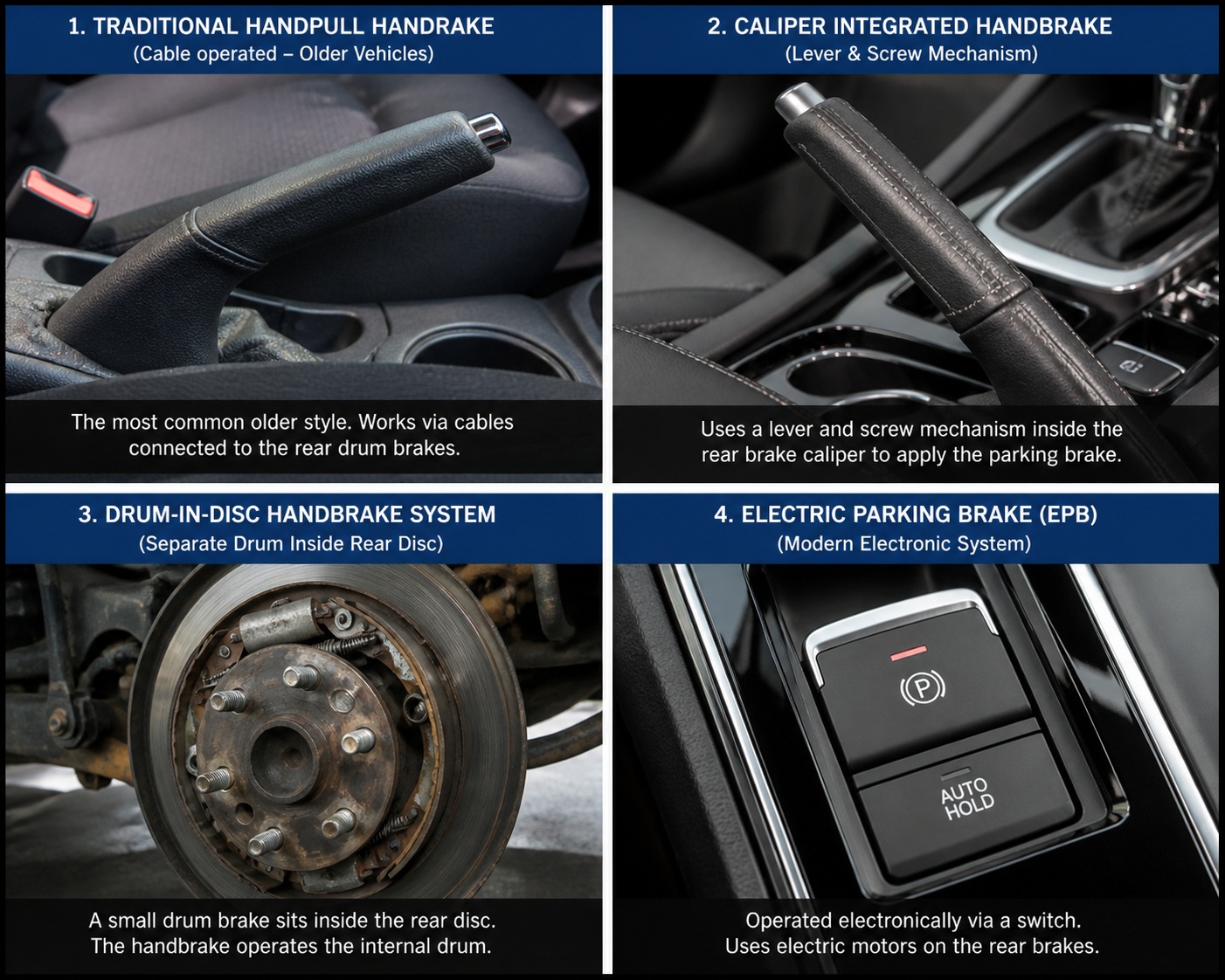
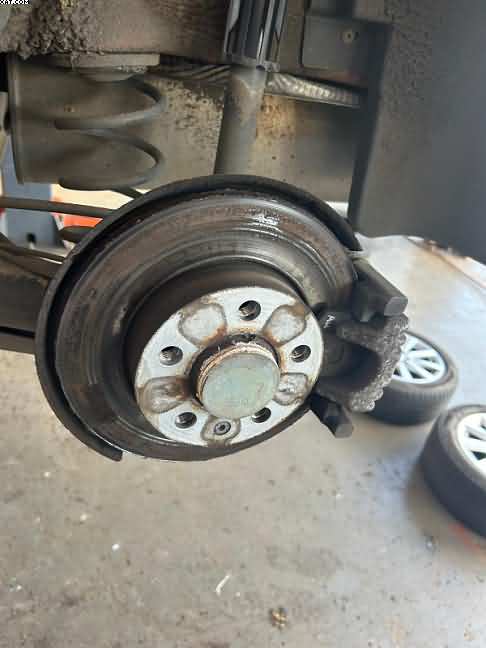
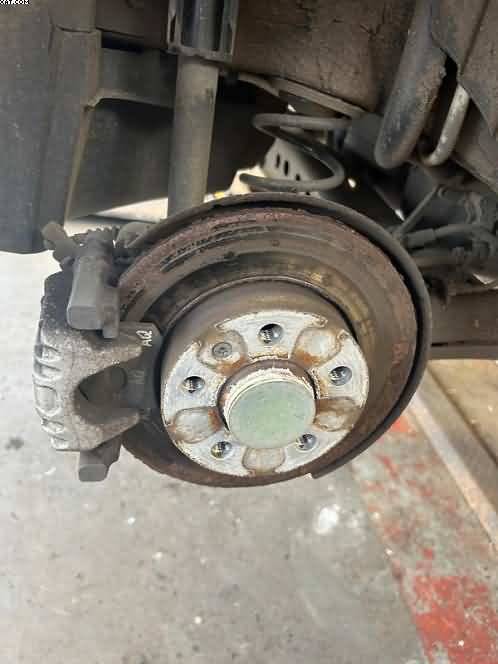
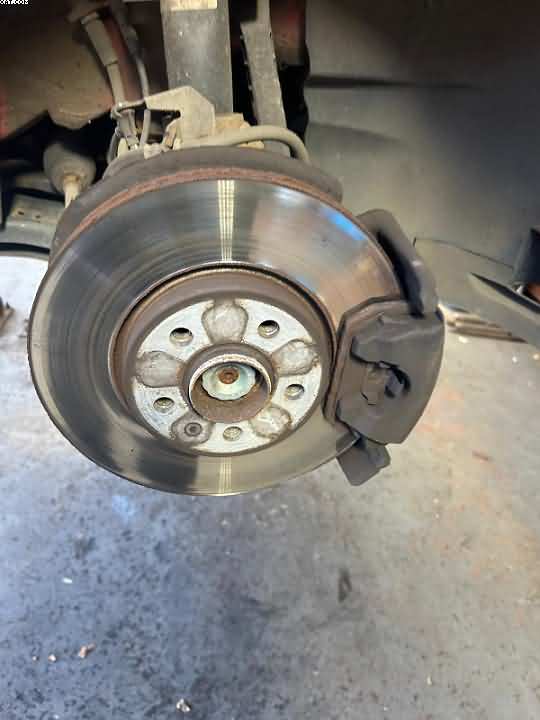
Sometimes, when you replace new pads. Hence, it is possible to forget to open the brake bleed nipple. Thus when you push back the piston to remove the old pads. Because the bled nipple is closed, then the fluid is pushed back into the brake master cylinder. As a result of this, the fluid can reverse the seals in the master cylinder.
However, this would not be the case if a professional mechanic had fitted the pads, while having a Sometimes, when you replace new pads. Hence, it is possible to forget to open the brake bleed nipple. Thus when you push back the piston to remove the old pads. Because the bled nipple is closed, then the fluid is pushed back into the brake master cylinder. As a result of this, the fluid can reverse the seals in the master cylinder.
Of course your cars brakes are really important. Surprisingly, we still get cars presented to us with brake pedals that almost touch the floor of the vehicle! So you would not believe the number of cars that are driving about with insufficient braking power. You really have to press the pedal with all your might to stop the car!
So, this article comes as yet another reminder to my customers and the motoring public in general. Regular servicing ensures that your brake levels, including your master cylinder, are checked. Of course, I not only checked but also topped up to the correct level. At the moment, I am writing this important post in the middle of the “covid 19” pandemic.
As a result, millions of cars have been parked up and stood down. We were all told to stay at home to fight this terrible virus. Vehicles were no doubt neglected. Consequently, braking systems, for one reason or another, would have become “spongy”. This is due to air getting into the brake system for one reason or another. Especially when the brakes were not used.
As I am writing this, there will be motorists who will remember having to pump the brake pedal to enable them to get a good braking response. So, in my opinion, I would recommend that you call into your local independent garage and at least have a brake check. Preferably, though, as part of a service.
I have personally experienced brake failure, and believe me, it is no fun when you press the brake pedal and the car does not stop.
Affect of COVID on brakes following Lockdown
Brake Check: West Yorkshire and Halifax’s Surprising Lockdown Effect on Vehicle Brakes
Hey once more, nice folks! How are you all doing? Okay, everyone, get ready because today we’re talking about something you might not have considered but really should.
Have you ever considered what lockdown did to your car’s braking system? We all know that it resulted in fewer vehicles on the road, which was a benefit for some. You heard me correctly, yes. Let’s talk about how lockdown caused automobiles to become rolling dangers, notably in West Yorkshire and our beloved Halifax.
Seeing is Believing
Many of us left our cars parked during the lockdowns without thinking about them. There is only the weekly shop and that’s it; there is no commute and no weekend excursions. Your car’s brakes have been rusting and corroding while you’ve been watching Netflix. Not the best, eh?
The big deal is what?
You may be contemplating, “Then what? Nobody should be damaged by a little rust.” Wrong! You invite all kinds of issues when you neglect your brakes for an extended period of time. reduced stopping ability, noises from the brakes, or even worse, complete braking failure. Not what you want as you drive down the M62.
West Yorkshire’s problems
Let’s discuss something more regional now—West Yorkshire. Everything is present here, from steep hills to congested city streets, so your brakes get a good workout. The amount of rain we receive adds an additional layer of rust to your brakes’ already deteriorating condition. I’d say it’s dangerous!
We Have a Problem, Halifax
Immediately, Halifax. My home territory. I’ve noticed a surge in the number of cars arriving at my repair shop with faulty brakes. And we’re not just referring to a minor problem here; we’re talking about complete brake replacement projects. Halifax residents are aware that we have more hills than a mountain goat could ever imagine. Hence, having bad brakes here isn’t just a pain; it’s dangerous.
Organizing It
what is good news? It’s not all bad news, either. Use those brakes to keep them in good shape by giving your car a good run every now and again. And if you’re unsure of the condition of your brakes, have them inspected by a pro. You can avoid a lot of future trouble with a fast check.
A Conclusion
So there you go. Another unintended consequence of the lockout is that unsafe brakes make driving around Halifax and West Yorkshire less safe. Yet as the saying goes, knowledge is power. Watch your brakes closely to avoid being caught off guard.
Thank you for watching, everyone. Having braking issues? Arrive at the garage, and we’ll take care of you. Until then, be careful on the road.
MOT testing is back on track
Another thing effected by the government lockdown was the suspension of MOT testing. Because people were in lockdown, the government, in there wisdom, decided to make my life even more miserable by suspending MOT testing. However, now that this period is over, cars will still have to be tested.
Backlogs are inevitable as thousands of motorists will try book their cars into their favourite garages. This will be a great time to take advantage of one of the deals that small garages can offer. For example, here at Pellon Autocentre, we will offer the customer an MOT test and service for just £100.
Naturally, this will also alleviate any anxiety about the car’s brakes. They will be thoroughly checked on the service and then sanctioned on the MOT.
Brake problems can be difficult to diagnose, but most drivers encounter these common symptoms: your brake pedal feels soft or mushy, and when braking, your foot
EricRoberts‘s insight:
Master cylinder brake fluid may need checking at regular intervals
This Brake Problems video and article written by Joyce Blay are well worth looking at. We in the garage and autocenter sectors are always advising motorists.
Of course, about how they should look after their cars. However, we cannot overstate the importance of the car’s braking system. including how important it is to have your brakes checked. By a professional mechanic or your local garage to avoid future brake problems.
The levels that are checked under your bonnet (hood) Importantly, you will include the level in your master cylinder. The lack of brake fluid in the brake master cylinders will lead to spongy brakes, which, if not corrected, will result in brake problems and even brake failure.
Brake Problems – Brake Problems
So have these levels checked, and if required, you may need a complete brake fluid change. Periodically, the car manufacturers advise doing this as well. So it is well worth checking to see what intervals this job should be done at.
Also, if you are topping up the master cylinder yourself, make sure you use the recommended type of fluid for your model; some are different from others, and your user’s manual will tell you which fluid to use. These procedures may help eliminate any braking problems in the future!
brake revolution
Of course, as time has gone by, brakes have become much more complicated. So one of the big advances has been the introduction of ABS to our braking systems. It is important to realise that in my lifetime, braking systems have improved beyond recognition. That is to say that when I was an apprentice mechanic, most regular cars only had drum brakes fitted front and rear.
Later cars that were in the upper-class bracket, such as Mercedes, were fitted with disc brakes at the front. Developments were coming out of the racing car circuits.
Consequently, technology would be passed from the racing circuit onto everyday regular cars. Motor racing sped up the development of all aspects of modern cars. Up to the latest developments! including the introduction of the AEB (Automatic Emergency Braking). So, this system will detect a potential vehicle impact and automatically apply the braking system.
Brake Problems
How Vehicle Brakes Have Improved for Safer Driving: A Braking Revolution
Hi to everybody! How do we all feel? Do you want to talk about automobile brakes? I realise it’s not the most exciting topic, but bear with me. The rules of the game have significantly altered over the past several years, making our cars safer than ever. This is all because of some seriously cool developments in brake technology. Now hold on tight, and let’s begin!
A Long Time Ago – Brake Problems
I’m not that ancient, but I do recall a time when car brakes were less complicated. These were functional but not quite as efficient as what we have now. In the present, the surroundings are completely different. Current braking mechanisms resemble something from a science fiction movie.
The Revolution of ABS
ABS, or the Anti-lock Braking System, is likely familiar to you unless you’ve been living under a rock. Nowadays, it comes as standard in the majority of autos, and for good reason. Stop slipping and sliding like Bambi on ice. Even when you stomp on the brakes, ABS ensures that you stay in control of your car. Let me tell you, it’s changed the game.
Automated Emergency Braking: The Latest Trend
This is when things really start to heat up. AEB, or automatic emergency braking, is like having a personal guardian angel in your vehicle. This smart mechanism applies the brakes for you if it detects that a collision is imminent. Yes, your car has your back even if you’re too startled to respond. Incredible, isn’t it?
Technical Part – Brake Problems
All of this brake magic is based on sensors, computers, and real-time data, without getting into a physics lecture. To ensure that our cars are as secure as houses, car manufacturers have made significant R&D investments. And new developments keep happening. I wouldn’t be shocked if in the near future we had brakes that could somehow foretell the future!
Enhanced Road Safety in Halifax and Beyond
What impact does this have on us in Halifax? Really, quite a lot. Having a trustworthy braking system is important because of our twisting roads, our uneven terrain, and let’s not forget the legendary Yorkshire weather. I’ve noticed fewer brake-related problems in the automobiles that enter my garage, and that’s cause for celebration.
Brake Problems
Finishing up: Brake Problems
Okay, guys, that’s the skinny on how car brakes have developed to improve the safety and security of our drives. Driving appears to have a brighter and safer future thanks to technologies like ABS and automatic emergency braking.
Thank you for watching. You know where to find us if you have any worries concerning the brakes on your automobile. Keep those wheels—and brakes—turning safely, and be careful! 🚗
To be truthful, I am not sure how this is going to work, but I am sure that it will be another brake system success.
More Modern Brake Technology: What Drivers Should Know Today
As car technology keeps marching on, brakes haven’t just improved—they’ve completely transformed. Many drivers don’t realise just how much engineering goes into stopping a modern car safely.
Electronic Brakeforce Distribution (EBD) Brake Problems
You might not hear people talk about EBD down at the pub, but it’s fitted to most modern motors. It works hand-in-hand with ABS and automatically sends more braking force to the wheels that need it most. In simple terms: 👉 Heavy load in the boot? 👉 Kids in the back seats?
EBD adjusts everything instantly so the car stops in a stable, straight line. Years ago, you’d have felt the back end twitch or slide—not anymore.
Brake Assist (BA): Helping in a Panic
Most drivers think they brake hard in an emergency… But tests show many actually don’t press the pedal fully when they panic. That’s where Brake Assist steps in. The system senses sudden, sharp pedal movement and automatically applies maximum braking force even if you didn’t push all the way. This tiny difference can knock metres off stopping distances — a lifesaver when a dog runs into the road or someone slams on ahead of you on the Elland Bypass.
Regenerative Braking on Hybrids & EVs: Brake Problems
Electric cars have brought a new trick to the world of braking. Regenerative braking doesn’t just slow the car — it captures the energy and puts it back into the battery. In busy towns like Halifax, where it’s stop-start traffic between King Cross, Skircoat and Pellon Lane, regen braking actually gives EV drivers a decent bit of extra range. Brakes on EVs often last much longer too because the electric motors do a big chunk of the slowing down.
Brake pads aren’t just lumps of friction material anymore. Modern pads use:
Kevlar blends
Ceramic compounds
Low-metallic materials
These help reduce noise, dust, fading and wear — all things older cars struggled with. Even the brake discs have improved, with coated and vented designs now standard on many makes and models.
For us in West Yorkshire—hills, stop-start bends, and the odd emergency “Sheep in the road!” moment — these improvements make daily driving far safer.
Autonomous Braking & Radar Technology
Some newer cars, especially premium brands, now combine AEB with:
Front radar
Cameras
LIDAR systems
These don’t just brake for you — they track traffic, judge distance, and sometimes even tighten the seatbelts before impact. It’s a far cry from the old Ford Cortinas and Vivas we grew up with!
Why Good Brakes Matter More in Yorkshire
If you live around Halifax, Sowerby Bridge, Hebden Bridge or up towards Queensbury, you already know our roads aren’t exactly gentle. Steep hills, tight bends, potholes, wet leaves and grit all make braking performance even more important. Every upgrade manufacturers make means fewer accidents, fewer MOT failures, and safer journeys for everyone.
The Future: Smarter Brakes on the Horizon
Engineers are already working on…
Brake-by-wire systems (no hydraulic fluid, fully electronic!)
Self-diagnosing brake pads that warn you before wear becomes serious
Heat-resistant discs designed specifically for electric vehicles
Give it another decade and stopping a car may rely more on computer power than pedal power
Cheap Brake Pads – Are They Really Worth Saving Money On?
Over the years at Pellon Tyres Halifax, we have seen all kinds of brake problems. Some are caused by wear and tear, while others are down to poor-quality replacement parts being fitted elsewhere in an attempt to save a few pounds. When it comes to brakes, though, cheap is not always cheerful.
Most drivers never really think about their brakes until they hear a grinding noise or the MOT test points out a problem. Yet your braking system is probably the single most important safety feature fitted to your vehicle. Whether you are driving through busy Halifax traffic, coming down the hills around Sowerby Bridge, or stopping suddenly on the Bradford Road into Brighouse, you rely on your brakes every single day.
How Your Car Brakes Actually Work: Cheap Brake Pads
Modern braking systems are surprisingly clever, although the basic principle has remained much the same for decades. When you press the brake pedal, hydraulic pressure is created inside the master cylinder. Brake fluid then travels through pipes and hoses to the brake callipers at each wheel.
The callipers squeeze the brake pads against the brake discs. This friction converts the car’s movement into heat energy, slowing the vehicle down safely and under control.
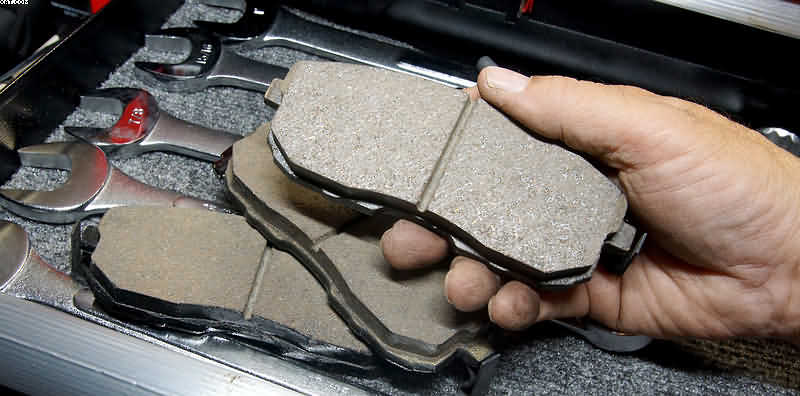
Over time, the brake pads wear away naturally because they are constantly rubbing against the discs. That is exactly what they are designed to do. However, the quality of the brake pads fitted can make a huge difference to:
stopping performance,
noise,
brake dust,
disc wear,
and overall safety.
Cheap Brake Pads Can Cost More in the Long Run
One thing we often explain to customers around the Calderdale area is that the cheapest brake pads are not always the cheapest option overall. Some low-cost pads wear out very quickly, create excessive brake dust, and can even damage the brake discs themselves.
We occasionally see cars arrive at the garage fitted with very cheap imported pads that squeal loudly every time the brakes are applied. Some produce so much black dust that the alloy wheels are coated within days. Others simply do not perform well during emergency braking.
This becomes especially noticeable during wet Yorkshire winters when roads are greasy and stopping distances are already increased.
Different Types of Cheap Brake Pads
There are several main types of brake pads available today. Each has advantages and disadvantages depending on the vehicle and the customer’s budget.
Non-Asbestos Organic Brake Pads
These are commonly fitted to many standard family cars from the factory. They are made using materials such as rubber, glass fibres and Kevlar compounds.
Advantages:
quieter braking,
lower cost,
smooth braking feel.
Disadvantages:
wear out quicker,
produce more dust,
less suited to heavy vehicles.
These pads are perfectly acceptable for normal everyday driving and remain popular because they keep costs sensible for motorists.
Semi-Metallic Brake Pads: Cheap Brake Pads
These contain metal compounds such as steel, iron and copper mixed with friction materials.
Advantages:
strong braking performance,
longer lifespan,
good heat resistance.
Disadvantages:
can be noisier,
may wear brake discs faster,
produce more brake dust.
Semi-metallic pads are often a good compromise between performance and price. Many modern vehicles use this type.
Ceramic Brake Pads
Ceramic pads are generally considered the premium option and are increasingly popular on higher-end cars.
Advantages:
very quiet,
low brake dust,
long-lasting,
excellent heat resistance.
Disadvantages:
more expensive,
sometimes not ideal for heavier commercial vehicles,
can feel slightly less aggressive when cold.
Certain manufacturers specifically recommend ceramic pads, and where appropriate we fit them at Pellon Tyres. Customers who value quiet braking and clean alloy wheels often prefer this type.
Driving Style Makes a Huge Difference: Cheap Brake Pads
The lifespan of brake pads depends heavily on driving habits. Someone regularly driving through Halifax town centre in stop-start traffic will naturally wear brakes out quicker than a motorist mainly using the motorway network.
Heavy braking, towing caravans, carrying loads, or driving in hilly areas such as Hebden Bridge or Ripponden can also shorten brake life considerably.
We often remind customers that gentle driving habits not only save fuel but can also greatly extend the life of:
brake pads,
brake discs,
tyres,
and suspension parts.
Why We Never Fit the Cheapest Parts
At Pellon Autocentre Halifax, we always try to match the correct parts to the customer’s needs and budget. However, we avoid fitting the very cheapest brake components available on the market.
In nearly 40 years of business, we have learned that poor-quality parts often create:
noise complaints,
vibration issues,
reduced braking efficiency,
and premature wear.
Customers may save a small amount initially but often end up paying more later.
That is especially true now modern cars are heavier than ever before due to:
larger body sizes,
SUV popularity,
and electric vehicle battery weight.
Brakes today work extremely hard compared with older cars from the 1970s and 1980s.
Brake Dust and Environmental Concerns
One interesting topic that is becoming more important is brake dust pollution. Many people think vehicle pollution only comes from exhaust pipes, but brake pads and tyres also release tiny particles into the environment.
Governments and manufacturers are already beginning to investigate lower-emission braking systems and cleaner friction materials. Electric cars using regenerative braking actually reduce traditional brake wear because the electric motor helps slow the vehicle down.
In the future, brake dust may become a much bigger environmental issue than many motorists realise today.
Final Thoughts: Cheap Brake Pads
Brakes are simply not an area where motorists should cut corners. Cheap brake pads may look attractive when comparing prices online, but quality matters enormously when it comes to safety.
A good-quality set of brake pads can:
stop the vehicle more effectively,
reduce noise,
protect the discs,
and provide greater confidence in poor weather conditions.
Whether you drive a small hatchback around Halifax or a larger SUV through the Yorkshire hills, properly maintained brakes are essential for safe motoring.
At Pellon Tyres, we always advise customers honestly and fit brake components that we would be happy using on our own vehicles.
Despite how crucial they are, vehicle owners frequently ignore brakes.
For my part, I was just as guilty of this when I was younger and a junior mechanic. Back in the sixties, when I was just starting out as a mechanic, my boss Peter let me use his car for the day. He gave his blessing but stressed the importance of checking the brakes and oil before heading to the British seaside resort of Blackpool.
As a newly qualified driver, I was going the maximum allowed speed of 30 miles per hour through the town of Preston as we drove back from Blackpool. Back then there were very few motorways, and the route home took us on the main highway and through the town of Preston. Cruising down the high street, I should have been able to stop easily when I got to the pedestrian crossing. As I tried to use the brakes, though, they slid straight to the floor, and I had a terrifying rush of fear, as the car failed to stop.
first ever drive out of Yorkshire. Brake Failure in Preston
I veered off the road and crashed onto the sidewalk to avoid hitting a pedestrian crossing the street. To slow the car, I pumped the brake pedal rapidly, creating enough resistance to bring the vehicle to a halt. Once my pals and I moved the car a hundred yards down the road to a mechanic’s shop, I lifted the hood and saw that the brake fluid level was at zero, and a chill went down my spine.
Luckily, we were able to get topped up with Brake Fluid, so we replenished the reservoir and pumped the brakes till they worked again. Although it was a scary ordeal, we eventually made it back to Yorkshire. Having learnt my lesson the hard way about the importance of working brakes, I swore never to let it happen again. Here are a few things you need to know about brake maintenance before setting out on a trip.
If you and your passengers value your lives, you should never go out on a long trip without first checking the brakes.
Here are six good reasons to inspect your brakes before every long trip:Brake Failure in Preston
By performing routine inspections of the braking system, one can prevent brake failure by finding any issues before they become serious. Finding issues before setting off on a trip is preferable to discovering them mid-trip.
To guarantee effective stopping, make sure the following: In order to stop your car, you must first apply the brakes. If they are in good working order, you won’t have to worry about being able to stop in time to avoid a collision.
You can keep your brakes going for a lot longer if you perform routine maintenance on them. Such as checking for and replacing worn brake pads and shoes. In the long term, this can help you save money by reducing the need for costly brake repairs or replacements.
Overheated brakes pose a serious threat to safety, especially while driving uphill or pulling a heavy trailer. If you give your brakes a once-over before you head out, you can keep them from overheating and still use them when you need them.
Improving the vehicle’s overall performance is a side effect of maintaining healthy brakes.
Your car will be easier to manoeuvre and more stable to drive.
Brake Failure in Preston
Checking your brakes before starting off on a lengthy trip is crucial for your peace of mind. Confidence and security when driving are greatly enhanced when you know your brakes are in good working order.
Brake inspections should be part of a driver’s routine maintenance .Brake Failure in Preston
because they literally have life-and-death implications. As specified by the VOSA MOT test, the British MOT test has contributed significantly to the improvement of road safety in the UK. Because they were traditionally located beneath the vehicle, unprotected from the elements, checking the brake pipes was a hassle. They have a special coating of wax, oil or even plain grease to keep the elements at bay.
Even with this safeguard, brake pipes can rust and leak braking fluid over time, causing the brakes to gradually fail. By performing routine checks on your brake pipes, you can prevent something similar to what happened to me in Preston.
Along with your tyres, your car’s brakes are the most important (and sometimes most neglected) part of your car. I have been guilty of neglecting my brakes. Especially when I was a young man. When I was a young mechanic, I borrowed a car from my then-boss, Peter.
Peter said that I could, but I must check the car’s brakes. Also, the engine levels before setting off on my journey. I was heading for Blackpool. a seaside resort on the west coast of the UK. On our return home, we started to pass through a town called Preston.
I was doing the statutory speed of 30 mph.
and was approaching a pedestrian crossing. Of course, I should have had to stop. But, when I pressed the brake pedal,. Then there was nothing there. Hence, the pedal went straight to the floorboards.
Consequently, I had to swerve the car to miss a guy walking across the crossing. Ending up on the pavement (sidewalk). I rapidly pumped the pedal and managed to get some brakes. Thus, on the pedal. Luckily, the vehicle came to a stop. My friends and I managed to push the car to a garage filling station. Of course, a hundred yards down the road.
CHECK YOUR CAR BRAKES REGULARLY.
I lifted the bonnet (hood) only to find that the car brake fluid was at zero level in the fluid reservoir. I felt a cold chill down my spine. Because I remembered what my boss Peter had said. Just the day before we set off. We managed to buy some Tesco brake fluid and top up the reservoir.
The car brakes pumped about halfway up. Luckily, the car would stop when I pressed the pedal. So, we limped home back to Yorkshire, UK. Subsequently, it was a rather terrifying experience. Of course, which I vowed would never happen again. Lessons were learned that day. As a result, I am going to spell out a few important things about the care of your brake discs. Hence, for your understanding,. Before you embark on a journey or indeed at any time that you own a car.
CHECK YOUR CAR BRAKES regularly. Your brakes are a lifesaver.
The British MOT test has been a great step forward towards the safety of our cars and our roads. When your car is having it’s annual MOT test, we check everything on that car (to the VOSA MOT test specifications). One of the problems with old cars was the checking of your car brake pipes.
Brake pipes connect all four-wheel braking systems and the cylinders and brake pedals and are fixed under the car, exposed to all the elements. A special coating of wax, oil, or occasionally just grease protects them.
Despite all the protection,. The corroded brakepipes would rust and then start to leak the brake fluid, eventually causing the brakes to fail, similar to what happened to me in Preston.
CHECK YOUR CAR BRAKES REGULARLY FOR CORROSION.
The MOT test makes sure that all your brake pipes (lines) are in good working order, and if not, the car will fail the test and the pipes will have to be replaced. If you are not sure about the condition of your brake pipes, you can get them checked out at your local independent garage, free of charge, or at the local garage that you use at the moment.
You must always check the brake fluid.
in the reservoir under your bonnet, and top it up if required with the correct fluid. Check your brake pedal; it should feel nice and solid. If it goes too far down, then have yours checked by a professional garage or mechanic. Don’t take risks; you should not have to pump your pedal to get a good brake.
Your brake fluid should be changed every so often; this can be done when you have your car serviced. Your local garage will be able to ascertain when by looking it up on his service. computer for your model of car, we use theAutodata system for checking out the fluid change times.
Check your car’s brakes regularly, including the fluid levels.
Also, you should check your disc brakes and car brake pads. These are the parts that constantly wear out and need replacing with brake pipe kits when they get down to a certain thickness.
When the pads wear down to the metal part of the pads
Then this is when you can hear a loud grinding noise that frightens the driver to death. Once again, if this happens, you should have your car’s brakes checked by a professional mechanic or your local garage.
Once again, if you have your car serviced when you have your annual MOT test, then your brakes will be checked and should be fine for the next year. If your brake pedal does not feel right or goes further down than it should before you get a brake, then have the car checked out. Until an expert has examined the vehicle, do not drive.
https://www.pellonautocentre.com/wp-content/uploads/2021/01/brakes-pads-only.jpg396800Eric Robertshttps://www.pellonautocentre.com/wp-content/uploads/2024/07/pellon-tyres-logo-509x321.jpgEric Roberts2026-05-16 07:44:212026-09-03 19:28:42CHECK YOUR CAR BRAKES REGULARLY
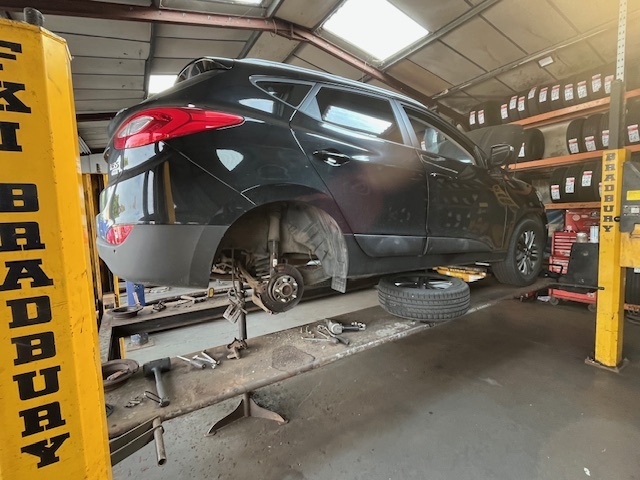
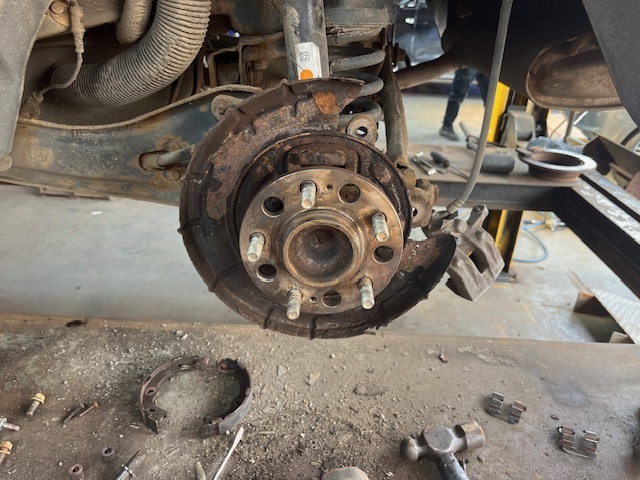
Brake Trouble with a Hyundai i35 – Why Regular Brake Checks Matter
Hyundai i35 for Brakes Repairing
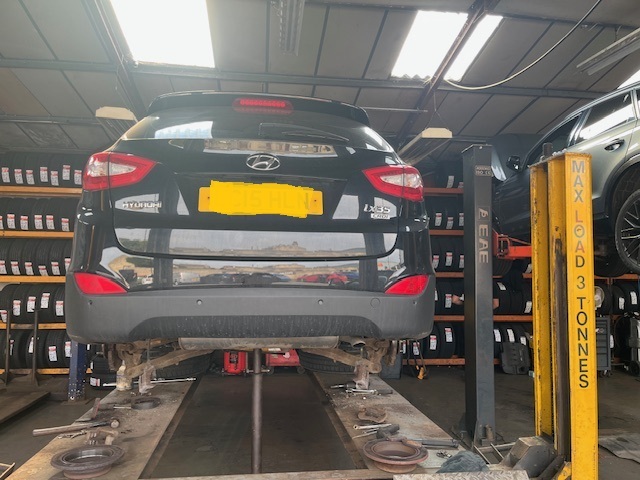
Morning all! We had a Hyundai i35 roll into Pellon Tyres the other day, and the poor thing was having brake issues. Now, I don’t mean the odd squeak or bit of dust – no, this one was seriously underperforming. The driver said the brakes felt “soft” and it wasn’t stopping properly. This is certainly not the ideal situation when you’re navigating the streets. Therefore, I decided to write a brief blog post discussing the importance of brake checks, particularly for modern vehicles such as the Hyundai i35.
such as the Hyundai i35. While we’re at it, let’s discuss the Hyundai i35 and its recent rise in the UK.
Brakes—don’t leave it too late! Hyundai i35 for Brakes Repairing
What we usually see at the garage is people waiting until they feel something’s wrong – a grinding noise, a soft pedal, or maybe the car pulling to one side. Often, damage has already occurred by that time. Worn pads can destroy your brake discs, and fluid issues can make the whole system spongy and unpredictable.
At Pellon Tyres here in Halifax, we recommend regular brake checks – especially if you’re heading into winter or planning a long trip. A simple inspection can pick up early wear, corroded parts, or low brake fluid. It’s quick, affordable, and it could save your life.
Hyundai i35 for Brakes Repairing
Hyundai i35 – A Bit of History Hyundai i35 for Brakes Repairing
Now, let’s discuss the Hyundai i35. Not everyone realises this, but the i35 is actually the name used in some markets for what we know here in the UK as the Hyundai ix35 – a smart-looking compact SUV that became quite popular in the early 2010s.
It was the follow-up to the Hyundai Tucson, and for a few years, Hyundai rebadged it as the i35 in other countries, keeping in line with their new naming strategy (you know, the i10, the i20, the i30, and so on). Over here, though, we mostly knew it as the ix35, and it was a big step forward for Hyundai.
Gone were the budget-looking boxes of the early 2000s – this one had curves, gadgets, and a proper road presence. It featured decent diesel and petrol engines, all-wheel drive on some models, and an ample amount of equipment for its price range.
People liked it too – it was practical, reliable, and a lot cheaper to run than some of its flashier rivals. In fact, we still see loads of them coming through our doors here in Halifax, most of them still going strong.
Hyundai i35 for Brakes Repairing
We Fix All Hyundai Models – From the i10 to the Santa Fe
At Pellon Tyres, we’re more than happy to look after any Hyundai that comes our way – whether it’s an old i10 with a knocking noise, a newer i30 due for service, or a Santa Fe that’s ready for new brakes.
We’ve been working on these cars for years now and know all the common issues. That includes everything from clutch replacements to battery swaps and, of course, brake repairs and diagnostics. We utilise high-quality parts and ensure thorough completion – we don’t take shortcuts, only delivering exceptional Yorkshire craftsmanship.
And while we’re on the subject – if you’ve got a Hyundai and haven’t had your brakes checked recently, give us a ring. The roads around here aren’t exactly flat, and the last thing you want is dodgy brakes going down Boothtown Road!
Wrap-Up – Don’t Risk It: Hyundai i35 for Brakes Repairing
So, to sum up—if your brakes are making noises, feeling soft, or just not giving you that confident stopping power—don’t hang around. It’s far cheaper (and safer) to fix things early than to wait for a full brake system failure.
We’re always happy to check your brakes while you wait, and we can sort everything from pads and discs to callipers and brake fluid. We do MOTs, servicing, tyres, exhausts, and diagnostics – all under one roof here in Halifax.
We’ve been helping local drivers since 1989, and we’re still here, still independent, and still putting safety first.
One of the benefits of being an independent garage is the huge diversity of cars that pass through our doors, and our ability to service and fix most of them. I say most of them, because we do have some problems with electrical faults, that can’t be detected without specialists equipment and so in that case we have a couple of different guys who are mobile electrical specialists. Otherwise we can cope with most car problems.
One popular car to run around Halifax UK, is the Mazda 5. The most popular ones being the different Mazda sports cars, that in my opinion were a similarity to our own beloved MGB sport cars, they all look very much alike.
Mazda’s have come a long way since the 1960’s, when they were inspired by the development of the NSU and the Wankel engine. I remember this little car very well; a mechanic friend bought one and showed me the strange engine that was belt driven. The car was also very fast once it got going and the guy used to frighten me to death: eventually the engine blew up and the car was scrapped.
Mazda were very interested in the German technology
So the Japanese car company formed a business alliance. Of course, with the German car company NSU. In 1967 Mazda started to make a limited production model called the Cosmo Sport and eventually became the sole makers of the Wankel engine, this was only because all the other car companies had given up making the rotary engine.
The Mazda car company was beginning to get a good reputation and started exporting their cars from Japan, both the rotary engine and the standard type piston engine layout, all over the World. These cars were primarily the rotary engine cars, especially the RX models, the RX 2, 3 and 4, were the biggest sellers.
In recent years many other very reputable models were introduced to the UK car market and this brings me onto the Mazda 5 that came into us with brake problems. The customer
originally rang us up for a Brake Replacement Cost, but we explained that we could not tell what the problem was until we removed all the wheels and inspected the Car Brakes including the Car Brake Pads, to see what the problem was.
The customer was a lady with a couple of children and we promised to do the best price for her. This Mazda 5 is a very fuel efficient car with great style and with the performance is a very desirable people carrier and so is very popular as a family car.
The Mazda was left with us for the day with a promise to call the lady with a Mazda 5 Brake Problems, as soon as the problem was assessed.
We pulled the car onto the car-ramp and removed all the wheels for a brake inspection
The original problem on the Mazda 5 was that the Mazda 5 Brake Problems were making a terrible grinding noise, and we soon found out why? The front brake caliper’s was half seized up.
This means that only one of the front Brake Pads were actually working. The one pad that was doing the work wore out quicker than the other pad. Until it went down to the bare metal. Hence,this is what made the terrible grinding noise. From the front of the car.
The other front Disc Brakes were also in need of replacing, so we gave the lady an estimate, and we were given the go-ahead to do the work on the Mazda 5. Luckily, the brake calliper could be freed off with a little heat and did not need replacing. All the other parts—the discs and pads—were replaced. The rear brakes were in good condition and only required a clean-up and the drums replaced.
This type of problem is a common fault with brake discs. Thus, it is one of the reasons that you should have your car and your brakes serviced. Of course, here in the PellonAutocentre Halifax area, we service car brakes on most car makes and models. In a service, one of the things that we do is clean and grease the caliper’s. So that they do not seize up and frighten the customer to death. especially when they hear the dreaded grinding noise of metal on metal. Naturally, when their brake pads wear out,
The job was completed, and the happy customer picked up her car in the evening.Mazda 5 Brake Problems
Pellon Tyre and Auto-centre offer Mazda 5 car and van servicing and repairs to all makes of vehicles. Also selling tyres online from our website www.pellontyres.co.uk by using the tyre selector and choosing your tyre size. We offer courtesy cars to local motorists who need to go to work and leave their car with us for work doing.
https://www.pellonautocentre.com/wp-content/uploads/2021/01/brakes-pads-only.jpg396800Eric Robertshttps://www.pellonautocentre.com/wp-content/uploads/2024/07/pellon-tyres-logo-509x321.jpgEric Roberts2026-05-04 19:39:002026-05-04 19:39:00Mazda 5 Brake Problems-crawls in with Brakes Problem making a bad Grinding noise?
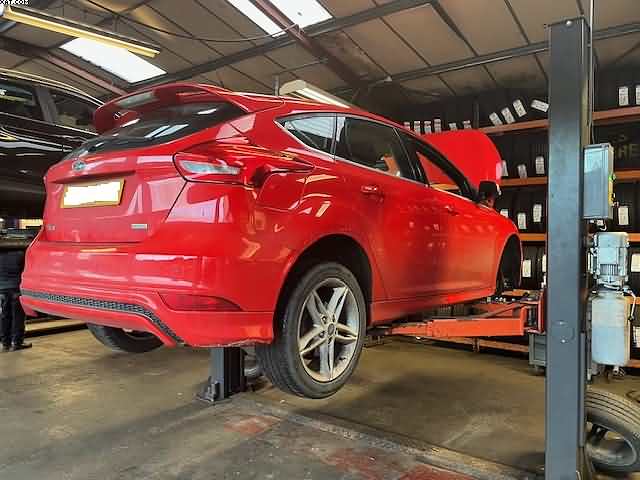
We’ve had a good number of Ford Focus vehicles arrive at Pellon Tyres in Halifax. Since its debut in 1998, the Focus has been a steadfast favourite on UK roads, so it’s really no surprise. It’s a dependable workhorse, a family-friendly hatchback that can handle both a lengthy road trip and a short trip to the grocery store. However, we discovered that even the reliable Focus can experience occasional problems when a recent customer brought one in with grinding brakes.
The Issue of Grinding
When the driver used the brakes, this specific Ford Focus made a noise that sounded like a metalworking factory. Grinding sounds are never a positive sign, and it was simple to identify the cause once we got it up on the lift. In fact, the front brake discs and pads were dangerously old and in poor condition.
The metal backing plate may scrape against the disc due to worn brake pads, which reduces braking effectiveness and produces that terrible grinding sound. In addition to being a typical example of wear and tear, it serves as a reminder of the significance of routine maintenance. If left unchecked, this might have resulted in an accident or, worse, a far more expensive repair.
Ford Focus Front Brakes Overhaul
A Brief Overview of the Ford Focus Tradition
In the world of automobiles, the Ford Focus is somewhat legendary. Thanks to its cutting-edge engineering and contemporary style, it quickly became popular and replaced the Escort in the late 1990s. Its many revisions have kept up with the times while maintaining its original formula of reasonable performance, affordability, and usefulness.
The focus is all around Halifax and the United Kingdom. Whether you’re taking the kids around Calderdale or heading up to the Yorkshire Dales for a weekend escape, this type of vehicle is suitable for any kind of lifestyle. We manufactured the third generation model in our shop between 2010 and 2018. Even though these cars are reliable and sturdy, they are not unbeatable like other cars.
Why Do Brake Issues Like These Occur?
Brakes may experience issues for a number of reasons. The issue with our customer’s Focus stemmed from normal wear and tear. If not replaced immediately, brake pads will naturally deteriorate over time and begin to eat away at the discs. However, additional elements may also be involved:
1. Habits of Driving: Your brake pads will deteriorate more quickly if you use your brakes a lot, which could be the result of aggressive driving or a lot of city driving.
2. Halifax’s hilly terrain: Pay attention to our local roadways. Your brakes may suffer from the high slopes in Halifax and the neighbouring Pennines, particularly if you ride them frequently on the descents.
3. Inexpensive Components: Occasionally, consumers choose less expensive brake components. Although it may save a few pounds up front, this frequently results in less dependable brakes and faster wear.
4. Neglected Maintenance: By neglecting regular maintenance, possible problems like this one may go undiscovered until they become serious ones.
Ford Focus Front Brakes Overhaul
Ford Focus Front Brakes Overhaul in Halifax – Staying Safe on Yorkshire Roads
At Pellon Tyre and Autocentre, we often see vehicles come in with brake problems that could have been sorted much earlier. One recent job involved a Ford Focus that needed a full front brake overhaul.
Brake issues are not something to ignore, especially when driving around the steep and often demanding roads of Halifax.
🚗 The Problem – Worn and Noisy Brakes
The customer brought the vehicle in after noticing a grinding noise coming from the front of the car.
This is one of the most common warning signs we hear about, and it usually means:
Brake pads are completely worn down
Metal is contacting metal
Damage to brake discs has already started
By the time you hear grinding, the problem has already gone beyond a simple pad change.
🔧 The Solution – Front Brake Discs and Pads Replaced
In this case, the solution was straightforward.
We carried out a full front brake overhaul, which included:
Replacing the worn brake discs
Fitting new, high-quality brake pads
Checking the braking system for any additional issues
Using good quality parts is important, as braking performance directly affects safety.
🛣️ Road Testing Around Halifax
After fitting the new components, we carried out a full road test on local roads.
This is something we always do to ensure:
The brakes are operating correctly
There are no noises or vibrations
The vehicle is safe to return to the customer
The result:
👉 Smooth, quiet braking and full performance restored 👍
The customer drove away happy — and more importantly, safe.
⚠️ Why You Should Never Ignore Brake Noises
It’s tempting to ignore small noises, but when it comes to brakes, that can be a costly mistake.
Grinding or unusual sounds can lead to:
Increased repair costs
Damage to discs and calipers
Reduced stopping ability
The longer it’s left, the worse it gets.
⛰️ Halifax Driving Conditions Make Brakes Even More Important
Driving in and around Calderdale means:
Steep hills
Frequent braking
Stop-start traffic
All of this puts extra strain on your braking system.
👉 Nobody wants to be caught out on a steep Halifax road with failing brakes — it’s simply not worth the risk.
👍 Regular Maintenance Saves Money
One thing we always say is:
👉 Catching problems early saves money
If the customer had come in sooner:
It may have just needed brake pads
Instead of discs and pads
Regular checks and servicing can prevent larger repair bills later on.
☕ A Friendly Reminder
We always try to keep things simple and straightforward here.
If your car is making a noise: 👉 Don’t ignore it 👉 Get it checked
We’re always happy to have a look and give honest advice.
And as we like to say here in Halifax…
👉 Let’s get the kettle on and sort it properly 👍
👉 Book Your Brake Check in Halifax
If you’re concerned about your brakes or hearing unusual noises, you can book in with us online:
Spongy Pedal? Grinding Noise? Here’s How We Fixed a Serious Audi Brake Issue in Halifax
There’s nothing quite like driving an Audi, is there? That smooth ride, German engineering, and a touch of class that makes it feel a cut above. But even the best-built cars can run into trouble. And recently, we had a real challenge roll into Pellon Tyre and Autocentre here in Halifax, West Yorkshire – a proper head-scratcher involving an Audi A1 with some very dodgy brakes.
This wasn’t your average squeaky pad. It was the kind of fault that could have led to a serious accident if left unchecked. Thankfully, Dave (our customer) knew something wasn’t right and brought it straight to the experts.
The Problem: Brakes That Just Wouldn’t Stop Audi A1 Brake Problems Solved
Dave described his brakes as feeling “spongy” – sometimes they worked, sometimes they didn’t. That’s enough to make anyone nervous behind the wheel.
After a quick test drive around the block, we knew straight away that this wasn’t just in his head. There was a nasty grinding noise, and the braking distance was far too long. Time to get it up on the lift.
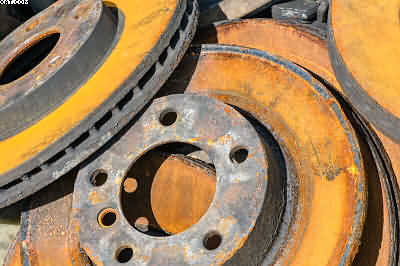
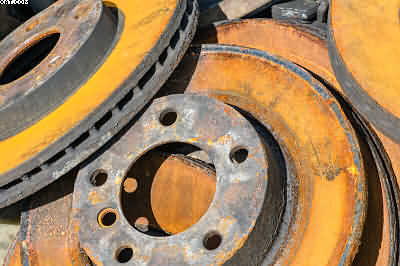
We started by removing the wheels and checking the usual suspects. The brake discs were in a right state – badly corroded, worn, and pitted like the surface of the moon. The brake pads were also toast – thin, uneven, and starting to crumble at the edges. But it didn’t stop there…
The Root Cause: Seized Brake Callipers & Contaminated Fluid
A closer look revealed partially seized brake callipers, causing uneven pad wear and excessive heat build-up. That explained the grinding and inconsistent performance.
To top it off, the brake fluid was old and contaminated – which is often the reason behind a soft or spongy brake pedal. If brake fluid isn’t changed every couple of years, it absorbs moisture and loses effectiveness. (The AA recommends checking it regularly.)
The Fix: Getting the Audi Back to Safety Audi A1 Brake Problems Solved
Once we had a full diagnosis, we got to work. We:
Fitted new high-quality brake pads and discs
Stripped and refurbished the brake callipers
Flushed out the old brake fluid and replaced it with fresh DOT 4 fluid
Carried out full brake testing, including another road test
The result? Dave’s Audi A1 now stops exactly as it should – no sponginess, no grinding, and full confidence every time he touches the brake pedal.
Launched back in 2010, the Audi A1 was Audi’s answer to the likes of the MINI Cooper and Volkswagen Polo – compact, stylish, and still packed with premium features.
Over the years, it’s gone from strength to strength with various engine options, trims, and even performance models. The A1’s a favourite with commuters heading to Leeds or Manchester, thanks to its size, economy, and classy interior.
Despite its smart looks, though, the braking system still needs proper care – especially with our UK winters and salty roads accelerating rust and corrosion on discs and callipers.
Why You Shouldn’t Ignore Brake Issues Audi A1 Brake Problems Solved
Brakes are your car’s most important safety system – no question about it. If your brake pedal feels soft, you hear strange noises when stopping, or you just feel something’s off, don’t take the risk.
We see all sorts of brake issues here in Halifax – especially during MOT season, when cars that have sat unused suddenly need to perform. Catching problems early saves you money and could even save your life.
Dave’s Audi A1 is now back on the road and braking like new – another happy customer in the books.
Here at Pellon Tyre and Autocentre, we’re proud to offer honest, expert service to drivers across Halifax, Sowerby Bridge, Brighouse, Hebden Bridge, and Elland. Whether it’s brakes, MOTs, tyres, or suspension work, we’ve got your back.
If your car doesn’t feel quite right, give us a ring or pop in. It might just need a bit of TLC – and we’re always happy to help.
Audi A1 Brake Problems SolvedAudi A1 Brake Problems Solved
We may request cookies to be set on your device. We use cookies to let us know when you visit our websites, how you interact with us, to enrich your user experience, and to customize your relationship with our website.
Click on the different category headings to find out more. You can also change some of your preferences. Note that blocking some types of cookies may impact your experience on our websites and the services we are able to offer.
Essential Website Cookies
These cookies are strictly necessary to provide you with services available through our website and to use some of its features.
Because these cookies are strictly necessary to deliver the website, refusing them will have impact how our site functions. You always can block or delete cookies by changing your browser settings and force blocking all cookies on this website. But this will always prompt you to accept/refuse cookies when revisiting our site.
We fully respect if you want to refuse cookies but to avoid asking you again and again kindly allow us to store a cookie for that. You are free to opt out any time or opt in for other cookies to get a better experience. If you refuse cookies we will remove all set cookies in our domain.
We provide you with a list of stored cookies on your computer in our domain so you can check what we stored. Due to security reasons we are not able to show or modify cookies from other domains. You can check these in your browser security settings.
Other external services
We also use different external services like Google Webfonts, Google Maps, and external Video providers. Since these providers may collect personal data like your IP address we allow you to block them here. Please be aware that this might heavily reduce the functionality and appearance of our site. Changes will take effect once you reload the page.