Posts

Why-Your-EV-Has-Different-Tyres

Why-Your-EV-Has-Different-Tyres

Why-Your-EV-Has-Different-Tyres 

Why-Your-EV-Has-Different-Tyres 

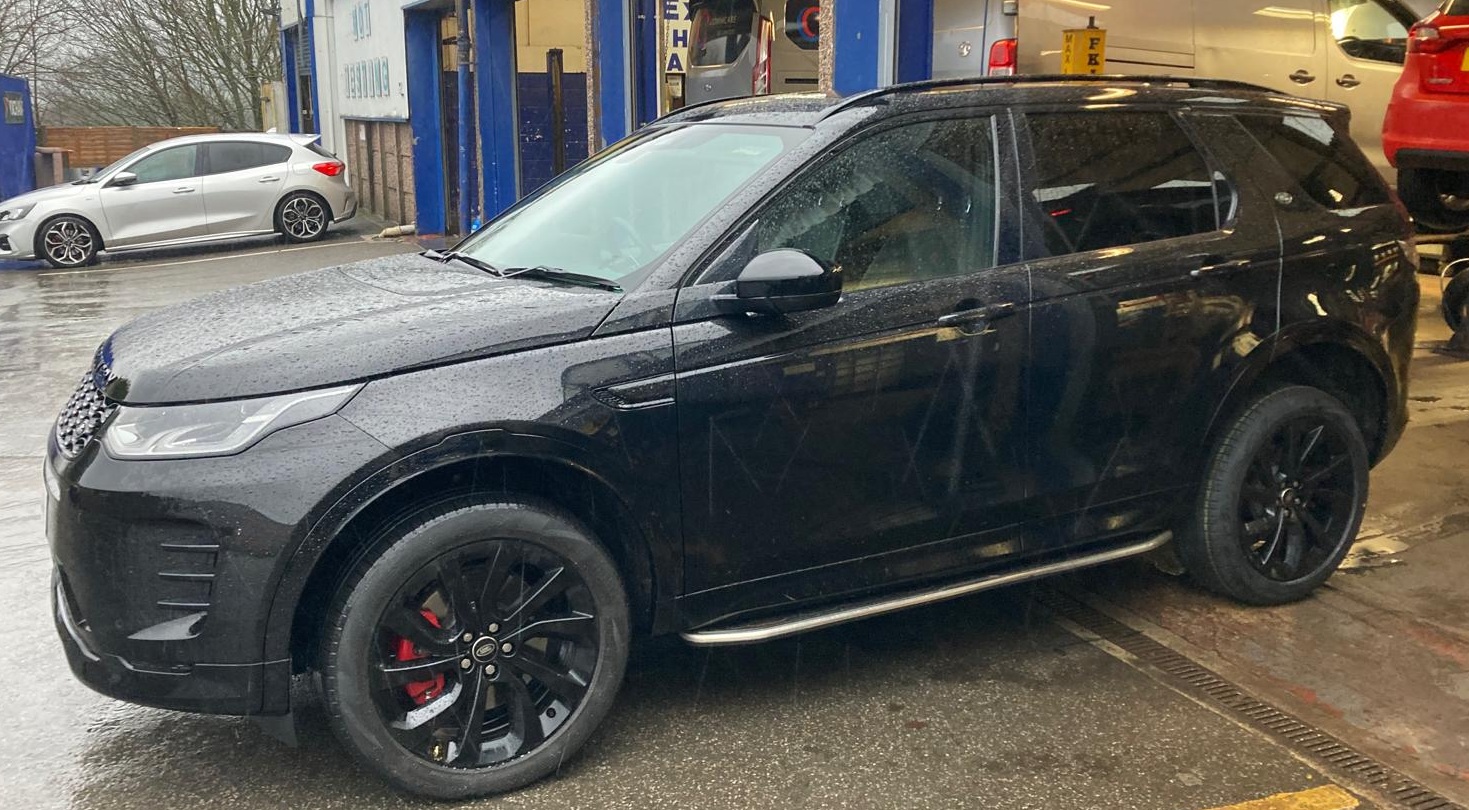
Why EV Has Different Tyres

Why-Your-EV-Has-Different-Tyres 

Electric vehicles bring four main challenges when it comes to tyre performance:

1. Extra Weight (20–30% more than a petrol equivalent)

Most of that extra weight comes from the battery pack. A heavier car puts more strain on the tyres, especially during cornering and braking. EV-specific tyres are built with stronger structures to cope with the extra load.

2. Range and Rolling Resistance

Every bit of drag reduces how far you can travel on a charge. EV tyres use advanced compounds and tread patterns to reduce rolling resistance, helping you squeeze every mile out of your battery.

3. Instant Torque = Faster Wear

One thing EV drivers notice straight away is how quick the acceleration is. Great fun—but very tough on tyres. EV-designed rubber uses improved compounds that resist the quick wear you get from that instant torque.

4. Quiet Running

Electric motors are whisper-quiet. That means tyre noise becomes much more noticeable. Many EV tyres include built-in noise-reducing technology to keep the cabin nice and peaceful.


What Exactly Is an EV Tyre? Why-Your-EV-Has-Different-Tyres

An EV tyre is specially engineered to maximize your vehicle’s efficiency. The tread pattern, compounds, and construction are all designed to:

  • Reduce rolling resistance

  • Improve grip under heavy loads

  • Handle the unique wear patterns of electric cars

  • Keep road noise to a minimum

It’s all about helping the car perform as the manufacturer intended, giving you better range and a smoother, safer drive — especially on the steep climbs and twisty roads around Halifax.


How Are EV Tyres Different from Standard Tyres? Why-Your-EV-Has-Different-Tyres

Standard tyres will fit an electric car — but they’re not designed for the job.
Most EVs weigh significantly more than their petrol or diesel equivalents, meaning:

  • Standard tyres wear out faster

  • Handling can feel heavier or less predictable

  • The car may lose more range

  • The risk of tyre damage or blowouts increases

EV tyres are built to cope with that weight while still remaining efficient. They maintain pressure better under load, which helps the battery work less and keeps you on the road longer.


Can I Just Fit Normal Tyres on My EV? Why-Your-EV-Has-Different-Tyres

Yes, you can. But you probably shouldn’t.

Fitting standard tyres on an EV can reduce your range by up to 20% and may cause irregular wear or overheating on longer journeys. In extreme cases, it can even lead to premature tyre failure.

Considering how heavy EVs are — and how quietly they run—sticking with proper EV-rated tyres is the safest choice.


What Do EV Tyres Cost? Why-Your-EV-Has-Different-Tyres

You might expect EV tyres to cost a fortune, but in reality the prices are similar to any good-quality ICE (petrol/diesel) tyre.
You pay more for premium brands with the latest tech, but budget and mid-range options are available too.

Here at Pellon Tyres, we always match the tyre to the car and customer—no upselling, just honest advice for Halifax drivers.


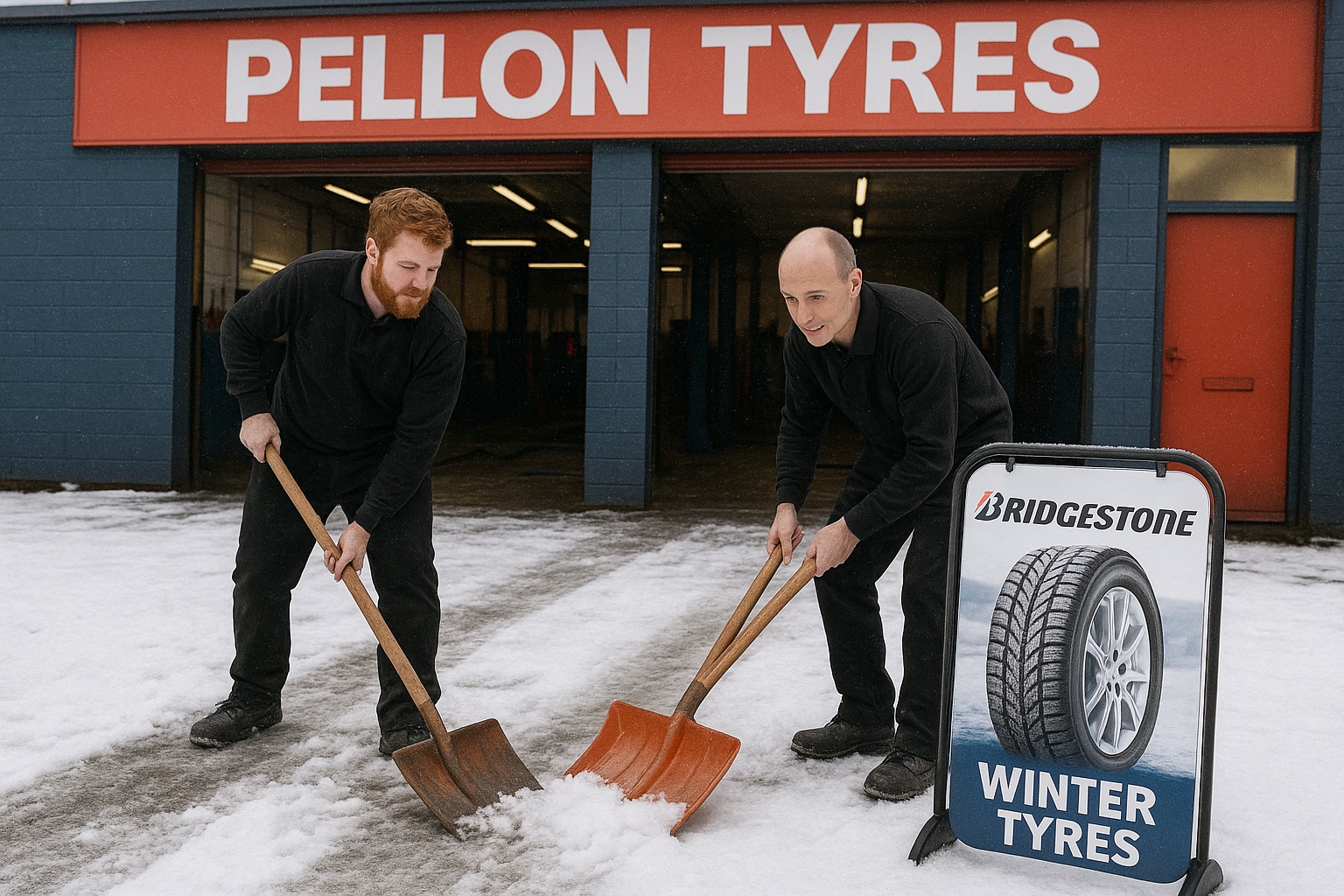
Do EVs Need Winter Tyres?

Winter tyres aren’t compulsory in the UK, but EV drivers can benefit from them more than most.

EV winter tyres:

  • Grip better in freezing temperatures

  • Offer shorter stopping distances on wet and icy roads

  • Keep their flexibility when standard tyres become hard and slippery

For Calderdale’s winters, they’re well worth considering.


Choosing the Right EV Tyre

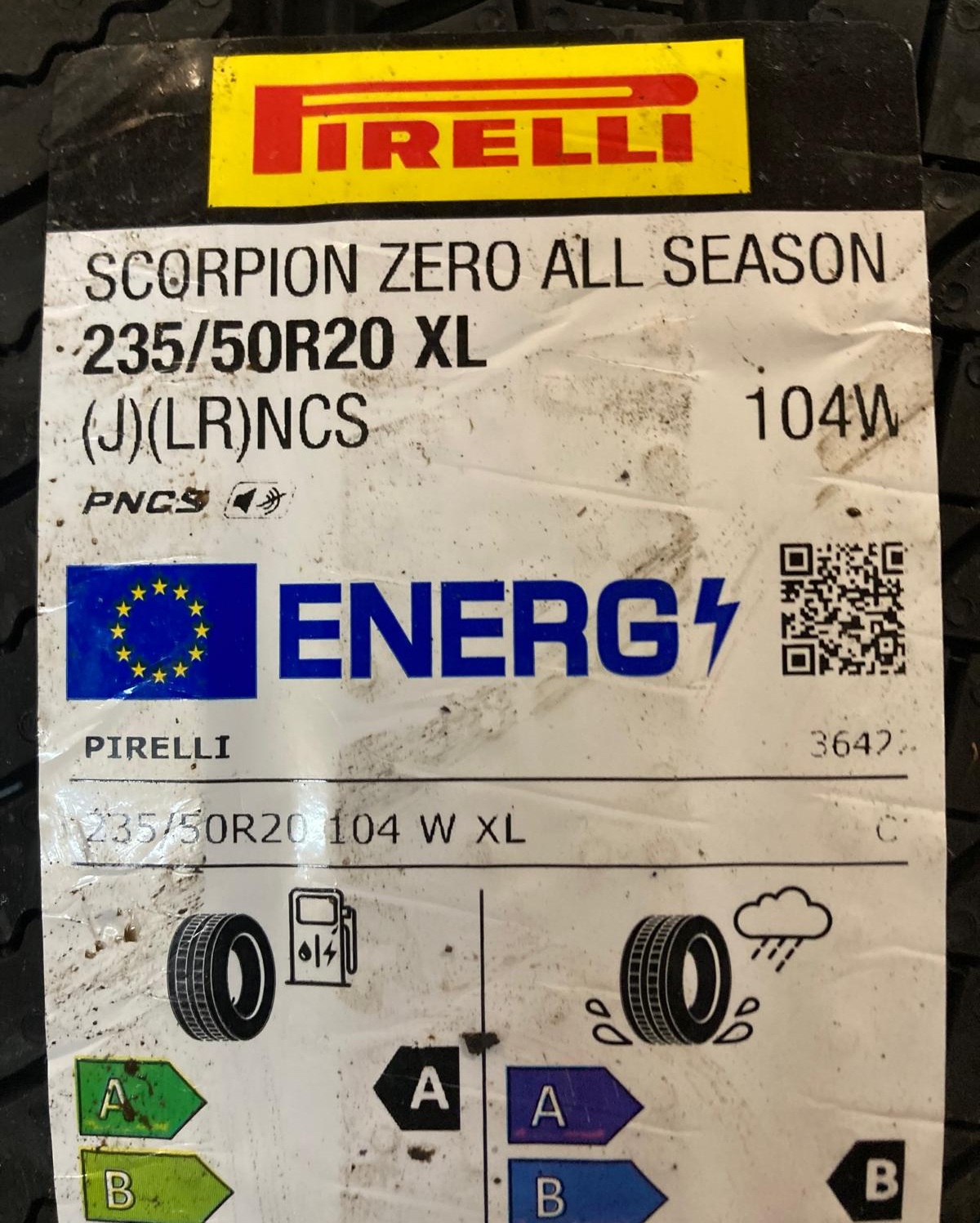
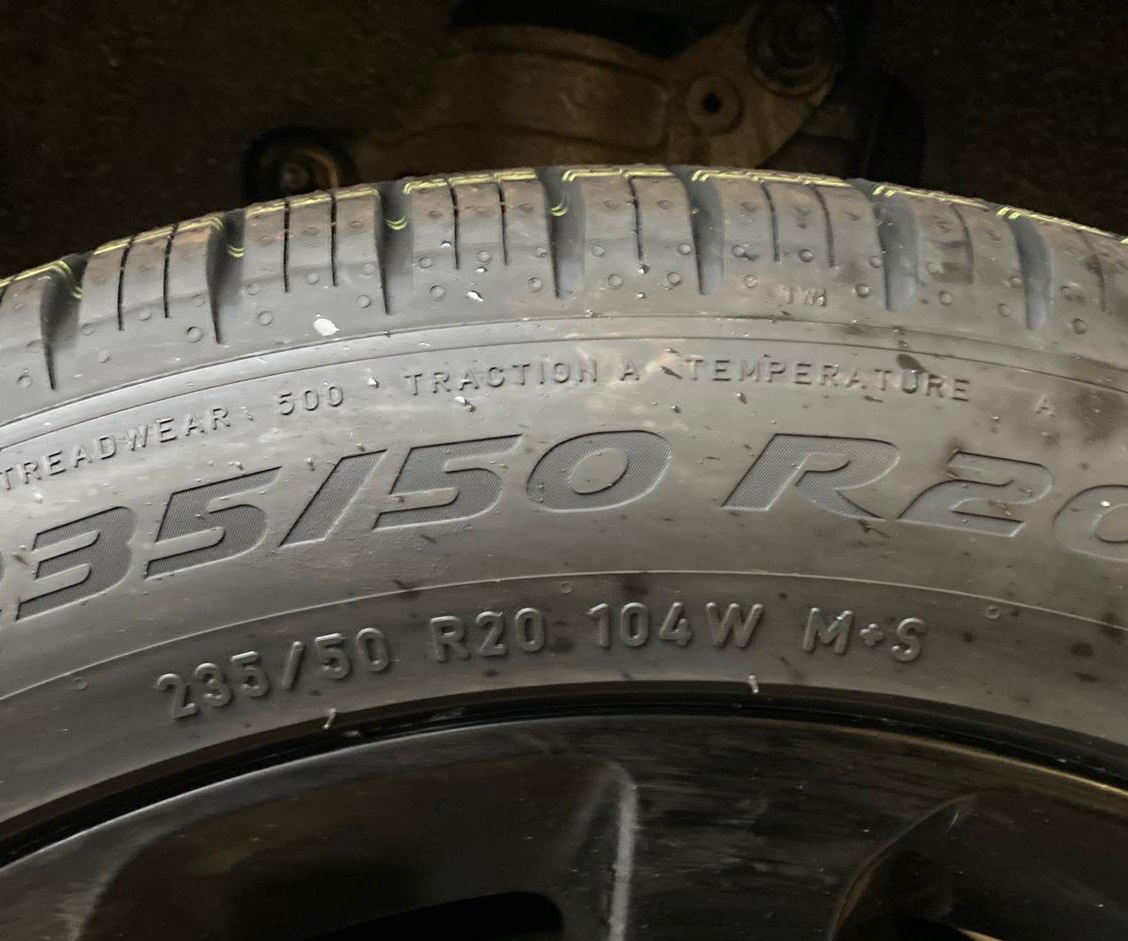
Before buying any new tyre, always check the markings on your existing tyres. These tell you the exact size, load index, and speed rating your car needs. Getting it wrong can affect:

  • Range

  • Ride comfort

  • Safety

  • Warranty conditions

If you’re unsure, just give us a call at Pellon Tyre and Autocentre, Halifax, on 01422 362030.
We’ll help you choose the right EV tyre for your car — without any fuss or flannel.

Toyota Mirai hydrogen fuel cell vehicle unveiled

Toyota Mirai

Toyota Mirai
© Can Stock Photo /

Toyota Mirai

The Toyota Mirai is an electric-drive, mid-size four-door sedan powered by hydrogen, with a range of up to 300 miles and a refuel time of about f…

This is just another part of the big mix of fuels that will power the cars of the near future.

Hydrogen cells are also the favourite of some car manufacturers. Including Toyota now with the Toyota Mirai and BMW. In my opinion, hydrogen will be available at many filling stations in the future.

Toyota Mirai is one of the leaders in hydrogen cell-fuelled cars

It has come to my attention that there are at least three leading car manufacturers that are heading down the hydrogen fuel road with their cars. I am a keen follower of market trends and the direction that the green way forward is heading, and that includes the battle that is rising between EV vehicles, battery Tec technology, the Hydrogen cell technology.

Apart from Toyota with the Toyota Mirai, the other two players are Hyundai and Honda. Other carmakers have also been involved with Hydrogen including the American giant GM. Apparently GM has been running a test fleet of them for a few years now, but it is the Far Eastern country’s carmakers that are ahead of the field.

Toyota Mirai
Toyota Mirai

There are enemies of hydrogen as well as battery-driven cars

But when the largest car company in the world looks interested in something, then it is time to sit up and take note. Toyota is a very experienced and successful manufacturer of cars and has made over 5,600 fuel cell-related patents available. Toyota has started off the motion for hydrogen-powered cars to make it to market at a faster pace.

The inclusion of the auto industry is of particular import to Japan.

Toyota, Honda, and Nissan are key contributors to Japan’s economy, and the industry together accounts for 10% of the national workforce and 20% of exports. To me it is a good thing that Japan is thinking about supporting the home industry, and developing these new products will bring stability to the home workforce.

It does have to make these technologies available to us all eventually to comply with European and American laws, but I think that the Japanese are thinking about this when they free off the patents for the new technology cars.

The scrap between battery power and hydrogen is on.

Both systems have their advantages and disadvantages. So, for instance, electric cars only require plug-in stations. Of course, to be recharged. Significantly, the hydrogen cars will require a network of filling station locations. However, this will mean that they could just be added to the existing gas stations all over the world.

Both cars can claim to have zero emissions.

But the lithium-ion cars are recharged by “dirty” coal-fired power stations. So they are not as green as people think. Especially in countries like China! So, the hydrogen car only emits water, so until the power supplies are greener, the hydrogen car wins there.

At the time of writing this post. Both cars are getting about the same mileage! Subsequently, both types of cars are still very expensive to buy. Hydrogen cars can be refuelled the same as a gas engine. While the battery car has to be charged up over a long period. Although scientists are working on a faster-charged battery all the time,.

Only time will tell which idea brings the most success, but you have to admit that it is interesting times that us auto guys live in.

2025 Update


Hydrogen vs EV – Could Hydrogen Cars Really Work Here in the UK?

Following on from the earlier look at hydrogen-powered cars like the Toyota Mirai, I thought it would be useful to dig a bit deeper into how hydrogen might fit into everyday motoring here in the UK — and more importantly, what it might mean for drivers around towns like Halifax over the next decade.

We all know the government keeps pushing the electric-only route, but the truth is that the future of motoring isn’t settled at all. You’ve got battery EVs racing ahead in sales, yes — but at the same time, hydrogen technology is quietly gaining pace, especially among the big Japanese and Korean brands who tend to think long-term rather than hype-driven.


Why Hydrogen Might Suit British Roads Better Than Many Think

Plenty of drivers are starting to question whether battery-only EVs really suit our infrastructure. Long charging times, queues at chargers, and the simple fact that many people around Halifax live in older terraced properties or flats with no off-street parking make charging a nightmare.

Hydrogen, on the other hand, has big advantages:

  • Fast refuelling – roughly the same time as filling a petrol tank
  • Longer range compared to many EVs
  • Lighter vehicles, because hydrogen fuel cells don’t weigh as much as big lithium batteries
  • Cleaner power, with only water vapour coming from the exhaust

In many ways, hydrogen fits more closely with how people actually use cars today — quick fill-ups, longer trips, and no waiting around for hours at a charger.


Hyundai, Honda, and Toyota – The Far Eastern Push Forward

As mentioned in your original piece, Toyota isn’t alone. Hyundai and Honda are deep into hydrogen research, and in typical fashion, they’re playing the long game. Toyota Mirai, has already reached its second generation, Hyundai has the Nexo, and Honda has experimented with both the Clarity Fuel Cell and several commercial hydrogen platforms.

These companies aren’t just tinkering — they’re investing billions because they believe batteries alone won’t meet global demand.

Meanwhile, over in the USA, GM is working with hydrogen for military and commercial vehicles. The American market often leads with pickup trucks and heavy-duty vehicles, and hydrogen suits those far better than giant battery packs.

But the real innovation still seems to come from Japan and Korea. They’ve always had a knack for building technology that lasts — look how long Toyota hybrids have been running around Halifax without missing a beat!


Could Hydrogen Work in Towns Like Halifax? Toyota Mirai

Honestly, yes — if the infrastructure arrives.

Hydrogen refuelling is still rare in the UK, but the few stations we do have prove the technology works perfectly well in British weather and terrain. Halifax, being hilly and often cold, is exactly the type of environment where hydrogen has an advantage over heavy battery EVs struggling with winter range.

Imagine being able to pull into a station near the Calder Valley, fill up in five minutes, and head straight off again — no messing, no apps, no cables across the pavement.

It’s very similar to how we treat petrol and diesel cars now, which is probably why many drivers feel more comfortable with the idea.


Why Toyota Keep Betting on Hydrogen: Toyota Mirai

Toyota has always been cautious about fully committing to battery EVs. Instead, they produce:

  • Petrol cars
  • Hybrids
  • Plug-in hybrids
  • Hydrogen cars

They’re spreading their bets, and hydrogen is a big part of their long-term vision. The Mirai isn’t just a science experiment — it’s a proper production car that already has loyal owners.

Toyota knows something the rest of the world is slowly discovering:

There isn’t going to be one single solution to replace petrol and diesel—we’re going to need a mix.

Hydrogen, hybrids, and improved batteries will all have a part to play.

ABS Braking Systems Today

ABS Braking Systems Today

ABS Braking Systems Today

ABS Braking Systems Today

ABS Braking Systems Today—How Modern Cars Keep You Safe on the Road

When ABS braking systems first appeared on mainstream cars, most drivers thought they were a bit of a gimmick. These days they’re an essential part of a car’s safety system, working quietly in the background every time you hit the pedal. Yet many drivers still aren’t sure how ABS actually works or what affects its performance. As someone who sees brake issues, tyre wear, and ABS faults every single week at Pellon Tyres in Halifax, I thought it was time to take a closer look.


What ABS Actually Does: ABS Braking Systems Today

ABS (Anti-lock Braking System) is designed to stop your wheels from locking when you brake hard. Locking wheels means skidding, and skidding means zero steering control.
ABS steps in by rapidly pulsing the brake pressure on each wheel—far quicker than a human could pump the pedal—so the wheels keep turning just enough to maintain grip.

In real terms this gives you two big advantages:

  • You can steer while braking, avoiding hazards.

  • Your car often stops quicker and in a straight line on most road surfaces.

In today’s traffic, that can easily be the difference between a near miss and a major accident.


Modern ABS – Smarter, Faster, and Linked to Other Systems

Today’s ABS isn’t a standalone gadget. It’s linked to a whole host of systems:

  • Traction control, preventing wheel spin

  • Electronic Stability Control (ESC), keeping the car stable in a skid

  • Brake Force Distribution, balancing braking across all wheels

  • Automatic Emergency Braking on newer cars

The wheel-speed sensors and control units are far more accurate than they used to be, and modern systems can monitor individual wheel grip in milliseconds.

Even electric cars rely heavily on ABS integration to work alongside regenerative braking, so the system has become more important than ever.


When ABS Can Feel Different: ABS Braking Systems Today

Most of the time ABS gives you shorter stopping distances, but there are situations where you’ll feel it working harder:

  • Loose gravel and deep snow—a locked wheel can dig in, so ABS may take slightly longer to stop, but it gives you steering control.

  • Polished iceABS prevents total lock-up, but grip is still almost zero.

  • Big mismatches in tyres — worn, mixed, or cheap tyres confuse the sensors and reduce efficiency.

That last point is a big one — because your tyres and your ABS are a team, and if the tyres can’t grip, ABS can’t do its job properly.


Tyres and ABS: Why the Right Rubber Matters

ABS relies on the tyres maintaining contact with the road. That means:

  • Good tread depth

  • Correct tyre pressures

  • Correct tyre size (especially on cars with fancy electronics)

  • Matching tyres on each axle

At Pellon Tyres in Halifax, we regularly see cars where the ABS is fighting a losing battle because the tyres are poor quality or badly worn. Regular checks, wheel alignment, and choosing a proper brand — not the nameless budget stuff — make a huge difference.

If you drive in winter or spend time on hilly Yorkshire roads, you’ll feel the benefit of fitting a quality all-weather or winter tyre, which gives the ABS system the grip it needs in bad conditions.


Looking After Your ABS System: ABS Braking Systems Today

ABS systems are reliable but not indestructible. Here’s what to keep an eye on:

  • ABS warning light on your dashboard — don’t ignore it

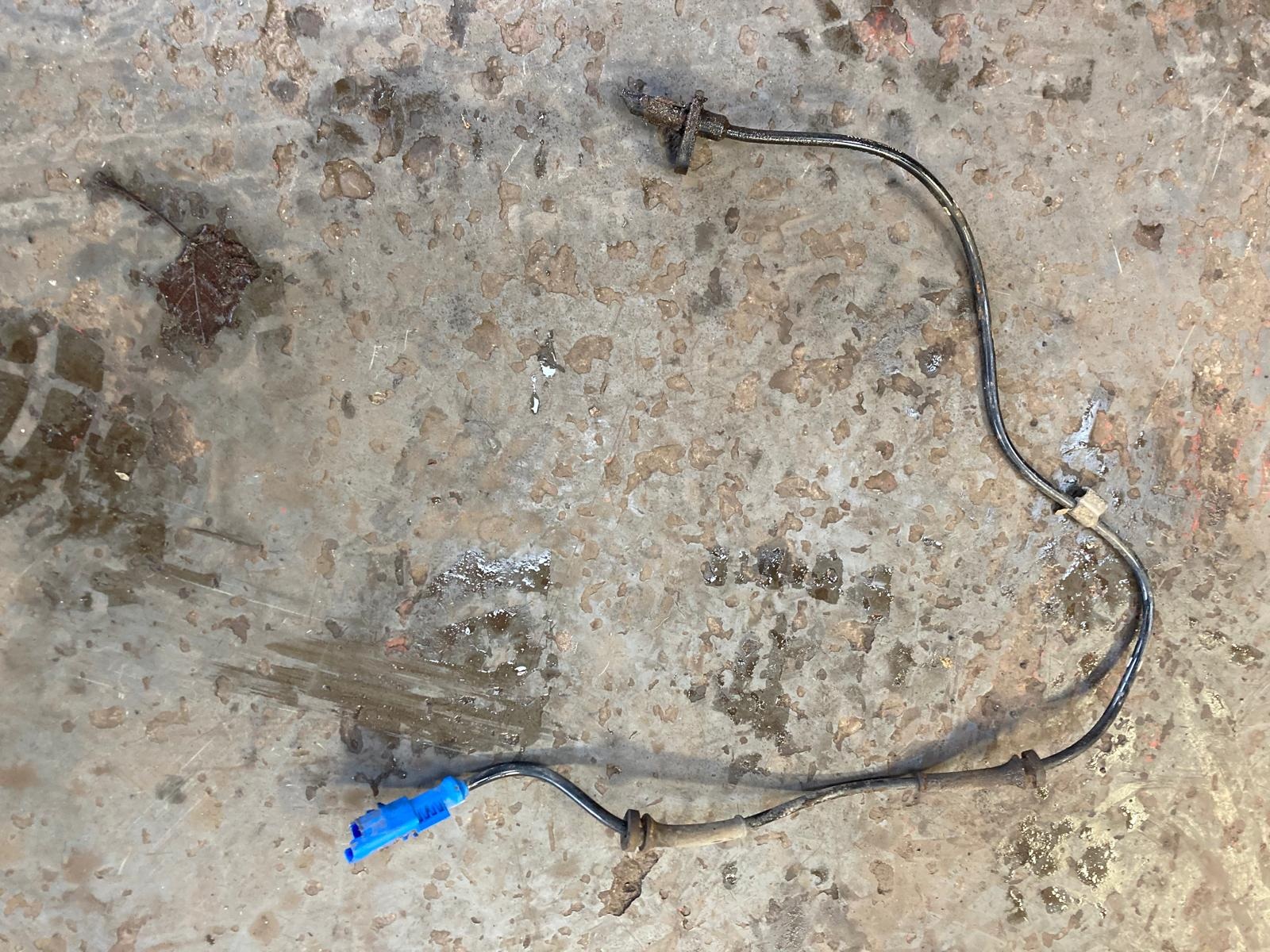
  • Corroded or damaged wheel-speed sensors

  • Broken wiring after pothole impacts Incorrect tyre sizes confusing the readings

  • Low brake fluid

If your ABS light is on, your car will still brake—but without the safety net. It’s worth popping into Pellon Tyres for a quick check rather than risking an emergency.

ABS Braking FAQ: ABS Braking Systems Today

1. Does my car fail its MOT if the ABS light stays on?
Yes. If the ABS warning light is illuminated, the car will fail its MOT because the system is classed as a major safety feature.

2. Is ABS supposed to buzz or vibrate when it activates?
Yes. A pulsing feeling through the pedal is normal — it means the ABS is kicking in and preventing wheel lock.

3. Can worn tyres affect how well the ABS works?
Absolutely. Low tread, uneven wear, or cheap part-worn tyres can all stop ABS from gripping properly on wet roads.

4. Is it safe to drive with the ABS light on?
The car may still brake normally, but the anti-lock function isn’t working. Braking distance increases, especially in wet weather.

ABS Matters More in Halifax Than You Might Think
With our steep hills, tight back roads, and long wet spells, ABS plays a huge part in stopping safely. Whether you’re coming down Boothtown Road in the rain or braking on black ice towards Sowerby Bridge, a properly working ABS system can make the difference between a clean stop and a collision.

Why Choose Pellon Tyres?

  • Honest, down-to-earth service you can trust
  • Fast turnaround on all ABS brake repairs
  • Expert technicians with decades of experience
  • High-quality parts at sensible Yorkshire prices
  • Local, friendly, and always happy to help

Need tyres or brake repairs in Halifax? Call Pellon Tyres on 01422 35314 or visit us on Pellon Lane.

Wexford to Halifax

Wexford to Halifax

Wexford to Halifax
Wexford to Halifax

Wexford to Halifax

Wexford to Halifax – Another Customer Travels for Pellon Value

You’d think after all these years in the tyre trade that nothing would surprise me… but no. Every so often, something happens at Pellon Tyres that makes me smile and reminds me why we’ve built such a loyal customer base.

This week we had another long-distance visitor – and this chap came even further than the lad from the Isle of Arran.
This one travelled all the way from Wexford in Ireland.

Yes… Ireland!

Wexford to Halifax
Wexford to Halifax

A Kia Sportage, a Family Visit, and Halifax Prices That Can’t Be Matched

The story began when my manager received a phone call from a friendly Irish fella who was planning to visit family over here. He runs a Kia Sportage, and like a lot of people these days, he’d been shopping around online for the best tyre prices.

It didn’t take him long to realise something:

Our prices in Halifax were cheaper than the ones he was getting in Ireland — even after ferry trips and travel costs.

He’d already heard good things about us from a mate of his who’d lived in West Yorkshire years ago (word gets around!), so he booked in for a full set of tyres:

🟢 4 x 225/60R17 Comforser tyres
🟢 Wheel alignment while he was here

A proper job, done properly.


Why People Travel for Tyres: Wexford to Halifax

You might wonder why people cross borders and seas just for tyres — but once you’ve spent decades in this trade, the answer is simple:

Honesty, fair prices, and proper workmanship.

It doesn’t matter if you’re from Mixenden, Mirfield, or County Wexford — people know when they’re getting looked after. And once they know, they come back. Even if “coming back” involves a ferry, two motorways, and a visit to family.

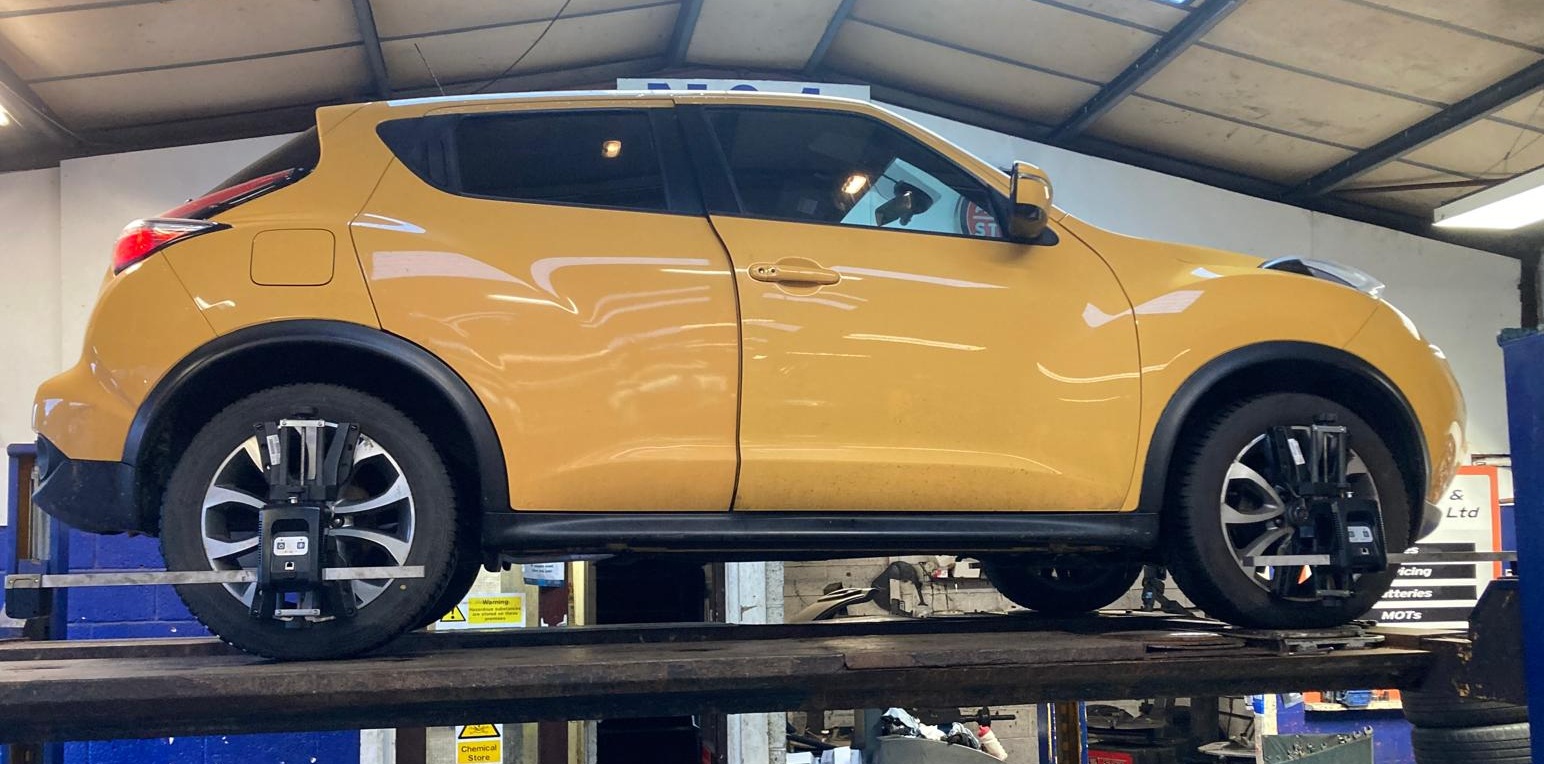
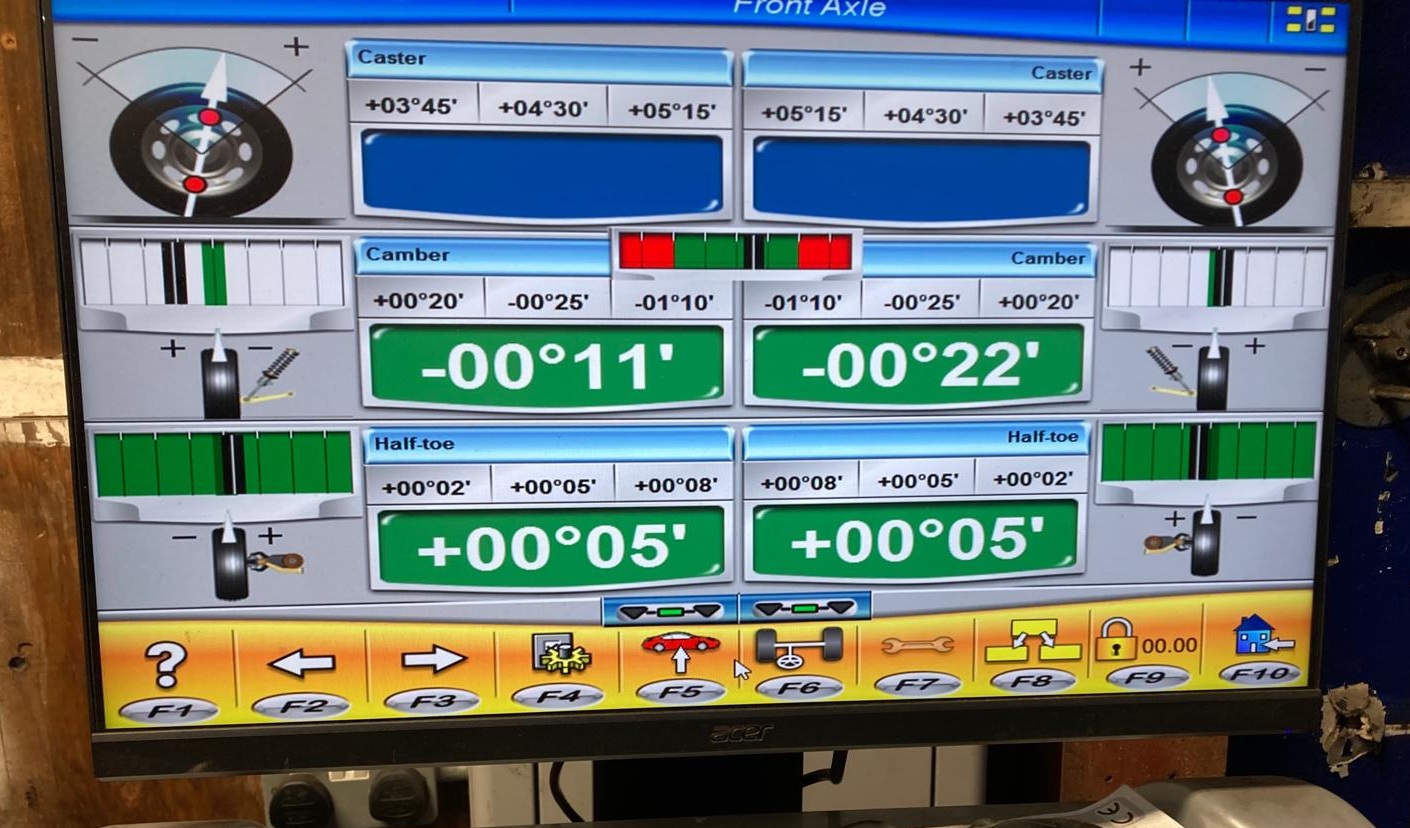
What really makes me proud is that the chap trusted us enough to include a wheel alignment too. Anyone can sell a set of tyres, but taking the time to make sure the steering and tyre wear are spot on… that’s where the real value comes in.

Extra Paragraph – Wexford Customer Story: Wexford to Halifax

A similar thing happened only a week or so later when another long-standing customer got in touch — this time from Wexford in the Republic of Ireland. He’d bought a Kia Sportage after moving across the Irish Sea but still preferred to sort his tyres here in Halifax when visiting family. Prices in Ireland can be eye-watering compared to the UK, so he took the opportunity to call into Pellon Tyre & Autocentre for a full set of 225/60R17 Comforser tyres and a wheel alignment before heading back to the ferry. Wexford is a beautiful place — rolling farmland, coastal lanes, and proper rural driving — so he wanted tyres that offered good grip, durability, and value for money. Even after adding the travel costs, he told us he still saved a tidy sum by coming to Halifax, and more importantly, he knew the job would be done properly. It’s great to see customers who’ve moved abroad still choosing to come “home” to us for their tyres.

A Few Words About Comforser Tyres: Wexford to Halifax

Comforser tyres have become a popular choice for drivers who want decent performance without paying top-end prices. They’re what I call a solid mid-range tyre — not dirt cheap, but very good value for the money. Over the years we’ve fitted loads of them here at Pellon Tyres, especially on family cars, SUVs and crossovers like the Kia Sportage.

They offer a comfortable ride (the clue is in the name) and good wet-weather grip, and they tend to wear evenly when looked after with proper alignment — something we always recommend. For customers who rack up plenty of motorway or rural miles, they’re a sensible option that doesn’t break the bank. That’s exactly why our Wexford customer went for a full set: reliable, affordable, and ideal for the mixed driving you get on Irish roads.

That’s the Pellon way.

The document titled Wexford to Halifax addresses the importance of sourcing tyres in Halifax, particularly for Kia Sportage vehicles. Consumers seeking affordable options may explore tyre prices in the UK, including competitive deals from Pellon Tyres Halifax. Additionally, the comparison of tyre prices between Ireland and the UK could influence purchasing decisions, prompting travel for tyres if advantageous. Ensuring proper wheel alignment in Halifax is also essential for optimal vehicle performance, alongside the pursuit of cheap tyres in Yorkshire and Comforser tyres to meet diverse needs.

Halifax to the Isle of Arran

Halifax to the Isle of Arran

Halifax to the Isle of Arran

Halifax to the Isle of Arran

Halifax to the Isle of Arran – A Customer Who Never Forgot Pellon Tyres

Every now and again something happens at the garage that reminds me why I’ve loved this trade for so long. We’re used to customers popping in from Sowerby Bridge, Elland or perhaps the odd one from Leeds who works in Halifax – but this week brought a surprise that really made my day.

Early on Monday morning, the phone rang. My manager, Debbie, answered, expecting the usual run of winter tyres and MOT bookings. Instead, the chap on the other end started by saying:

“I used to live in Halifax… about thirteen years ago… but I’m phoning you from the Isle of Arran.”

Now, the Isle of Arran isn’t exactly round the corner. It’s a beautiful Scottish island, rugged, hilly, windswept and totally different from our Yorkshire valleys. But despite being miles away, this customer remembered Pellon Tyres as the place he trusted most for honest advice and fair prices.

You can’t buy loyalty like that.

Halifax to the Isle of Arran

Choosing the Right Tyres for Island Life: Halifax to the Isle of Arran

He went on to explain that he now works outdoors on the island, often in fields and on rough terrain, and drives a Toyota Land Cruiser — the ideal vehicle for that kind of lifestyle. The only problem was finding the right tyres for such varied conditions.

Local prices on Arran were steep, and the choice wasn’t great. So he did what many people do: he rang his old trusted garage back in Halifax for advice.

After a proper chat with the lads in the office and going through all the options, he settled on the Toyo Open Country A/T 265/65R17—a cracking all-terrain tyre that’s perfect for the mix of fields, farm tracks and steep island roads. Not a full-blown winter tyre, but with enough bite and strength to cope with the rugged landscape.

A proper working tyre for a proper working vehicle.


And While He Was At It… Another Set for His Other Car! Halifax to the Isle of Arran

A couple of days later, he rang back again—not only did he want the Toyos for the Land Cruiser, but he also wanted a pair of Yokohama Geolandar 225/55R18 for his other car.

Why? Simple:

Even with the delivery cost, our price was cheaper than buying tyres on the island.

Times may change, electric cars may come and go, but one thing stays the same: Yorkshire folk (even the ones who’ve migrated north of Hadrian’s Wall!) never forget where they get good value for money.


A Little Bit of Halifax on a Scottish Island: Halifax to the Isle of Arran

I love stories like this because they show what proper, old-fashioned customer service can lead to. This chap hasn’t lived in Halifax for more than a decade, but he still remembered the friendly welcome, fair pricing and honest advice he got when he used us years ago.

We always say that tyres aren’t just black round things — they’re a lifeline. They keep you safe whether you’re coming down the steep cobbles of Halifax Old Town, trundling up the A629 to Keighley, or crossing a misty moor track on the Isle of Arran.

And it’s good to know that our little garage on Pellon Lane is still the place people turn to… even if they now live on a remote island surrounded by seals, cliffs and the wild Atlantic!


If You Need Tyre Advice – Whether You’re in Halifax or Honolulu – Give Us a Bell

Whether you’re just up the road in Mixenden or you’ve moved halfway across the UK, we’re always here to help. We’ve supplied tyres to customers in France, Spain, Scotland, and now Arran—but nothing beats the warm feeling of a Halifax lad remembering where he got looked after properly.

If you need advice on all-terrain tyres, winter tyres or just something sensible for everyday use, pop in or give us a ring:

👉 www.pellontyres.co.uk

And if you’re planning a break away from the bustle of Halifax, don’t forget we’ve got a lovely spot over on the Yorkshire Coast too:

👉 Why not take a look at our quiet holiday base near Flamborough? (Lucky Paws – seasonal, peaceful coastal breaks)

Winter Tyres Insurance

Winter Tyres Insurance

Winter Tyres Insurance

Winter Tyres Insurance

Can Your Car Insurance Be Affected by the Tyres You Have on Your Car?

Most drivers never give their tyres a second thought beyond making sure they’re legal and have a half-decent amount of tread. But here’s something many don’t realise—your car insurance can be affected by the tyres you fit, and in some cases it can even invalidate a claim. It sounds a bit over the top, but insurers take tyres very seriously, and for good reason.

Safety First — and Insurers Know It: Winter Tyres Insurance

Your tyres are the only part of your car that actually touch the road, so anything that affects grip, stability, or stopping distance will naturally be a concern for insurers. If a crash happens and your tyres are found to be illegal, unsafe, or unsuitable for your vehicle, the insurer can argue that the car wasn’t being used in a roadworthy condition.

That can lead to reduced payouts — or, in the worst case, no payout at all.

Illegal Tyres = Invalid Insurance: Winter Tyres Insurance

This is the big one. If your tyres don’t meet the legal requirements, you’re technically driving a vehicle that isn’t roadworthy. That includes:

  • Tread depth below 1.6mm across the central 75%
  • Bulges, cuts, cords showing, or structural damage
  • Wrong tyre size or load rating for your car
  • Mixed tyres that aren’t allowed (for example: mixing cross-ply and radial)

If you were involved in an accident and the police or insurer found any of the above, you could find your claim refused — and even pick up points, fines, or both.

Modifications: Bigger Wheels, Off-Road Tyres & AT Tyres

In recent years a trend has grown for fitting:

  • Oversized wheels
  • All-terrain (AT) tyres
  • Mud-terrain tyres
  • Custom aftermarket sizes

These aren’t illegal — but many insurers class them as modifications. And they absolutely must be declared.

If the car came from the factory on road tyres and you’ve swapped to chunky AT tyres (very common in Land Rovers, Hilux, and SUV models), an insurer may see that as:

  • A performance change
  • A handling change
  • A risk factor
  • A replacement cost increase

Failing to declare a modification, even an innocent one, can void a policy.

Here at Pellon Tyres we see this a lot — customers upgrading to AT tyres for farming work, rural living, or winter safety, without realising they have to tell their insurance company.

Most insurers are absolutely fine with it once you’ve told them.
But if you don’t tell them… you could be asking for trouble.

Cheap Part-Worn Tyres — Another Risk Area: Winter Tyres Insurance

Many insurance assessors frown on part-worn tyres. Strictly speaking, they’re legal if properly tested and stamped — but many aren’t. If your car is inspected after a crash and it’s found to be on unsafe or incorrectly marked part-worns, an insurer can argue “negligence”.

Again, this can reduce or invalidate a claim entirely.

Seasonal Tyres — Winter & All-Season Tyres Are Fine

A common question we get asked in Halifax is whether swapping to winter tyres affects insurance. The answer is simple:

No — as long as the tyre size and load/speed rating match the vehicle requirements.

Most UK insurers actively support winter tyres because they improve safety in cold weather. Just make sure the tyres are:

  • Correctly rated
  • Fitted as a full set
  • Not oversized

Final Advice — Simple Steps to Keep Your Insurance Safe: Winter Tyres Insurance

To keep yourself fully covered:

  • Always fit the correct-sized tyres
  • Maintain at least 1.6mm tread depth (preferably 2 mm+)
  • Avoid mixing random tyre types
  • Declare any upgrades, AT tyres, or wheel size changes
  • Avoid dodgy part-worn tyres
  • Keep your tyres inflated correctly

Insurance companies want a roadworthy car. As long as your tyres are legal, properly fitted, and correctly declared, you’ll never have a problem.

So, I always find it strange to hear my customers say, “Will my car be insured if I fit winter tyres?” I used to think that they were joking at first. But for some reason, they were very serious. Apparently, it was something that they had read in a national newspaper. When I checked this out, it said that if you modify or change your car from the original specs,. So, then you should inform your insurance company. Subsequently, you could not be insured in case you had an accident.

I suspect that this covers thousands of motorists. Importantly, driving about today, “with what they would consider minor adjustments” to their cars. Of course, such as fitting winter tyres or a “go faster stripe” down the side.

There is no doubt that winter tyres do affect your car’s performance. However, only for the better!  By making the car drive with better control and brakes. Especially in winter weather, from rain to ice and snow. As long as you stick to the same size and the advised load rating for your car. Then you should be fine and proud to fit the winter tyres.

Insurance companies should give you “discount” for fitting winter tyres – Winter Tyres Insurance

Even this year, our customers have asked about the effect winter tyres can have on their insurance. So I thought that I would look into it a little deeper and write an article about the subject. In my opinion, I think that you should get a rebate from your insurance company. Of course, if you make your car safer by fitting winters to it. In fact, the big debate for me is, “Are cars with illegally worn tyres insured?” and the answer is no. But I will look at that in a future article.

The problem has also become an issue with the insurers themselves. Consequently, after a deluge of enquiries from worried car owners. Strangely, they thought that they would not be insured if they fitted these tyres to their car. According to the Association of British Insurers (ABI), the problem has been taken up with its members. So, now over 90% have agreed that they will not increase premiums. Happily, for their customers, they fit the correct winter tyres on their vehicles.

Winter tyres much safer – Winter Tyres Insurance

They also agreed to fit winters to their car. So, it made for better road safety over the winter period. In fact, many of the other European countries make it a law to fit winters between November and March of the following year, so why should the British motorists be penalised?

A statement from the ABI says, “Often motor insurers will not charge an additional premium when their insured customers use winter tyres, provided that they meet and are fitted in accordance with the vehicle manufacturers’ specifications and are in a roadworthy condition.”

If you are unsure about your own insurance company’s stance on the matter, then you can either ring them up or go to the ABI website, where insurers who comply with the “good to fit winter tyres” rule are listed. The web address is “ABI a guide to winter tyres“.

Winter tyres will not incur additional insurance costs.

As I stated earlier in this article,. So, the insurance companies often increased the cost of your insurance if you modified your car in any way and did not inform them; things like an upgraded, modified engine spring to mind. They regarded you as being more likely to have an accident if you had modified your car, and your car may have become a bigger target for car thieves, so an extra premium would have been charged.

At first when winter tyres became more popular, the insurance companies gave out mixed messages, but the ABI can now confirm that winter tyres are a safety issue and are a great improvement when fitted to your car during the winter period.

My own advice would be to inform your insurance company that you are fitting winter tyres. You will not have to pay any extra premiums. Some companies do require you to inform them; a list can be found on the ABI website. Nick Starling, ABI’s director of general insurance, said, “Insurers do not want to penalise motorists who take steps, like fitting winter tyres, to improve their safety on dangerous winter roads. Last year cold weather came early, and there was some uncertainty for customers about the insurance implications of fitting winter tyres. This commitment clarifies the position for motorists.”

A good tyre retailer will have a website where you can legally convert important information, and insurance providers ought to accept it.anies. Some insurance companies, such as Tesco and The Co-operative Insurance Company, state that you are alright to fit winters, but you should not oversize them. Oversizing tyres is not a good thing anyway?

Pellon Tyre and Auto-Centre offers car and van servicing and repairs to all makes of vehicles. Finally, we are still the Nokian tyre dealers for the Calderdale area of Yorkshire.

Pellon Tyres is now a member of TyreSafe.org

We also sell General Winter Tyres online from our website, www.pellontyres.co.uk.

nissan-micra-exhaust-halifax

nissan-micra-exhaust-halifax

nissan-micra-exhaust-halifax

nissan-micra-exhaust-halifax

Another Busy Day at Pellon Tyres – This Time a Noisy Nissan Micra!

Just when we thought the day couldn’t get any busier with all the broken coil springs coming through the workshop, another job rattled its way onto the forecourt—quite literally. This time it was a Nissan Micra, and we didn’t need a stethoscope to know what was wrong. The poor thing was roaring louder than a motorbike, and you could hear it before it even turned into Pellon Lane.

With all the pothole jobs piling up, we weren’t surprised to see yet another victim of winter weather and rough Calderdale roads. But this one wasn’t suspension-related — it was the exhaust system making all the fuss.

A Noisy Arrival at the Garage

As soon as the Micra swung onto the forecourt, Dale looked up from the ramp and said, “That’ll be the exhaust, no doubt about it.” He wasn’t wrong.

The driver – a young lad from Mixenden – climbed out, shaking his head.
“It started off as a little noise,” he said, “but by the time I got to Halifax, it sounded like Concorde taking off!”

Up on the ramp it went, and the fault stood out straightaway:
a clean break in the exhaust pipe, just ahead of the back box. The metal had rusted away completely, worn thin from years of muck, salt, and wet weather. Once a weak point gives way, the exhaust basically splits, and the car becomes louder than a rugby crowd at Headingley.

nissan-micra-exhaust-halifax

A Straightforward Fix

Exhaust jobs can be tricky depending on the age of the car, but this one was nicely behaved. After a good soak with penetrating oil and a bit of persuasion, Dale and the lads had the old section off in minutes. We fitted a new piece, clamped everything securely, checked for leaks, and made sure the rest of the system was in decent condition.

The difference was instant. From a deafening roar to a quiet purr in under an hour.

The lad was well chuffed, saying he didn’t realise how peaceful the drive home should actually sound!

nissan-micra-exhaust-halifax
new system ready to be fitted

Why Exhausts Suffer in Halifax: nissan-micra-exhaust-halifax

It’s no surprise we see so many broken exhausts at this time of year. Halifax roads gather everything from grit to puddles, and all that moisture sitting on the pipes causes rust. Combine that with pothole impacts and winter frost, and an older exhaust doesn’t stand much of a chance.

Common signs of exhaust trouble include:

  • A loud roaring or blowing noise

  • Rattling from underneath the car

  • The smell of fumes

  • Reduced fuel economy

  • A low-hanging or dragging exhaust

If any of these crop up, it’s worth nipping in. We can spot a crack or rust patch in minutes.

A Little History of the Nissan Micra in the UK: nissan-micra-exhaust-halifax

The Nissan Micra has been a firm favourite on British roads for decades. It first appeared here in the early 1980s, winning drivers over with its reliability, tiny running costs, and simple engineering. The K10 model especially earned a reputation for lasting forever — you still see them in the wild if you’re lucky.

By the time the early 2000s rolled around, the Micra had become a proper household name, especially amongst first-time drivers, retirees, and anyone wanting a cheap and cheerful runaround. They were built at Nissan’s Sunderland plant for years, helping to cement Nissan as one of the UK’s major car manufacturers.

Even today, the Micra remains a common sight around Halifax, and they come through our workshop regularly — usually for simple jobs like exhausts, brakes, or tyres.

It’s one of those dependable little cars that just gets on with the job.

Thinking Ahead to Spring: nissan-micra-exhaust-halifax

As I chatted to the Micra’s owner while Dale finished the job, he said he couldn’t wait for the warmer weather—fewer potholes, fewer breakdowns, and a chance to get out and about without freezing. That reminded me that our Thornwick Bay holiday home will soon be open again for spring and summer stays.
There’s a lovely page on the Lucky Paws site showing the Flamborough walks — well worth a look if you fancy a peaceful getaway after a winter of dodging potholes and exhaust-rattling roads!

hyundai-i30-pothole-broken-spring

hyundai-i30-pothole-broken-spring

hyundai-i30-pothole-broken-spring

hyundai-i30-pothole-broken-spring

Halifax Potholes Claim Another Victim – This Time a Hyundai i30 at Pellon Tyres

If there’s one thing you can rely on in Halifax these days, it’s rain, hills, and potholes big enough to rattle your teeth. And here at Pellon Tyre & Autocentre, we’re seeing the results on a daily basis. Springs snapping, steering arms bending, tyres bursting – it’s becoming part of the morning routine.

This week brought yet another unlucky driver through our doors, this time in a Hyundai i30. Same culprit as usual: a hefty pothole somewhere on their commute. It seems no matter whether you’re coming down Wade Street, heading up to Illingworth, or cutting across Pellon Lane, you’re bound to encounter a crater that could pass for the entrance to a coal mine.

A Rough Ride for the Hyundai i30: hyundai-i30-pothole-broken-spring

The i30 arrived with the driver shaking her head. She’d hit a pothole at the bottom of King’s Cross Road and immediately heard a strange clatter from the front of the car. She described it as “an old saucepan being thrown around under the bonnet”—which gave Dale and the lads a good laugh, but she wasn’t far off.

Up on the ramp it went, and within minutes we saw it:
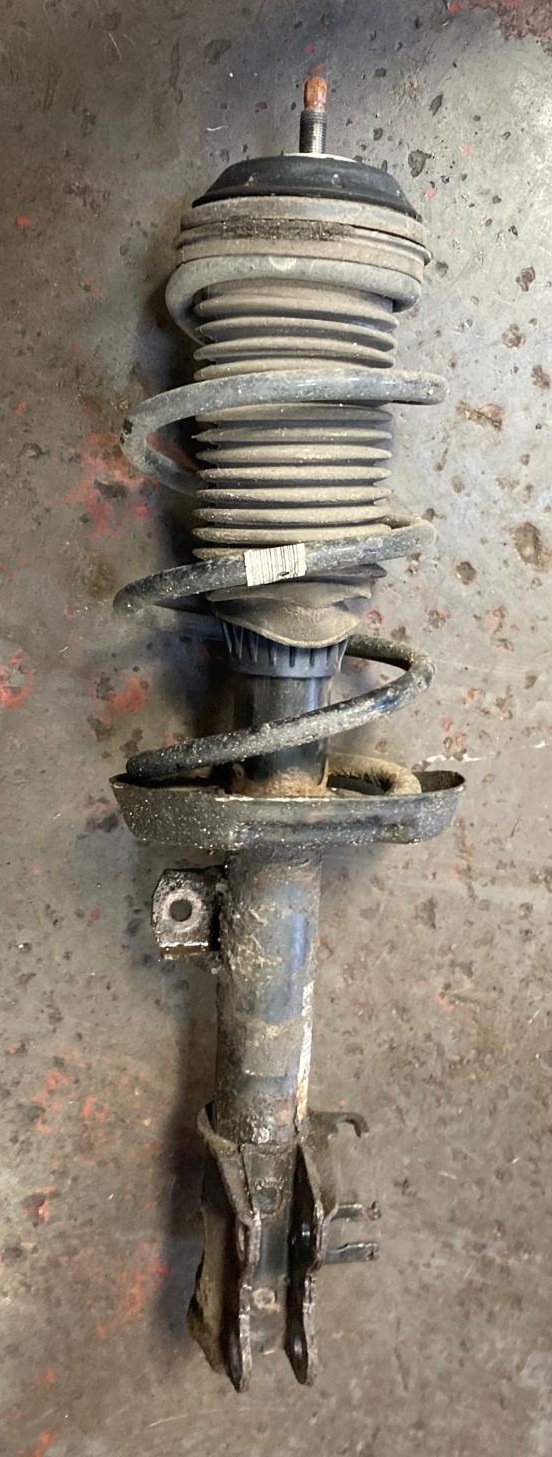
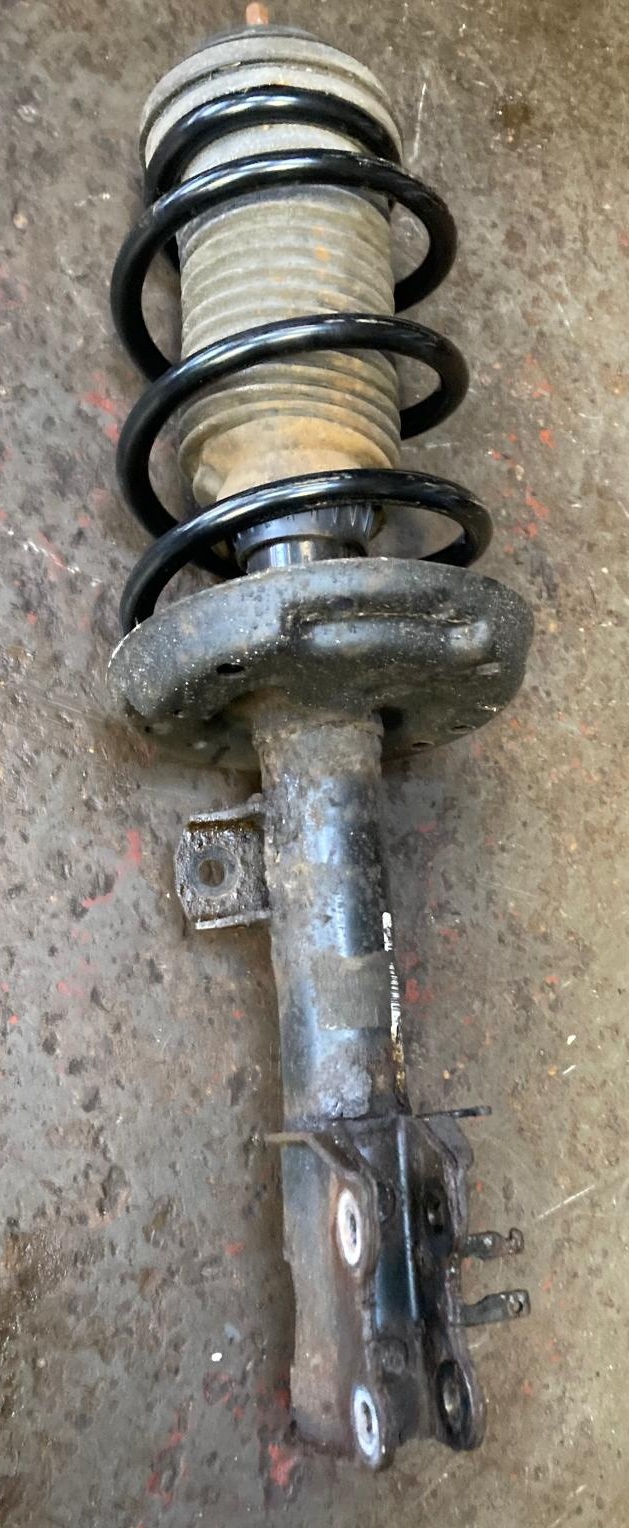
The front coil spring had snapped clean through.

It’s a sight we’re getting used to now. Once that cold weather sets in, the roads around Halifax start breaking up faster than we can say “tracking adjustment”. And when a spring breaks, it doesn’t take much imagination to feel the shock the driver must’ve had.

We sourced the correct spring, whisked it onto the car, checked the rest of the suspension, and sorted the tracking to make sure there were no hidden nasties. Within the hour, she was back on the road, relieved it wasn’t something worse.

hyundai-i30-pothole-brokeen-spring

Why Springs Keep Snapping Around Calderdale: hyundai-i30-pothole-broken-spring

Living around the Calder Valley, we’re used to harsh winters. Frost one day, rain the next, followed by a freeze so sharp it stings your fingers when you open the car door. All that freeze-thaw plays havoc with the tarmac.
The result?

  • Springs snapping

  • Tyres splitting Suspension clunks

  • Buckled wheels

  • Steering that pulls all over the place

It’s no wonder our ramps have been full of suspension jobs lately. The Hyundai i30 is a sturdy bit of kit, but even a good car can’t fight back against a deep Halifax pothole.

hyundai-i30-pothole-brokeen-spring

A Bit of Hyundai History in the UK: hyundai-i30-pothole-broken-spring

Hyundais have come a long way since they first appeared on British roads. Many remember the early models from the late 1980s and 90s, basic but solid little runarounds that did exactly what they said on the tin.

The real turning point came in the early 2000s when Hyundai began building cars to genuinely compete with the big European names. The Hyundai i30, launched in 2007, was a huge step forward — roomy, reliable, and backed by that legendary five-year warranty that turned a lot of heads.

British drivers loved it, especially those in hilly areas like Halifax, where you need a sensible car that grips well and doesn’t drink too much fuel. We see loads of them in the workshop — usually for normal wear and tear, not because they’ve let anyone down.

Keeping Halifax Drivers Safe This Winter

If you’ve hit a pothole and your car starts doing something out of the ordinary—knocking, pulling, rattling, or riding unevenly—don’t leave it to chance. A broken spring can dig into a tyre if left long enough, and that’s a breakdown nobody wants on a cold winter’s night up on the moors.

Just call in, and we’ll take a quick look. No fuss, no pressure — we’d rather spot an issue early than see someone stranded.

A Little Escape… Away From Halifax Roads!

While chatting to the i30 owner, she laughed that she’d “rather be anywhere other than driving around Halifax in winter”.
If that sounds familiar, remember that spring isn’t too far off—and our Thornwick Bay holiday home on the Yorkshire coast is perfect for a quiet break once the weather brightens. There’s a lovely page on the Lucky Paws site about Flamborough’s coastal walks, ideal for planning ahead.


halifax-pothole-spring-repair

halifax-pothole-spring-repair

halifax-pothole-spring-repair

halifax-pothole-spring-repair


Potholes Strike Again in Halifax – Another Victim for Pellon Tyres!

It’s been another crackingly busy week here at Pellon Tyre & Autocentre in Halifax, and once again our old enemy has been keeping us on our toes — potholes. Honestly, the state of the roads around Halifax and the wider Calderdale area seems to get worse by the week. Whether you’re heading down Queens Road, cutting over Mount Tabor, or travelling up towards Sowerby Bridge, you’re guaranteed to meet a crater or two big enough to swallow a wheel.

And once again, the potholes have been claiming victims.

This week we saw a right mix of damage: bent steering arms, damaged alloy wheels, and a surprising number of broken coil springs — the sort of stuff you’d expect after a winter of icy mornings and frozen tarmac. The combination of cold snaps and endless traffic is playing havoc with the road surface.

One job in particular stood out: a tidy little Honda Jazz, brought in by a lady from the Skircoat Green area. She’d heard a loud rattling and banging from the front of her car, especially when going over uneven roads — which, let’s face it, is pretty much every road around Halifax these days!

halifax-pothole-spring-repair

Diagnosing the Honda Jazz: halifax-pothole-spring-repair

When she rolled onto the forecourt, she told us the noise had started suddenly after hitting what she described as “a hole the size of Shibden Valley”. She wasn’t far off — there’s a nasty pothole near Salterhebble that’s been catching drivers out all winter.

Dale got the Honda up on the ramp, gave it a good check over, and there it was:
a cleanly snapped front coil spring.

To be honest, we weren’t surprised. Cold weather weakens already stressed metal, and a sudden hit from a pothole is often the final straw. Springs on smaller cars like the Jazz tend to go with a real “crack” when they break, and the loose end rattles around every time the wheel moves.

Once we sourced and fitted a new spring, gave the car a quick once-over, and made sure the tracking was all right, she was good to go. The lady was relieved—she’d been worried she’d done something serious—and she headed home happy, especially now the temperature is dropping again. Nobody wants to be stranded in the cold with a poor car.

halifax-pothole-spring-repair
New spring fitted and in place

Why Halifax Drivers Are Seeing More Broken Springs: halifax-pothole-spring-repair

Pothole season is definitely upon us. Calderdale Council do their best, but the sheer number of freeze-thaw cycles we get up here plays havoc with the tarmac. Water gets into small cracks, freezes, and expands, and before long there’s a hole big enough to damage even the toughest suspension.

At Pellon Tyres we’re seeing:

  • Broken coil springs

  • Damaged shocks

  • Bent steering arms

  • Split tyres from pothole impacts

  • Buckled alloy wheels

If you hear rattling or knocking or feel the steering pulling after hitting a pothole, it’s worth popping in. We’ll happily take a quick look—better safe than sorry, especially in the colder months.

A Little Bit of Honda History in the UK: halifax-pothole-spring-repair

Since we had a Honda on the ramp, it’s worth remembering just how important Honda has been to British motoring.

Honda first made a proper impact in the UK during the 1970s with small, efficient cars that suited our narrow roads and rising fuel prices. By the 1980s, Honda had partnered with Rover, helping bring models like the Rover 200 and 400 to market—both heavily based on Honda designs.

Then came a major milestone:
Honda opened its Swindon factory in 1985, which went on to produce over 3 million cars, including the Civic and CR-V. For years, you’d see thousands of Swindon-built Hondas driving around Calderdale — reliable, quiet, and great for handling the hills of Halifax.

The Honda Jazz, like the one we repaired this week, has always been a favourite with local drivers: economical, perfect for town driving, and surprisingly roomy.

A Local Note — and a Little Holiday Inspiration

Talking to the lady about her spring replacement reminded me how many Halifax folk are fed up with local road conditions and dreaming of a break. If anyone’s planning a spring or summer escape, our holiday home near the Yorkshire coast at Thornwick Bay is already taking bookings for next season.
Take a look at places like the Flamborough Head walks listed on the Lucky Paws website — perfect inspiration for a getaway after a stressful winter of dodging potholes.

steel-wires-tyre-danger-halifax

Steel-belted Radials

Steel-belted Radials
steel-wires-tyre-danger-halifax

steel-wires-tyre-danger-halifax

Steel Wires Showing Through Your Tyres? The Hidden Danger Halifax Drivers Can’t Ignore

Every week at Pellon Tyre & Autocentre, we see all sorts of tyre problems — bulges, punctures, splits, the odd nail, and plenty of pothole damage thanks to our lovely Calderdale roads. But every now and again, someone pulls onto the forecourt with something far more worrying.

The tyre is so worn or damaged that the steel wires inside the tyre are actually sticking through the rubber.

When that happens, you don’t need a pressure gauge or a tread depth tool — the tyre is completely finished, unsafe, and ready to blow at any moment.

It’s something we’ve seen quite a bit over the years, so here’s a simple explanation of what causes steel wires to appear and why Halifax drivers need to act fast when it happens.

steel-wires-tyre-danger-halifax
bald tyres to be replaced

What Are Those Steel Wires, Anyway? steel-wires-tyre-danger-halifax

Modern tyres are built using what’s known as steel-belted radial construction. Underneath the rubber you can see, there are layers of:

  • Strong steel belts
  • Reinforced fabric
  • Rubber compounds designed for grip and stability

The steel belts give the tyre its strength and shape, especially at motorway speeds, and help protect it from punctures. Without them, the tyre would simply collapse under the weight of the car.

Back in the old days, cars used cross-ply tyres, but they wore out quickly and didn’t handle well at higher speeds. Things changed when Michelin introduced the first steel-belted radial tyre in 1946. Europe and Japan adopted them quickly, while the Americans took a bit longer — only switching properly after the 1970s oil crisis.

Today, virtually every car in Halifax is running on radial tyres with steel belts.


So why do the steel wires start showing? steel-wires-tyre-danger-halifax

The short answer?
Because the tyre has completely worn out or suffered severe damage.

Here are the most common reasons we see in the workshop:

1. Driving on Bald Tyres

The tread wears away, and eventually the outer rubber disappears completely — leaving the steel belts exposed.
Many drivers don’t realise tyres should be changed well before they reach the legal limit of 1.6mm.

2. Under-Inflation

Low pressure wears out the edges of the tyre quicker.
Eventually the rubber thins, breaks down, and the wires poke through.

3. Over-Inflation

Too much air puts all the pressure on the centre of the tread.
We’ve seen steel belts showing in a perfect strip down the middle of the tyre!

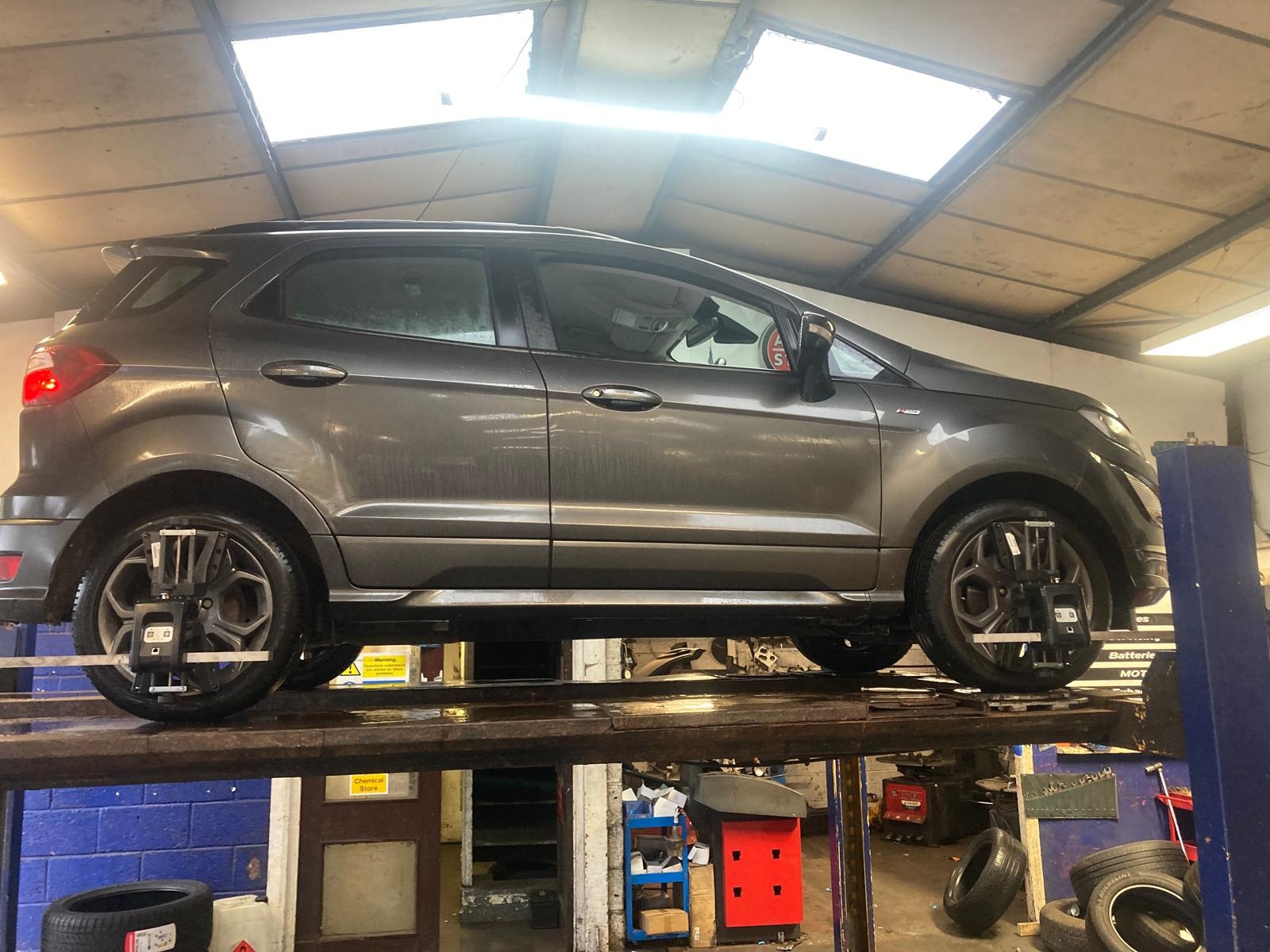
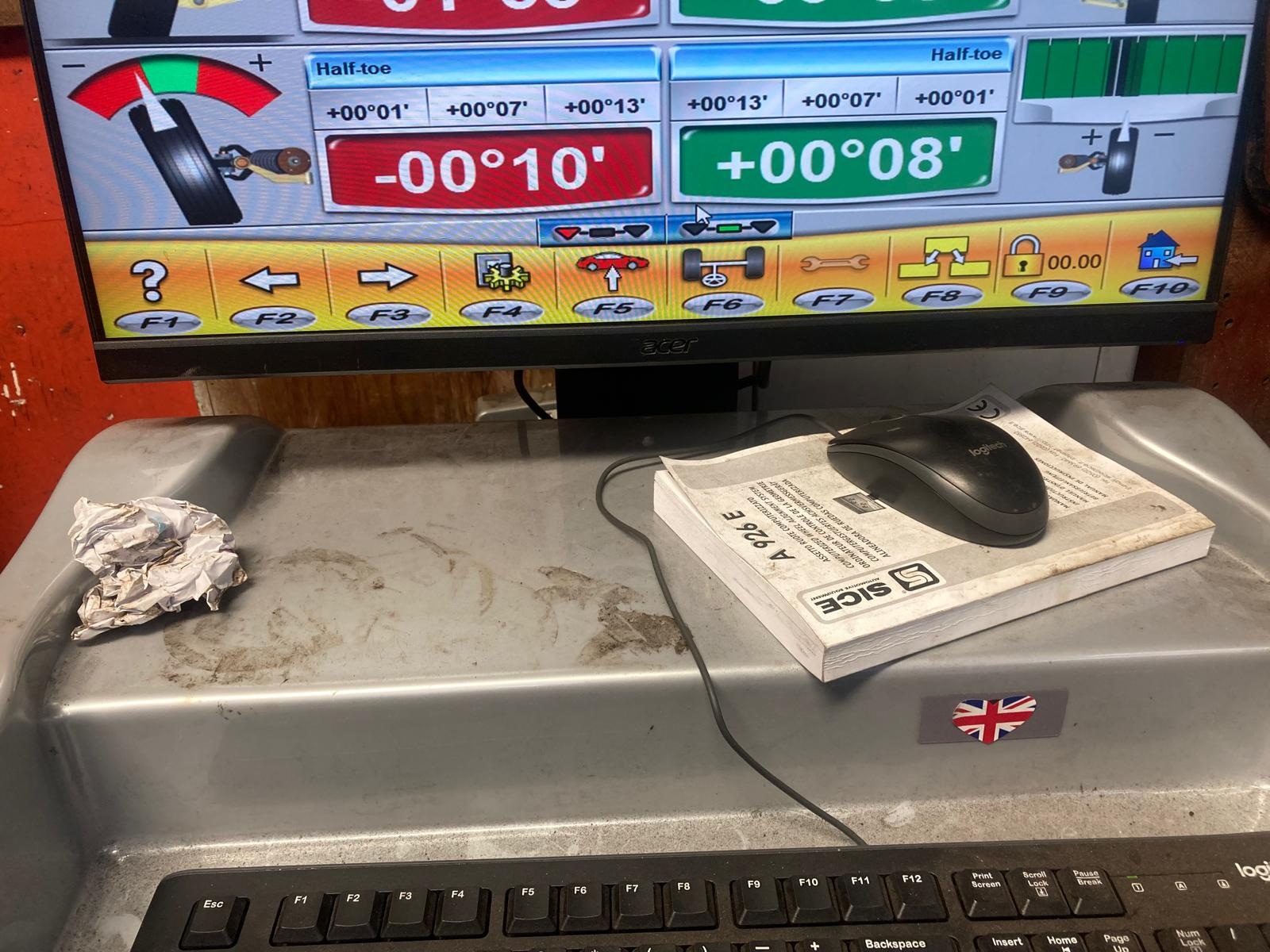
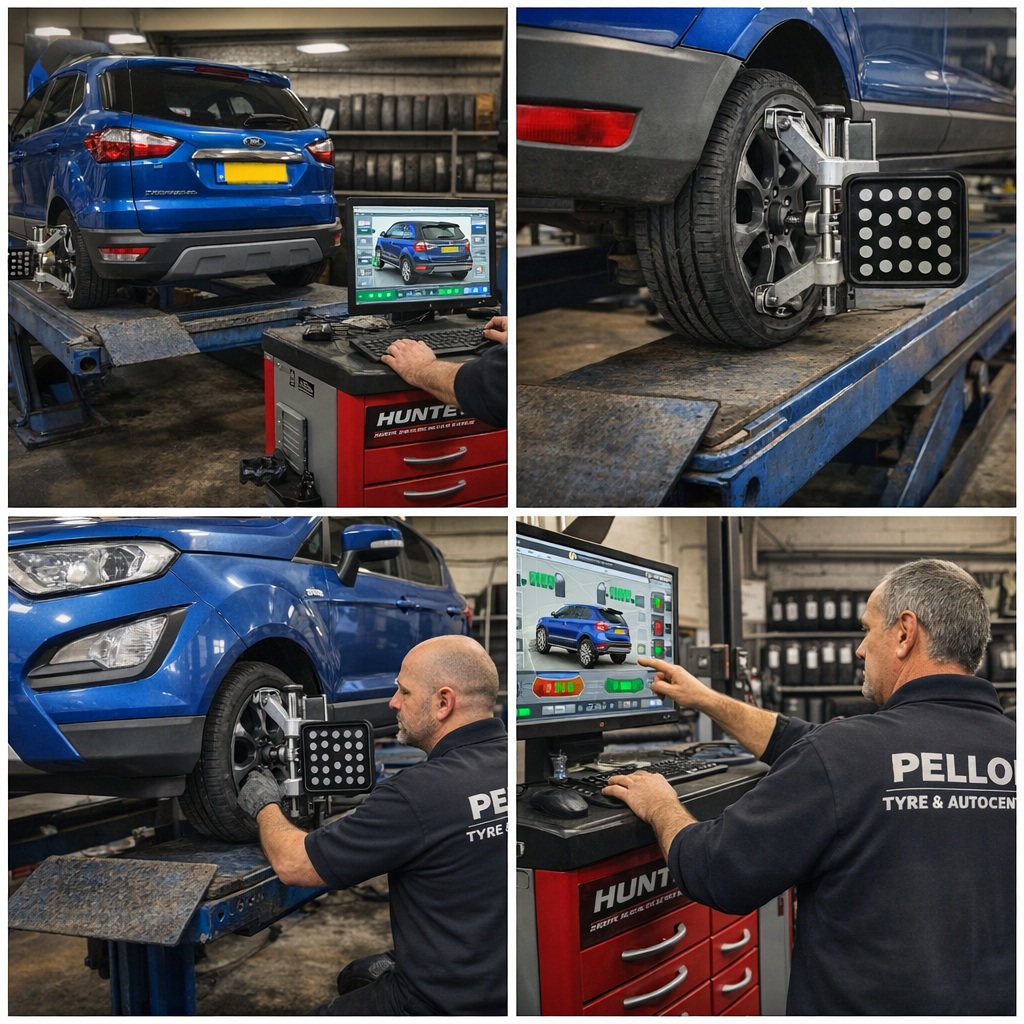
4. Wheel Alignment Problems

Halifax is notorious for potholes, and a heavy bang can knock the tracking out.
This makes one side of the tyre scrub away fast — often right down to the steel.

5. Hard Driving

Wheelspins, cornering fast, burnouts and harsh braking can rip through rubber in no time.
We see this more on hot hatches and performance cars.

6. Driving on a Flat

When the sidewall collapses, the inner structure tears, exposing the steel layers.
7. Cheap or Part-Worn Tyres

Some low-quality tyres don’t last long.
A ‘bargain’ tyre can end up costing more if it wears down to steel before you realise.


Is It Dangerous to Drive with Steel Wires Showing? steel-wires-tyre-danger-halifax

Absolutely.
If you can see wires, the tyre is on the verge of total failure.

That means:

  • A blowout can happen at any moment
  • You’ll have poor grip, especially in wet Halifax weather
  • Steering and braking become unpredictable
  • You can damage your wheels, suspension or bodywork

We always say at Pellon Tyres:
If you can see wires, the tyre is finished. Do not drive on it.

Even driving slowly to the garage can be risky — so if in doubt, give us a ring and we’ll advise the safest option.


Regular Checks Save Money (and Stress!) steel-wires-tyre-danger-halifax

Most tyre problems we see could have been avoided with a quick glance every few weeks.
A simple check can spot:

  • Uneven wear
  • Low pressure
  • Cracks or splits
  • Nails or screws
  • Thinning tread

We also offer free tyre inspections at Pellon Tyres — no appointment needed.

A Halifax Note – Bad Roads Don’t Help!

Our local roads take a beating, especially through winter. Whether you’re heading over to Mixenden, taking the winding roads to Sowerby Bridge, or dodging the craters around King Cross, your tyres are taking constant abuse.

It’s one of the reasons we stay so busy—Halifax drivers simply drive on tougher roads than most towns.


Planning a Break After All This Tyre Trouble?

If the state of the roads is getting you down, remember spring isn’t far off.
Our Thornwick Bay holiday home will be open for bookings again soon, and the Lucky Paws site has a lovely page about the Flamborough Head coastal walks — perfect for a peaceful escape once the weather brightens.