
Posts

Why Timing Belts are Important

Table of Contents

Why Timing Belts are Important

Why Timing Belts are Important

Why Timing Belts are Important

Why Timing Belts Are Important – And Why Ignoring Them Can Destroy Your Engine

If there’s one thing I’ve learned after decades running Pellon Tyre & Autocentre here in Halifax, it’s this…
Most drivers don’t give their timing belt a second thought – until it snaps.
And when it does? Well, that’s when the real trouble starts.

Timing belts are one of the most critical, yet most overlooked, parts of your engine. They quietly keep everything running in perfect harmony, day in and day out. But once they wear out, stretch, or fail completely, the damage can be catastrophic.

So let’s dive into why timing belts are important, why servicing matters, and how a bit of preventative care can save you thousands of pounds and a whole heap of stress.


What Exactly Does a Timing Belt Do? Why Timing Belts are Important

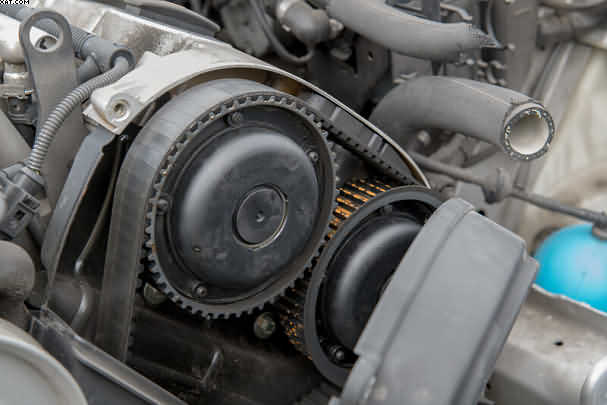
The timing belt synchronises the crankshaft and camshaft, making sure your engine valves open and close at precisely the right time.

If this timing is even slightly off, your engine performance suffers. If it’s massively off — usually because the belt snaps — then pistons and valves collide, bend, or break.

It’s the automotive equivalent of a heart surgeon dropping the stopwatch.

Without a good timing belt, your engine is simply not safe.

Why Timing Belts are Important

Why Timing Belts Are Linked to Regular Servicing

When we service cars at Pellon, we always check:

  • The mileage and age of the timing belt
  • Whether the water pump has been changed
  • Manufacturer replacement intervals
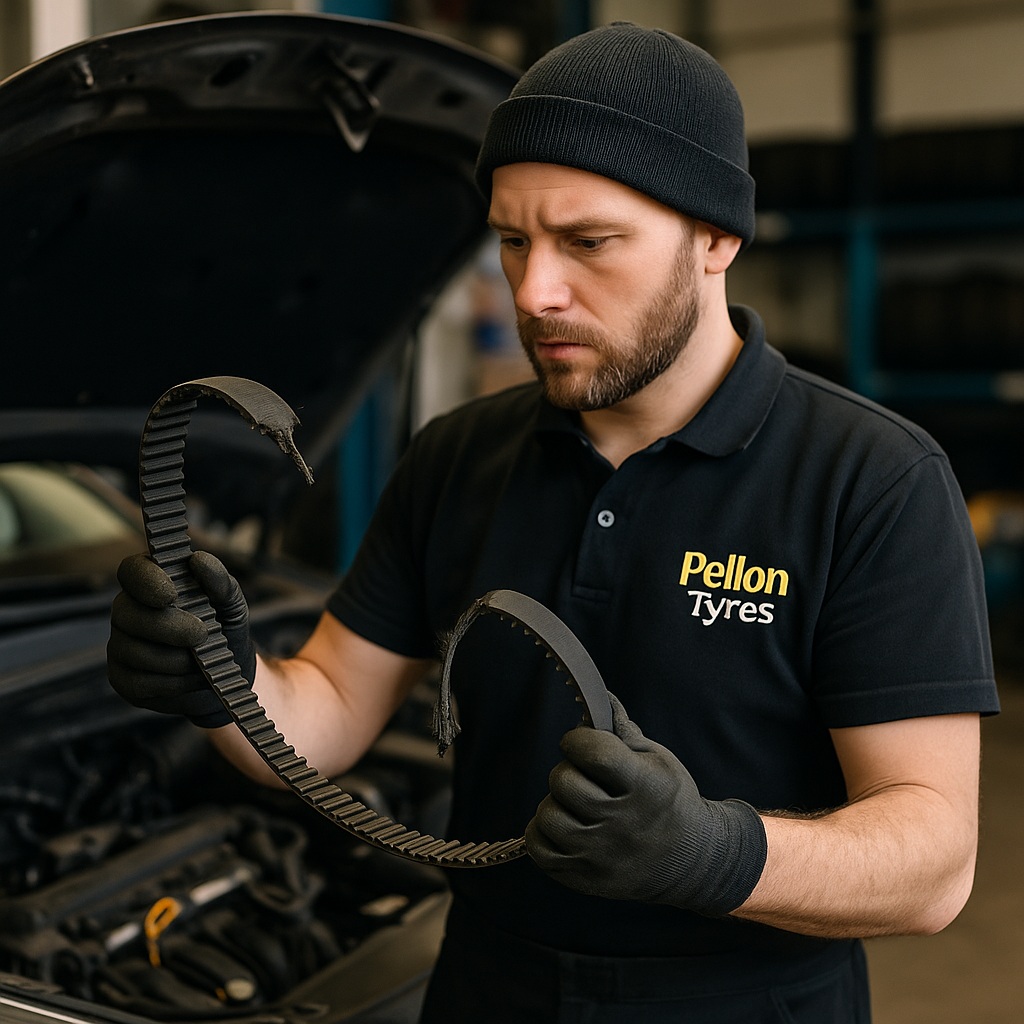
  • Signs of cracking, fraying or stretching
  • Whether the last garage left notes or stickers

We check this because manufacturers set strict replacement intervals – normally between 60,000 and 100,000 miles, or every 5–7 years, whichever comes first.

At Pellon, we use our data systems to check the exact replacement interval for every make and model.
This makes sure you’re getting the right advice – not guesswork.

👉 Internal link you can add: https://www.pellontyres.co.uk/car-servicing-halifax/
👉 External authority link (DVSA service info): https://www.gov.uk/getting-an-mot


What Happens If You Ignore a Timing Belt? Why Timing Belts are Important

Here’s the huge one…

1. Catastrophic Engine Failure

Most modern engines are “interference engines”, meaning the valves and pistons occupy the same space — but never at the same time.

If the belt snaps:

  • Pistons smash into valves
  • Valves bend
  • Cylinder heads crack
  • Engines lock solid

We’ve seen repair bills well over £1,500–£3,000, and sometimes the car is written off.


2. Reduced Resale Value

Buyers always ask whether the timing belt’s been done.
If it hasn’t, they either walk away or knock a huge amount off the price.

A stamped service history makes all the difference.


3. Poor Performance & Bad Fuel Economy

A stretched belt throws the timing off slightly. This makes your engine:

  • Judder
  • Idle poorly
  • Use more fuel
  • Struggle on hills

Many Halifax drivers think their car is “getting old”.
Nope — often it’s just a tired timing belt.


Why the Water Pump Is Usually Replaced at the Same Time

This surprises a lot of people.

The water pump is normally driven by the timing belt, which means:

  • If the pump seizes, it snaps the belt
  • If the belt fails, the pump won’t circulate coolant
  • If the pump leaks, you’ll need the whole job doing again

Doing them both together saves labour and prevents repeating a big job.


Best Practices to Keep Your Engine Safe: Why Timing Belts are Important

Here’s what we advise at Pellon Tyres:

✔ Follow manufacturer intervals

Mileage or age — whichever comes first.

✔ Replace belt, tensioner & water pump together

Cheap insurance against massive repairs later.

✔ Never ignore squeaks, ticking, or rough running

Early symptoms are subtle, but they matter.

✔ Book servicing on time

Your belt won’t last forever, even on low-mileage cars.


Why Halifax Drivers Need to Pay Extra Attention: Why Timing Belts are Important

Here in Halifax, Sowerby Bridge, Hebden Bridge, and Ripponden, we’ve got steep hills, stop-start traffic, and cold winters. All of this puts added strain on engines.

Short journeys — like popping to Lidl or driving to work on Pellon Lane — mean your engine never gets fully warm. That increases moisture, accelerates belt wear, and can shorten its lifespan. It’s one reason we see so many local vehicles coming in with overdue belt replacements.

Warning Signs Your Timing Belt May Be Failing

Not every belt gives warning before it snaps, but some do. Look out for:

  • Tapping or ticking noises from the engine
  • Oil leaks around the timing cover
  • Engine misfires
  • Car struggling on hills
  • Dashboard engine warning lights

If you hear any of these, get it checked immediately.

What Happens During a Timing Belt Replacement at Pellon: Why Timing Belts are Important

A lot of customers ask what’s involved. It’s a pretty detailed job:

  1. Remove covers, belts, and ancillaries
  2. Lock engine timing into place
  3. Remove old belt, tensioner, and water pump
  4. Clean mating surfaces
  5. Fit new parts and set precise tension
  6. Double-check timing alignment
  7. Refill coolant and run engine up to temperature

We always road-test the car afterwards to make sure everything is spot-on.

A New Trend: Wet Timing Belts (or “Wet Belt Systems”)

In recent years, many car manufacturers have moved away from traditional dry timing belts. Instead, they now use “wet belt” timing systems — where the belt runs inside the engine’s oil bath rather than exposed to air.

🔧 What’s a Wet Belt, Then? Why Timing Belts are Important

  • A wet belt is coated in engine oil, so it runs quietly and smoothly.
  • It’s more flexible and generally lasts longer than a dry belt.
  • Because it’s immersed in oil, the rubber maintenance issues (like drying out or cracking) are far less likely.

🚗 Which Cars Use Wet Belt Systems?

Several manufacturers now fit wet-belt systems to many models — especially modern compact/small engines and some diesel engines. While there are many across Europe and Asia, a few common examples include:

  • Some recent Volkswagen Group engines (certain TSI/TDI variants)
  • Some Nissan/Infiniti petrol engines
  • Many hybrid-ready or economy-focused engines from manufacturers like Honda and Hyundai

Tip: Always check your car’s service manual or log to see whether you have a belt or a chain — and whether it’s dry or “wet”.

✅ Caring for a Wet Belt System: Why Timing Belts are Important

  • Use the correct engine oil — cheaper or incorrect-grade oil may not offer the same lubrication and can accelerate wear.
  • Follow oil change intervals strictly, because the belt depends on the oil bath for lubrication.
  • Keep engine leaks or contamination in check — water, debris or sludge can damage the belt or surrounding components.
  • Although wet belts last longer, don’t ignore them — mileage, usage, and oil condition all affect their lifespan.

In short: a wet belt needs a bit less maintenance than a dry one, but you’ll pay for that with the need for proper oil care and upkeep.

Common UK Car Models That Use Wet Timing Belts

More and more manufacturers have been switching to these “wet belt” systems over the past ten years. They’re designed to run quietly inside the engine oil, but they do need correct servicing — especially regular oil changes with the proper grade.

Here are some of the most common UK models fitted with wet belts:

Ford (the biggest user of wet belts in the UK) Why Timing Belts are Important

Ford call it a “Belt-in-Oil” (BIO) system.
You’ll find wet belts on engines such as:

  • 1.0 EcoBoost (all variants) – Fiesta, Focus, Puma, Ecosport, B-Max, C-Max
  • 1.5 TDCi diesel – Fiesta, Focus, Ecosport
  • 1.5 EcoBoost (some models) – Mondeo, Kuga
  • 1.8/2.0 TDCi (certain later versions)
    These are the most well-known for problems when oil changes are missed or cheap oil is used.

Volkswagen Group (VW, Audi, SEAT, Skoda)

Some newer TSI engines use a wet belt system:

  • 1.5 TSI (selected versions) – Golf, Leon, A3, Octavia
  • 1.0 TSI (later versions) – Polo, Ibiza, Fabia

Vauxhall / Opel

Newer small petrol engines:

  • 1.2 Turbo (PSA engine) – Corsa, Crossland, Astra
  • 1.0 Turbo – Adam, Corsa

Peugeot / Citroën (PSA Group)

Their PureTech engines are famous for wet belt issues:

  • 1.0 & 1.2 PureTech petrol – 208, 2008, 308, C3, C4, DS3

Nissan

Some petrol turbo engines share components with Renault–PSA units:

  • 1.2 DIG-T – Qashqai, Juke
  • 1.3 DIG-T (shared with Mercedes) – Qashqai, Captur, A-Class

Renault

  • TCe petrol units (selected models) – Clio, Captur, Megane

Honda & Hyundai

Some hybrid-ready systems and small turbocharged engines also incorporate wet belts.


❓ How often should I replace my timing belt?

Most manufacturers recommend every 60,000–100,000 miles, or every 5–7 years, whichever comes first.
Wet belts can last longer — but only if the correct oil has been used religiously.

❓ What happens if a timing belt snaps?

In most modern “interference engines”, valves and pistons will collide.
This means:

  • Bent valves
  • Damaged pistons
  • Ruined cylinder head
  • Bills easily over £1,500–£3,000
    Many cars are written off for this reason alone.

❓ Is a wet belt better than a normal timing belt?

Wet belts can last longer and run quieter, but they are VERY sensitive to poor-quality oil.
If the oil breaks down, the belt becomes soft, sheds rubber, and clogs the oil strainer — starving the engine of oil.

This is why so many Ford 1.0 EcoBoost engines have had expensive failures.

❓ How do I look after a wet timing belt?

  • Always use the exact oil grade recommended by the manufacturer
  • Change oil on time — or earlier, not later
  • Avoid cheap filters
  • Have the belt checked if the car does lots of short journeys

❓ Should I replace the water pump when changing the belt?

Yes — on almost all engines.
It saves labour costs later and avoids the belt being contaminated by coolant leaks.

❓ Do timing chains need replacing too?

Yes — despite the old myth, timing chains do stretch and wear out.
Some modern chains wear even faster than belts if oil changes are missed.

New Oil Change Regime

New Oil Change Regime

New Oil Change Regime

New Oil Change Regime

Certainly! Let’s incorporate a few more particular references to Pellon Autocentre in Halifax, UK, into the extended passage:

“All right, let’s talk about something important here: the evolution of the oil change business.”

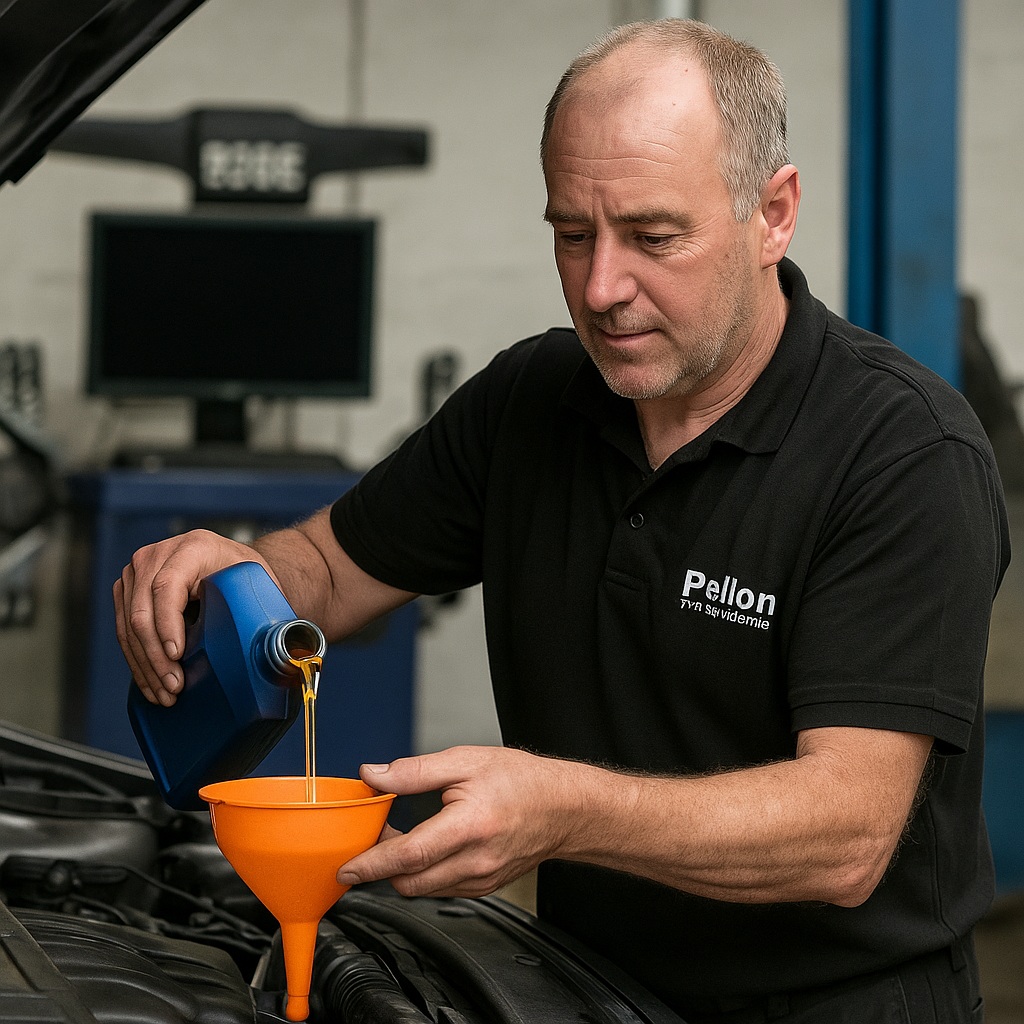
No, I haven’t gone insane; it’s a genuine transition that has occurred over time. Think back to the ’80s and ’90s. Back then, our clients would come in 4 to 5 times a year for an oil change, which is still the case at Pellon Autocentre in Halifax. It was a usual and expected habit, like going down to the local for a pint. We knew our clients’ cars almost as well as they did, and frequent check-ins indicated strong consumer loyalty and retention.

It was common practice to have automobiles serviced for an oil change every three to four thousand miles back then.

But, let’s face it, things have changed, and our business model has evolved as well. Fast forward to today, and you’ll see that the customer’s perspective has shifted. Furthermore, as car technology has advanced, oil change intervals have become much longer. It’s not like it used to be that an oil change was as routine as clockwork. We’ve experienced this development firsthand at Pellon Autocentre.

Take a look at your current consumer base.

I’m not suggesting that you discontinue offering

How many of them exceed the recommended oil change miles on their vehicles? I’m sure there’s a lot. And how many people wait until the maintenance light or, God forbid, the engine oil light illuminates? It’s a whole other ballgame now. This is something we’ve noticed at Pellon Autocentre, where we’re continuously adapting to meet the changing needs of our customers.

oil changes. What I’m recommending is a different approach. It is our responsibility to educate clients who extend their oil change intervals on the necessity of preventive maintenance. Why not highlight the overall value of the vehicle’s scheduled maintenance service instead of only advertising an oil change? For example, a 15k or 45k service. It’s not a novel idea, but it’s just as necessary as a good cup of coffee in the morning. We’ve been focusing on this strategy at Pellon Autocentre in order to better serve our customers in Halifax and the surrounding areas.

We’re not only changing oil when we focus on offering a full maintenance service;

We’re also protecting our customers, ensuring vehicle safety, and extending the life of their vehicles. It’s about looking at the big picture—the long-term cost of car ownership—and how we can help minimise it, which is a core value at Pellon Autocentre.

And there’s a fantastic opportunity to educate our customers about the need for preventive maintenance during car delivery. Make it a point to discuss the next service interval with each customer and get it scheduled. It ultimately comes down to focusing on what is best for our customers.

Remember that every car that comes into your shop today will require some sort of servicing or repair in the future.

Make it clear to your customers that they can rely on you to handle the situation. ‘Every motor in your shop today will be back for more,’ I routinely tell other garage owners. ‘Make sure they come back to you and not the guy down the street.'”

Collapsed Oil Filters Explained

Collapsed Oil Filters Explained

Collapsed Oil Filters Explained
Oil Filter Collapse

Collapsed Oil Filters Explained

The Value of Routine Maintenance: A Peugeot Partner Case Study from Halifax’s Pellon Tyres

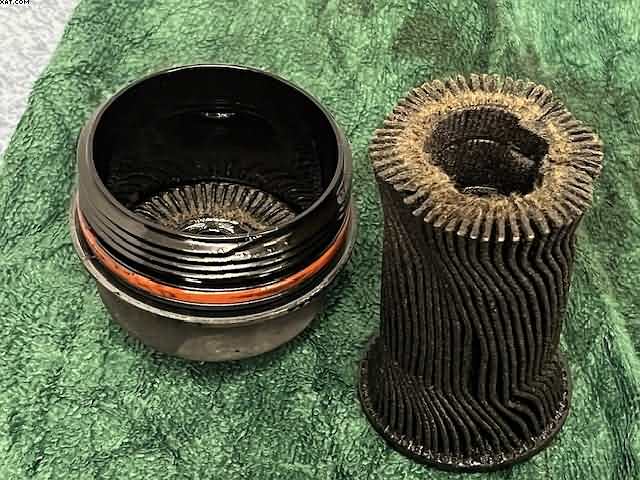
We recently had a Peugeot Partner vehicle come in for a standard service at Pellon Tyres in Halifax. As part of our routine inspections, we removed the oil filter and found it in terrible condition—old, worn out, and clearly beyond its time for a change. This incident is a clear reminder of the importance of routine maintenance for all vehicles, but particularly for dependable vans like the Peugeot Partner.

What Causes Oil Filters to Degrade? Collapsed Oil Filters Explained

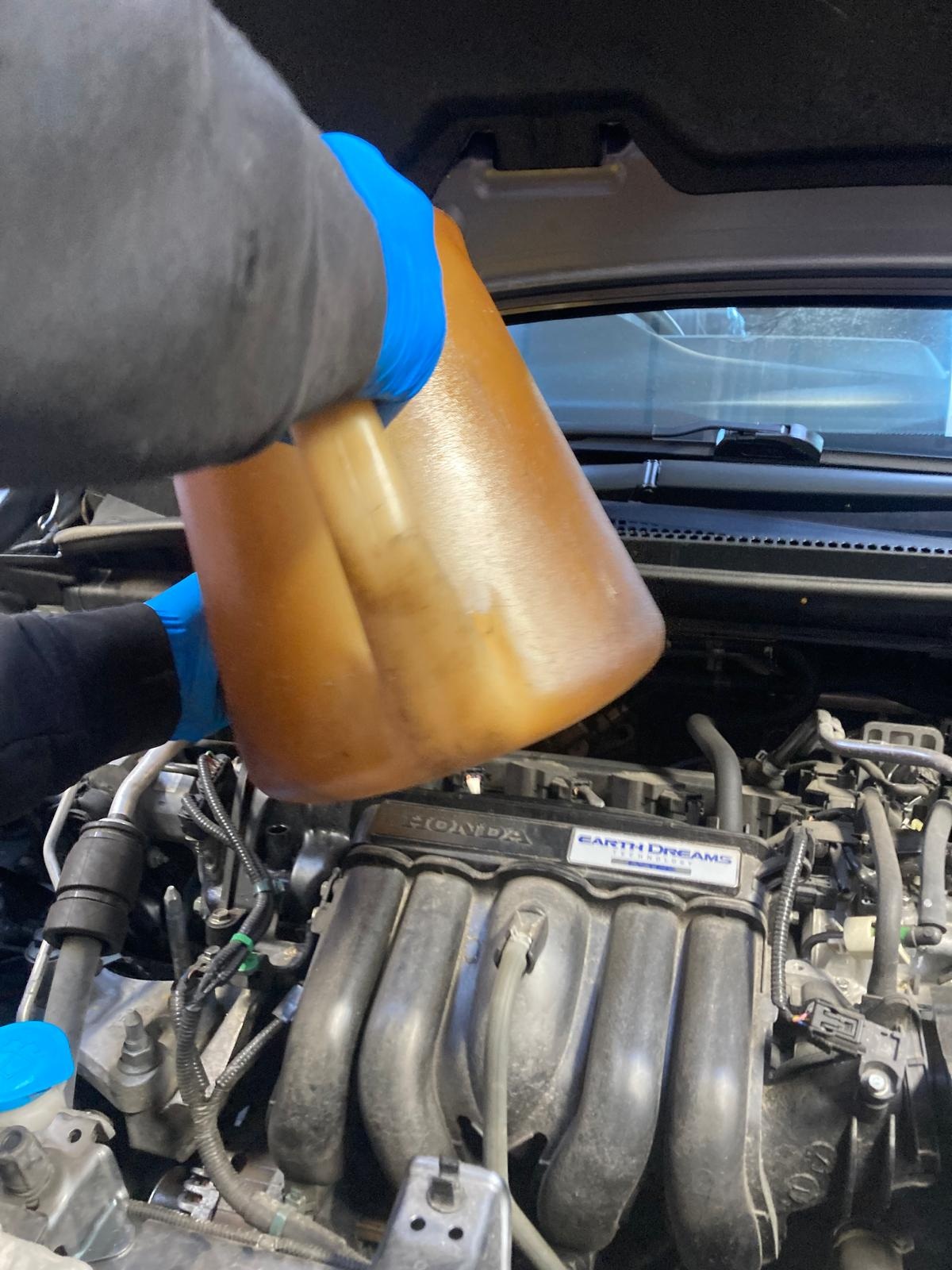
Because they capture dirt, debris, and metal particles that naturally build up in engine oil over time, oil filters are essential to maintaining the engine’s cleanliness. A car may have a number of issues if its oil is not changed for an extended period of time.

Clogging: The filter gets clogged when impurities build up, which lowers the engine’s oil flow. Increased friction and wear on important parts may result from this.

Filter Material Breakdown: The paper component of the filter may degrade over time, letting unfiltered oil flow through the engine and causing more contaminants.

Oil Degradation: Without frequent replacement, oil loses its lubricating qualities and becomes a viscous sludge that further impedes oil flow and increases the risk of engine damage or overheating.

Neglecting Oil Changes and Its Effects: Collapsed Oil Filters Explained

Given the Peugeot Partner’s degraded and outdated filter, it appeared that the car had outlived its stated servicing interval. The engine must work harder when filters and oil aren’t changed on time, which might result in:

Fuel consumption rises as a result of the engine’s decreased efficiency due to dirty oil.

Increased wear and tear: Unfiltered impurities hasten engine deterioration, which may necessitate expensive repairs.

Possible malfunctions: In severe situations, a blocked filter may potentially result in total engine failure.

The Local Aspect: Driving Conditions in Halifax Are Important – Collapsed Oil Filters Explained

Vehicles frequently encounter difficult driving conditions in Halifax, including steep hills and stop-start traffic. Because of the additional pressure these conditions place on the engine, routine maintenance is even more crucial. Vans like the Peugeot Partner are essential to businesses that depend on them in order to prevent unplanned downtime.

Avoid Skipping Your Service—It Will Pay Off! Oil Filter Collapse

We at Pellon Tyres consistently emphasise the value of regular maintenance, particularly for commercial vehicles with significant mileage. Maintaining regular oil and filter changes helps your car stay dependable and fuel-efficient while also extending the life of your engine.

Now is the perfect time to schedule a service if you have been putting it off or are unaware of when your last one was. Regular oil filter maintenance is a minor investment that may save you a lot of money over time. Don’t let a neglected oil filter lead to expensive repairs.

Why Modern Oil Filters Still Fail – And What Drivers Must Watch Out For in 2025

Even though oil filter technology has improved hugely over the years, we still see collapsed filters in the workshop at Pellon Tyres from time to time. It’s nowhere near as common as it used to be, but when it does happen, the results can be expensive — especially on modern engines with tight tolerances and high-pressure lubrication systems.

One of the biggest causes in recent years is extended service intervals. Many drivers are stretching their oil changes far beyond manufacturer recommendations, either because of busy lives, cost-saving attempts, or misleading dashboard indicators. Sadly, oil doesn’t last forever. Once it breaks down and becomes thick and tar-like, the filter simply can’t cope. The material clogs up, oil flow is restricted, and the filter collapses inward under suction.

Here in Halifax, we see it most often during winter. Cold mornings thicken older oil even further, and it only takes one hard start on a freezing day for a weakened filter to give up completely. Yorkshire hills don’t help, either — long climbs up to places like Sowood, Mount Tabor or Southowram demand good oil pressure, and a struggling filter won’t keep up.

Another developing issue is cheap unbranded filters sold online. Some look the part but use very weak internal supports or poor-quality paper. They’re fine when new, but a few thousand miles later they can collapse without warning. This is why we always recommend sticking to respected quality brands and changing the filter every time the oil is changed — no exceptions.

Collapsed Oil Filters Explained

What Drivers Should Look Out For

If you’re unsure whether your oil filter is starting to fail, look out for the following signs:

  • Sudden ticking or tapping from the engine
  • Oil pressure warning light flickering
  • Poor performance when cold
  • Metallic humming from the oil pump area
  • Oil that looks very dark, thick, or sludgy

Any of these symptoms mean get your car checked straight away. A collapsed filter can starve an engine of oil in seconds — and no modern engine will survive that for long.


How We Diagnose Oil Filter Collapse at Pellon Tyres

At Pellon Tyres we’ve seen hundreds of these over the years across every type of vehicle — from little Peugeot and Toyota engines right up to big BMWs and Mercedes models. Our process is simple:

  • Check the filter condition
  • Inspect oil pressure using professional gauges
  • Look for sludge contamination
  • Confirm the correct oil grade (a major cause of issues!)
  • Replace filter and oil with quality approved products

We also check for early signs of internal damage. Catching the issue early can save Halifax drivers a small fortune in engine repairs.

If you’re unsure whether your filter is up to scratch — or if you haven’t had an oil change for a while — just book in with us. It’s always cheaper to service a car than to rebuild an engine!

Q: Can a collapsed oil filter damage my engine?
A: Yes. Loss of oil pressure can cause serious internal engine damage within minutes.

Q: What causes an oil filter to collapse?
A: Sludged oil, long service gaps, blocked filter media and low-quality unbranded filters are the most common causes.

Q: How often should I change my oil and filter?
A: Most cars should be serviced every 6,000–10,000 miles, or sooner if mostly used on short trips.

Q: How do you diagnose oil filter collapse at Pellon Tyres?
A: We check filter condition, oil pressure, oil grade, and inspect for sludge or early internal engine damage.

Full Car Servicing in Halifax

Full Car Servicing in Halifax

Full Car Servicing in Halifax

Full Car Servicing in Halifax

Full Car Servicing in Halifax – What’s Included and Why It Matters

(By Eric Roberts – Pellon Tyre and Autocentre, Halifax)

When it comes to keeping your car running sweetly, there’s nowt more important than regular servicing. It’s easy to put it off — especially when life gets busy — but skipping a service often leads to bigger bills later on.

Here at Pellon Tyre and Autocentre in Halifax, we’ve been looking after local motorists for over 30 years, and we’ve seen it all. From the family runabout that only needs a quick oil change to the high-mileage commuter car that’s ready for the full works, we make sure every vehicle leaves our workshop running spot-on.

Gold and Silver Service Options: Full Car Servicing in Halifax

To keep things simple and affordable, we offer two levels of car servicing — our Gold and Silver packages.

Both are designed to give you the best value for money and to fit around your MOT schedule. Many of our customers from Halifax, Elland, and Brighouse find that combining their annual MOT test with one of our service packages means just one main spend a year on car maintenance. It’s a practical approach that keeps the car in good nick without breaking the bank.

  • Silver Service – ideal for lower-mileage drivers or as an interim check between full services. It covers essential checks such as oil and filter changes, brakes, tyres, suspension, and fluid levels.

  • Gold Service – our most comprehensive package, perfect for drivers doing more miles or preparing for a long trip. It includes everything from the Silver Service, plus full engine checks, air and fuel filters, and a complete inspection of your car’s mechanical and electrical systems.

If you’re unsure which one’s best for your car, our reception team will always give you honest advice based on your mileage, the age of the vehicle, and how you use it day-to-day.

👉 Check our servicing options here


One Visit, One Spend: Full Car Servicing in Halifax

We know money’s tight for a lot of families, especially at this time of year. That’s why so many local customers like to book their MOT test and service together. It saves time, saves money, and keeps the car’s maintenance up to date in one go.

You can leave your car with us in the morning, nip into Halifax town centre, or grab a brew in the waiting area — and we’ll have it ready for you later that day.

If your car passes the MOT but needs a bit of work, we’ll always talk you through it first — no surprises, no pushy sales talk, just straight Yorkshire honesty.


We Only Use Quality Parts and Correct Oils: Full Car Servicing in Halifax

At Pellon Autocentre, we don’t cut corners. Every part we fit is a bonafide quality component, sourced from trusted suppliers who meet or exceed the original manufacturer’s standards.

We also use the correct oils and fluids for your make and model, exactly as recommended by the carmakers. Modern engines are more sensitive than they used to be, and the wrong oil can cause serious long-term problems — especially in newer petrol and diesel engines with turbos or start-stop systems.

You can be sure that when your car leaves our workshop, it’s been serviced exactly to the manufacturer’s spec — keeping your warranty safe and your engine happy.


Servicing for Halifax, Elland and Brighouse Drivers

We’re proud to look after drivers from all over Calderdale. Whether you’re commuting daily from Elland, running errands around Halifax, or doing family trips up and down the A641 through Brighouse, keeping on top of servicing is key to staying safe and saving money.

We’ve built our reputation on trust, honesty, and proper workmanship — and we’re still the same independent local garage we were when we first opened back in 1989.

If you’re not sure when your car was last serviced, just pop in or give us a ring — we’ll check our records and remind you what’s due next.

👉 Book your service or MOT today


Why Regular Servicing Matters: Full Car Servicing in Halifax

  • It keeps your car reliable through the winter months.

  • It helps spot potential problems early — before they become breakdowns.

  • It maintains your vehicle’s fuel efficiency and safety.

  • It protects your warranty and resale value.

Skipping a service might save a few quid now, but it nearly always costs more later. Think of it like your annual health check — your car deserves one too!


Wrapping Up

So if you’re in Halifax, Elland, or Brighouse, and your car’s due for a bit of TLC, why not get it booked in at Pellon Tyre and Autocentre? Whether you go for the Gold or Silver service, you’ll get top-notch care, quality parts, and the right oil every time.

We’ll keep your car running right, save you money in the long run, and make sure you’re safe on the road — whatever the weather throws at us.

Book your Gold or Silver Service here

Winter-Brake-Checks

Winter-Brake-Checks

Winter-Brake-Checks
Winter-Brake-Checks

Winter-Brake-Checks


Why Regular Brake Checks Could Save You This Winter

(by Eric Roberts – Pellon Tyre and Autocentre, Halifax)

When winter rolls in across West Yorkshire, most of us think about tyres, batteries, and the usual cold-weather checks. But there’s one vital part of your car that often gets overlooked — the brakes. Here at Pellon Tyre and Autocentre in Halifax, we see plenty of drivers come in for winter servicing only to find their brake pads or discs are dangerously worn. It’s something that could easily have been spotted sooner.

The Problem with Winter Braking: Winter-Brake-Checks

Cold, wet, and salty roads create the perfect recipe for corrosion and wear. When moisture and road salt mix, brake discs can rust quickly, leading to uneven braking and vibration through the pedal. Add in a layer of winter grime, and your brakes have to work much harder to stop the car safely.

Halifax’s hilly roads don’t help either—the constant stop-start driving, especially around places like Boothtown and Mixenden, means your brake system is always under pressure.

That’s why it’s so important to have your brakes checked regularly, especially before the temperature drops.

Signs Your Brakes Need Attention: Winter-Brake-Checks

You don’t need to be a mechanic to know when something’s not quite right. Keep an ear and an eye out for:

  • Squealing or grinding noises when braking – often the first sign of worn pads.

  • Vibration through the pedal or steering wheel – could be warped brake discs.

  • Longer stopping distances – worn pads or contaminated brake fluid can cause this.

  • A soft or spongy pedal – may indicate air or moisture in the brake lines.

  • Brake warning light on the dashboard – don’t ignore it!

If you spot any of these, it’s time to get them checked before they turn into something more serious — or costly.

Why Regular Brake Checks Make Sense

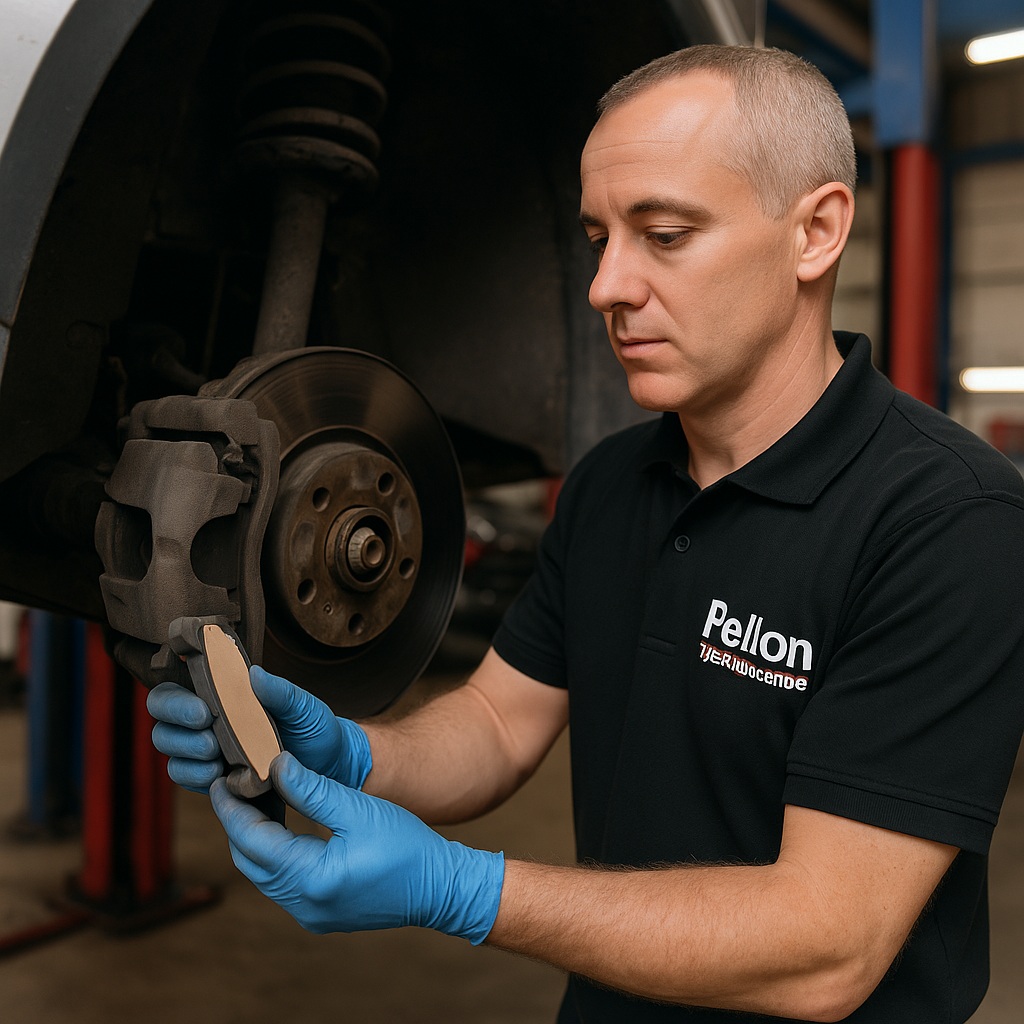
A quick brake inspection can reveal small issues before they become major ones. At Pellon Tyres, our trained technicians check the thickness of your pads and discs, inspect for corrosion, and make sure the braking system is working evenly across all four wheels.

It’s all part of keeping your car safe and reliable — and potentially saving you a hefty repair bill later on.

For example, replacing a full set of discs and pads can be pricey, but catching a worn pad early might only need a simple replacement. Prevention really is cheaper than cure.

During a full car service, your brakes are checked as standard, but it’s always worth asking for a more detailed inspection if you drive a lot or tow regularly. We often see customers who’ve had their car serviced elsewhere, only to find the brakes were given a quick glance rather than a proper check.

At Pellon Autocentre, we take the time to do things properly — whether it’s checking brake fluid levels, testing handbrake operation, or inspecting the callipers for sticking or corrosion.

Book your car service online here to keep everything in top shape this winter.

When to Have Brakes Checked

As a general rule:

  • Every 6 months or 6,000 miles, whichever comes first

  • Before MOT time – we’ll often spot issues that could cause a fail

  • Before winter and summer road trips

If you’re unsure, we’re always happy to offer a free visual brake check here in Halifax.

Learn more about our brake repair services.

Keeping Halifax Drivers Safe: Winter-Brake-Checks

With snow and ice always a possibility in West Yorkshire, good brakes are as important as good tyres. Combine a set of reliable winter tyres with a properly maintained brake system, and you’ll be ready for whatever the weather throws at you.

At Pellon Tyre and Autocentre, we’ve been keeping Halifax motorists safe since 1989—from batteries and tyres to brakes and MOTs, we do the lot under one roof.

So before the frost sets in, why not pop down for a quick brake check? It might just save you a nasty scare on a slippery morning.

Book your winter service today.

car-servicing-halifax

car-servicing-halifax

car-servicing-halifax

car-servicing-halifax

Car Servicing at Pellon Tyres – Keeping Halifax Motors Running Smoothly

Here at Pellon Tyres in Halifax, we’ve always said that regular car servicing is one of the best ways to keep your motor running smoothly and avoid nasty surprises further down the line. Yet, you’d be surprised how many drivers put it off—until a warning light pops up or a rattle starts that shouldn’t be there!

Just last week, we had three different cars in for issues that could’ve been caught early with a routine service. It’s a reminder that, much like visiting the dentist or doctor, it’s better to keep things in good nick than fix them when they go wrong.


Why Servicing Matters: car-servicing-halifax

Modern cars might be packed with electronics, sensors, and clever gadgets, but they still rely on the same basics — oil, air, fuel, and cooling systems that all need looking after.

A service isn’t just about changing oil and filters. It’s about making sure everything under the bonnet is working as it should, catching small problems before they become expensive ones.

Here at Pellon Tyres, our trained technicians go through each service checklist carefully — checking brakes, tyres, suspension, lights, and fluids. We always keep our customers in the loop and won’t replace anything without a chat first. That’s why people from all over Halifax—from King Cross and Ovenden to Sowerby Bridge—trust us to look after their vehicles year after year.

car-servicing-halifax

Different Types of Car Service: car-servicing-halifax

We offer two main types of service here at Pellon Tyres:

Interim Service

Perfect if you’re clocking up miles or just want peace of mind between annual checks. It covers the essentials — engine oil and filter change, top-ups, safety inspections, and a good look at the brakes, tyres, and steering components.

Full Service: car-servicing-halifax

This is the one most drivers go for once a year. It includes all the interim checks plus air and fuel filters, cabin filters (if needed), a full inspection of suspension, exhaust, and belts, and a full brake check. We’ll also look for leaks, corrosion, and any early signs of wear.

Many of our customers book their full service and MOT together, saving both time and money. You can book both easily on our website: www.pellontyres.co.uk.


Why Service with Pellon Tyres?

We’ve been part of the Halifax motoring scene since 1989, and in that time we’ve seen every kind of car and customer you can imagine—from brand-new electric vehicles to old classics still chugging along nicely.

We’re proud to be a local, independent garage, not a faceless chain. That means when you bring your car to us, you get a personal service — real people, honest advice, and no hidden extras.

Our workshop is fully equipped with the latest diagnostic tools, and our team — led by Dale, Ryan, and the rest of the lads — treat every car like their own. Whether you drive a little city car like a Peugeot 107 or a larger SUV, we’ll keep it running smoothly and safely.


A Bit of Local Halifax History

Cars have changed a lot since Pellon Tyres first opened its doors back in the late eighties. Back then, you’d see Fords, Rovers, and Austin Metros zipping up Pellon Lane, with carburettors and points needing constant attention. These days it’s computer diagnostics and hybrid systems, but one thing hasn’t changed — Halifax drivers still value good, honest service.

We’re proud to have looked after generations of customers, from young drivers getting their first MOT to long-time regulars who’ve been with us for decades. It’s all part of being a local garage at the heart of the community.


What Happens If You Skip a Service? car-servicing-halifax

We see this a lot — people skipping services thinking they’re saving a few quid. But it often ends up costing more in the long run.

Old oil loses its ability to lubricate properly, filters clog up, and small leaks can turn into big repair bills. We’ve seen engines seize, timing belts snap, and catalytic converters fail — all things that could’ve been prevented with a simple service.

A well-maintained car not only lasts longer but also holds its value better when you come to sell or trade it in. It’s a small investment that pays off big time.


Book Your Next Service with Pellon Tyres

If it’s been a while since your last service, or if you’re not sure when it’s due, pop in for a quick chat or give us a ring. We’ll check your service history and recommend what’s best for your car and budget.

You can also book online 24/7 at www.pellontyres.co.uk — just choose your preferred date and time, and we’ll do the rest.

So whether you’re off on a trip, getting ready for winter, or just want to keep your motor running like new, Pellon Tyres in Halifax is here to help.

Drivers Avoid Car Servicing

Drivers Avoid Car Servicing

Drivers Avoid Car Servicing

Why Some Drivers Avoid Car Servicing – And Why It’s a Costly Mistake

You’d think in this day and age of dashboard warnings, service reminders, and super-reliable engines that more people would keep up with their car servicing. But no – every week here at Pellon Tyre and Autocentre in Halifax, we see vehicles that have been badly neglected, with some owners hoping for a quick fix when things finally start to go wrong.

The truth is, modern cars are much better built than they used to be. But that doesn’t mean you can ignore their maintenance.


💻 Modern Cars, Modern Systems: Drivers Avoid Car Servicing

Cars these days are basically computers on wheels. Everything from fuel delivery to braking is monitored and controlled by sensors and modules. That includes service intervals – which are now calculated by the car’s onboard software to keep your vehicle running efficiently.

Your car handbook or service book will usually list your service schedule in detail – and you should stick to it. It’s been worked out by the engineers who built your car, so going too long between services is a risk, even if the car “feels fine”.


📖 Service History Matters Drivers Avoid Car Servicing

We often get cars in where the service book is either missing or hasn’t been filled in properly. The customer usually says the previous garage “forgot to stamp it”. In some cases, they’ve missed entire services – or can’t even remember when the last one was done.

This not only affects your car’s value if you ever come to sell it, but it also makes future maintenance more difficult. If you’ve lost the book, don’t panic – at Pellon, we use AutoData software, which lets us check your make and model for correct service intervals and schedules.

👉 Book your service with Pellon Tyres


⚠️ Ignoring Servicing = Bigger Bills Later

Some folks just don’t get their cars serviced at all – until a warning light flashes up. It might be for oil, brakes, or something more serious. At that point, it’s already a bigger job than it would’ve been with a regular service.

We’ve seen it all:

  • Brake pads worn down to the metal
  • Engines running dangerously low on oil
  • Timing belts not replaced in time and causing catastrophic engine failure

A missed oil change might seem harmless, but running a car on old or dirty oil puts your engine under stress. If it seizes up, you’re looking at a new engine, not a cheap oil change.


🔄 A Proper Service Covers More Than You Think

At a proper garage like ours, a service means far more than just topping up fluids. We check:

  • Brake wear
  • Tyre condition and rotation
  • Timing belt schedules
  • Suspension and steering
  • Fluid levels and leaks

We also spot early signs of issues that you might not notice, helping you avoid breakdowns and MOT failures later.

👉 Find out more about what’s included in a car service


🧰 Beware of Cheap Parts and DIY Fixes: Drivers Avoid Car Servicing

Fitting your own parts or buying cheap ones off the shelf might seem like a money-saver – but it rarely is. We’ve seen cheap brake pads wear out in months, budget tyres lose grip in the wet, and DIY oil changes done with the wrong grade of oil.

For example, premium tyres like Michelin or Falken will outlast cheap no-name tyres by thousands of miles – and give better grip and fuel economy.

The same goes for engine parts – cheap filters or belts often fail sooner, costing more in the long run.


🔁 Routine Maintenance = Peace of Mind. Drivers Avoid Car Servicing

Even just changing your oil and filter regularly can save your engine. Imagine you’re driving to the airport with your family and your engine blows due to neglect – now you’re missing your holiday and facing a huge bill.

If nothing else, keep on top of the basics. Don’t ignore the check engine or oil warning light – it won’t go away on its own.

At Pellon Autocentre, we also keep track of your timing belt change intervals as part of our full service package. It’s all part of making sure your car runs safely and reliably – just like it should.