Posts

All-Season tyres versus winter tyres
All-Season tyres versus winter tyres

All-Season tyres versus winter tyres

All-Season tyres versus winter tyres

Okay, let’s talk about tyres

specifically the difference between winter and all-season tyres. It’s like comparing an excellent all-weather coat to a solid umbrella. One is highly specialised, while the other is a jack-of-all-trades. And, when it comes to driving in our unpredictable British weather, picking the appropriate tyre is just as important as having a good cup of coffee to start the day.

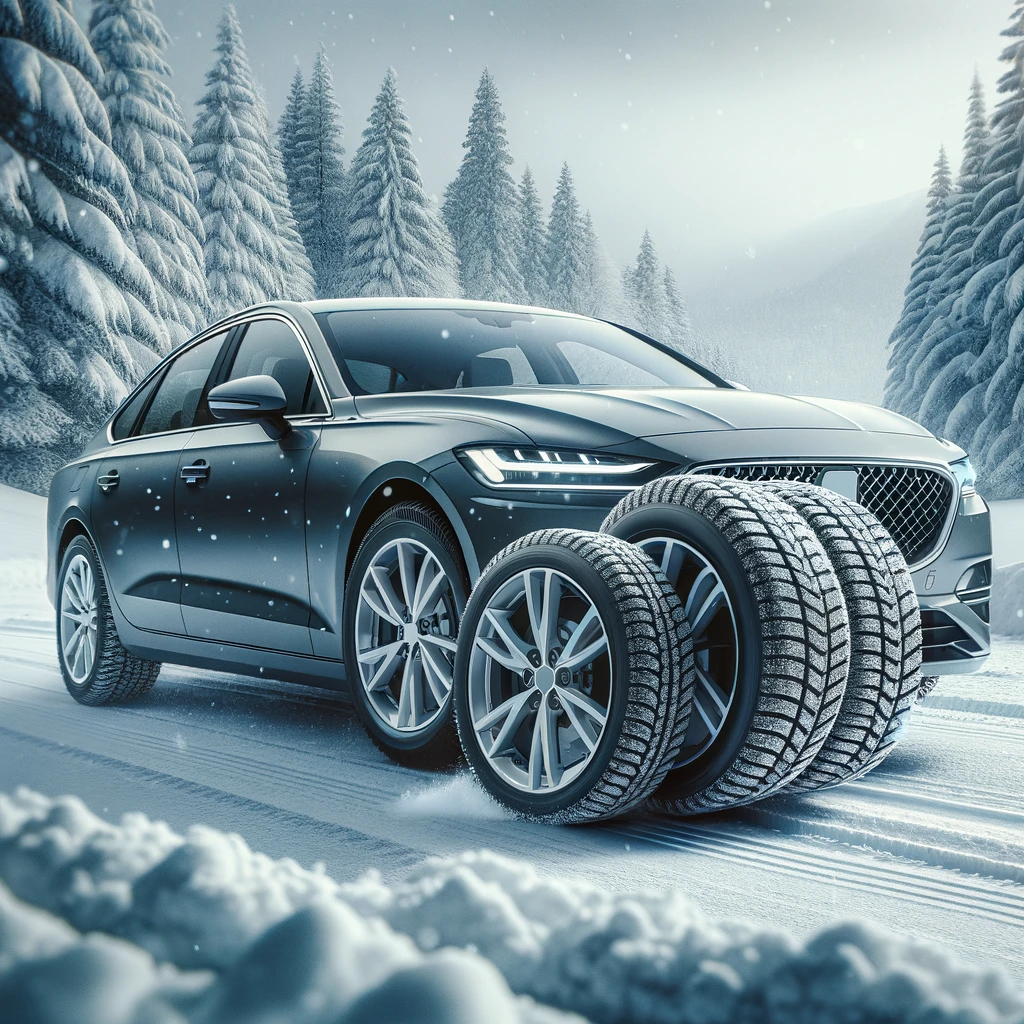
To begin, winter tyres are like your car’s thermal underwear throughout the cold season. These tyres come into their own when Jack Frost starts nipping. They’re composed of a softer rubber combination, so they don’t get as hard as a biscuit in cold temperatures. This softer rubber remains flexible, providing your vehicle with improved grip and handling on roads as slippery as an eel.

The tread pattern is also a work of art. All-Season tyres versus winter tyres

It has deeper grooves and thin slits known as sipes that operate great in the snow, slush, and even on ice. They bite into the ice, lowering the chances of doing a Bambi on ice. So, if you’re driving around Halifax’s mountainous terrain in the winter, these tyres can come in handy.

Change to all-season tyres now. These are the guys you can count on all year. They’re similar to an excellent waterproof jacket—not quite for a snowfall, but adequate in most situations. These tyres are comprised of a compound that strikes a balance between the softness required for winter driving and the hardness required for summer driving. So, while they won’t provide the traction of winter tyres on slippery roads, they’ll suffice on a chilly morning.

Their tread pattern is a hybrid. All-Season tyres versus winter tyres

designed to perform well in both wet and dry environments. It’s like having a tyre that can do everything—sort of like a Swiss Army knife for highways.

What does this have to do with us Brits? Our weather, on the other hand, may be as unpredictable as a soap opera plot. One day it’s warm enough for a barbeque, and the next you’re wondering whether you’ve awoken in Narnia. Winter tyres are ideal for the colder months, especially in places that get a lot of snow. However, if you live in a section of the UK where it rains more than it snows, all-season tyres might be the way to go.

This option also has a hint of local flavour.

Winter tyres, for example, may provide extra piece of mind if you’re driving over the curving roads of the Yorkshire Dales or up in the Scottish Highlands. However, if you primarily drive in cities in milder climates, all-season tyres may be more appropriate.

In the end, it all comes down to what’s best for your riding and typical travel. It’s like deciding between a Yorkshire pudding and a Cornish pasty—both are delicious, but it all depends on your mood and the circumstance. Remember, no matter what tyres you’re running, drive safely and keep your eyes vigilant, since British weather can throw a curveball faster than Geoff Boycott!

So there you have it

some tyre jargon to mull about the next time you’re contemplating rubber options. Whether you choose winter or all-season tyres, the goal is to keep you safe on our wonderful, but occasionally treacherous, British roads. Keep it safe out there, and happy driving!

All-Season tyres versus winter tyres This is yet another test regarding the effectiveness of all-season tyres versus winter tyres. It is normally the winter tyres versus the summer tyres. The difference in recent years is that we have seen the introduction of new tyre products with differing claims and counterclaims.

Leading tyre companies. All-Season tyres versus winter tyres

Pirelli, Michelin, Falken, and Goodyear are all launching new all-season products this year. The problem is that so are many of the mid-range tyre suppliers. These include Apollo tyres with their excellent Vredestein range of winter and all-season tyres.

Most of the tyres that were tested came out very well, but all-season tyres are not the same as winter tyres. In my opinion, it is still better to fit the real thing and stick to winter tyres. This is especially true if you live in a hilly or mountainous region of the UK. Here in Yorkshire, we have a mixture of terrain, but we do have many hills. These hills are large and small, and this is where we need the proper winter tyres.

Winter tyres are a great debate.

But the fact is that you are better suited to the different products depending on where you live. General All-season tyres do offer the driver better protection in all the types of weather that we can expect in a bad UK winter. This, in my opinion, is if you live in a part of the country that has a flat landscape. This would be in, say, Lincolnshire and Norfolk. All-season tyres are certainly better than using summer tyres.

I can foresee a future. All-Season tyres versus winter tyres

when most tyres produced will be of the all-season variety. Why not? It is up to the car manufacturers to these tyres as original equipment. The problem would be that the fact that the tread pattern is more aggressive alters the rolling resistance of the tyre. This would be no good for the new hybrid and electric cars unless the tyre designers came up with yet another special tyre to fit the electric cars?

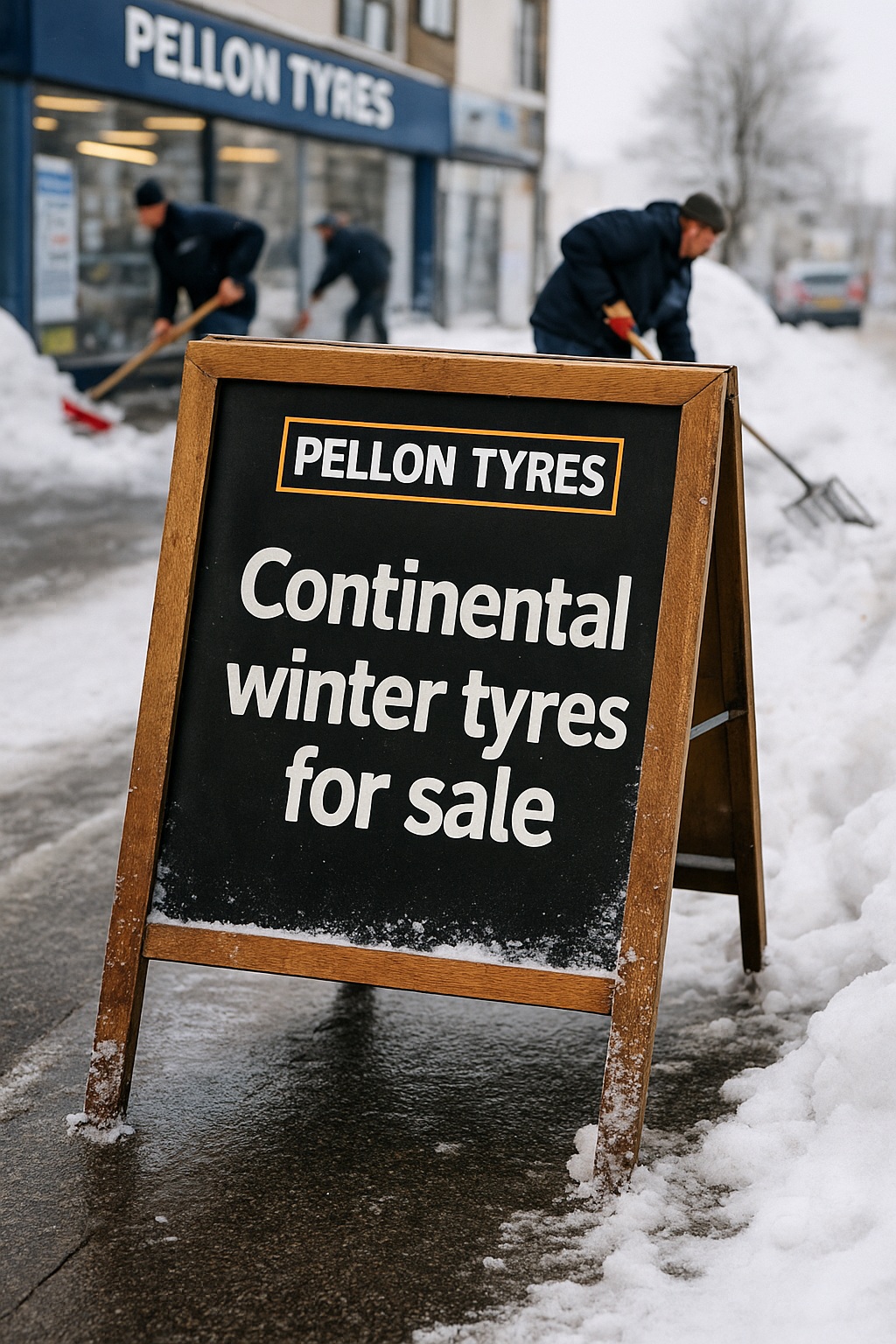
Finally, Pellon Tyres are still Nokian tyre dealers for the Calderdale area of Yorkshire, UK.

The tyre tests can be seen on  http://www.particlenews.com/
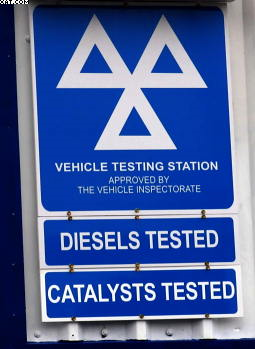
Insane MOT Test Proposals

Insane MOT Test Proposals

Insane MOT Test Proposals

Insane MOT Test Proposals

Even more concerningly, nearly one in ten (8.49%) automobiles failed the test on at least one harmful item, which is close to a third of all vehicles that failed the MOT the first time. Up to 2.57 million automobiles and vans with potentially harmful flaws will be on the roads as a result of reducing the MOT testing period to every two years.

Vehicles frequently fail MOT testing on safety-relevant components.

According to DVSA data, 7% of vehicles fail due to brake issues, another 7% due to tyre defects, and 10% due to suspension defects.

“This might actually be hazardous for motorists, bikers, and pedestrians, and we might see cars on the roads with significant flaws. And this suggestion won’t make any difference in terms of the expense of living.

Less frequent vehicle maintenance is comparable to putting off going to the doctor. So, just like with medical problems, things can get much worse if you wait. Shopping around will, for the most part, save you from having to pay the whole £54.85, the maximum a MOT may cost, and you may be able to prevent a hefty payment by catching it early, according to Karen Rotberg.

Drivers should keep their cars up-to-date regarding parts failures- Insane MOT Test Proposals

Even though some of the more critical flaws could be very expensive to fix, extra costs could be avoided with early intervention. For instance, if brake discs are damaged by metal-on-metal contact,. While the brake pads are entirely worn down. So, the braking discs must also be changed (typically costing hundreds of pounds). Simply keep an eye on your brake pads!

Neglect can cause damage to many different parts of a car. In addition to the brakes,. Damaged suspension parts can cause uneven tyre wear and hasten the need to replace the tyres. Remember the pothole crisis! It hasn’t gone away. While tyres that are not properly inflated will use more petrol and diesel and have a shorter lifespan.

67% of drivers, according to research by BookMyGarage.com. Then, schedule servicing at the same time as their MOT. This also applies to us here at Pellon Autocentre in Halifax, UK. This means that there is a good likelihood that many car maintenance tasks will go uncompleted as well. Which could result in higher costs for drivers owing to accelerated engine wear and increased fuel consumption.

27% of drivers fail to check their tyres! Insane MOT Test Proposals

In addition, 27% of drivers do not check the condition of their tyres, and 58% do not check to see if their lights are functioning, according to a BookMyGarage.com survey of 2,000 drivers.

“We are very much in favour of initiatives that relieve the expense of living; we recognise that there is true difficulty at the moment,” Rotberg stated. However, the government’s eye-catching measures hide the possibility that drivers may end up paying much more than necessary.

The best way to save money is to shop around for the best deals in your area. Additionally, a yearly MOT is essential for both safety and the expense of driving in the long run.

Insane MOT Test Proposals

Plans to relax the frequency of MOT tests to help ease the cost-of-living crisis have met strong criticism from across the motor industry. The Independent Garage Association (IGA) warns that the “dangerous” plan would fail to

Source: Plans to reduce MOT frequency hit with criticism

Winter Tyres Work

Winter tyres work
Winter tyres work

Winter tyres work

Winter tyres work

Your winter tyre Tips

Winter tyres work
Winter tyres work

Eric Roberts‘s insight:

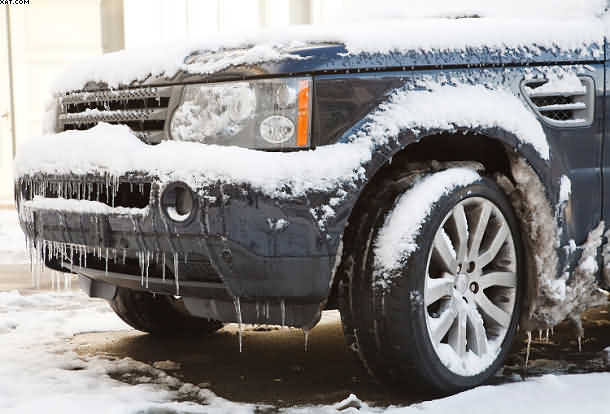
Snowing scenes like this call for “Winters to be fitted.” 

Winter tyres have, in the past three years, helped millions of motorists make safer journeys and arrive home safely. Remember, winters work. We are now approaching the time, usually November, when you should fit your winter tyres, or if you do not have any, then you should consider buying yourself a set.

Even if you can’t afford a set of four, it is still a better and safer proposition to fit a pair on your drive wheels. Out of all the thousands of customers that have had winter tyres fitted, I have never had a single complaint about the performance; in fact, most drivers will give them a raving review.

This is one of the reasons why fleet companies are fitting winters into their fleets. All-weather Tyres work. They know that it makes sense to fit them for the safety aspect, and they also know that it will benefit the drivers when they are out in snow and wet weather, and when the fleets buy them, you know they must be good, as they will not waste a penny unless it is necessary.

Better Winter and All-Season Tyres for Improved Safety on the Road

What’s up, folks? What’s up with that? It’s getting frigid, no doubt about it. So, now is a good time to discuss winter and all-season tyres. Significant advancements in tyre technology over the past few years have greatly increased road safety. Let’s get a cup of coffee and dive in!

Tyre land: A Tale from Long Ago; Winter Tyres Work

Do you remember when all-season tyres weren’t truly appropriate for all seasons and winter tyres were in short supply? The time for that has passed. We now have solutions that make driving safer in practically any weather, from the blazing heat of summer to the whiteout conditions of the apocalypse.

Tyres for the Winter: It’s Not Only for the Mountains

Winter tyres used to be something only mountain residents or those going on a ski trip would think about. Nonetheless, they are quickly becoming necessities due to the erratic nature of modern winters. These tyres now have improved tread patterns, deeper grooves, and cold-resistant rubber compounds.

All-Season Tyres Can Handle Any Road Condition

When it comes to safety, all-season tyres are a clear victor. Recent updates have made them more effective in the rain, and their grip in snow and ice is excellent. A set of all-season tyres is like a Swiss Army knife for your automobile, especially now that more storms are hitting the UK.

Being Calm Throughout the Storm

More and more storms have been occurring recently. Tyres have been modified to function in a variety of wet conditions, including floods, deep snow, and dreadful rain. What I mean is stuff like stiffer sidewalls for improved control in windy circumstances and water-dispersion technology to help minimise aquaplaning.

Winter tyres work
Winter tyres work

Improving Traffic Safety in Halifax

What’s in it for us here in Halifax? The weather here, as we all know, is indecisive. It could be sunny one second and hailing the next; the weather is impossible to predict. More than anywhere else, we need reliable tyres to keep us safe on the twisty roads we drive on every day.

Finishing Up: Winter Tyres Work

That’s all I’ve got, guys. Technology advancements in tyres have greatly increased traveller security, particularly in the face of erratic weather patterns. Technological advancements are worthy of praise, whether we’re talking about all-season tyres that can handle any weather or grippy winter tyres.

So long for now! Winter tyres work

You know where to find me if you’re thinking about getting new tyres. Be careful, stay warm, and help me make this winter’s roadways as safe as possible! Winter tyres work; its a fact

We at Pellon Tyres here in Halifax, West Yorkshire, recommend that you go for an economy winter tyre such as Jinhu Winters if you are on a low budget, or an excellent mid-range tyre is the Falken Winters. For SUVs or larger sedan types of cars, you could look no further that choosing a leading brand such as Michelin or Pirelli Winters; they are all excellent products

.As the article says, there were 6,000 road accidents here in the UK due to snow and ice, according to the Department of Transport (DFT)

Winter tyres work
Winter tyres work

Why Winter Tyres Make Such a Difference on Yorkshire Roads

One thing we know far too well up here is that Yorkshire weather does whatever it likes. Anyone who has tackled the tops between Halifax and Burnley, or the climb out of Sowerby Bridge towards Ripponden in January, will tell you exactly why proper winter tyres matter. When temperatures drop below 7°C, regular summer tyres stiffen up like old boots, losing grip just when you need it most.

Winter tyres stay soft and flexible, biting into cold, damp tarmac and giving you the confidence to stop quickly — especially when a sheep decides to wander out on the moors, as they often do!

Even a light dusting of frost can turn Halifax’s hills into ice rinks. That’s when winter tyres earn their keep, giving you the traction to pull away smoothly instead of spinning your wheels and going nowhere fast.


Better Braking in Snow and Ice — Proven by the Experts: Winter tyres work

Lots of drivers still think winter tyres are only for deep snow — not true. According to the Department for Transport, over 6,000 accidents every year in the UK are directly linked to snow and ice. (Source: gov.uk).
A huge chunk of these happen at low speeds — junctions, roundabouts, traffic lights — where a few extra feet in stopping distance makes all the difference.

Independent tests show winter tyres can reduce braking distance on ice by up to 30% and in slush by up to 50% compared to summer tyres. All-season tyres perform well too, but winter tyres are unbeatable when it gets properly cold.

This is why so many European countries make them mandatory during certain months. We might not have that rule here, but the science still stands.


Why Fleet Companies Switched to Winter Tyres Years Ago: Winter tyres work

You touched on this already, and it’s worth reinforcing: businesses don’t spend money unless it saves money.

Fleet operators worked out long ago that winter tyres reduce:

  • Accident risk
  • Lost working days
  • Repair costs
  • Vehicle downtime

Many ambulances, delivery vans, and taxi companies across the UK now run winter tyres as standard because they keep vehicles moving when conditions turn bad.

If fleets rely on them, that tells you everything you need to know.


A Quick Word on All-Season Tyres — A Great Option for Many Drivers

Not everyone wants two sets of tyres, and that’s where all-season tyres earn their popularity. The newer generation — such as Michelin CrossClimate, Goodyear Vector, and Falken AS210 — are a world apart from older designs.

Modern all-season tyres offer:

  • Strong wet weather performance
  • Excellent snow traction
  • Year-round comfort
  • No need for seasonal swap-overs

They’re ideal for drivers who stay mainly in towns or on motorways, while proper winter tyres remain the best choice for rural areas, steep hills, and exposed moorland roads around Yorkshire.


Looking After Your Winter Tyres — A Few Tips: Winter tyres work

To keep them performing at their best:

  • Check pressures regularly (cold weather drops PSI quickly)
  • Rotate the tyres halfway through winter
  • Store them in a cool, dry shed or garage when off the car
  • Keep them away from direct sunlight and chemicals

A well-looked-after winter tyre can last 4–5 seasons, making them a solid investment.


Why Pellon Tyres Is the Go-To Winter Tyre Centre in Halifax

We’ve been fitting winter tyres for decades, long before they became fashionable. Our customers often tell us the same thing:

“Once you’ve tried winter tyres once, you’ll never go back.”

We stock everything from budget options like Jinhu, through solid mid-range tyres such as Falken, right up to premium choices including Michelin, Pirelli, and Continental. So no matter your budget, there’s a safe choice available.

For online shoppers:
👉 www.pellontyres.co.uk

For local weather lovers:
👉 A handy winter driving guide from the UK Government:
https://www.gov.uk/guidance/driving-in-adverse-weather-conditions