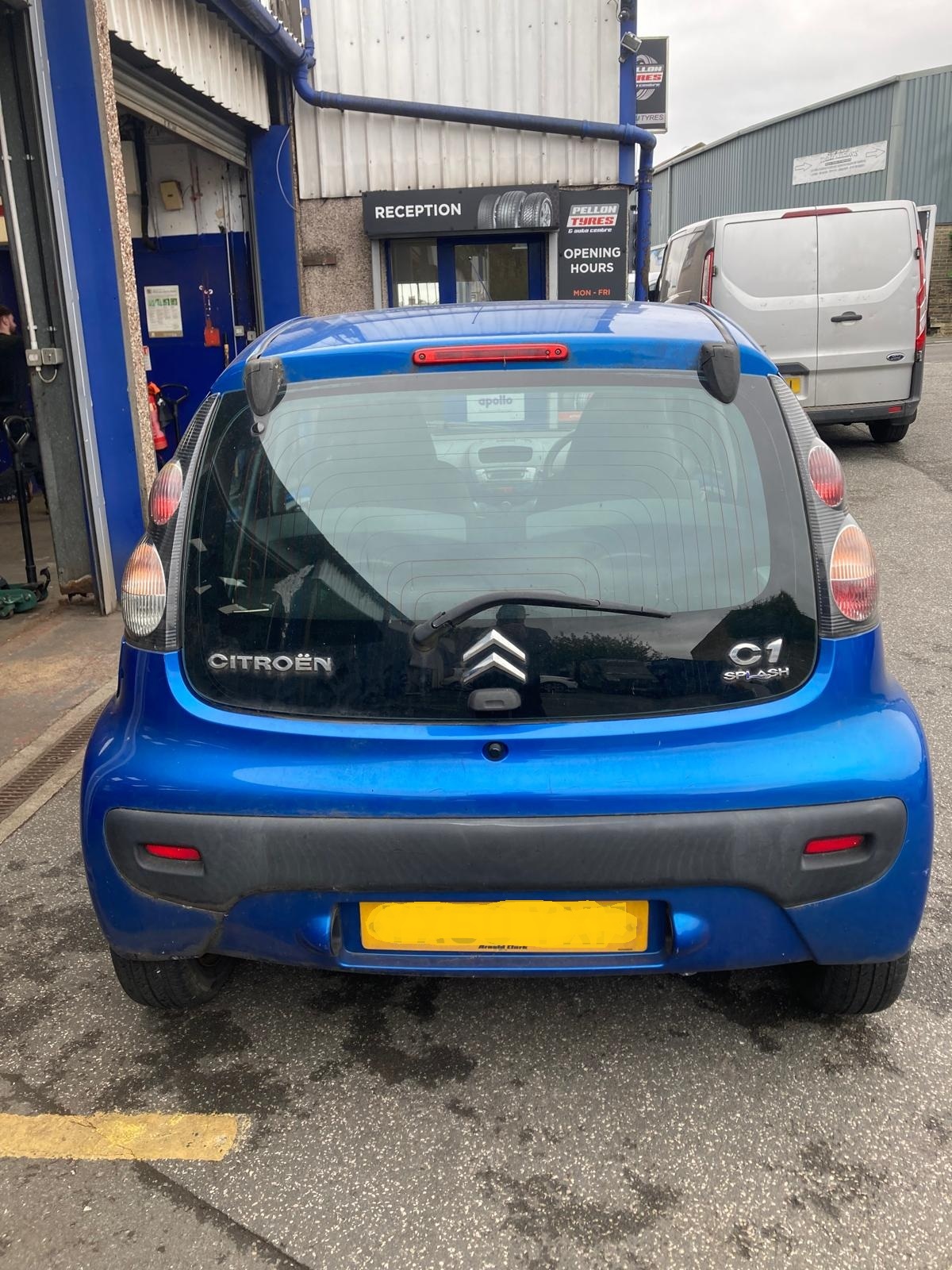
The other week at Pellon Tyres we had a little Citroen C1 come rolling in, sounding more like a tractor than a small city car. The poor thing had an exhaust system that was blowing louder than a brass band on Whit Friday. The customer was mortified, but to us it’s all in a day’s work.
Now, a blowing exhaust is one of those things that creeps up on most motorists. You don’t usually wake up one morning to find it’s completely dropped off – it’s a gradual process. Exhaust systems are constantly battling against the great British weather, road salt, potholes, and those speed bumps that seem to be breeding all over Halifax. Eventually, rust takes hold, joints loosen, or a weld gives way. Before you know it, your lovely quiet runabout is growling away like an old diesel bus.
Another common culprit is the flexipipe— that little section designed to take some of the movement and vibration of the engine. They’re handy things, but once they start to split, they make a right racket. Add in a few knocks from stones or the odd kerb, and you’ve got yourself a noisy problem.
Apart from being a nuisance to the ears, a damaged exhaust can also mean poor fuel economy, increased emissions, and, of course, an MOT failure. Additionally, there’s a possibility of hazardous gases infiltrating the cabin, a scenario that no one desires.
A Bit About the Citroen C1 Citroen C1 for New Exhaust System Fitting
Citroen C1 for New Exhaust System Fitting
The Citroen C1 is now a cracking little motor for nipping about town. First launched back in 2005, it was part of a joint venture between Peugeot, Citroen, and Toyota. You’ll probably know its close relatives, the Peugeot 107 and Toyota Aygo. They all rolled off the same production line in the Czech Republic – just given different badges and a few tweaks so you knew which one you’d bought.
The C1 has always been aimed at city drivers – compact, light on fuel, and easy to park in tight spots where a bigger car just wouldn’t fit. It doesn’t pretend to be flashy, but it delivers exactly what it promises: affordable motoring with a touch of French flair.
Over the years it’s had a few facelifts and updates, but it’s still kept that dinky, cheeky look. This car is perfect for young drivers, second cars, or anyone who doesn’t fancy wrestling with a tank down King Cross Road.
Back to Our Noisy Visitor Citroen C1 for New Exhaust System Fitting
Citroen C1 for New Exhaust System Fitting
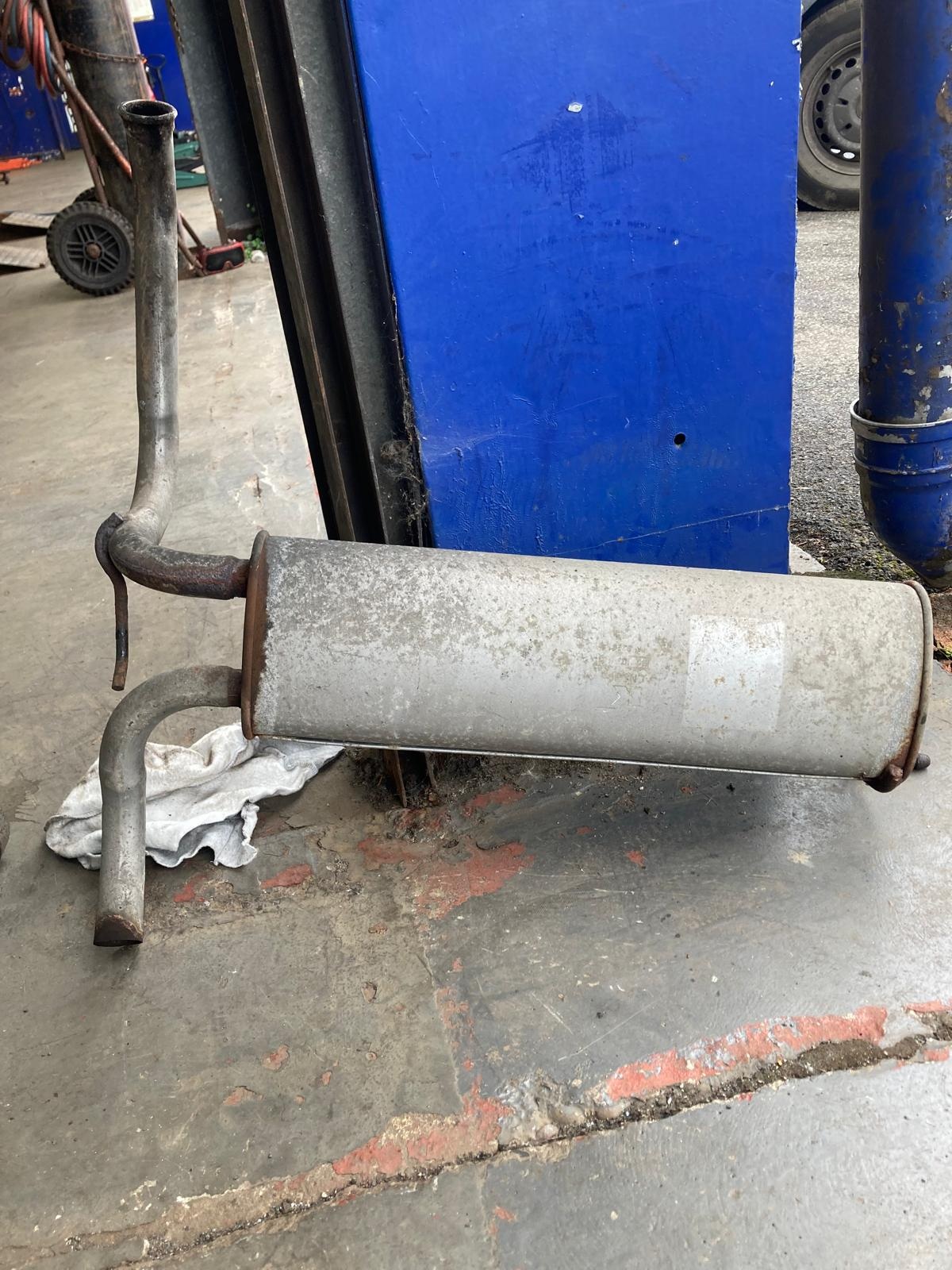
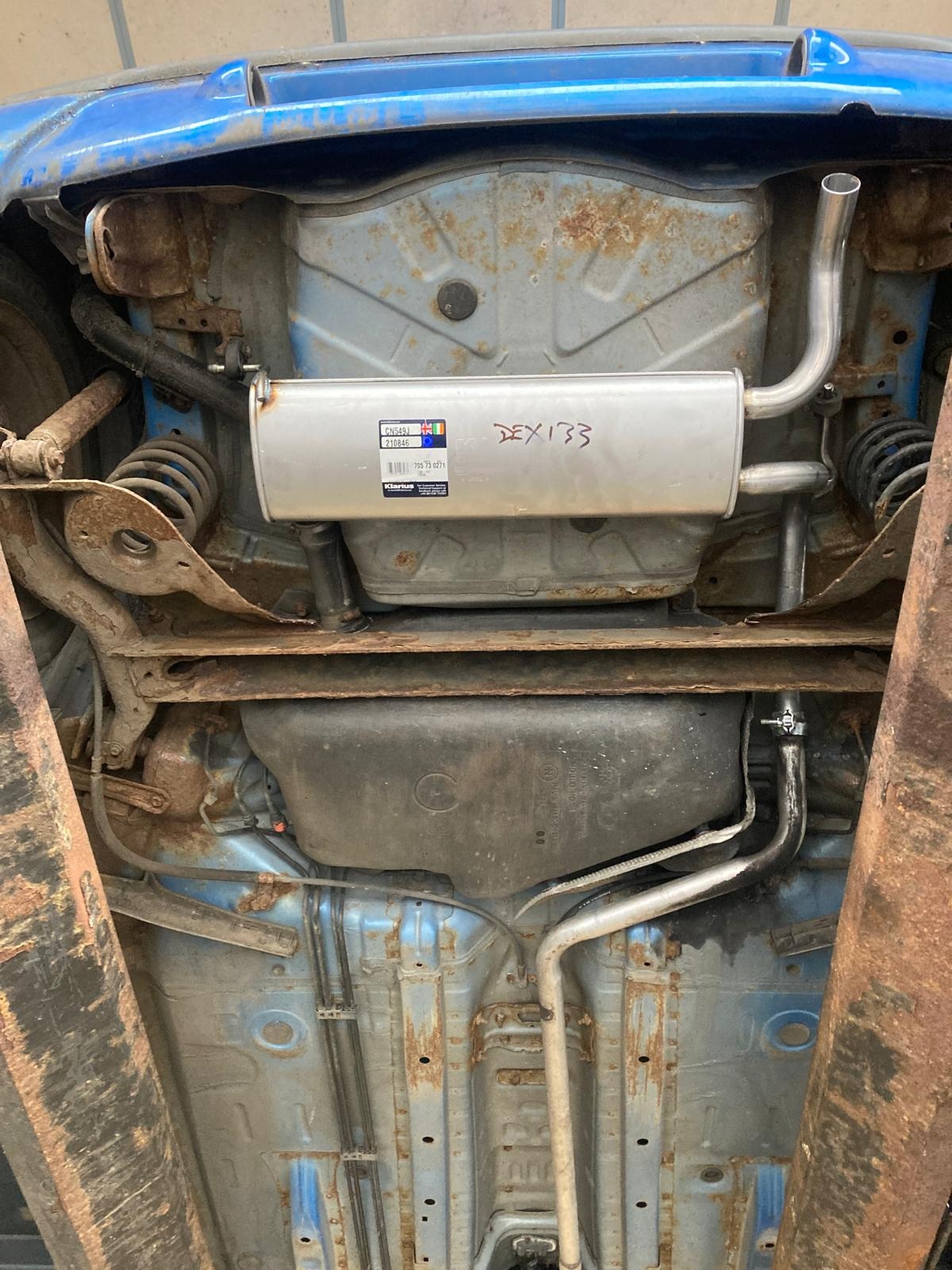
So, back to our C1 customer – after a bit of inspection up on the ramp, we found the exhaust had corroded around the joints and a section had gone completely. There’s nothing for it but to replace the lot. The customer drove away happy – and probably enjoyed the peace and quiet for the first time in weeks.
It’s a reminder that exhausts, though hidden away under your motor, are doing a tough job every time you turn the key. If you start to notice your car sounding louder than usual, or you get that tell-tale smell of fumes, don’t leave it too long. Pop in and we’ll soon sort it.
After all, a Citroen C1 should be a neat little car that hums along nicely – not something that makes you blush at the lights when it sounds like it’s about to take off.
https://www.pellonautocentre.com/wp-content/uploads/2024/07/pellon-tyres-logo-509x321.jpg00Eric Robertshttps://www.pellonautocentre.com/wp-content/uploads/2024/07/pellon-tyres-logo-509x321.jpgEric Roberts2025-08-21 03:33:092025-08-21 03:58:16Citroen C1 for New Exhaust System Fitting
Check Your Levels: Before Hot Weather Driving – Essential Safety Tips for UK Motorists
When the sunshine finally arrives in Yorkshire — usually all at once — drivers start heading off on day trips, coastal runs, and long weekends away. But every year we see the same thing here at Pellon Tyre & Autocentre: cars arriving in our bays suffering from problems that could have been easily avoided with one simple reminder…
👉 Always check your levels before you set off.
Hot weather puts extra strain on your engine, cooling system, brakes, tyres… basically everything. A five-minute check on your driveway can save you a world of trouble later on — including breakdowns, overheated engines, or worse.
Let’s go through the essentials.
1. Engine Oil Levels – The Lifeblood of Your Engine
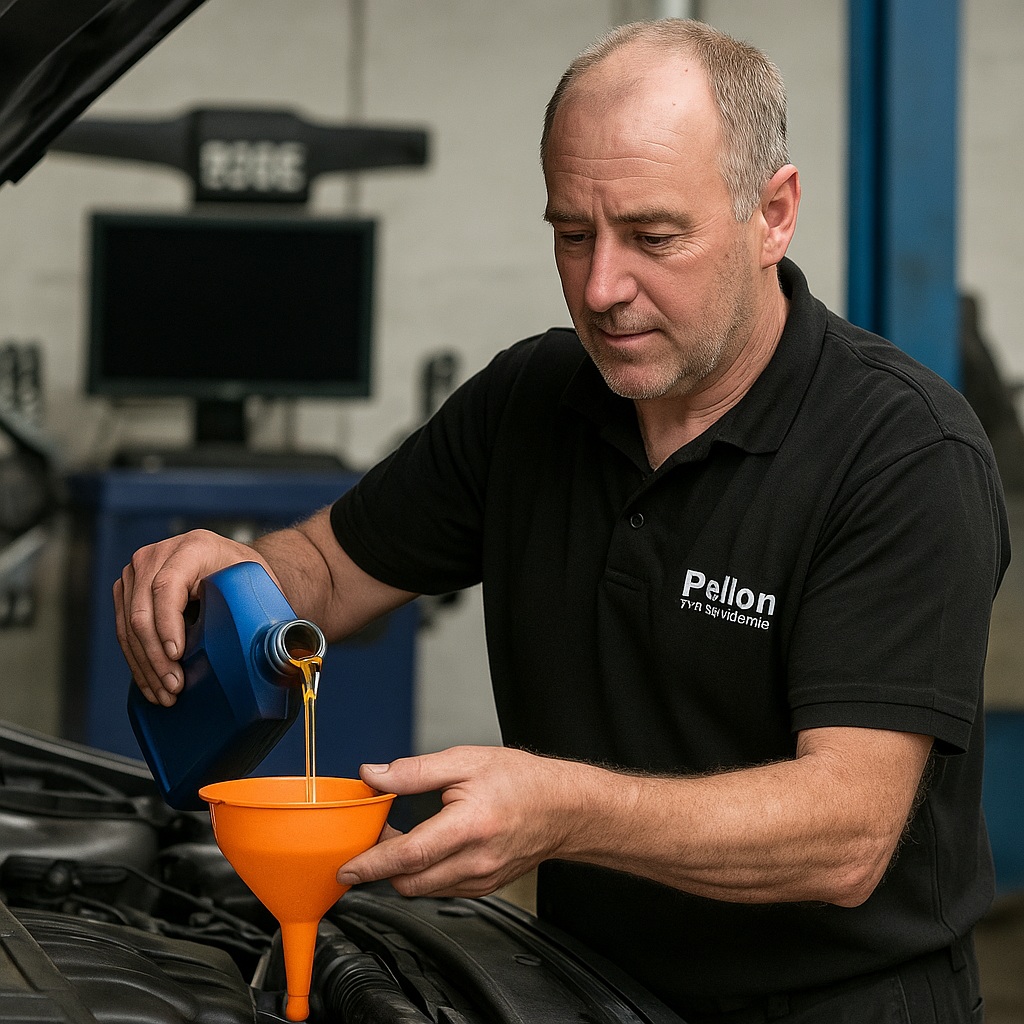
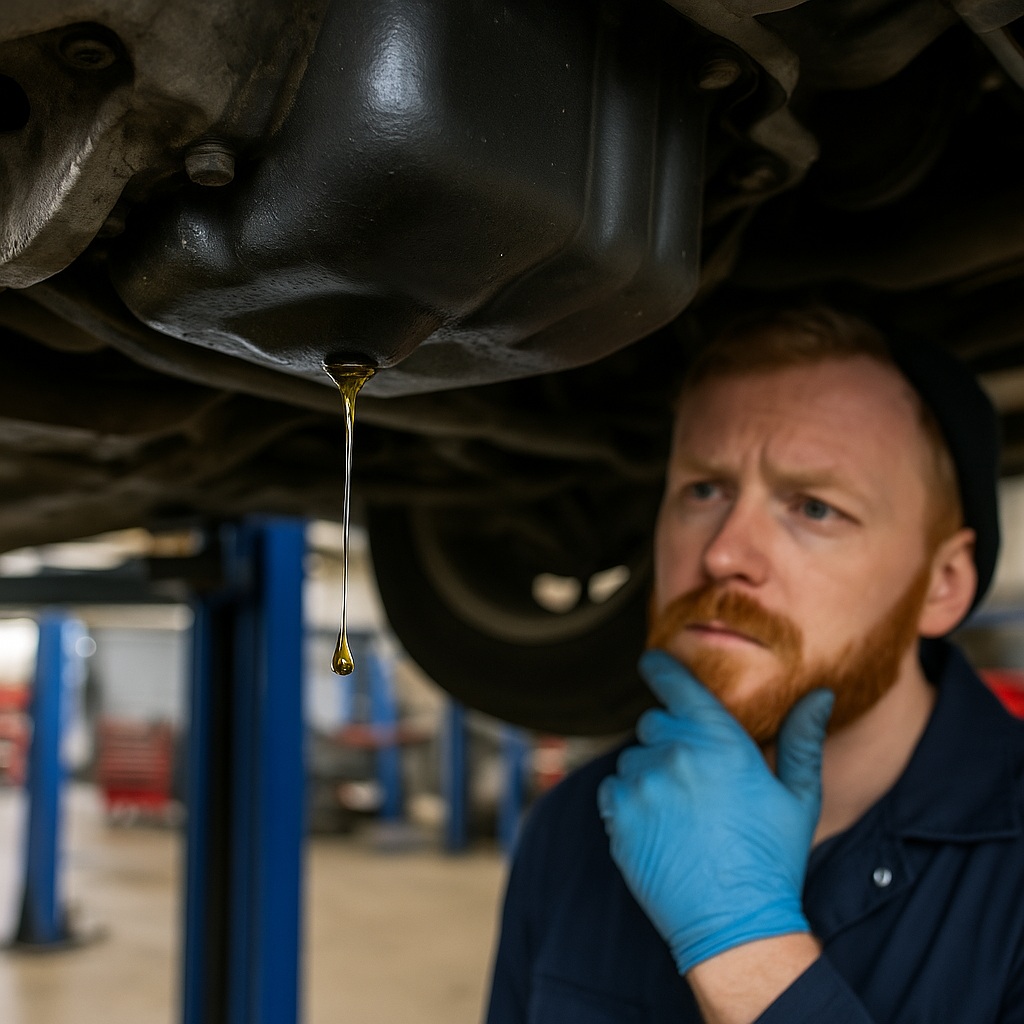
Your engine oil is the number one thing that keeps everything running smoothly, especially when temperatures rise. Oil thins out when hot, so if your level is already low, your engine has to work twice as hard.
Most modern engines now use synthetic oiland specific grades designed to protect the engine at high and low temperatures. If you’re unsure which oil your car needs, don’t guess — pop down to Pellon Autocentre, or check your handbook.
Key tip: Always check your oil when the engine is cold and parked on level ground.
Check Your Levels
2. Coolant Levels – Crucial in UK Heatwaves: Check Your Levels
Coolant prevents your engine from overheating. In hot weather and slow-moving traffic (and we all know Yorkshire gets its fair share on bank holiday weekends), coolant is absolutely vital.
If your level is low, your car can overheat surprisingly fast. This can warp your engine head, damage gaskets, and cost thousands in repairs.
A quick top-up before setting off makes all the difference.
3. Washer Fluid – Don’t Get Caught Short on Motorways
It sounds simple, but drivers forget. Dust, pollen, insects, sea spray near the coast — they all smear across the windscreen and can completely block visibility.
You don’t want to be scrambling for a bottle of water to pour over the screen on the hard shoulder.
4. Tyres – The Most Important Part of Summer Safety
This is the part we see go wrong most often.
Hot roads + under-inflated tyres = tyre blowouts.
Your tyres are made using heat processes, so when they’re already warm and the tarmac heats up to 50°C or more, the pressure inside rises. If the tyre is already weak, worn, or under-inflated, it can explode.
We see plenty of customers every Monday with blown tyres that could have been prevented.
Avoid part-worn tyres. They might look like a bargain, but you don’t know where they’ve been or what damage they’ve suffered.
A quality new tyre — even a budget one — is always the better and safer choice.
Set off earlier or choose a quieter route when possible.
7. Basic Summer Safety Checks Every Driver Should Do
Before you head out:
Check all fluid levels
Top up washer bottle
Test wipers
Check lights
Inspect tyres and pressures
Make sure your spare wheel or repair kit is ready
Ensure your breakdown kit and phone are charged
Five minutes now can save you hours later.
Local Yorkshire Weather Challenges: Check Your Levels
Here in Halifax and across West Yorkshire, the landscape adds extra strain:
Steep hills
Stop-start driving
Sudden changes in weather
Heavy traffic through towns like Huddersfield and Bradford
Cars overheat faster in this environment, making level checks even more important.
Final Thoughts – Check Your Levels & Stay Safe
Hot weather is great, but it brings challenges for both drivers and vehicles. A few simple checks can prevent breakdowns, extend the life of your engine, and keep your family safe.
If you’re unsure about anything — from tyres to oil grades — we’re here to help at Pellon Tyre & Autocentre in Halifax, ready to get you sorted quickly and safely.
Stay cool, stay safe, and enjoy the sunshine whenever it decides to arrive!
As we always remind our customers here in Halifax, looking after your car in hot weather isn’t just about topping up the odd fluid — it’s about keeping the whole vehicle calm and comfortable when the temperatures shoot up.
Modern engines run much hotter than older ones, and that means coolant levels, oil quality and even brake fluid condition become far more important on long summer drives. If you’re unsure which oils or fluids your particular model needs, you can always look on our Pellon website for guidance: 👉 https://www.pellontyres.co.uk
Check Your Levels
Another thing worth checking before you set off is your car battery. Many people associate battery failures with winter, but the truth is that heat damages batteries too. Hot weather increases evaporation inside the battery, which leads to sulphation and a sudden loss of performance.
We regularly see cars turning up at the garage after a long trip to the coast with warning lights flashing, simply because the battery has overheated. A quick battery check can save you from being stranded on the roadside.
You should also keep an eye on your brake performance during hot spells. Brake fluid absorbs moisture over time, and when temperatures rise, this moisture can heat up and cause brake fade.
If your brake pedal feels spongy after a steep drive through the hills around Halifax, it might be time for a fluid change. The DVSA also reminds drivers that braking efficiency is a key MOT requirement — worth reading here: 👉 https://www.gov.uk/getting-an-mot
Finally, let’s not forget about summer fuel economy. Many drivers notice their MPG dropping during warm weather, often because the car is working overtime to run the air-con while crawling through traffic.
Poorly inflated tyres can make this even worse. By keeping your pressures spot-on and your tyres in good condition, you’ll save money, improve handling, and reduce the risk of a blowout. You can find more tyre advice and booking options on our site: 👉 https://www.pellontyres.co.uk
Type of Tyres – A Woman’s Tyres – What You Need to Know for Safety and Confidence on the Road
Let’s face it – tyres aren’t always the first thing we think about when it comes to car maintenance. But having the right tyres, in good condition, can make a massive difference to how your car handles, how safe it is, and even how much fuel you use.
This guide is designed especially for women drivers, whether you’re nipping to the school run, commuting to work, or off for a weekend adventure. Here’s what you need to know about types of car tyres, when to change them, and how to stay safe – whatever the weather throws at you.
Not All Tyres Are the Same – Understanding the Basics
While tyres might all look similar at a glance, they’re not all built for the same purpose. There are different types of tyres for different road conditions and driving styles. Choosing the right ones for your car – and your lifestyle – is key.
1. Summer Tyres – Standard for UK DrivingType of Tyres
These are the most common tyres fitted to new cars in the UK. Summer tyres are designed to handle well in both wet and dry road conditions – ideal for our typical British weather in spring, summer, and autumn.
Tread patterns are designed to disperse rainwater and reduce the risk of aquaplaning.
Great for everyday driving in towns, cities, and on the motorway.
Offer good grip and fuel economy when temperatures are above 7°C.
📌 Best for: General daily use in average UK weather.
2. All-Terrain and Off-Road Tyres – For the Adventurous Driver
If you’re the kind of woman who likes to go off the beaten track – maybe a dog walker or farmer, or you just love a bit of mud – then all-terrain tyres are your best mate.
Typically fitted to SUVs and 4x4s like Land Rovers and pick-up trucks.
Tougher sidewalls to handle rough terrain.
Chunky tread blocks help grip in mud, gravel, or loose sand.
📌 Best for: Rural drivers, off-roaders, or anyone needing extra grip in fields and on country roads.
3. Winter Tyres – Your Safety Net in Cold WeatherType of Tyres
If you live somewhere that gets frost, snow or icy roads in winter, winter tyres are well worth considering.
Made from a special rubber compound with added silica, keeping them soft and grippy even in freezing temperatures.
Deep tread and lots of tiny grooves (called sipes) help maintain control on slippery roads.
Not just for snow – they also work better in cold, damp conditions under 7°C.
📌 Best for: Northern UK drivers, rural areas, or anyone regularly driving in winter weather.
4. All-Season Tyres – A Great All-Rounder
These are becoming more popular, especially with busy families or drivers who don’t want the hassle of changing tyres every season.
A blend between summer and winter tyre tech.
Provide reliable grip in mild winter and wet summer conditions.
Michelin CrossClimate and Goodyear Vector 4Seasons are top choices.
📌 Best for: City drivers, moderate climates, or year-round convenience.
When Should I Change My Tyres?
Your tyres won’t last forever – and knowing when to replace them is vital for your safety. Here are some key things to check:
✅ Tread Depth
The legal minimum tread depth in the UK is 1.6 mm, but safety experts recommend replacing tyres at 3 mm.
Low tread = longer braking distance, especially in the wet.
You can use a 20p coin as a quick check – if the outer band is visible, your tread is too low.
✅ Uneven Wear
Uneven tyre wear could mean your tyres are underinflated, overinflated, or your alignment is out.
If the edges are worn but the centre looks okay, your tyres might be underinflated.
If the centre is worn and edges are fine, they might be overinflated.
✅ Cracks, Bulges, or Damage
Check your tyre sidewalls for cracks, cuts or lumps – these can lead to dangerous blowouts.
Don’t Guess – Ask a Tyre ExpertType of Tyres
While it’s great to know the basics, the best way to stay safe is to pop in for a free tyre check. Here at Pellon Tyres in Halifax, we’re always happy to help – no pressure, no nonsense. Just honest advice from a garage you can trust.
We’re also proud members of TyreSafe.org, promoting tyre safety across the UK.
Final Tips for Female Drivers
Check your tyre pressures monthly (especially before long journeys).
Know your tyre size – it’s printed on the tyre sidewall (e.g. 205/55 R16).
Don’t rely solely on your car’s dashboard – physically check your tyres every few weeks.
👠 Ladies – Your Safety Starts Where the Rubber Meets the Road
Whether you’re running errands, heading on holiday, or ferrying the kids about, having the right tyres can make all the difference.
Need advice? Visit Pellon Tyre and Autocentre Halifax – we’re here to keep you and your car safe, whatever the road ahead looks like.
📍 Local, friendly, and tyre specialists you can trust.
First Time Drivers Guide: What To Look For In Your First Car
First Time Drivers Guide
First-Time Driver’s Guide: What to Look for in Your First Car
Getting behind the wheel for the first time is a thrilling experience – but choosing your first car can be a little overwhelming. With so many makes, models, and price tags to consider, it’s important to start off informed and confident.
Whether you’ve just passed your test or you’re learning to drive, this first-time car buyer’s guide will walk you through the essentials – from choosing the right car and setting your budget to finding a trusted dealer and understanding the real cost of car insurance for new drivers.
🚗 What Kind of Car Is Best for First-Time Drivers?
Before diving into the market, think about your driving needs:
Do you need a small car for nipping around town?
Will you be using it for long motorway journeys?
Do you want something easy to park and cheap to insure?
For most new drivers, a compact hatchback is a smart choice. Cars like the Honda Jazz, Ford Fiesta, or Toyota Yaris are reliable, economical, and relatively cheap to maintain. You can check reviews and comparisons of suitable first cars on sites like WhatCar?.
📌 Top Tip: Choose a car with good fuel economy, a low insurance group, and a clean history. These three things will help you save money and stay safe on the road.
🧠 Learn the Basics Before You Buy
Getting familiar with a few basic motoring terms will help you feel more confident when speaking to dealers or looking through car listings:
MPG (Miles per Gallon): The higher, the better for fuel savings.
Insurance group: Lower groups (1–10) are cheapest for new drivers.
MOT history: Look for cars with a solid MOT record – you can check this free at gov.uk.
Service history: A well-maintained car with regular services is always a safer bet.
🔎 How to Find a Trustworthy Car Dealer
One of the biggest mistakes new drivers make is rushing into a deal. It’s worth taking your time and choosing a reputable used car dealership with a solid track record.
Check if the dealer offers warranties, a full service history, and proper vehicle checks.
🔧 Recommended Dealer:Dunwell Motor Group in Ipswich – known for their honest service and a great selection of nearly new Hondas and other reliable first cars.
Dealers like this offer complete vehicle history reports, warranty cover, and expert advice – everything a first-time buyer needs.
💰 Budgeting for Your First Car – What to Include
When setting a budget, don’t just think about the price of the car. You’ll also need to account for:
Insurance (often the biggest cost for first-time drivers)
🧮 Create a realistic monthly budget and stick to it. If you’re looking at finance or leasing, always check the small print. The cheapest monthly payment might end up costing more long-term if the interest rates are high.
🔐 Understanding Car Insurance for New Drivers
Car insurance is legally required in the UK – and it can be expensive for first-time drivers. But there are ways to bring the cost down:
Add a parent as a named driver (without fronting!)
Consider black box insurance (telematics that reward safe driving)
📈 Recent Stats: According to ABI, average UK car insurance premiums rose by 21% between 2022 and 2023, with an average cost of £511 per year. This is due to higher repair costs, material prices, and labour shortages.
So, it’s never been more important to compare deals, read the cover details, and avoid simply picking the cheapest option.
✅ Checklist: What to Look for in Your First Car
Full service history and MOT record
Clean interior and exterior
No warning lights on the dashboard
Smooth engine and braking on a test drive
Affordable insurance and road tax
Trusted dealership or private seller
Room for your lifestyle (passengers, boot space, etc.)
👩🎓 Final Thoughts: Start Smart, Drive Safe
Choosing your first car is a big moment – but it doesn’t have to be stressful. With a little planning, a good budget, and some smart shopping, you’ll be able to find a car that’s not only safe and reliable but also enjoyable to drive.
If you’re in Halifax and need tyre advice, a free safety check, or help with car maintenance after your purchase, we’re here at Pellon Tyre and Autocentre to help.
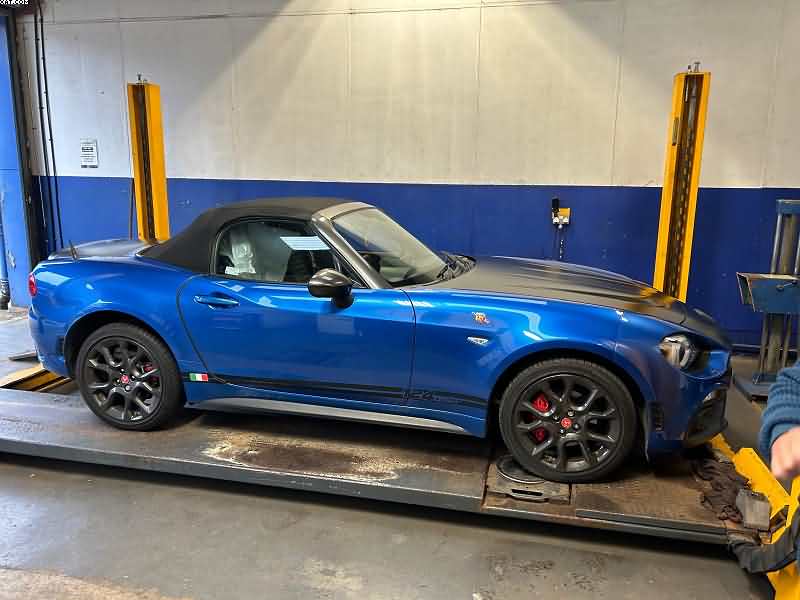
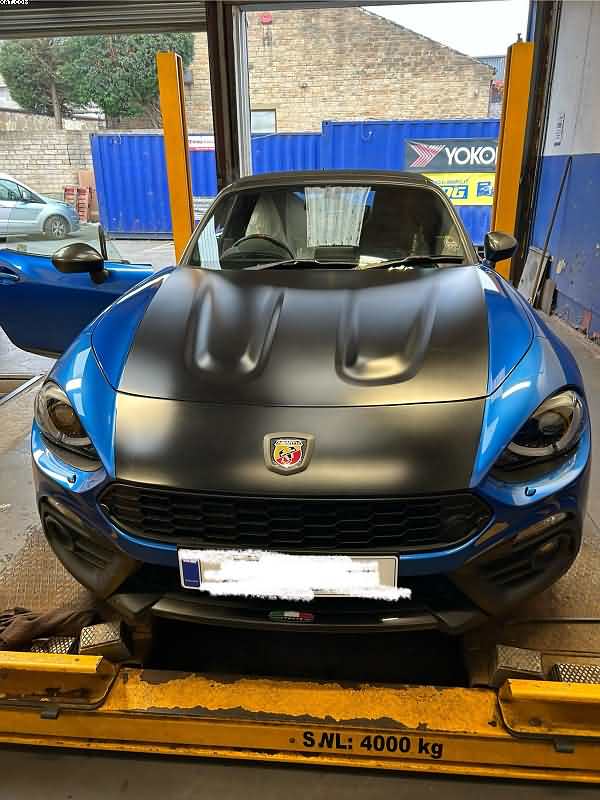
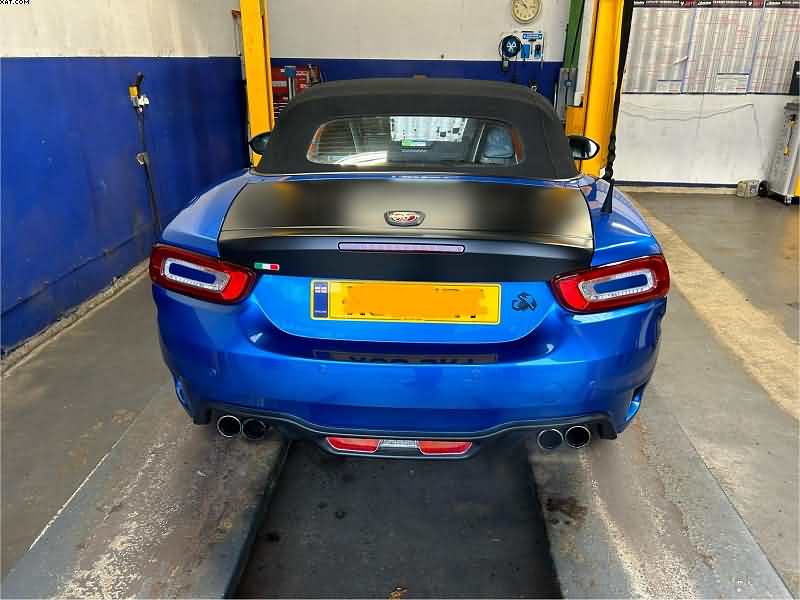
Fiat Abarth Spider MOT Test in Halifax – A Rare Italian Treat at Our Garage
We recently had the pleasure of welcoming a true Italian gem to the ramp here at Pellon Tyre and Autocentre in Halifax – the stunning Fiat Abarth 124 Spider. This rare little sports car glided in for its annual MOT test, and it immediately turned heads.
It was one of those moments when you stop and appreciate a car for what it truly is – not just a mode of transport but a piece of driving art. With its aggressive stance, twin tailpipes, and low-slung roadster lines, the Abarth Spider is a real showstopper – and this one looked absolutely immaculate.
🏎️ A Modern Classic with Italian Flair and Japanese Reliability
The Fiat Abarth Spider is something of a modern motoring oddity – in the best way possible. Built in collaboration with Mazda, it shares its platform with the ever-popular MX-5, but Fiat has added its own Italian twist. Under the bonnet lies a punchy 1.4-litre turbocharged engine, pushing out 168 bhp, which gives it a bit of bite – perfect for the twisty roads of West Yorkshire.
Originally revived in the mid-2010s, the 124 Spider pays homage to the original Fiat 124 of the ’60s and ’70s – a roadster remembered fondly for its motorsport credentials and stylish looks. The Abarth version dials things up with:
Sharper suspension
Faster steering
Brembo brakes
A signature raspy exhaust note that brings out your inner racing driver
📌 Fun Fact: The Abarth’s exhaust system – known as the Record Monza – is specifically tuned to give a deep growl. It’s one of the first things you’ll notice when it starts up.
🚘 Abarth 124 Spider – Perfect for Yorkshire Roads Fiat Abarth Spider for MOT Test
There’s no denying that this is a car built for driving. Whether you’re winding along the Hebden Bridge switchbacks, climbing the Pennine Hills, or cruising into Halifax on a summer evening with the roof down, the Abarth Spider feels right at home.
With its compact body and agile handling, it’s a joy to manoeuvre even on our narrower local roads. The drive has that “wind-in-your-hair” feel, reminiscent of proper old-school sports cars – but with modern safety and reliability built in.
It’s the kind of car that begs you to take the long route home – purely for the fun of it.
🔧 MOT Test – A Clean Bill of Health for This Italian Thoroughbred
When this particular Abarth rolled in, it was clear from the get-go that the owner takes serious pride in it. The paintwork was spotless, the interior was clean and well-kept, and the whole car just felt loved.
OuMOT technicians in Halifax gave it a thorough inspection – brakes, emissions, suspension, and the usual safety checks. It passed its MOT test with flying colours, as expected from such a well-maintained example.
At Pellon Autocentre, we see all sorts of cars – from work vans to everyday hatchbacks – but it’s always a treat when something a bit special comes in, especially when it’s looked after by a true enthusiast.
🏁 Why Enthusiasts Still Love the Fiat Abarth Spider
In an age where many cars are more about touchscreens than torque, the Abarth Spider is a welcome reminder that driving can still be about feel, sound, and connection.
No fake engine noises here – just genuine turbocharged grunt
A proper manual gearbox, not a paddle-shift in sight
Lightweight chassis and rear-wheel drive for real driver engagement
It’s a car with soul, and you can feel that every time you fire it up or flick it through a tight bend.
👀 See One? Give It a Nod – It’s Earned It Fiat Abarth Spider for MOT Test
If you ever spot a Fiat Abarth Spider parked up in Halifax, Brighouse, or Sowerby Bridge, take a second to admire it. These cars are rare, characterful, and brilliantly fun. A modern classic, if ever there was one.
And if you’re lucky enough to own one, remember we’re always here to help keep it in top condition – from MOTs and tyres to brakes and servicing, we’ll treat it with the respect it deserves.
✅ Need an MOT for a Fiat Abarth Spider in Halifax?
We love seeing performance cars, classics, and rare motors here at Pellon Tyre and Autocentre. Whether you own a Fiat, a BMW, or a trusty Ford, we’ll give it a thorough, honest MOT and expert advice on anything it needs.
📍 Find us in Halifax 📞 Book your MOT today – quick, reliable, and DVSA-approved 🛞 Click here to book online
Fiat Abarth Spider for MOT TestFiat Abarth Spider for MOT Test
https://www.pellonautocentre.com/wp-content/uploads/2024/07/pellon-tyres-logo-509x321.jpg00Eric Robertshttps://www.pellonautocentre.com/wp-content/uploads/2024/07/pellon-tyres-logo-509x321.jpgEric Roberts2025-07-07 07:39:012025-07-07 07:39:01Fiat Abarth Spider for MOT Test
We may request cookies to be set on your device. We use cookies to let us know when you visit our websites, how you interact with us, to enrich your user experience, and to customize your relationship with our website.
Click on the different category headings to find out more. You can also change some of your preferences. Note that blocking some types of cookies may impact your experience on our websites and the services we are able to offer.
Essential Website Cookies
These cookies are strictly necessary to provide you with services available through our website and to use some of its features.
Because these cookies are strictly necessary to deliver the website, refusing them will have impact how our site functions. You always can block or delete cookies by changing your browser settings and force blocking all cookies on this website. But this will always prompt you to accept/refuse cookies when revisiting our site.
We fully respect if you want to refuse cookies but to avoid asking you again and again kindly allow us to store a cookie for that. You are free to opt out any time or opt in for other cookies to get a better experience. If you refuse cookies we will remove all set cookies in our domain.
We provide you with a list of stored cookies on your computer in our domain so you can check what we stored. Due to security reasons we are not able to show or modify cookies from other domains. You can check these in your browser security settings.
Other external services
We also use different external services like Google Webfonts, Google Maps, and external Video providers. Since these providers may collect personal data like your IP address we allow you to block them here. Please be aware that this might heavily reduce the functionality and appearance of our site. Changes will take effect once you reload the page.