Michelin Agilis Van Tyres
Michelin Agilis Van Tyres
Table of Contents
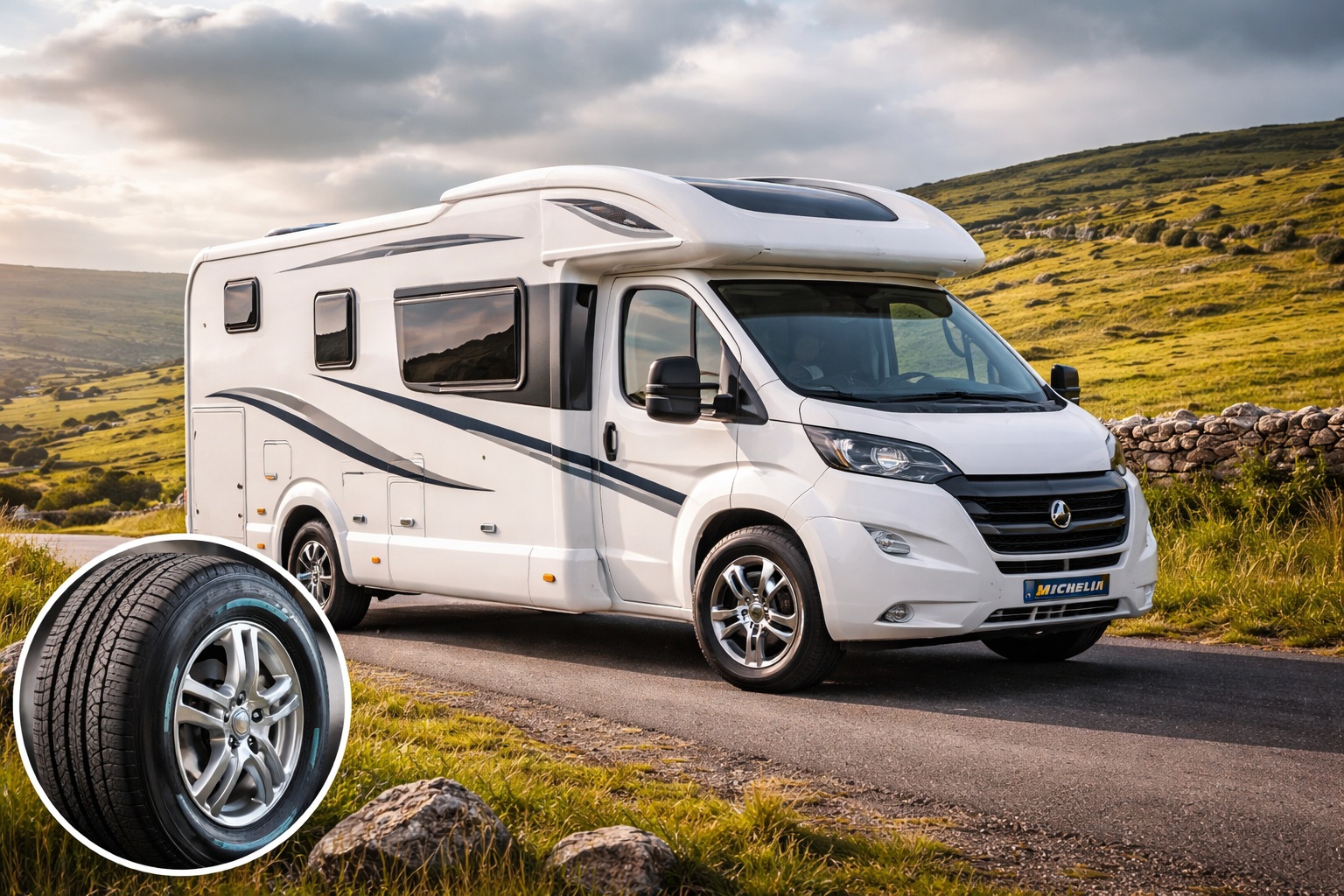
Michelin Agilis Van and Motorhome Tyres – Built for Hard Work and Long Journeys
I’ve been in the tyre trade for more than forty years, and throughout all that time I’ve never made any secret of my respect for Michelin tyres.
In my opinion, Michelin remains one of the finest tyre manufacturers in the world.
Of course, other premium manufacturers such as Continental, Goodyear, Pirelli and Bridgestone produce some excellent tyres. However, Michelin has always held a special place in the tyre industry, not least because of its pioneering work in developing the radial tyre.
When it comes to vans and motorhomes, the Michelin Agilis range continues that tradition of quality.
Here at Pellon Tyres in Halifax, we’ve fitted countless van tyres over the years. From local tradesmen working around Calderdale to delivery drivers covering thousands of motorway miles, commercial vehicles put enormous demands on their tyres.
Then we have motorhomes, which present a completely different challenge.
That’s where choosing the correct tyre becomes extremely important.
Michelin Agilis Tyres for Working Vans: Michelin Agilis Van Tyres
A working van is very different from an ordinary family car.
It may carry heavy tools, building materials or parcels. It could spend all day stopping and starting around Halifax or covering hundreds of motorway miles every week.
The tyres must cope with all of this while providing good braking, predictable handling and a respectable working life.
Michelin developed the Agilis range specifically with commercial vehicles in mind.
Over the years, different versions have included tyres such as the Agilis 41, Agilis 51 and Agilis 61.
Tyre technology has naturally moved forward since those earlier models, and today’s Agilis family includes newer products designed to meet the demands of modern vans.
However, the basic principle remains the same.
A good commercial tyre must be tough, dependable and capable of carrying the correct load safely.
Why Van Tyres Have a Hard Life
Anyone who runs a van knows how hard these vehicles work.
A local plumber or electrician may spend the day climbing the steep roads around Halifax, stopping at one job after another.
Delivery vans can spend hours driving over speed bumps, kerbs and potholes.
Motorway vans may cover huge mileages at sustained speeds.
Then there is the weight.
Tools and equipment soon add up, which means the tyres are constantly working under significant load.
This is why it’s important to fit tyres with the correct load and speed ratings rather than simply choosing something because it’s cheap.
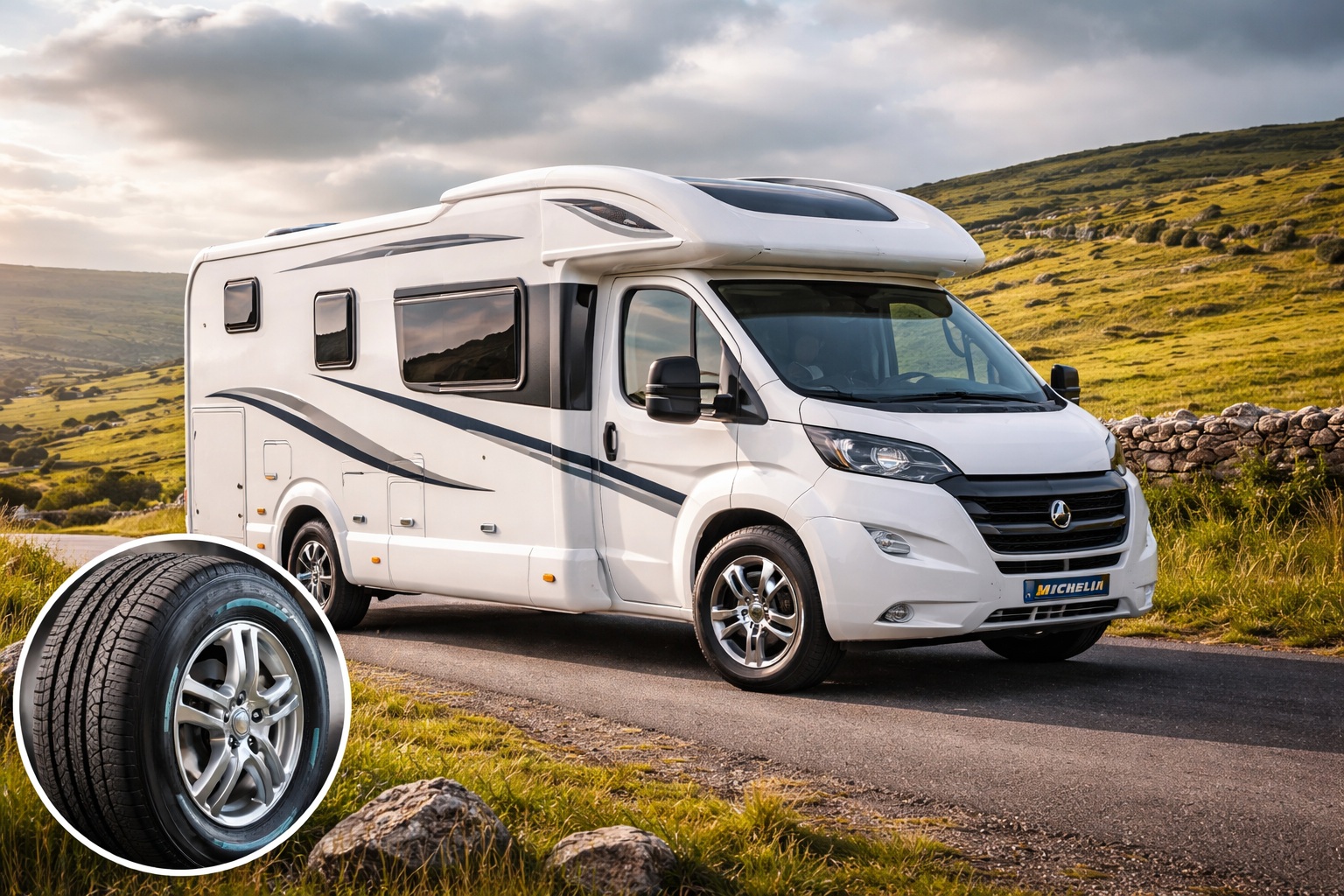
Michelin Agilis Camping Tyres for Motorhomes: Michelin Agilis Van Tyres
Motorhomes create their own particular challenges.
Unlike an ordinary van, a motorhome may spend weeks or even months parked in one position.
It could then suddenly be loaded with passengers, water, food, luggage and camping equipment before setting off on a journey of several thousand miles.
That places unusual stresses on the tyres.
Michelin developed its Agilis Camping range specifically for motorhomes.
These tyres are designed to cope with prolonged periods of standing, high loads and long-distance travel.
They also carry the CP marking used for tyres designed specifically for motor caravan use where applicable.
For motorhome owners, fitting the correct tyres is particularly important.
Motorhomes Are Often Heavier Than People Realise
One thing I’ve noticed over the years is that people often underestimate just how heavy a fully loaded motorhome can become.
Add passengers, water tanks, gas bottles, bikes, food and all the bits and pieces people take on holiday, and the weight soon increases.
This is why tyre pressures and load ratings matter so much.
The correct pressure shouldn’t simply be guessed.
Ideally, the vehicle should be weighed when loaded for travel, and the tyre pressures set according to the vehicle manufacturer’s and tyre manufacturer’s recommendations.
Too little pressure can cause excessive heat build-up and damage.
Too much pressure can affect comfort and handling.
Getting it right matters.
Our Experience with an Agilis 51 Tyre: Michelin Agilis Van Tyres
Many years ago, we had a customer visit Pellon Tyres complaining of a vibration from his van at around 60 mph.
The vehicle was fitted with Michelin Agilis 51 tyres.
Naturally, our first thought was wheel balancing.
We removed the wheels and balanced them, but my fitter commented that they were unusually difficult to balance correctly.
Anyone with experience in the tyre trade knows that this can occasionally be a warning sign.
A tyre that’s out of round, has suffered internal damage or has been subjected to severe impact can sometimes be difficult to balance.
At the time, I did some research and found other van drivers discussing similar experiences online.
However, I should stress that this was one particular case from many years ago.
After spending more than four decades fitting tyres, I can honestly say that genuine manufacturing faults from Michelin have been exceptionally rare in my own experience.
That’s one reason I continue to hold the brand in such high regard.
Not Every Tyre Problem Is a Manufacturing Fault
This is something worth explaining.
When a tyre develops a bulge, vibration or unusual wear pattern, it doesn’t automatically mean the tyre was faulty when it left the factory.
There can be many possible causes.
The tyre may have hit a pothole.
The vehicle may have been overloaded.
Incorrect tyre pressures may have been used.
The wheel itself could be damaged.
There could also be suspension or wheel alignment problems.
That’s why a proper inspection is always important before reaching any conclusions.
Van Tyres Around Halifax and Calderdale: Michelin Agilis Van Tyres
Our local roads can be demanding on commercial vehicle tyres.
Halifax is famous for its hills, and anyone regularly driving around places such as Pellon, Queensbury, Ripponden, Sowerby Bridge or Hebden Bridge knows how quickly the roads can change.
We have steep climbs, sharp bends, heavy rain and plenty of potholes.
For a heavily loaded van, quality tyres can make a real difference.
Good wet-weather grip and predictable braking are especially important when you’re carrying a load.
Motorhome Owners Should Check Tyres Before Every Big Trip
Motorhomes often cover relatively low annual mileage, which can create a false sense of security.
A tyre may still have plenty of tread but be several years old.
Ageing can cause the rubber to deteriorate, particularly if the vehicle spends long periods parked outdoors.
Before setting off on a long European holiday or touring trip around Britain, I would always recommend checking the following:
Tyre pressures.
Tread depth.
Sidewalls for cracking or damage.
The age of the tyres.
Correct load ratings.
Any unusual bulges or deformation.
A few minutes spent inspecting your tyres could prevent a much bigger problem hundreds of miles from home.
Why Michelin Still Earns My Respect: Michelin Agilis Van Tyres
After all my years in the tyre trade, I judge manufacturers by what I see in the workshop.
Not by glossy brochures.
Not by expensive advertising campaigns.
By the tyres themselves.
Michelin has consistently produced products that deliver excellent mileage, strong grip and impressive durability.
That doesn’t mean every Michelin tyre will last forever or that problems can never occur.
No manufactured product is completely immune from failure.
But based on my own experience, Michelin has earned its reputation through decades of consistently producing excellent tyres.
Choosing the Right Tyre for Your Van or Motorhome
Not every van or motorhome needs the same tyre.
A local delivery van has different requirements from a motorway courier vehicle.
A builder’s van carrying heavy equipment has different demands from a campervan used for weekends away.
That’s why we always recommend fitting tyres suited to the actual vehicle and how it’s used.
The correct load rating is essential.
So is the correct size and speed rating.
Price matters, of course, but safety should always come first.
Final Thoughts from Pellon Tyres: Michelin Agilis Van Tyres
The Michelin Agilis range has earned a strong reputation amongst van drivers and motorhome owners for good reason.
These vehicles work hard, carry heavy loads and often travel long distances.
They need tyres designed specifically for the job.
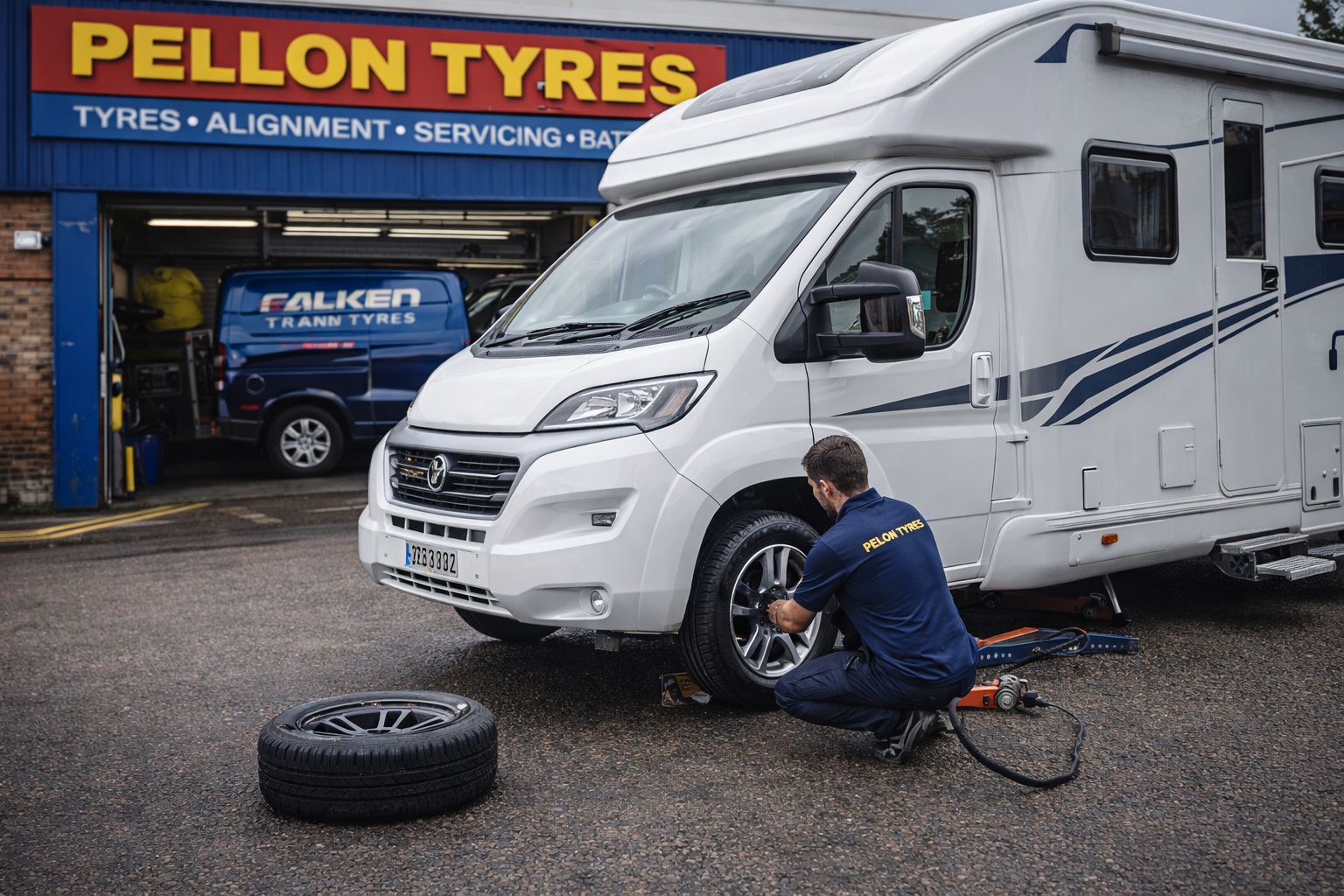
Here at Pellon Tyres in Halifax, we’re always happy to inspect your van or motorhome tyres and offer straightforward advice.
After more than forty years in the tyre trade, my opinion of Michelin hasn’t changed very much.
I still believe they make some of the finest tyres in the world.
And when it comes to vans and motorhomes, the Agilis name remains one that deserves respect.