3 Critical Car Maintenance Tasks
Table of Contents
3 Critical Car Maintenance Tasks

3 Critical Car Maintenance Tasks
Number Plate Maintenance
Regular car maintenance is crucial for your vehicle’s longevity, safety, and optimal performance. Just as our bodies need routine check-ups, cars require regular attention to prevent minor issues from becoming major, costly problems down the line.
In this article, we’ll discuss three critical maintenance tasks that you can’t afford to skip, from regular oil changes that keep your engine running smoothly to tyre checks that ensure your safety on the road. Uniquely, we’ll touch on the often-overlooked topic of number plate maintenance, which is vital for legality and identification purposes.
Number Plate Maintenance– 3 Critical Car Maintenance Tasks
Maintaining the visibility of your number plates is crucial for legal and identification purposes. Dirty or obscured plates can lead to fines or penalties in many jurisdictions, as they hinder recognition by traffic enforcement cameras and law enforcement officials. Regular cleaning should ensure that your plates remain visible and legible.
There are situations where you might need to get new number plates. These could be due to damage, wear, or if they’re lost or stolen. Sometimes, existing plates may fade due to exposure to harsh weather conditions, making them difficult to read. In such cases, you should promptly order replacement number plates.
Getting new number plates also comes into play if you want to personalise your car with a unique registration number, which can be an expression of your personality or a way to make your vehicle more distinctive. Regardless, remember to always comply with the specifications and requirements set by local laws when replacing your number plates.
Regular Oil Changes– 3 Critical Car Maintenance Tasks
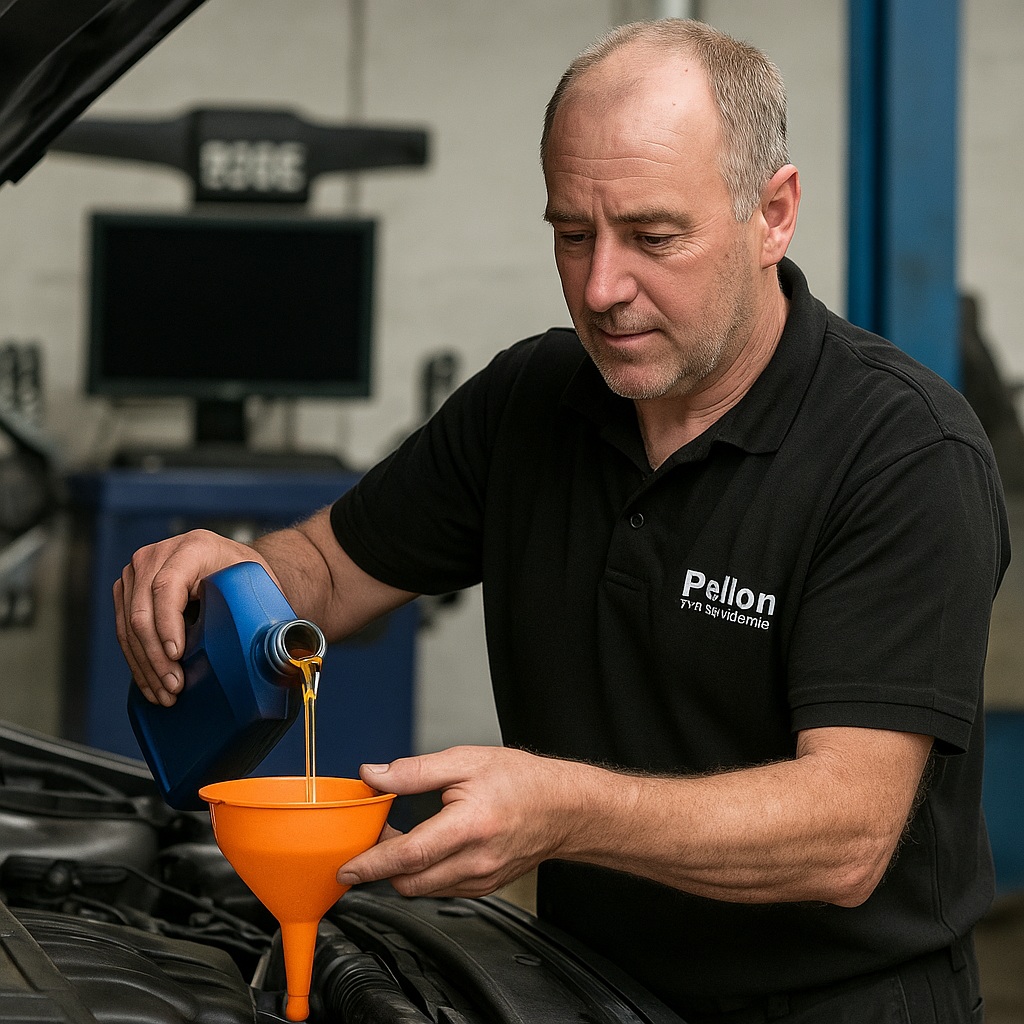
Changing your car’s oil regularly is one of the most important things you can do for your engine’s durability and efficiency. The engine oil lubricates the moving parts, reducing friction and wear, thereby preventing overheating and potential engine damage.
Over time, the oil becomes dirty and less effective due to the accumulation of dust, dirt, and other contaminants. This degraded oil can’t adequately protect the engine, leading to reduced performance and potentially severe engine damage.
Regular oil changes ensure your engine runs with clean, effective oil. This keeps the engine healthier and enhances fuel efficiency, resulting in smoother rides and fewer frequent visits to the gas station. Regular oil changes are a small investment that pays off in the form of a longer-lasting, better-performing engine.
Tyre Checks– 3 Critical Car Maintenance Tasks
Maintaining correct tyre pressure, regular rotation, and alignment are vital aspects of car maintenance, significantly affecting safety, fuel efficiency, and tyre lifespan.
Correct tyre pressure ensures optimal contact between the tyres and the road. This provides better grip, reduces tyre wear, and enhances fuel efficiency. Under-inflated tyres can overheat and cause blowouts, while over-inflation reduces grip, affecting braking and handling.
Regular tyre rotation, typically every 5,000 to 7,000 miles, balances tyre wear, helping all tyres to wear evenly and prolong their life. Alignment checks are also crucial, as misaligned tyres can lead to uneven wear, poor handling, and decreased fuel efficiency.
Driving on worn tyres is hazardous as it diminishes traction, increases stopping distances, and can lead to tyre failure. Regularly inspect tyres for tread depth and any signs of damage to ensure safe driving. Proper tyre maintenance saves money by extending tyre life, improving fuel economy, and ensuring safer journeys.
car maintenance checklist, types of car maintenance, car maintenance checklist pdf, car maintenance schedule, car maintenance schedule by mileage.
2026 Article update: 3 Critical Car Maintenance Tasks: Other important tasks
The Most Important Maintenance Jobs to Keep Your Car Safe on Yorkshire Roads
Running a car properly isn’t about fancy gadgets or expensive extras. It’s about looking after the basics. Around Halifax and Calderdale, where we deal with steep hills, damp roads, winter grit and busy town traffic, keeping a vehicle safe really matters.
Over the years at Pellon Tyres, we’ve seen plenty of cars come in for simple checks that could have prevented bigger problems. Most breakdowns and MOT failures aren’t dramatic engine failures — they’re down to everyday maintenance being ignored.
Here’s what really matters.
Tyres – Your Only Contact with the Road
Let’s start with the obvious one.
Your tyres are the only part of your car touching the road. In heavy Yorkshire rain, that matters more than ever.
Drivers should regularly check:
- Tread depth (legal limit is 1.6mm, but we recommend thinking about replacement at 3mm)
- Tyre pressures (incorrect pressures affect grip and wear)
- Sidewall damage or bulges
- Uneven wear (which could mean alignment issues)
With heavier rainfall these days and more traffic on faster roads, worn tyres dramatically increase the risk of aquaplaning. A decent tyre with proper tread depth can make the difference between staying in control and sliding helplessly.
Free tyre checks take minutes. Ignoring tyres can cost much more.
Brakes – Don’t Wait for Grinding Noises: 3 Critical Car Maintenance Tasks
Brakes rarely fail without warning. They normally give signs:
- Squealing
- Grinding
- Vibration through the pedal
- Pulling to one side
Brake pads and discs wear gradually. Leaving them too long can turn a simple pad change into a full disc replacement.
On Calderdale’s hills, good brakes aren’t optional. Long descents and stop-start traffic put extra strain on braking systems.
If something doesn’t feel right, get it checked.
Suspension – The Unsung Hero
Suspension components like:
- Shock absorbers
- Springs
- Control arms
- Bushes
- Drop links
All work quietly in the background. When they wear, drivers often ignore it because it “still drives”.
But worn suspension affects:
- Braking distance
- Tyre wear
- Steering stability
- Emergency handling
We’ve seen plenty of vehicles where a simple worn suspension arm has made a car unsafe without the driver realising it.
Steering and Wheel Alignment: 3 Critical Car Maintenance Tasks
Modern cars are sensitive to alignment. Hitting potholes, kerbs or speed bumps can knock things out.
Signs of trouble:
- Steering wheel not straight
- Car pulling to one side
- Uneven tyre wear
Wheel alignment protects tyres and keeps handling stable, especially at motorway speeds.
Battery Health
Modern cars are more dependent on electrical systems than ever.
Cold Yorkshire winters can finish off a weak battery quickly.
Warning signs:
- Slow cranking
- Dashboard warnings
- Dim lights
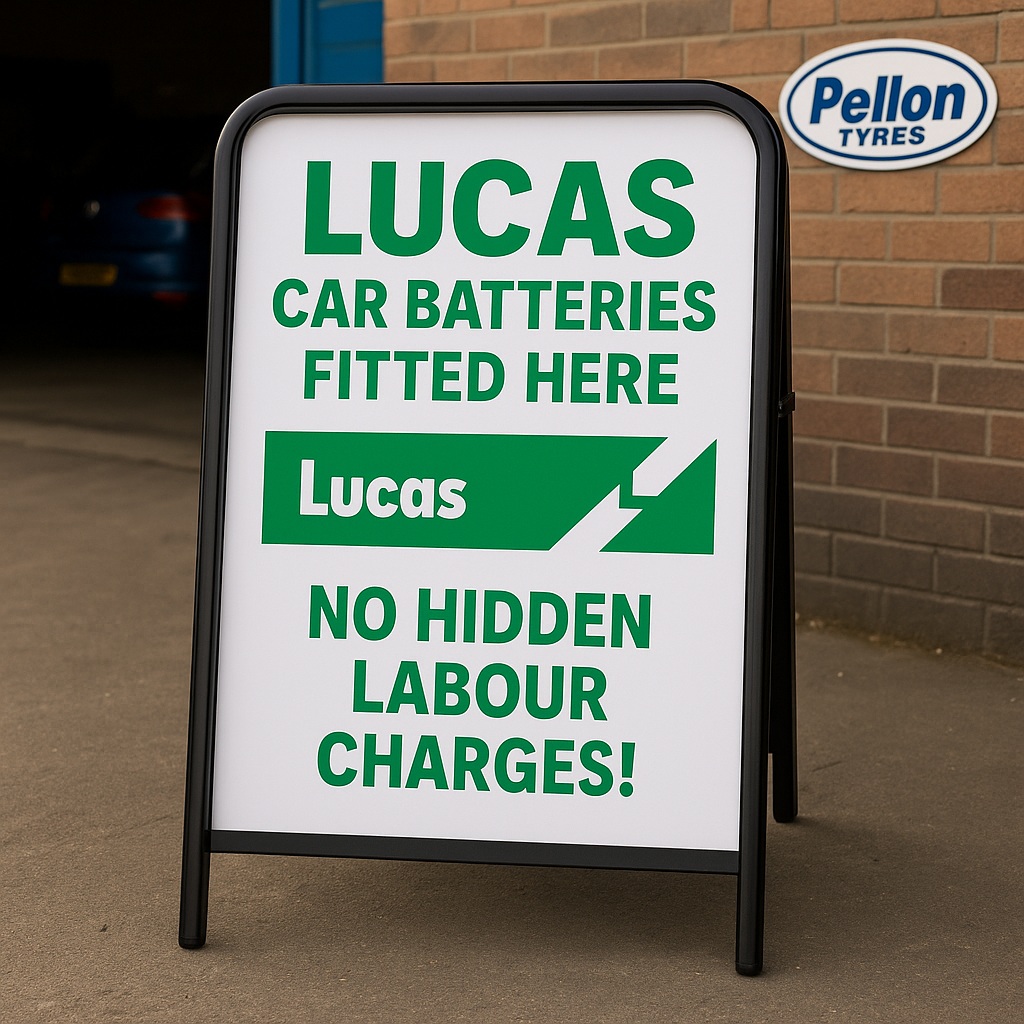
A quick battery test can prevent a breakdown on a frosty morning.
Fluids – The Lifeblood of Your Engine: 3 Critical Car Maintenance Tasks
Many drivers never check fluid levels. They should.
Important fluids include:
- Engine oil
- Coolant
- Brake fluid
- Power steering fluid
- Screenwash
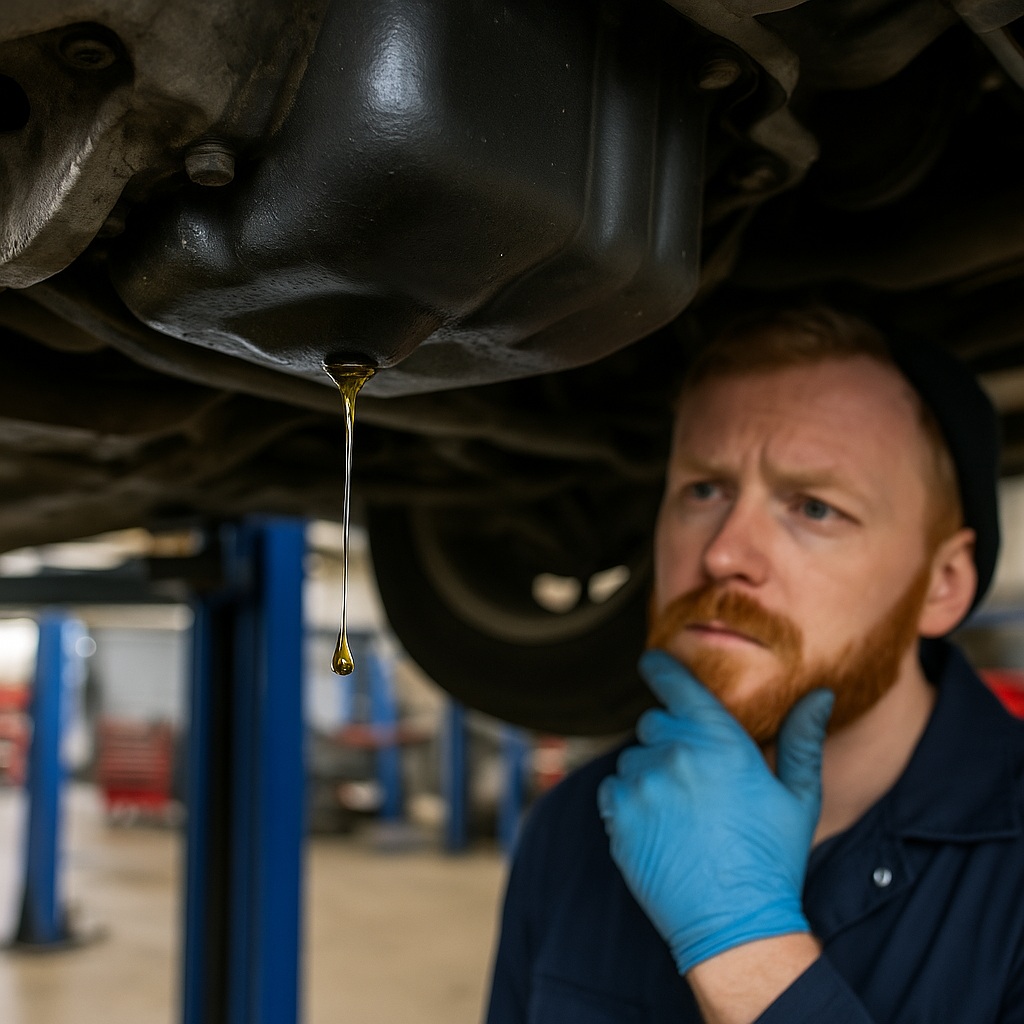
Low oil or coolant can cause serious engine damage.
Regular servicing catches problems before they escalate.
Exhaust System
We often see:
- Corrosion
- Loose brackets
- Blowing joints
- Complete failures
Exhaust systems live underneath the car, exposed to salt and water. Once they start corroding, they can fail quickly.
A noisy exhaust isn’t just irritating — it can mean fumes leaking or an MOT failure.
Lights and Visibility
It sounds simple, but:
- Faulty brake lights
- Dull headlights
- Worn wiper blades
All affect safety.
In poor Yorkshire weather, visibility is everything.
Regular Servicing – Not Just a Stamp in a Book
A proper service isn’t just about oil changes.
It includes:
- Safety inspections
- Component wear checks
- Early problem detection
- Diagnostic scans on modern vehicles
Catching things early keeps costs down and safety up.
MOT – A Minimum, Not a Maintenance Plan
The MOT is a legal requirement, but it’s only a snapshot of your car’s condition on that day.
It doesn’t replace regular maintenance.
Drivers should think of MOT as a yearly safety check, not a substitute for looking after their vehicle.
Final Thoughts from Pellon Tyres
Keeping a car safe isn’t complicated. It’s about staying on top of:
- Tyres
- Brakes
- Suspension
- Steering
- Fluids
- Battery
- Lights
Small checks prevent big problems.
Around Halifax and Calderdale, with our weather and road conditions, good maintenance isn’t just sensible — it’s essential.
A well-maintained car doesn’t just pass its MOT. It protects the driver, passengers and everyone else on the road.
And that’s what really matters.