
Table of Contents
Tyre Puncture Repairs in Halifax
Professional: Tyre Puncture Repairs

A punctured tyre does not always need replacing. If the damage is in a suitable area and the tyre remains in good condition, a professional internal repair may safely return it to service and save the cost of a replacement tyre.
Pellon Tyre and Autocentre carries out tyre puncture inspections and repairs for motorists throughout Halifax and Calderdale. Our experienced tyre technicians remove the tyre from the wheel, inspect it properly and only carry out a repair when it is safe and appropriate.
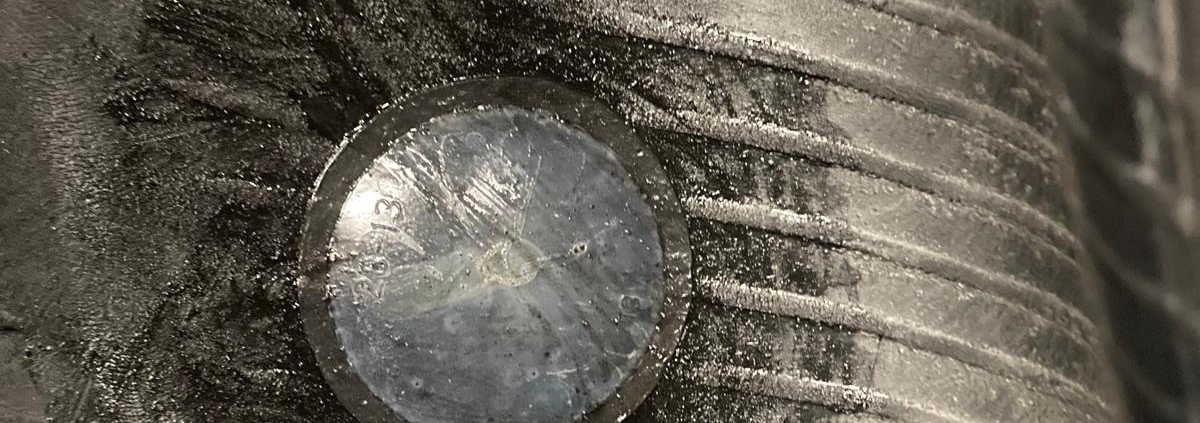
We do not use temporary external string repairs. Our repairs are completed from inside the tyre using a suitable combination of a legally repaired tyre with a mushroom patch. plug-and-patch—often known as a mushroom repair.
Why the Tyre Must Be Removed from the Wheel
A nail or screw visible in the tread does not reveal everything happening inside the tyre. Driving on a tyre while it is underinflated can damage its internal structure, even when the outside still looks reasonable.
Removing the tyre from the wheel allows our technician to inspect:
- The inside of the casing
- The position and angle of the puncture
- The size of the damaged area
- The sidewall and inner liner
- Signs that the tyre has been driven while flat
- Existing repairs or hidden secondary damage
- The tyre’s age, tread depth and general condition
Without this inspection, it is impossible to judge the full extent of the damage reliably.
Internal Mushroom: Tyre Puncture Repairs
Where the tyre is suitable, we use an internal combination repair that seals both the puncture channel and the inner liner.
The stem of the repair passes through the puncture while the patch seals against the inside of the tyre. This helps prevent air loss and reduces the risk of moisture entering the tyre’s internal structure.
The tyre is then refitted to the wheel, inflated correctly and checked for leaks.
This is very different from pushing a temporary string into the tyre from the outside. A string repair does not allow the inside of the tyre to be inspected and may conceal damage that makes the tyre unsafe.
When Can a Tyre Be Repaired?
Whether a puncture can be repaired depends on its position, size and the overall condition of the tyre.
A repair may be possible when:
- The damage is within the suitable central tread area
- The puncture is small and clearly identifiable
- The tyre has enough legal tread remaining
- The internal structure has not been damaged
- The tyre has not been driven flat for too long
- There is no serious cracking, ageing or bead damage
- Previous repairs do not make another repair unsuitable
Every tyre must be assessed individually. We will not repair a tyre simply because the customer would prefer to avoid buying a replacement. Safety must always come first.
When a Puncture Cannot Be Repaired
A replacement tyre may be required when:
- The damage is in or close to the sidewall
- The puncture is too large
- The tyre has suffered impact or structural damage
- The cords or internal construction are exposed
- The tyre has been badly damaged through underinflation
- The bead has been damaged
- The tyre is badly cracked or aged
- The tread is below the legal limit
- There are unsuitable or failing previous repairs
If the tyre cannot be repaired safely, we will explain why and discuss suitable replacement options.
Run-Flat: Tyre Puncture Repairs
Run-flat tyres require particular care because they may have been driven after losing pressure. Although this is one of their main benefits, driving while deflated can cause internal damage that is not visible from the outside.
Some run-flat tyres may be repairable, while others may be restricted by the tyre or vehicle manufacturer. The distance travelled, vehicle speed and condition of the tyre must all be considered.
Our team will inspect the tyre and provide honest advice rather than making assumptions from its external appearance.
TPMS Valves and Warning Lights
Many modern vehicles use a Tyre Pressure Monitoring System, known as TPMS. A warning light may indicate a puncture, low pressure, a leaking valve or a sensor problem.
The warning should not be ignored. Continuing to drive on an underinflated tyre can increase heat build-up, damage the casing and turn a repairable puncture into a tyre that must be replaced.
When inspecting a puncture, we can also check the valve and look for obvious TPMS-related problems.
Never Ignore a Slow Puncture
A tyre that needs regular inflation has a fault, even if it is losing pressure slowly. Possible causes include:
- A nail or screw in the tread
- A leaking valve
- Corrosion around the wheel rim
- Damage to the tyre bead
- A previous repair beginning to leak
- A cracked or damaged wheel
Simply topping up the pressure does not solve the problem. Having the tyre inspected can prevent further damage and reduce the risk of being stranded.
Local Tyre Repairs at Pellon
Pellon Tyre and Autocentre has served Halifax motorists since 1989. We provide honest advice, professional tyre fitting and safe puncture repairs for cars and vans.
If your tyre is repairable, we will explain the repair and carry it out correctly. If it is not safe to repair, we will show you the problem and help you choose a suitable replacement.
For puncture-repair advice, telephone our Halifax tyre team on 01422 351314.