Ford Focus TPMS Warning Light
Table of Contents
Ford Focus TPMS Warning Light
Ford Focus TPMS Warning Light
Ford Focus TPMS Warning Light – A Simple Fault with an Interesting History
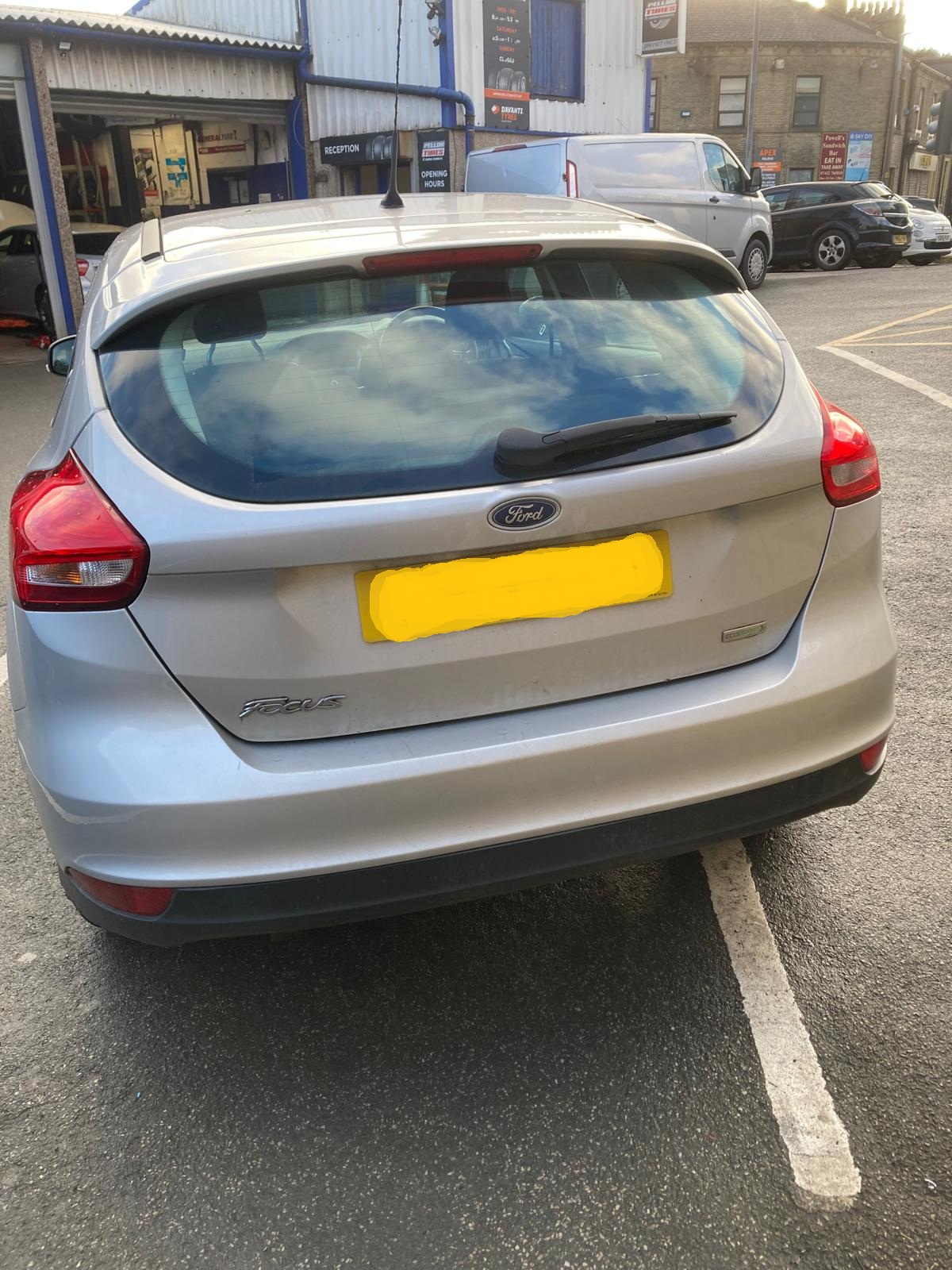
We recently had a Ford Focus come into the workshop at Pellon Tyres with a warning light glowing away on the dashboard. One of those lights that worries drivers, even though the car still feels perfectly fine to drive.
The warning was for the TPMS system – that’s the Tyre Pressure Monitoring System – and as with most modern cars, it’s there to warn the driver if one or more tyres is losing pressure.
What was the problem?
On this Focus, the customer had already checked the tyres and couldn’t see anything obviously wrong. Pressures looked roughly OK, no nails visible, and no obvious flat tyre.
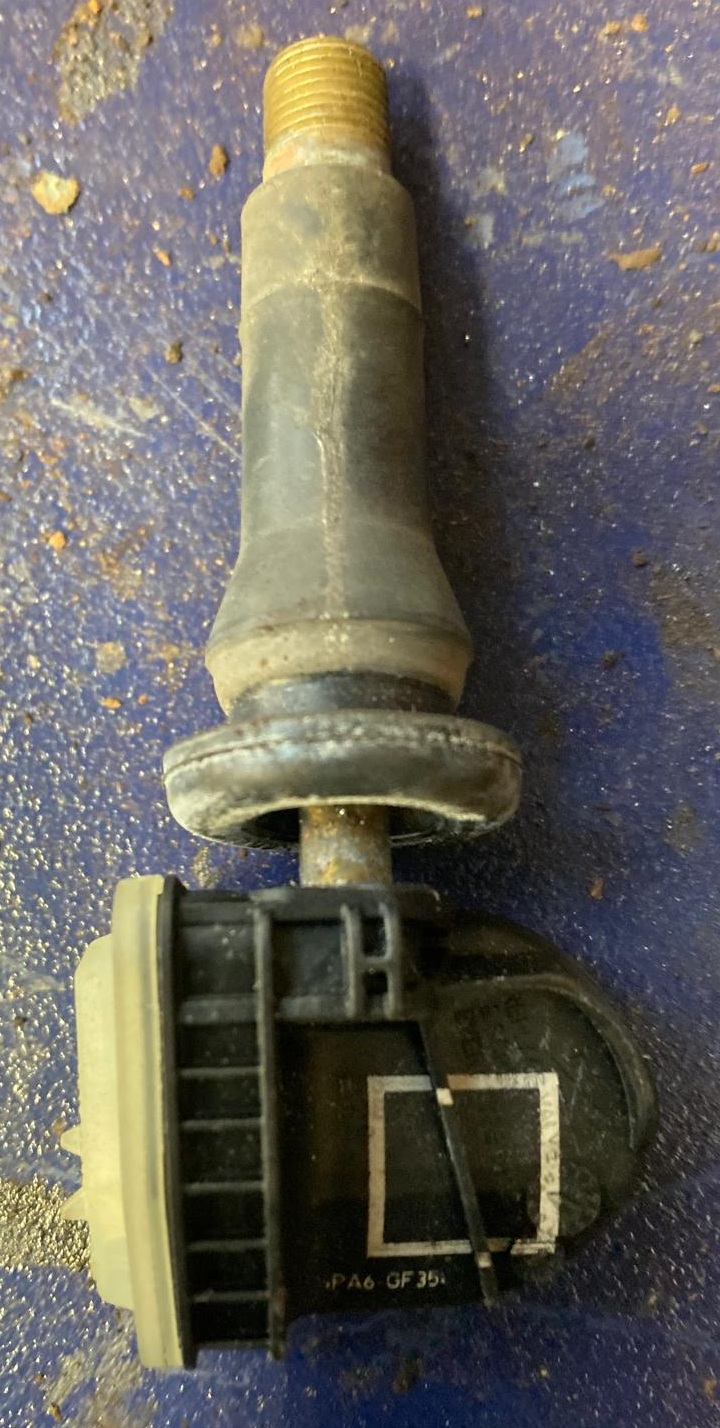
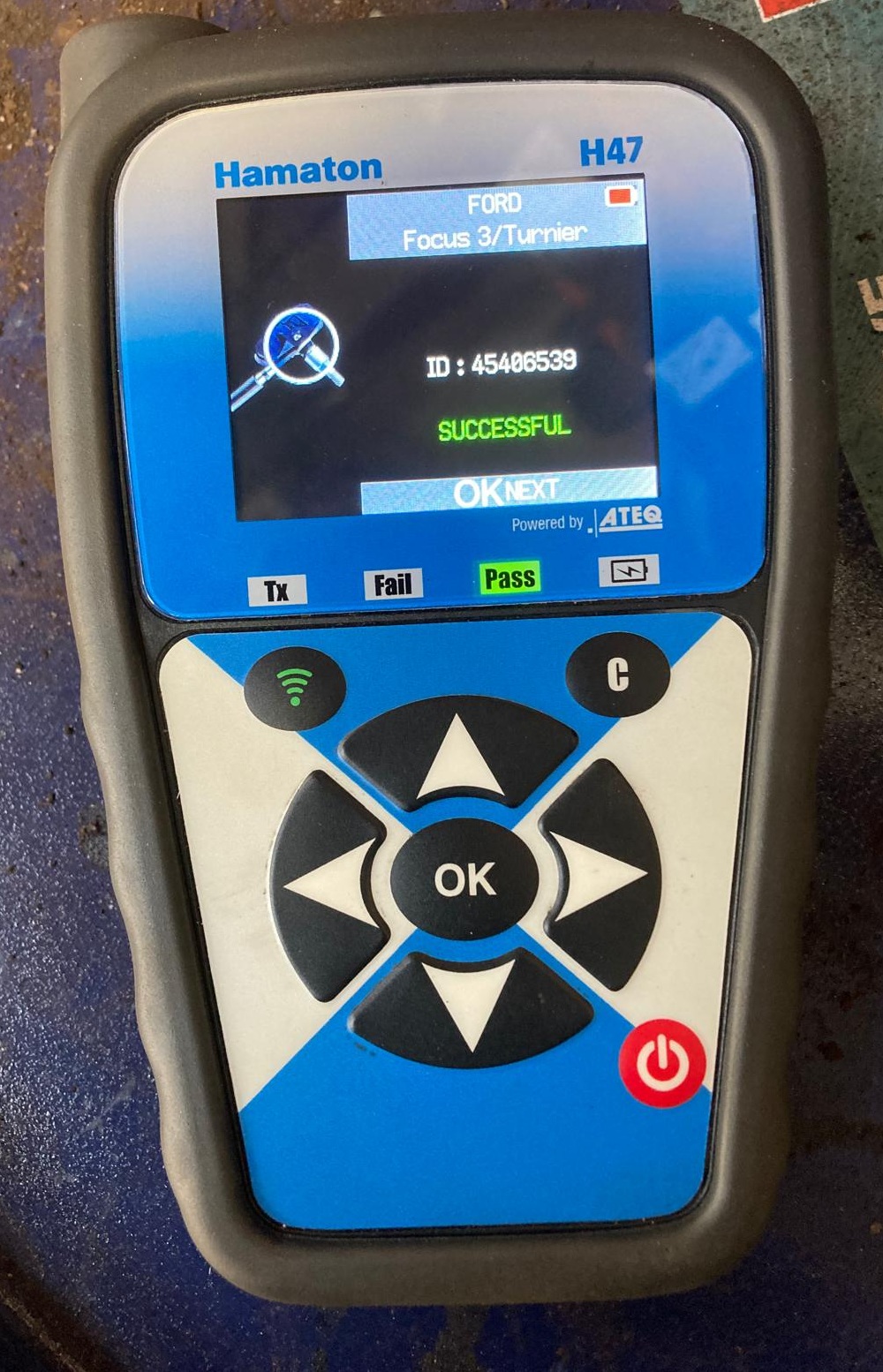
Once we got the car into the workshop and plugged in our diagnostic equipment, the fault became clear fairly quickly. The TPMS warning wasn’t actually caused by a puncture at all – it turned out to be a faulty TPMS valve sensor.
These valves sit inside the wheel and do two jobs at once:
- They act as the tyre valve you inflate through
- They contain a small electronic sensor and battery
In this case, the valve itself had failed. That can happen through age, corrosion, or sometimes just bad luck – especially on UK roads where salt, grit and potholes take their toll.
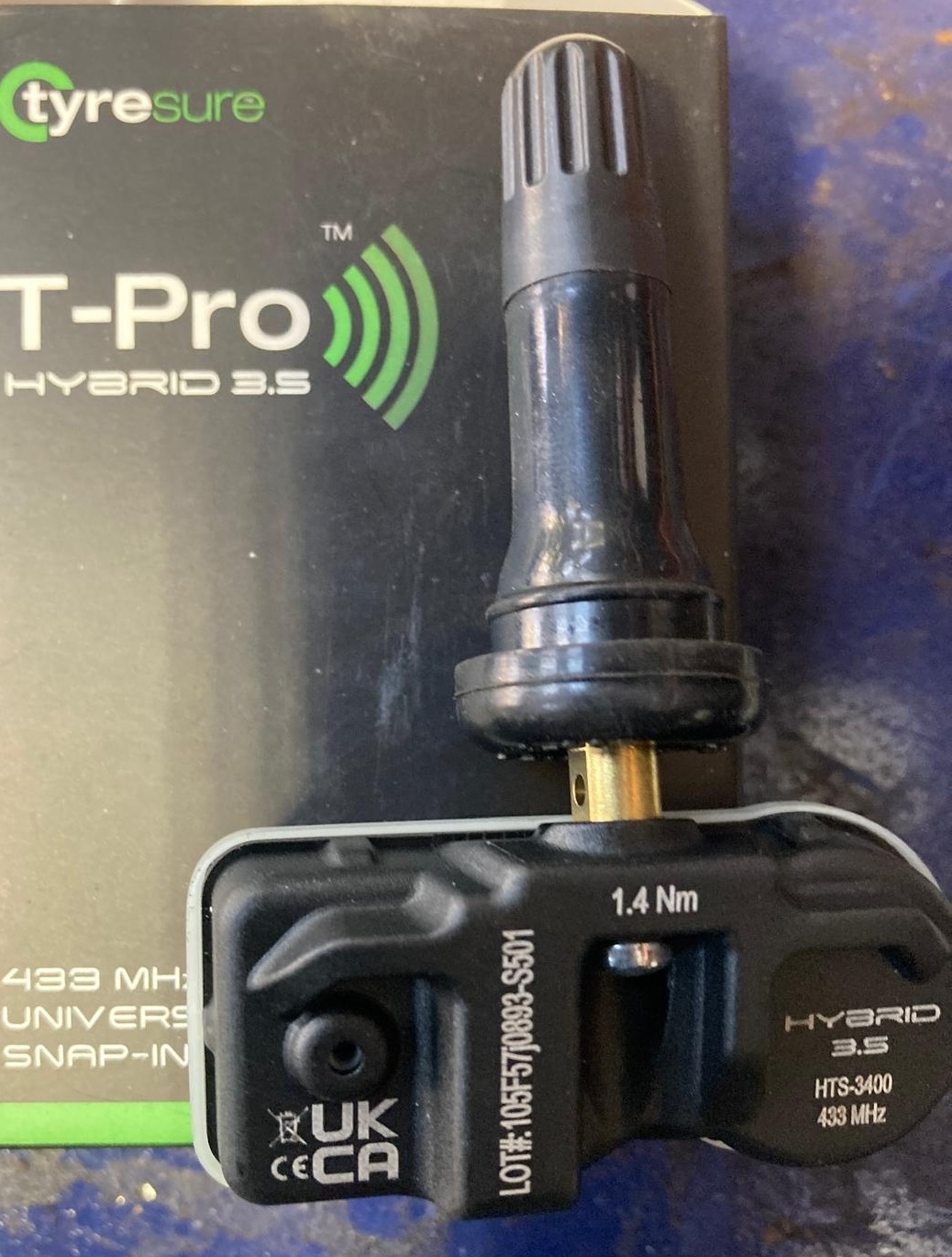
The fix was straightforward. We removed the tyre, replaced the faulty TPMS valve with a new one, rebalanced the wheel, and reset the system. Job done, warning light out, and one relieved customer.
A quick look at where TPMS came from: Ford Focus TPMS Warning Light
TPMS might feel like a modern nuisance at times, but it was actually invented for a very good reason – safety.
The idea of monitoring tyre pressure electronically dates back to the 1980s, but it really started to gain momentum in the 1990s, particularly in the United States. Serious accidents were being linked to under-inflated tyres, which can overheat, wear quickly, and in worst cases fail at speed.
After several high-profile tyre-related accidents, laws were introduced that pushed manufacturers to fit tyre pressure monitoring as standard.
In Europe and the UK, TPMS became mandatory on all new cars from November 2014. Since then, virtually every new car sold has some form of tyre pressure monitoring fitted.
How TPMS works on cars like the Ford Focus
There are two main types of TPMS systems, but the Ford Focus uses the direct system, which means:
- Each wheel has its own sensor built into the valve
- The sensor measures tyre pressure directly
- Data is sent wirelessly to the car’s computer
When pressure drops – or when a sensor fails – the warning light comes on.
The downside?
Those little sensors have batteries sealed inside them. Over time, usually after 5–8 years, they can fail, just like the one on this Focus.
Why TPMS is actually a good thing: Ford Focus TPMS Warning Light
Even though warning lights can be annoying, TPMS has definitely improved road safety. Correct tyre pressures mean:
- Better braking
- Improved fuel economy
- Even tyre wear
- Safer handling, especially in wet Yorkshire weather
Many drivers don’t routinely check tyre pressures anymore, so TPMS acts as a useful backup.
Our advice to drivers
If your TPMS light comes on:
- Don’t panic
- Check your tyre pressures first
- If the light stays on, get it checked properly
Quite often, as with this Ford Focus, it’s not a puncture at all – just a valve or sensor that’s reached the end of its life.
At Pellon Tyres, we deal with TPMS faults every week. Most are quick, affordable fixes once the real cause is identified.
Ford Focus TPMS Warning Light – A Modern Fault on a Proper British Favourite
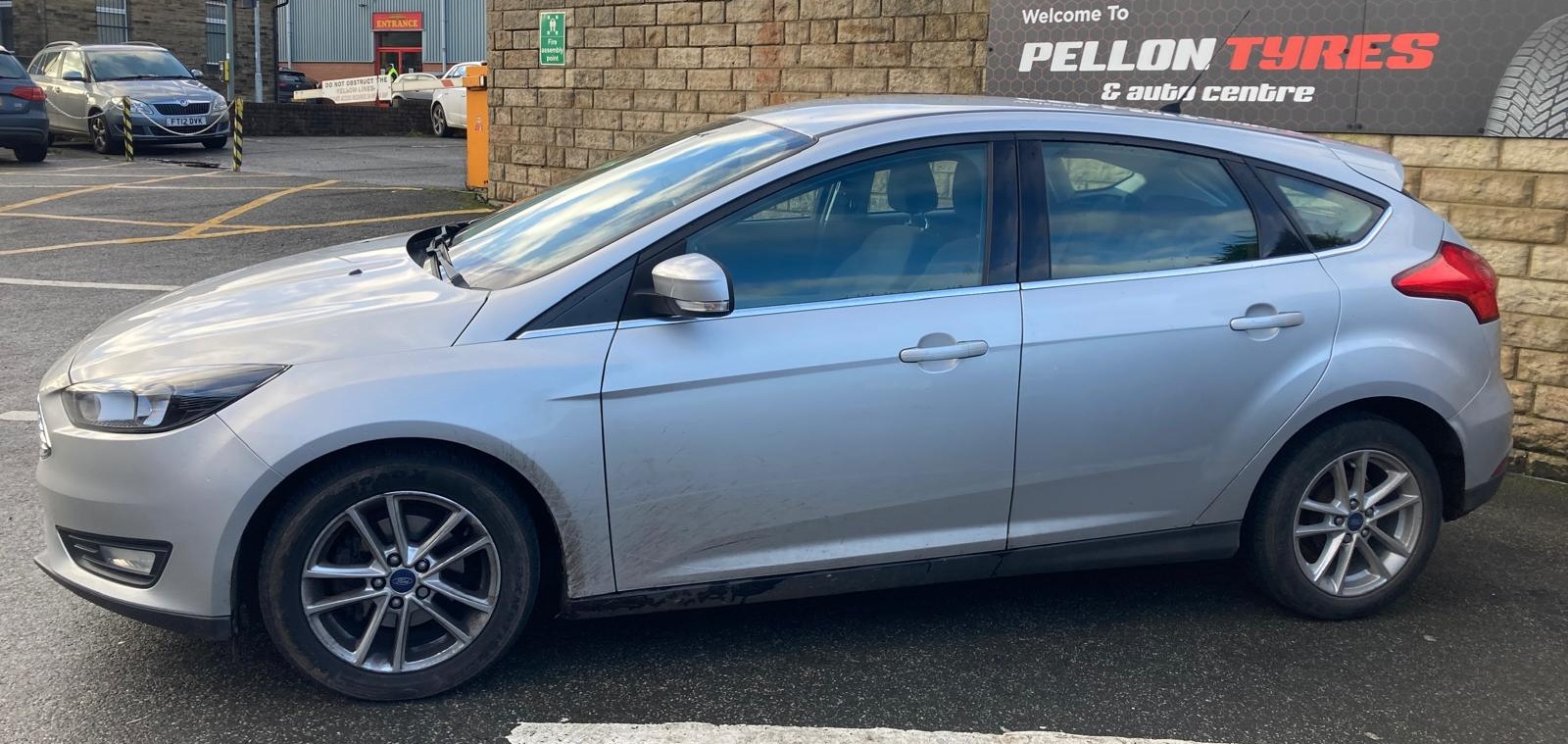
We recently had a Ford Focus booked in at Pellon Tyres here in Halifax with a warning light showing on the dashboard. It was the TPMS light – the tyre pressure monitoring system – one of those warnings that can make your heart sink even though the car feels perfectly fine to drive.
The customer had done what most sensible drivers do. They’d checked the tyres, couldn’t see anything flat, and the pressures looked about right. But the light wouldn’t go out, so they did the right thing and brought it down to us.
Finding the real fault
Once the Focus was in the workshop, we carried out a proper check and quickly narrowed it down to a faulty TPMS valve sensor. These valves are a bit cleverer than the old rubber ones many of us grew up with. They sit inside the wheel and constantly monitor tyre pressure, sending signals back to the car.
In this case, the valve itself had failed – not uncommon on UK roads. Between potholes, winter salt, grit, and plenty of stop-start driving around Calderdale, these components do take a hammering over time.
We removed the tyre, replaced the faulty valve with a new TPMS sensor, rebalanced the wheel, and reset the system. Warning light off, job sorted, and the Focus back on the road the same day.
A bit of history – where TPMS came from: Ford Focus TPMS Warning Light
Tyre Pressure Monitoring Systems might feel like a modern annoyance at times, but they were introduced for safety reasons. The technology began appearing in the 1990s, mainly in response to accidents caused by under-inflated tyres.
In the UK and across Europe, TPMS became mandatory on all new cars from November 2014. Since then, nearly every car we see through the doors at Pellon Tyres has some form of tyre pressure monitoring fitted.
The system is designed to:
- Warn drivers of slow punctures
- Improve road safety
- Help reduce tyre wear and fuel consumption
The downside is that TPMS valves contain sealed batteries. After around 5 to 8 years, they can simply wear out – exactly what happened on this Focus.
Another TPMS article to read: Tyre Pressure Monitoring System
The Ford Focus – a proper part of UK motoring history
The Ford Focus has been a familiar sight on British roads for over 25 years now. First launched in the UK in 1998, it replaced the much-loved Ford Escort – no small task at the time.
Early Focus models were a bit of a shock visually, but drivers soon warmed to them. They handled well, were comfortable, and were ideal for everything from commuting to family trips. Before long, they were everywhere – from Halifax town centre to the winding roads up towards Ogden and beyond.
Over the years, the Focus has gone through several generations, but it’s always kept the same basic appeal:
- Sensible size
- Good road manners
- Affordable running costs
- Easy availability of parts
That’s why we still see so many of them locally around Calderdale. They’re practical cars for real life, whether you’re nipping down to Sainsbury’s, heading over the tops in winter, or commuting out towards Huddersfield or Bradford.
Why TPMS matters in places like Halifax
Driving around Halifax and the wider Calderdale area isn’t always gentle on cars. Steep hills, sharp bends, rough road surfaces, and cold winters all put extra strain on tyres.
Correct tyre pressures make a real difference here:
- Better grip on wet hill starts
- More predictable braking
- Reduced tyre wear on uneven roads
TPMS is there as a backup, especially for drivers who don’t regularly check pressures themselves. When it works properly, it’s a useful bit of kit.
Our advice to local drivers: Ford Focus TPMS Warning Light
If your TPMS warning light comes on:
- Don’t ignore it
- Check your tyre pressures first
- If the light stays on, get it checked properly
As this Ford Focus showed, it isn’t always a puncture. Quite often it’s just a valve sensor that’s reached the end of its life.
At Pellon Tyres, we see these faults every week. We know the cars, we know the roads, and we know what Halifax driving does to them over time. Most TPMS problems are straightforward to fix once diagnosed properly.
If in doubt, pop in and have a word – that’s what we’re here for.