
Kia Sticking to Petrol Engines
Table of Contents
Kia Sticking to Petrol Engines

Kia Sticking to Petrol Engines
Kia Motors is a South Korean automotive manufacturer that has been in operation since 1944. Consequently, these cars are very popular in West Yorkshire, where I was born and bred.
The company has a long history of developing and producing a range of engines for its vehicles, including petrol, diesel, and hybrid powertrains.
Over the years,
Kia has made significant investments in research and development to improve the performance, efficiency, and emissions of its engines. One example of this is the company’s development of its Gamma and Kappa engine series. Of course, they have been used in a variety of Kia models and have won awards for their performance and efficiency.
In recent years, like most automotive companies, Kia has also focused on developing alternative powertrain technologies, such as hybrid and electric vehicles. The company has released several hybrid and electric models, including the Kia Niro and Kia Soul EV, which have been well received by consumers.
Overall, Kia’s engine development efforts have helped the company produce a range of high-quality, reliable vehicles that are popular with consumers around the world.
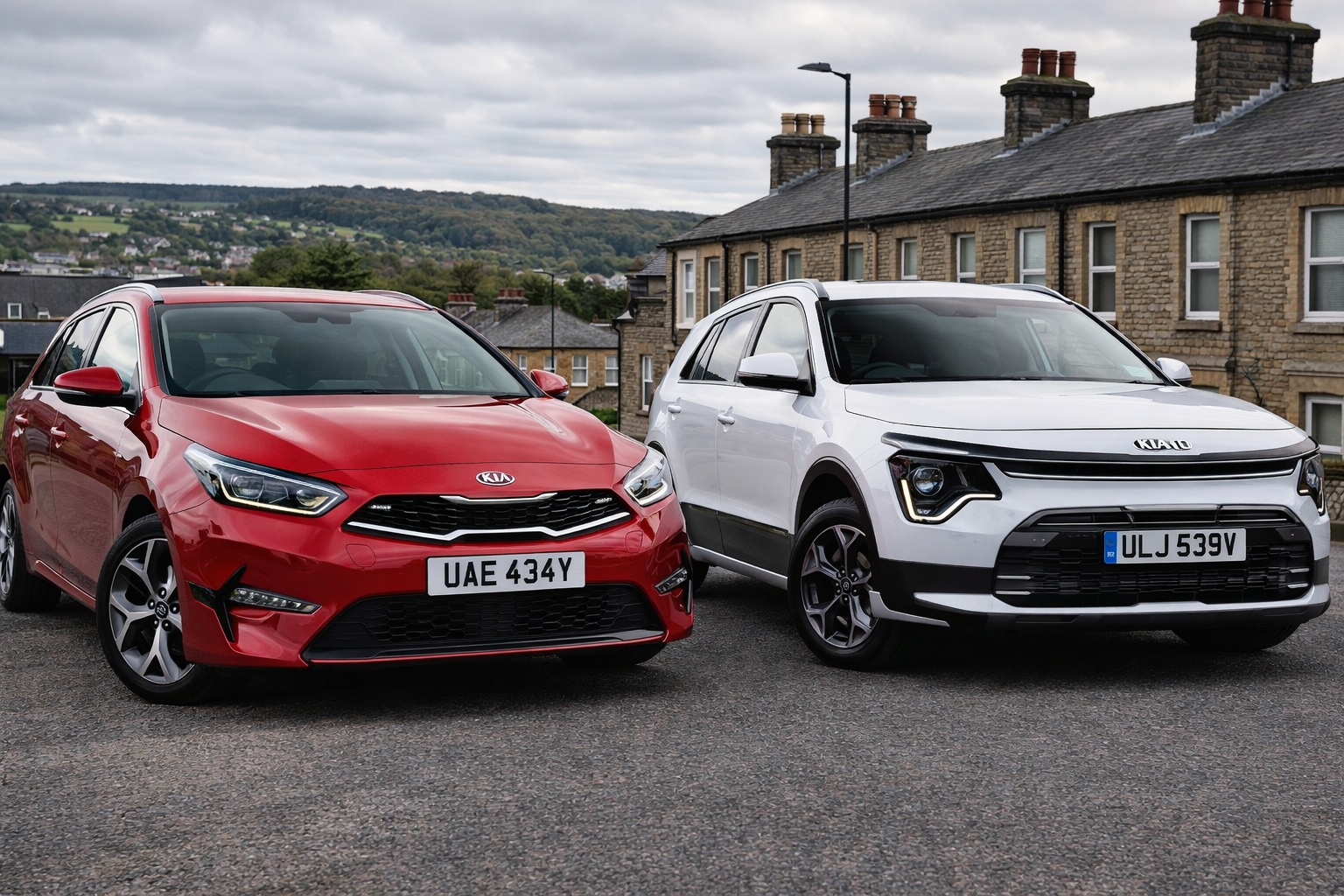
Kia’s 2023 lineup will primarily consist of petrol-powered vehicles
So, with the addition of electric models to add a touch of modernity,.
Greetings, everyone! Today, let’s discuss the current culinary activities taking place at Kia. Amidst the current excitement around electric automobiles, one may ponder whether traditional petrol engines are being somewhat marginalised. However, do not worry, automobile enthusiasts! Kia’s 2023 range serves as confirmation that the petrol engine will be in use for the foreseeable future. Now, let’s explore the available options, infused with a touch of our distinctive local Halifax essence.
Let’s begin with the Kia K5. Kia Sticking to Petrol Engines
This vehicle is entering the year 2023 with the option of either a lively 180-horsepower turbocharged 1.6L engine or a more powerful 290-horsepower turbocharged 2.5L engine. That statement is pleasing to anyone who enjoys a powerful engine. Whether you are driving through the picturesque Yorkshire countryside or manoeuvring through the bustling streets of Halifax, these engines guarantee a seamless and dynamic driving experience.
However, what about something that is more concise? Introduce the Kia Rio.
The vehicle is equipped with a reliable 120-horsepower 1.6-liter four-cylinder engine. Ideal for manoeuvring through urban areas, effortlessly squeezing into compact parking spaces, and maintaining fuel efficiency—a feature that is universally valued.
For enthusiasts of thrilling experiences, consider exploring the Kia Seltos.
The 2023 model features a 146-horsepower 2.0L engine and offers the choice of a turbocharged 1.6L engine, which provides a significant increase in power. It offers the convenience of an SUV combined with the performance of a more athletic engine, allowing you to enjoy the best of both worlds.
Furthermore, we must not overlook the Kia Soul. Kia Sticking to Petrol Engines
Hasn’t this icon gained popularity among the locals? In 2023, the focus is on the naturally aspirated 2.0L inline-four engine, which delivers a precise 147 horsepower. This vehicle offers a perfect blend of distinctive style and dependable performance, making it a fantastic choice for your everyday trips in Halifax.
However, there is additional information to be presented.
Although Kia continues to prioritise petrol engines, they are also venturing into the realm of electric vehicles. In 2023, the Kia Niro will be available in multiple variations, including a petrol option, a hybrid, a plug-in hybrid, and a fully electric variant. It appears as though they are asserting that they have offerings that cater to a wide range of individuals.
Consequently, what implications does all of this have for us? Kia Sticking to Petrol Engines
In essence, Kia is providing us with the optimal combination of advantages. The company is maintaining its reliance on dependable and effective petrol engines while also embracing the future by offering electric and hybrid alternatives. It bears a resemblance to Halifax, doesn’t it? An ideal combination of conventional allure and progressive ingenuity.
To summarise,
Stay vigilant when driving, and choose the Kia that suits you best. Drive safely till we meet again!
if you have been contemplating whether to continue using petrol or switch to electric vehicles, Kia’s 2023 lineup provides a wide range of choices for you to consider. Whether you prefer the conventional nature of fuel or the intrigue of electric, there is a Kia vehicle ready and waiting for you. For any car-related need, reliable establishments such as Pellon Autocentre in Halifax are readily available to provide assistance.
Kia Motors is a South Korean automotive manufacturer that has been in operation since 1944.
Consequently, these cars are very popular in West Yorkshire, where I live.
The company has a long history of developing and producing a range of engines for its vehicles, including petrol, diesel, and hybrid powertrains.
Over the years, Kia has made significant investments in research and development to improve the performance, efficiency, and emissions of its engines. One example of this is the company’s development of its Gamma and Kappa engine series. Of course, they have been used in a variety of Kia models and have won awards for their performance and efficiency.
In recent years, like most automotive companies, Kia has also focused on developing alternative powertrain technologies, such as hybrid and electric vehicles. Consumers have been pleased with the company’s release of a number of hybrid and electric models, including the Kia Niro and Kia Soul EV.
Overall, Kia’s engine development efforts have helped the company produce a range of high-quality, reliable vehicles that are popular with consumers around the world.
Kia Sticking to Petrol Engines
Kia are opting for the Hybrid cars that work from a battery and a petrol engine. When circumstances necessitate it, switch from one technology to another. In my opinion, other car makers will follow this, which will reduce car emissions by at least half. So, as I have said, I believe other obstacles will happen. Importantly, I just can’t see the giant oil companies giving in and reducing their oil sales to next to nothing. Either they will raise oil prices so that we cannot afford to buy fuel, or we will leave the UK entirely.
Remember that other countries are not ploughing ahead with this suicide target of stopping the sale of petrol and diesel cars by 2030.
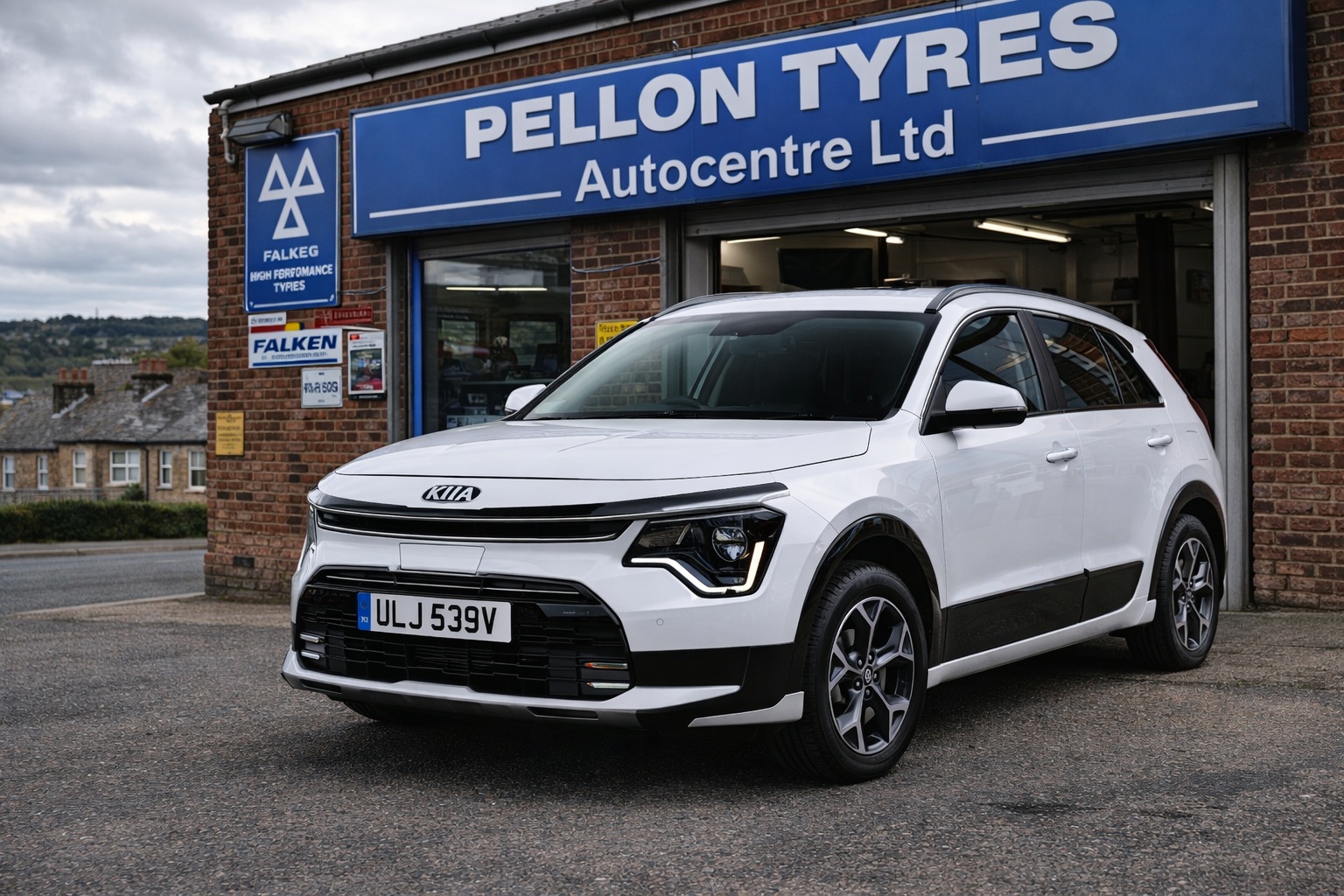
Kia Still Backing Petrol and Hybrid Power in 2026 – With One Eye on the Future
Kia has been around since 1944, and over the decades it has quietly built a reputation for producing solid, reliable, and good-value cars. That’s one of the reasons you see so many Kias on the roads around Halifax and Calderdale. They’re cars that suit real people, real budgets, and real Yorkshire roads.
From small runabouts to family SUVs, Kia has always taken a practical approach to engine development. Over the years, the company has produced petrol, diesel, hybrid, and electric powertrains, adapting as motoring needs and regulations have changed.
Engine Development – From Petrol Roots to Modern Hybrids
Kia invested heavily in engine research long before electrification became fashionable. Petrol engine families such as the Gamma and Kappa series were developed to offer good fuel economy, low emissions, and long-term reliability. These engines powered many of the Kias that built the brand’s reputation in the UK.
By the mid-2010s, Kia had already begun shifting focus towards hybrid technology, not as a replacement for petrol, but as a partner to it. That approach has continued right through to 2026.
Rather than abandoning internal combustion engines overnight, Kia has chosen a balanced route – petrol engines supported by electric motors and batteries where it makes sense.
Where Kia Stands in 2026 – Petrol Is Still Very Much Alive
Despite all the noise around electric vehicles, Kia has not switched its back on petrol engines. In 2026, petrol and hybrid models still make up a large part of Kia’s UK line-up.
Pure diesel engines are now far less common, especially in smaller cars, but petrol-powered and petrol-hybrid vehicles remain central to Kia’s strategy.
That matters in places like Calderdale, where:
- Many drivers don’t have home charging
- Long, hilly journeys reduce EV range
- Cold weather affects battery performance
- People want proven, affordable technology
Popular Kia Models in the UK (Updated to 2026)
Kia Rio – Small, Sensible, and Still Petrol
The Kia Rio remains one of Kia’s most popular small cars. In 2026, it continues with efficient petrol engines, ideal for town driving, commuting, and tight parking around Halifax.
It’s the sort of car that suits everyday life – shopping trips, school runs, and steady motoring without fuss.
Kia Ceed – A Firm Favourite in Yorkshire
The Kia Ceed is still widely seen across West Yorkshire. By 2026, it’s available mainly as:
- Petrol
- Mild hybrid petrol
This keeps running costs sensible while cutting emissions, without needing a plug.
Kia Sportage – Hybrid Power Done Properly
The Kia Sportage is one of the best-selling cars in the UK, and by 2026 it’s firmly focused on:
- Petrol hybrid
- Plug-in hybrid
For drivers who want SUV space without fully committing to electric, it’s a practical middle ground – particularly useful on Calderdale’s mixed roads.
Kia Soul – Petrol Gone, Electric Stays
The Kia Soul has now fully transitioned to electric only in the UK. Petrol versions have been phased out, reflecting changing buyer demand rather than a forced switch.
Kia Niro – The Bridge Between Worlds
The Kia Niro perfectly sums up Kia’s thinking in 2026. It’s available as:
- Full hybrid (no plug)
- Plug-in hybrid
- Fully electric
It gives buyers genuine choice, rather than forcing one technology on everyone.
Kia’s Hybrid Philosophy – A Yorkshire-Friendly Approach
Kia’s hybrid systems allow the car to:
- Run on petrol when needed
- Use electric power in slow traffic
- Switch automatically for best efficiency
For many drivers, this cuts emissions and fuel use by nearly half, without the anxiety of limited range or charging access.
In plain Yorkshire terms:
It works when you need it to work.
The Bigger Picture – Petrol Isn’t Vanishing Overnight
Despite UK targets, many countries are not banning petrol and diesel sales at the same pace. Global manufacturers like Kia have to design cars for the real world, not just political headlines.
Oil companies, global supply chains, and infrastructure realities mean petrol engines will be with us well beyond 2030, particularly in hybrid form.
Kia clearly understands this – which is why it hasn’t rushed headlong into a single-technology future.
Final Thoughts from a Halifax Point of View
In 2026, Kia is doing what it’s always done best:
- Building dependable cars
- Offering sensible engine choices
- Letting customers decide what suits them
Whether you stick with petrol, move into hybrid, or take the full electric plunge, Kia offers a route that fits your life – not the other way round.
And for keeping those cars on the road, trusted local places like Pellon Autocentre in Halifax are always there to keep things running properly.
- How the UK Tyre Trade Changed
- DPF Problems and the MOT Test
- Pirelli All-Season Tyres
- Noisy Ford Fiesta Brakes
- UK Garage Trade Is Changing
Source: Kia upgrades engine manufacturing facility amid electrification push – Garagewire

Leave a Reply
Want to join the discussion?Feel free to contribute!