Audi A1 for new Brake Discs
Table of Contents
Audi A1 for new Brake Discs
Audi A1 for new Brake Discs
Grinding Brakes on an Audi A1 – What’s Causing the Noise?
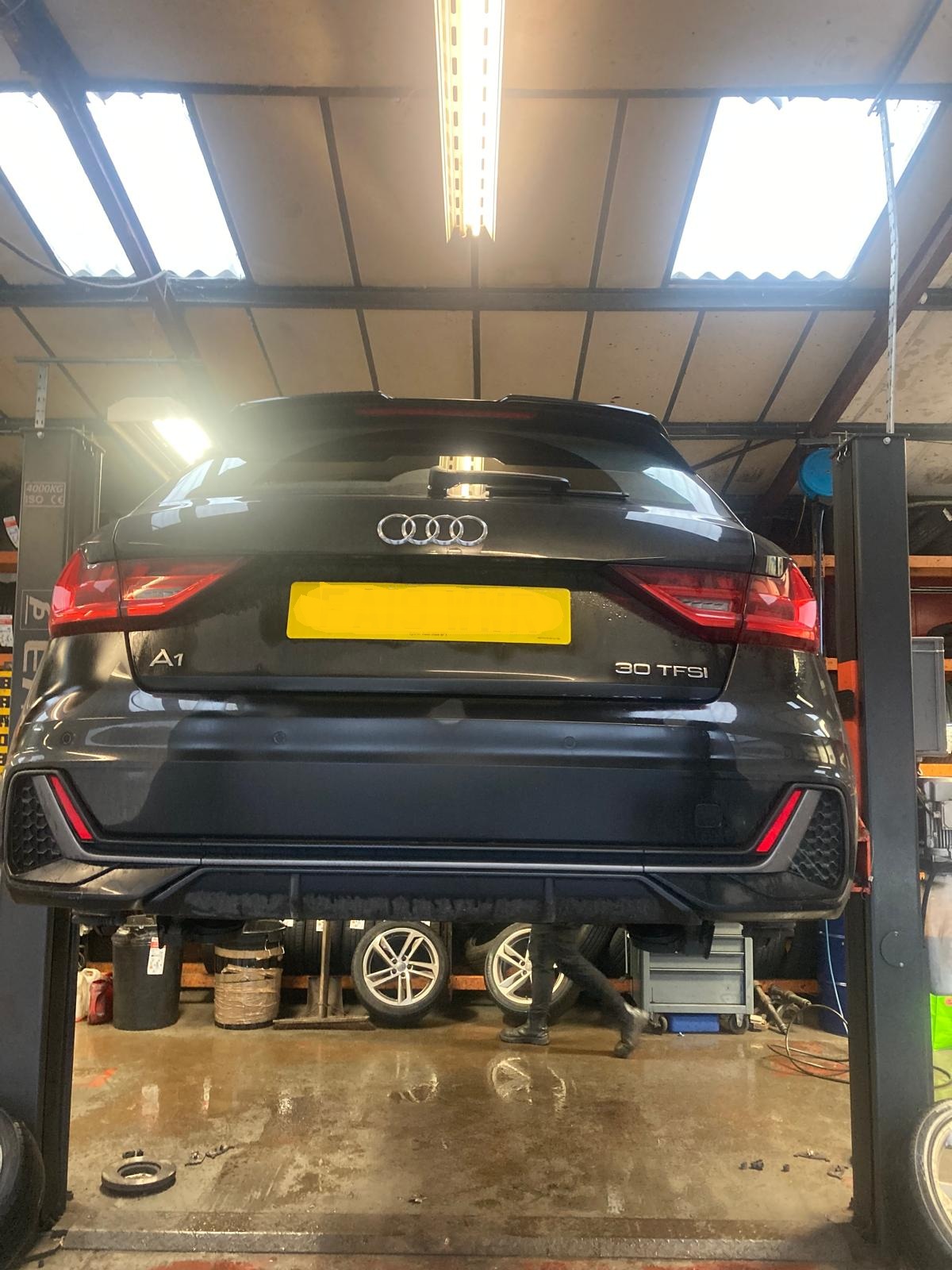
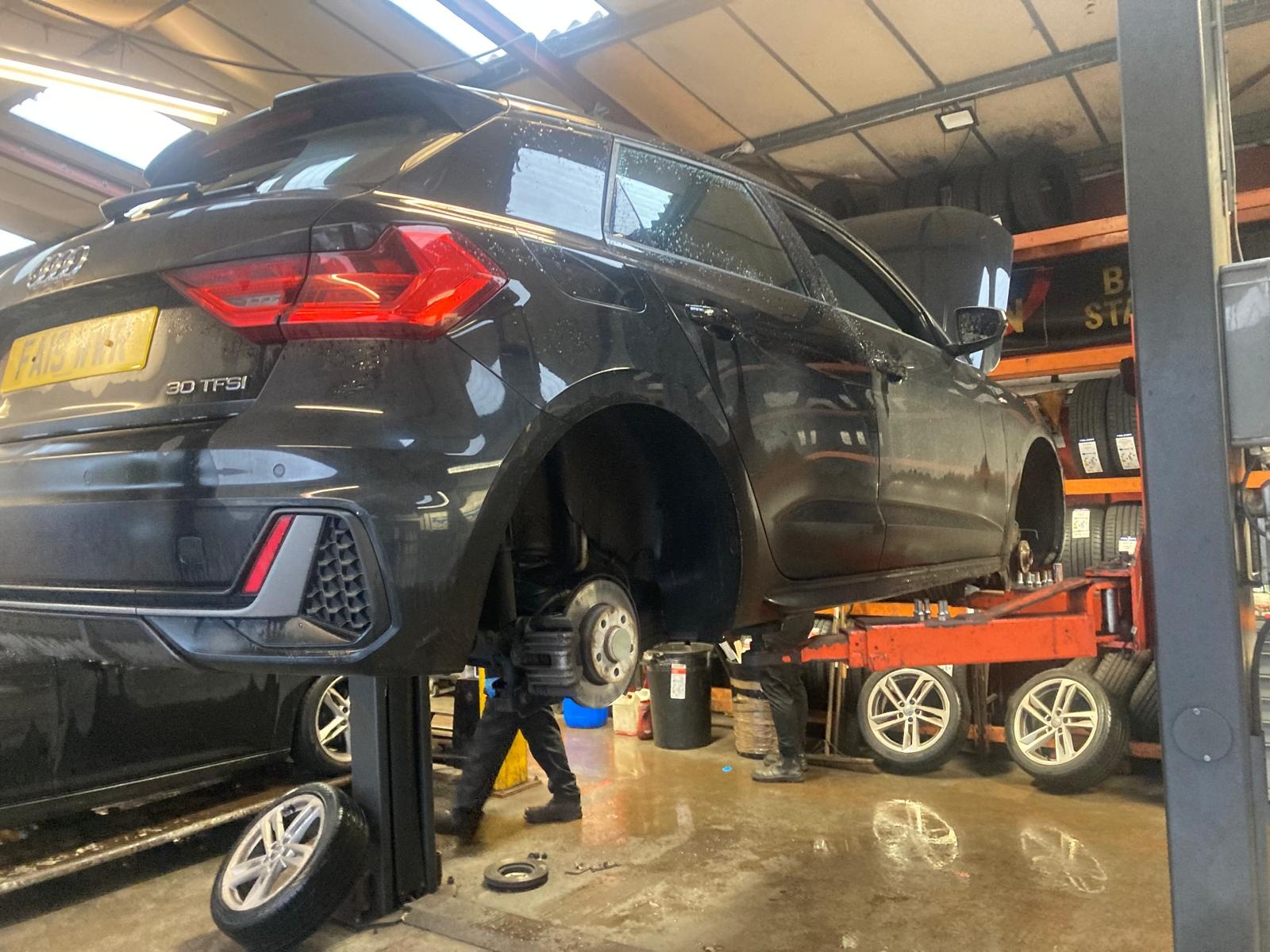
Yesterday at Pellon Tyre & Autocentre in Halifax, we were presented with an Audi A1 whose owner was worried about a nasty grinding noise every time the brakes were applied. It’s a sound that makes most drivers wince, and for good reason.
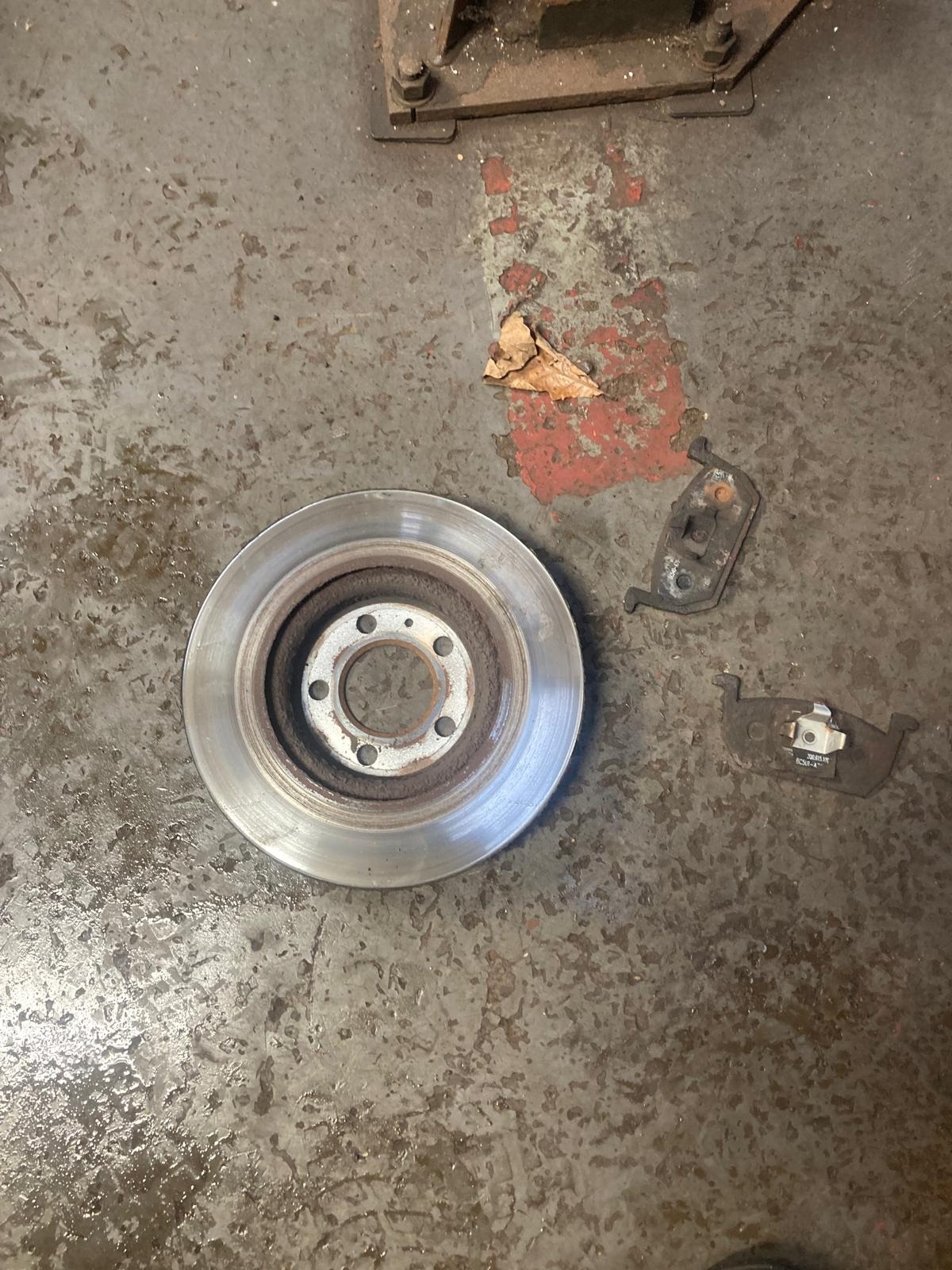
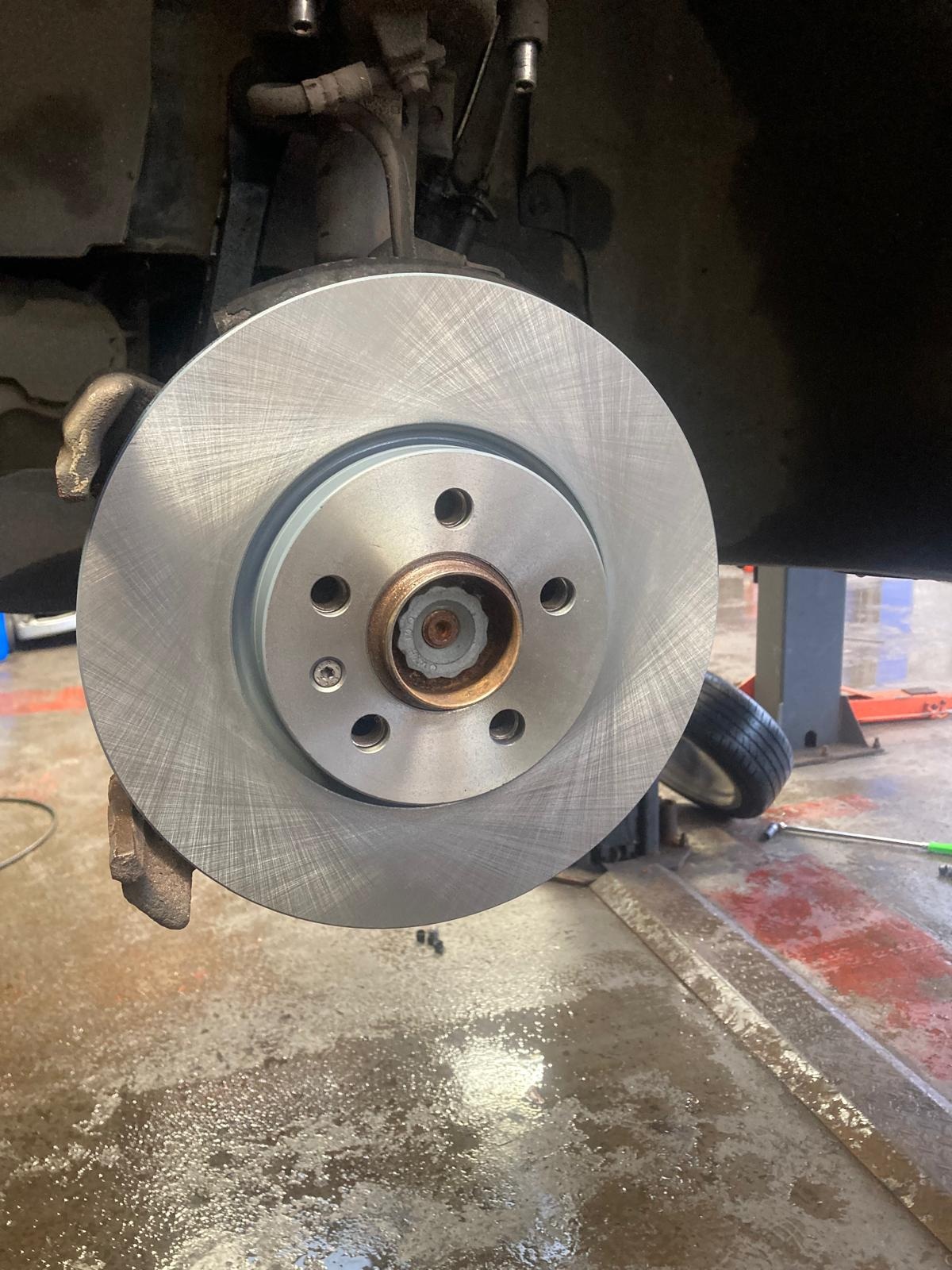
A quick inspection soon showed the cause – the car needed new brake discs all round, along with a full set of brake pads. Sadly, this is something we see quite often, not just on Audi A1s but on many modern cars driven around Calderdale’s hills, traffic lights, and stop-start town driving.
So let’s look at why brakes grind, what it means for your car, and a bit of background on the Audi A1 here in the UK.
Why Do Brakes Make a Grinding Noise?
A grinding noise when braking is never something to ignore. Around Halifax, with steep hills like Pellon Lane, Boothtown Road, and the run down into the town centre, brakes work hard – and problems show themselves quickly.
1. Worn Brake Pads
The most common cause is brake pads worn right down. Once the friction material is gone, you’re left with metal scraping on metal. That grinding sound is your brake pad backing plate eating into the disc.
At this stage:
- Braking performance is reduced
- Discs get damaged very quickly
- Repair costs rise sharply
What could have been pads only often turns into pads and discs.
2. Discs Worn or Corroded
In Calderdale, cars often sit overnight in damp air, especially near the River Calder. This leads to surface rust on brake discs.
Short journeys around Halifax, Sowerby Bridge or Illingworth mean:
- Brakes don’t get hot enough to clean themselves
- Rust builds up
- Discs wear unevenly
Once discs are badly worn or lipped, they’ll grind even with new pads fitted.

3. Cheap or Incorrect Brake Parts
Some budget pads are:
- Too hard
- Poorly matched to the disc material
This can cause grinding, squealing, or vibration. At Pellon, we always fit quality, correctly specified parts, because cheap brakes are false economy.
4. Seized Brake Components: Audi A1 for new Brake Discs
Salted winter roads around Halifax don’t help. Brake callipers and sliders can seize, causing:
- Pads to stay in contact with the disc
- Overheating
- Premature wear and grinding noises
Regular brake servicing helps prevent this.
5. Ignoring Early Warning Signs: Audi A1 for new Brake Discs
Most cars give you plenty of notice:
- Squealing
- Slight vibration
- Pulling to one side
Sadly, many drivers wait until the noise becomes a full-on grind – by then, damage is already done.
A Bit of History – The Audi A1 in the UK
The Audi A1 first arrived in the UK around 2010, aimed at drivers wanting Audi quality in a small, stylish package. It was Audi’s answer to cars like the MINI and VW Polo, but with that familiar German premium feel.
Over the years, the A1 has been popular with:
- Younger drivers
- Town and city commuters
- Drivers wanting something compact but well built
Here in Halifax and Calderdale, they’re ideal for:
- Narrow streets
- Busy town centres
- Tight parking spots
But like all modern cars, they rely heavily on well-maintained braking systems, especially with hill starts, traffic queues, and roundabouts being part of daily life around here.
Why Regular Brake Checks Matter in Calderdale: Audi A1 for new Brake Discs
Local driving conditions really do take their toll:
- Hills increase brake wear
- Short journeys encourage corrosion
- Wet weather speeds up rust
We recommend having your brakes checked:
- At least once a year
- Or whenever you hear a new noise
A quick inspection can save a lot of money – and a lot of worry.
You can find out more about our brake services here:
👉 https://www.pellontyres.co.uk