
Check Your Levels
Table of Contents
Check Your Levels
Check Your Levels: Before Hot Weather Driving – Essential Safety Tips for UK Motorists
When the sunshine finally arrives in Yorkshire — usually all at once — drivers start heading off on day trips, coastal runs, and long weekends away. But every year we see the same thing here at Pellon Tyre & Autocentre: cars arriving in our bays suffering from problems that could have been easily avoided with one simple reminder…
👉 Always check your levels before you set off.
Hot weather puts extra strain on your engine, cooling system, brakes, tyres… basically everything. A five-minute check on your driveway can save you a world of trouble later on — including breakdowns, overheated engines, or worse.
Let’s go through the essentials.
1. Engine Oil Levels – The Lifeblood of Your Engine
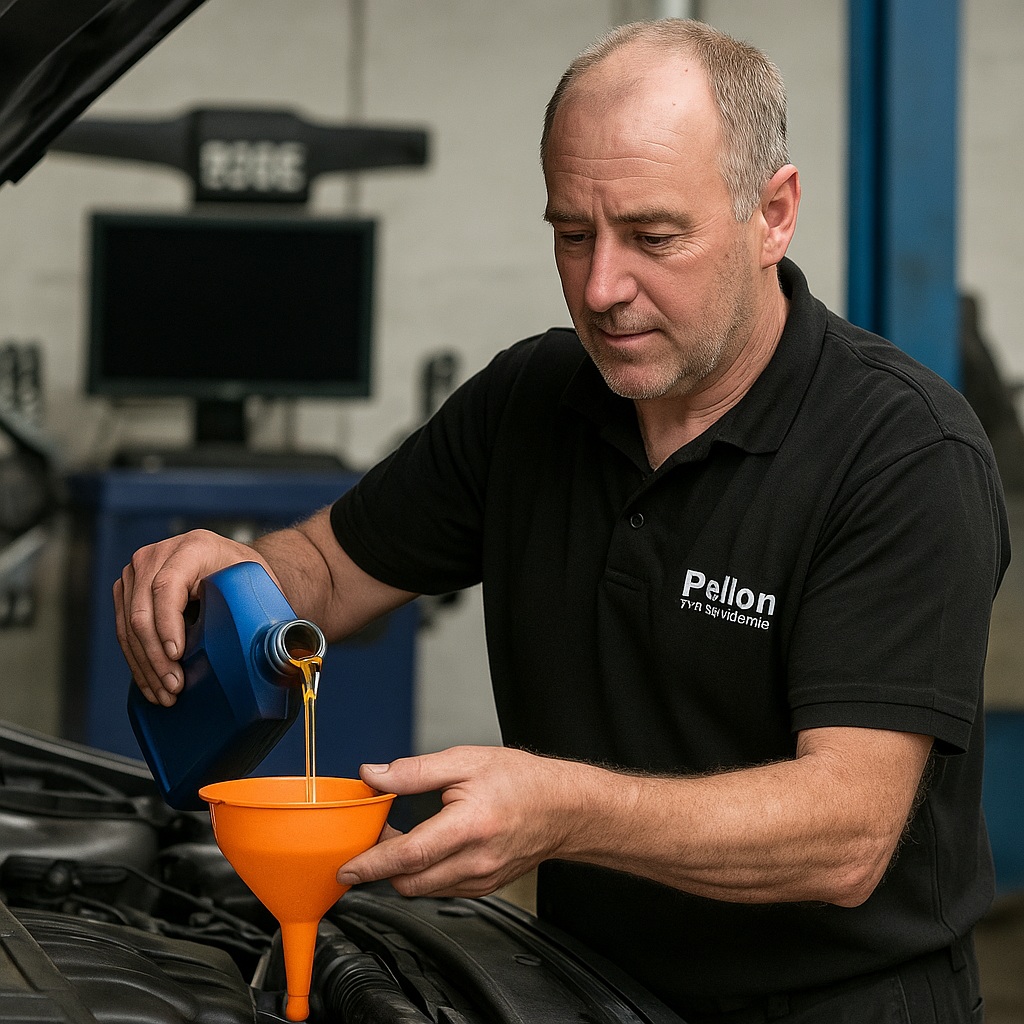
Your engine oil is the number one thing that keeps everything running smoothly, especially when temperatures rise. Oil thins out when hot, so if your level is already low, your engine has to work twice as hard.
Most modern engines now use synthetic oil and specific grades designed to protect the engine at high and low temperatures.
If you’re unsure which oil your car needs, don’t guess — pop down to Pellon Autocentre, or check your handbook.
You can also find the right grade using our online systems:
👉 https://www.pellontyres.co.uk
Key tip:
Always check your oil when the engine is cold and parked on level ground.
2. Coolant Levels – Crucial in UK Heatwaves: Check Your Levels
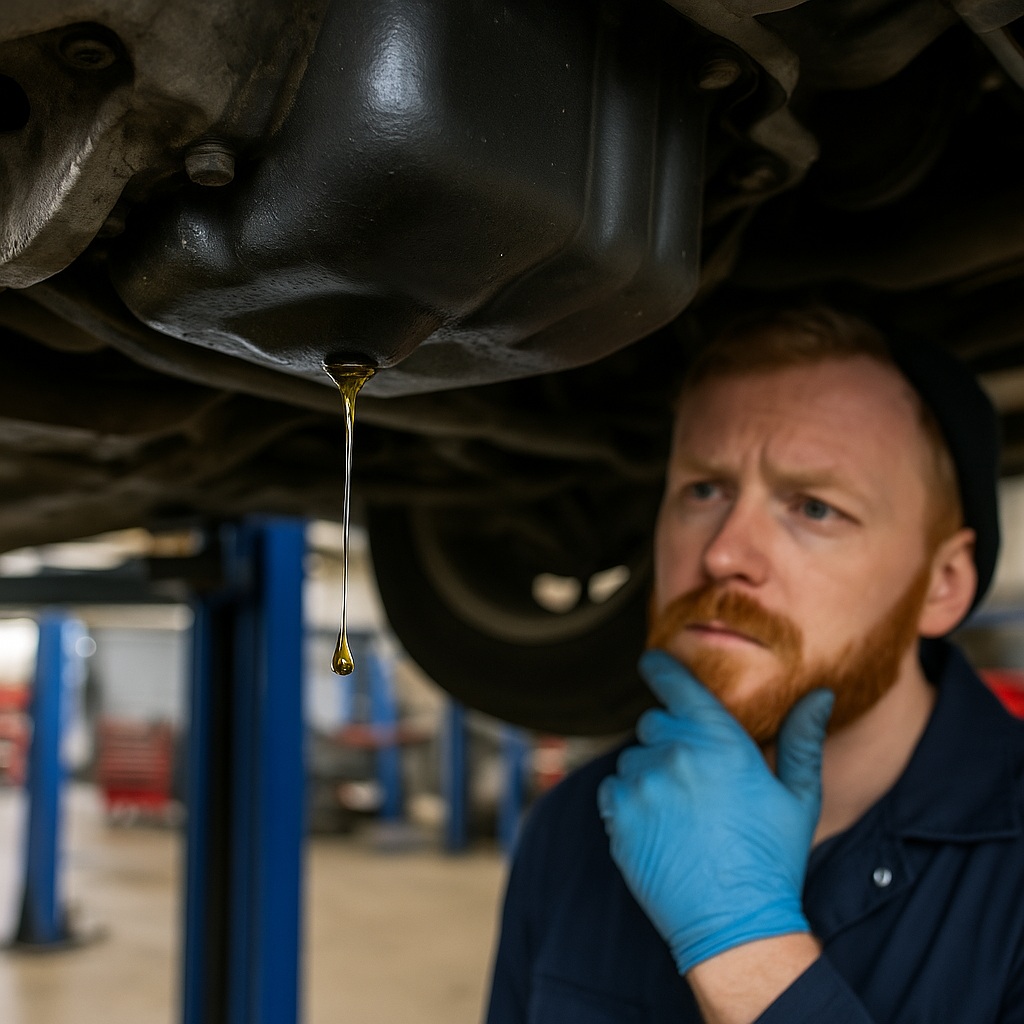
Coolant prevents your engine from overheating. In hot weather and slow-moving traffic (and we all know Yorkshire gets its fair share on bank holiday weekends), coolant is absolutely vital.
If your level is low, your car can overheat surprisingly fast.
This can warp your engine head, damage gaskets, and cost thousands in repairs.
A quick top-up before setting off makes all the difference.
For official guidance on staying safe on the road:
🔗 https://www.gov.uk/check-vehicle-safe
3. Washer Fluid – Don’t Get Caught Short on Motorways
It sounds simple, but drivers forget.
Dust, pollen, insects, sea spray near the coast — they all smear across the windscreen and can completely block visibility.
You don’t want to be scrambling for a bottle of water to pour over the screen on the hard shoulder.
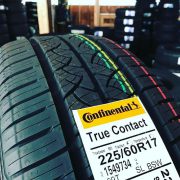
4. Tyres – The Most Important Part of Summer Safety
This is the part we see go wrong most often.
Hot roads + under-inflated tyres = tyre blowouts.
Your tyres are made using heat processes, so when they’re already warm and the tarmac heats up to 50°C or more, the pressure inside rises.
If the tyre is already weak, worn, or under-inflated, it can explode.
We see plenty of customers every Monday with blown tyres that could have been prevented.
Avoid part-worn tyres.
They might look like a bargain, but you don’t know where they’ve been or what damage they’ve suffered.
A quality new tyre — even a budget one — is always the better and safer choice.
Check for:
- Correct pressure
- Adequate tread depth
- No cracks or bulges
- No cords showing
If unsure, we’ll check them for free.
👉 https://www.pellontyres.co.uk
And for those planning a trip to the coast, why not take a look at our holiday home guide?
👉 https://luckypawsholidayhome.co.uk/thornwick-bay-location-guide/
5. Air-Con – Keep Cool, Keep Safe: Check Your Levels
When the temperature hits the high 20s or low 30s in Yorkshire (a rare but memorable treat!), the inside of your car can become unbearable.
If you’ve ever been stuck in crawling traffic on the road to Scarborough or Bridlington, you’ll know how quickly tempers — and engines — can overheat.
Make sure:
- Your air-con blows cold
- You have enough refrigerant
- The system doesn’t smell musty (a sign of bacteria)
Keeping the windows closed is usually best in hot weather, especially at motorway speeds.
6. Avoid Hot Traffic Hotspots if You Can: Check Your Levels
On bank holidays and sunny weekends, the usual routes become completely jammed:
- M62
- A64 to Scarborough
- M1/M18 interchange
- Pennine routes toward Lancashire
Sitting in standstill traffic on a 30°C day puts stress on:
- Your cooling system
- Your clutch
- Your brakes
- Your passengers (especially kids and dogs!)
Set off earlier or choose a quieter route when possible.
7. Basic Summer Safety Checks Every Driver Should Do
Before you head out:
- Check all fluid levels
- Top up washer bottle
- Test wipers
- Check lights
- Inspect tyres and pressures
- Make sure your spare wheel or repair kit is ready
- Ensure your breakdown kit and phone are charged
Five minutes now can save you hours later.
Local Yorkshire Weather Challenges: Check Your Levels
Here in Halifax and across West Yorkshire, the landscape adds extra strain:
- Steep hills
- Stop-start driving
- Sudden changes in weather
- Heavy traffic through towns like Huddersfield and Bradford
Cars overheat faster in this environment, making level checks even more important.
Final Thoughts – Check Your Levels & Stay Safe
Hot weather is great, but it brings challenges for both drivers and vehicles. A few simple checks can prevent breakdowns, extend the life of your engine, and keep your family safe.
If you’re unsure about anything — from tyres to oil grades — we’re here to help at Pellon Tyre & Autocentre in Halifax, ready to get you sorted quickly and safely.
👉 https://www.pellontyres.co.uk
Stay cool, stay safe, and enjoy the sunshine whenever it decides to arrive!
As we always remind our customers here in Halifax, looking after your car in hot weather isn’t just about topping up the odd fluid — it’s about keeping the whole vehicle calm and comfortable when the temperatures shoot up.
Modern engines run much hotter than older ones, and that means coolant levels, oil quality and even brake fluid condition become far more important on long summer drives. If you’re unsure which oils or fluids your particular model needs, you can always look on our Pellon website for guidance:
👉 https://www.pellontyres.co.uk
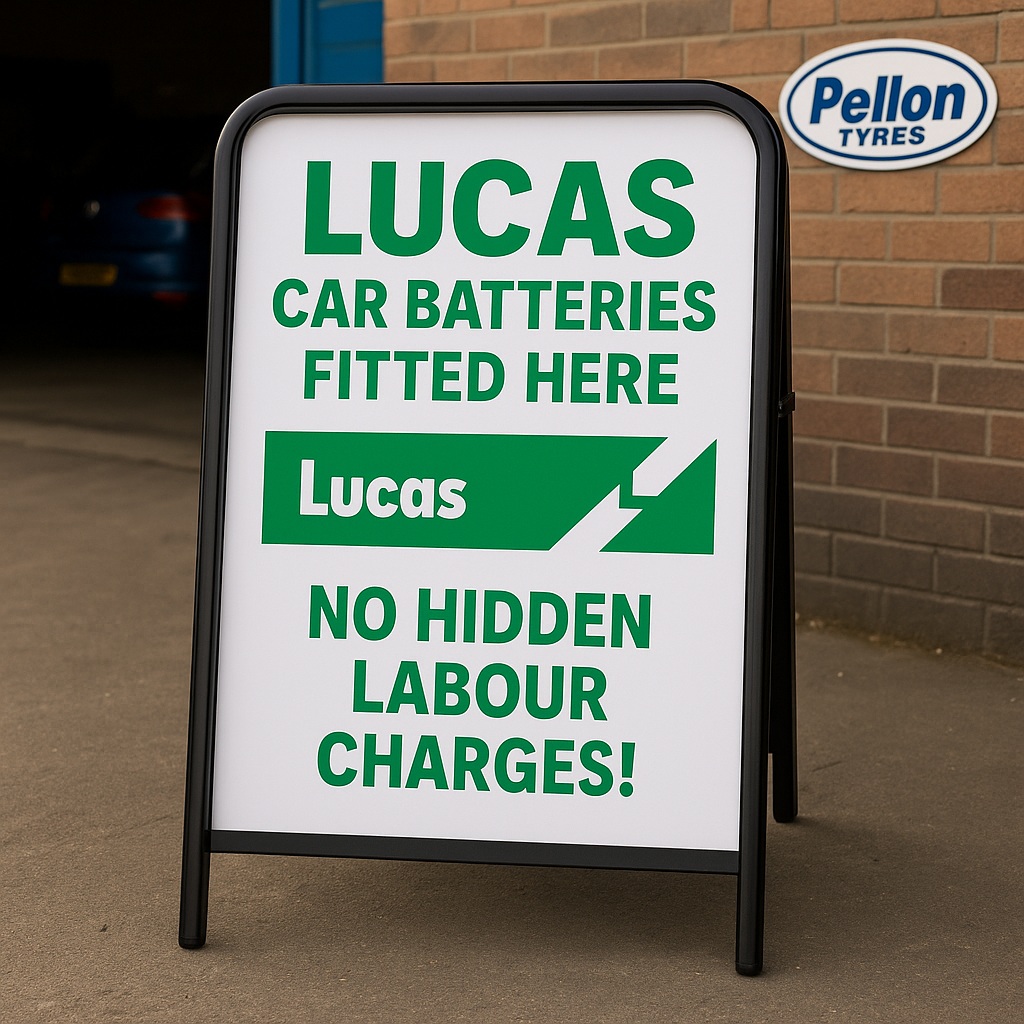
Another thing worth checking before you set off is your car battery. Many people associate battery failures with winter, but the truth is that heat damages batteries too. Hot weather increases evaporation inside the battery, which leads to sulphation and a sudden loss of performance.
We regularly see cars turning up at the garage after a long trip to the coast with warning lights flashing, simply because the battery has overheated. A quick battery check can save you from being stranded on the roadside.
You should also keep an eye on your brake performance during hot spells. Brake fluid absorbs moisture over time, and when temperatures rise, this moisture can heat up and cause brake fade.
If your brake pedal feels spongy after a steep drive through the hills around Halifax, it might be time for a fluid change. The DVSA also reminds drivers that braking efficiency is a key MOT requirement — worth reading here:
👉 https://www.gov.uk/getting-an-mot
Finally, let’s not forget about summer fuel economy. Many drivers notice their MPG dropping during warm weather, often because the car is working overtime to run the air-con while crawling through traffic.
Poorly inflated tyres can make this even worse. By keeping your pressures spot-on and your tyres in good condition, you’ll save money, improve handling, and reduce the risk of a blowout. You can find more tyre advice and booking options on our site:
👉 https://www.pellontyres.co.uk