vw-polo-winter-service
Table of Contents
vw-polo-winter-service
vw-polo-winter-service
A Bit of Polo History – And Why a VW Polo Winter Service Still Matters in Halifax
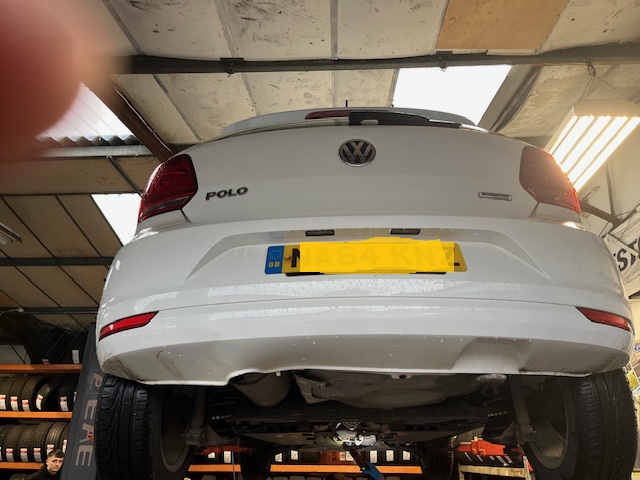
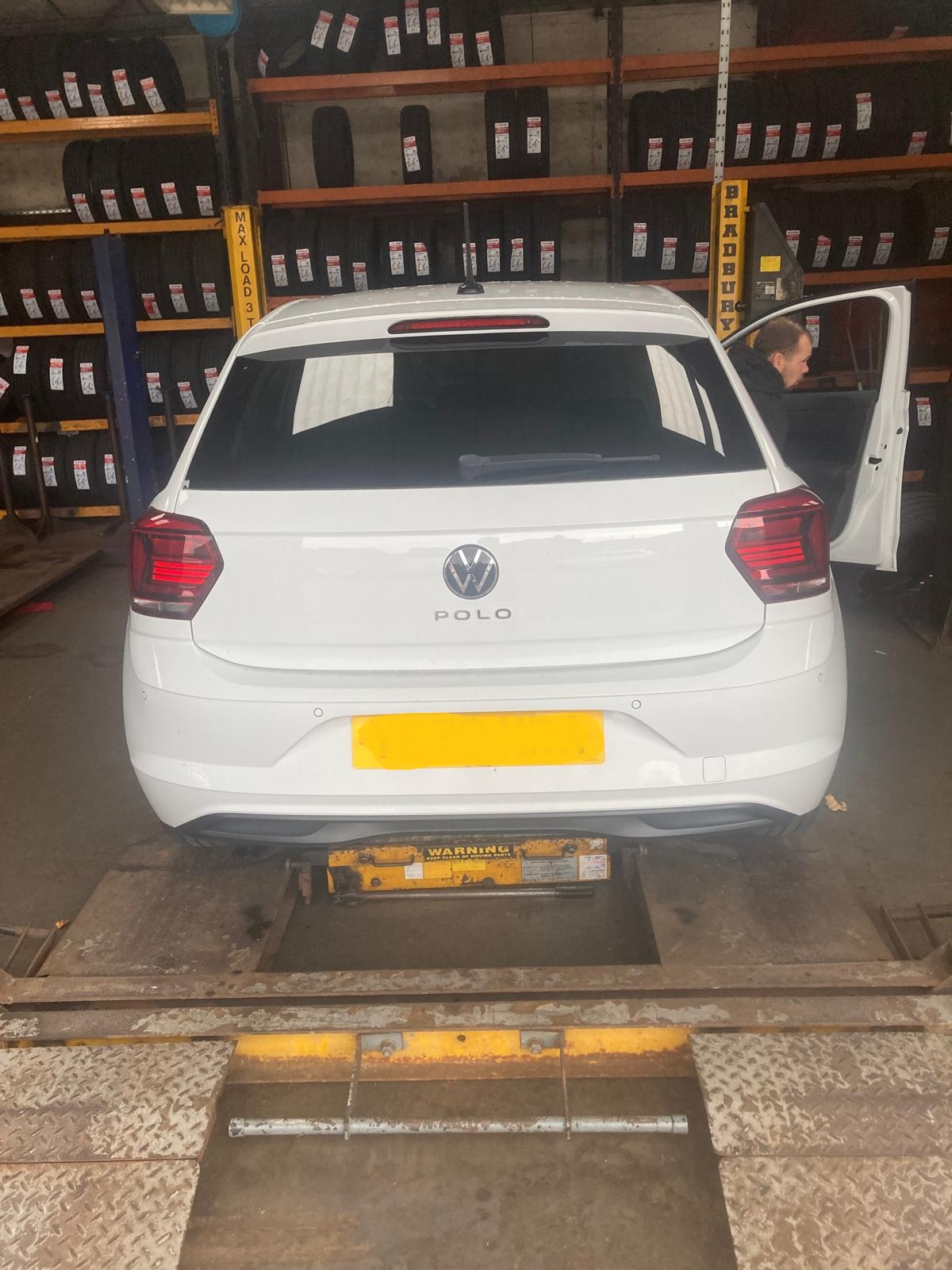
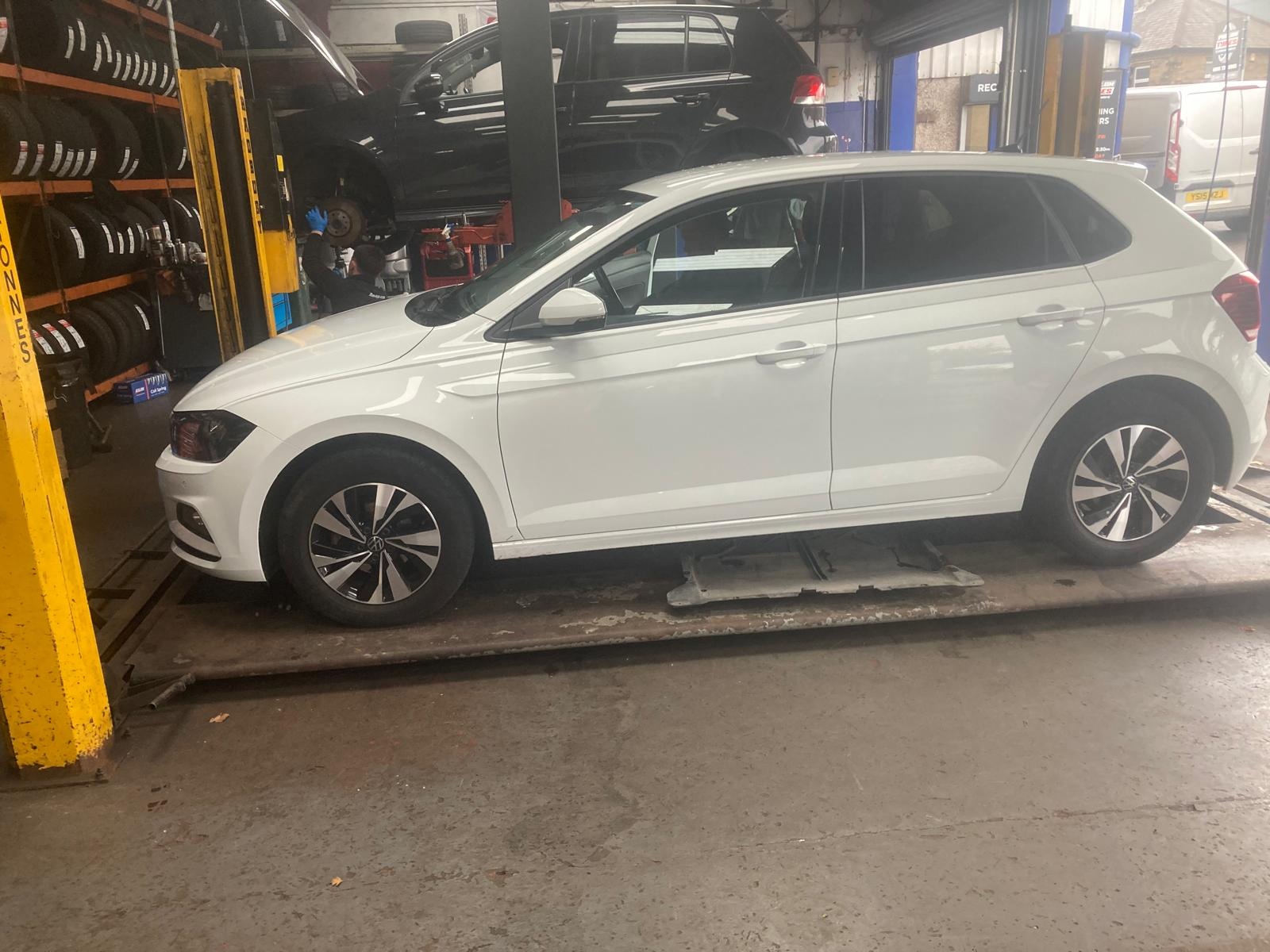
The other day here at Pellon Tyres in Halifax, we were presented with a cracking little VW Polo for its winter service. The car was spotless, clearly well-loved, and the owner wanted it ready for whatever the good old British winter might chuck at us. Wise move if you ask me! Fresh oil, new filters, topped-up fluids — all ready for those cold Calder Valley mornings when engines like to sulk.
Plenty of motorists round here like to tie in a service when they have their MOT test, while others prefer a winter or summer service depending on how they use the car. Either way, it’s still good old-fashioned common sense — look after your motor and it’ll look after you.
Seeing that tidy Polo got me thinking about the model itself. The Polo has been knocking about British roads for donkey’s years now, and it’s become one of those cars you just expect to see in every street in Halifax, Huddersfield, and right across Yorkshire. So let’s have a quick look back at how it all began.
How the VW Polo Found Its Feet in the UK: vw-polo-winter-service
The Volkswagen Polo first arrived here in the mid-1970s, not long after its cousin, the Golf, made a name for itself. Back then petrol was cheap, cars were boxy, and most of us didn’t worry too much about emissions or gadgets. The Polo was basically Volkswagen’s answer to the rising demand for smaller, cheaper, and more economical motors — perfect for first-time drivers or families wanting a second car.
The Early Days – Mk1 (1975–1981): vw-polo-winter-service
The Mk1 Polo was a simple, straight-talking runabout — very light, very nimble, and absolutely brilliant for weaving round narrow streets and rows of terraced houses. I remember them turning up in Halifax looking a bit dainty next to the clunky British stuff of the time, but they were tough little things.
Mk2 (1981–1994) – The Yorkshire Favourite: vw-polo-winter-service
This is the Polo most of us older folk remember. The square-shaped one, often in bright reds and blues, doing the school run or parked outside holiday cottages in Bridlington. Solid as a rock. Cheap to run. Easy to fix. We’ve seen plenty of these through our doors over the years.
Mk3 (1994–2002)
VW modernised things a bit — smoother lines, better interiors, and engines that didn’t sound like they were full of spanners. These were hugely popular across West Yorkshire, especially with young drivers.
Mk4 and Mk5 (2002–2017)
By now the Polo had fully grown up. Better safety, more gadgets, nicer engines — all the things people expect these days. These models are still coming in for servicing, MOTs, and the odd winter check at our place.
Mk6 (2017–Present)
The modern Polo is miles away from that little 1970s box. Bigger, safer, faster, and full of tech you’d only have seen on much posher motors years ago. Still, the heart of it remains the same — reliable, steady, and ideal for daily running around West Yorkshire hills and valleys.
Why Winter Servicing Still Makes Sense: vw-polo-winter-service
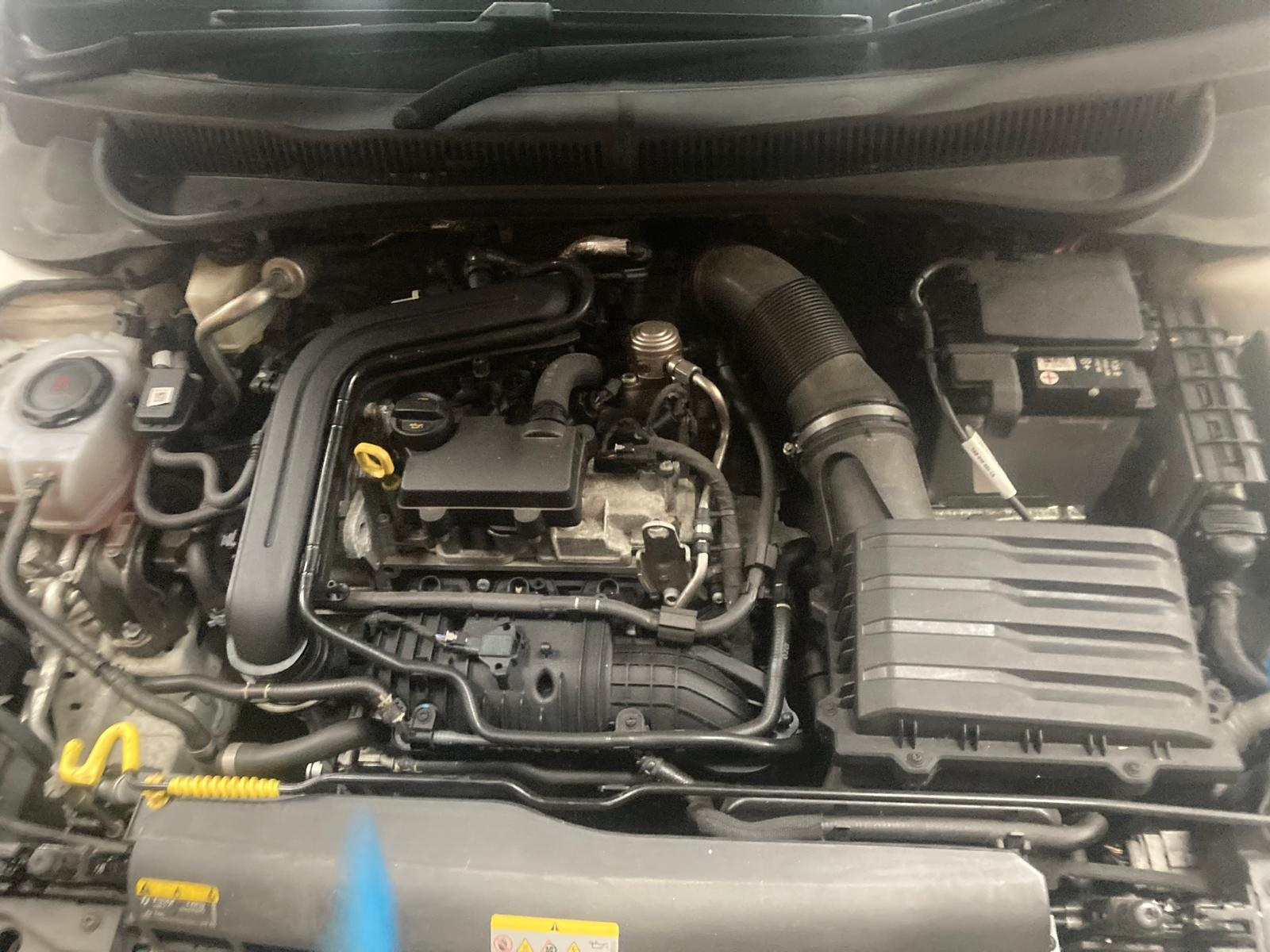
No matter which generation of Polo you drive, a winter service can make all the difference. The cold snaps we get in Halifax — fog one day, icy rain the next — can really test a car. A simple oil and filter change helps the engine cope with cold starts, fresh coolant keeps the system stable, and checking the battery avoids those annoying “click-click” moments on frosty mornings.
And while we’re on batteries…
If you need one, we’ve got plenty over at Pellon Tyres — and we’ll even test yours for free.
(And if you fancy escaping winter altogether, there’s always the warmer months at our caravan over at Lucky Paws Holiday Home, where you can enjoy a break on the Yorkshire coast. It’s not open in winter, mind—but perfect for planning your spring getaway!)
A Little Yorkshire Nod
The Polo has become as familiar to Yorkshire roads as the sight of mist rolling over the moors or the queue outside a good chippy on a Friday night. Whether it’s a student car heading up to Leeds, a family runabout in Mirfield, or a worker’s daily commute to one of the mills or workshops across the Calder Valley, the Polo has simply become part of our landscape.
And long may it continue—especially if they all come in as tidy as the one we serviced this week!