Posts

Audi A3 for New Front Discs

Audi A3 for New Front Discs

Audi A3 for New Front Discs

Audi A3 for New Front Discs


Audi A3 Front Brake Disc Corrosion – A Common Problem on Calderdale Roads

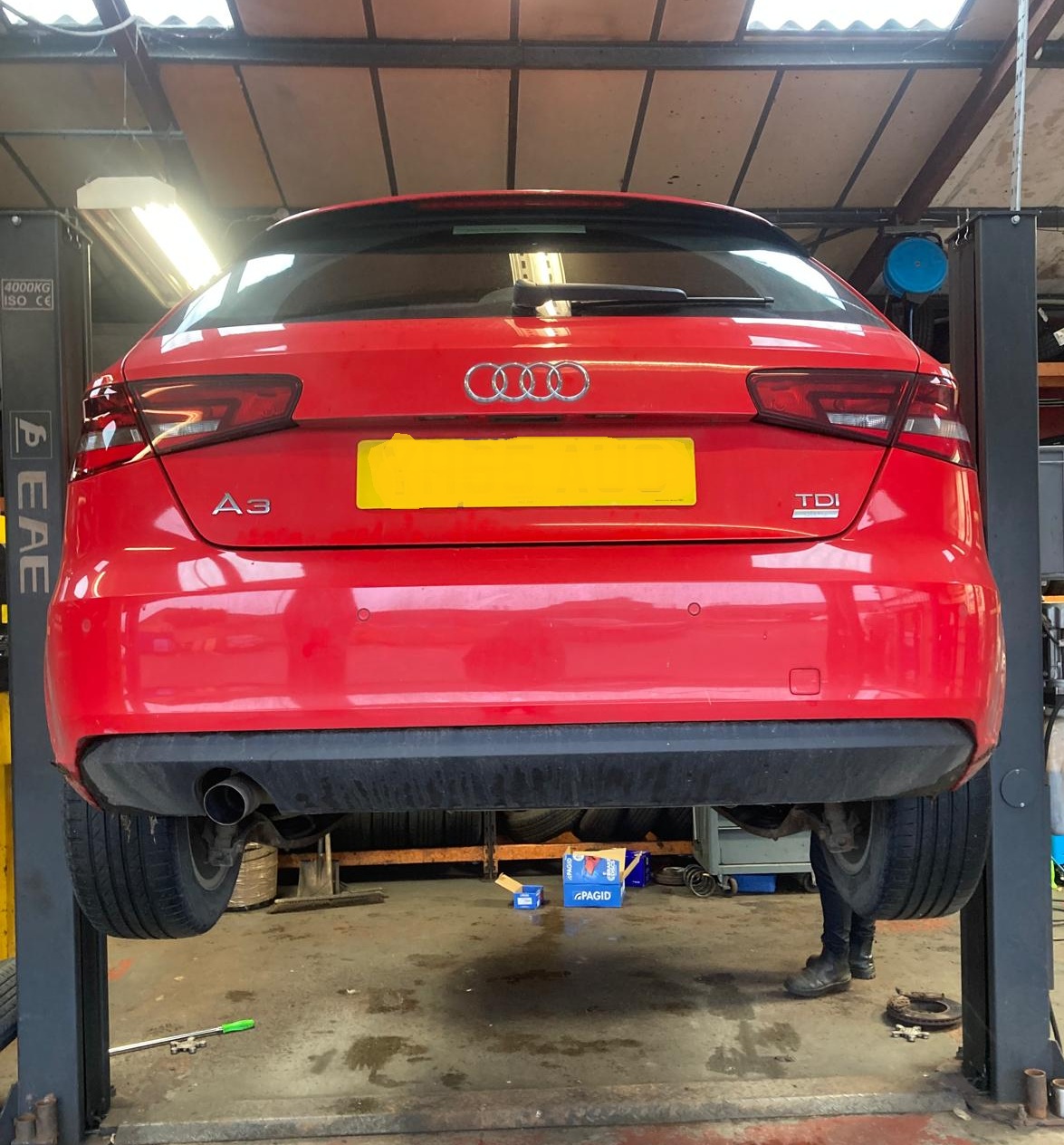
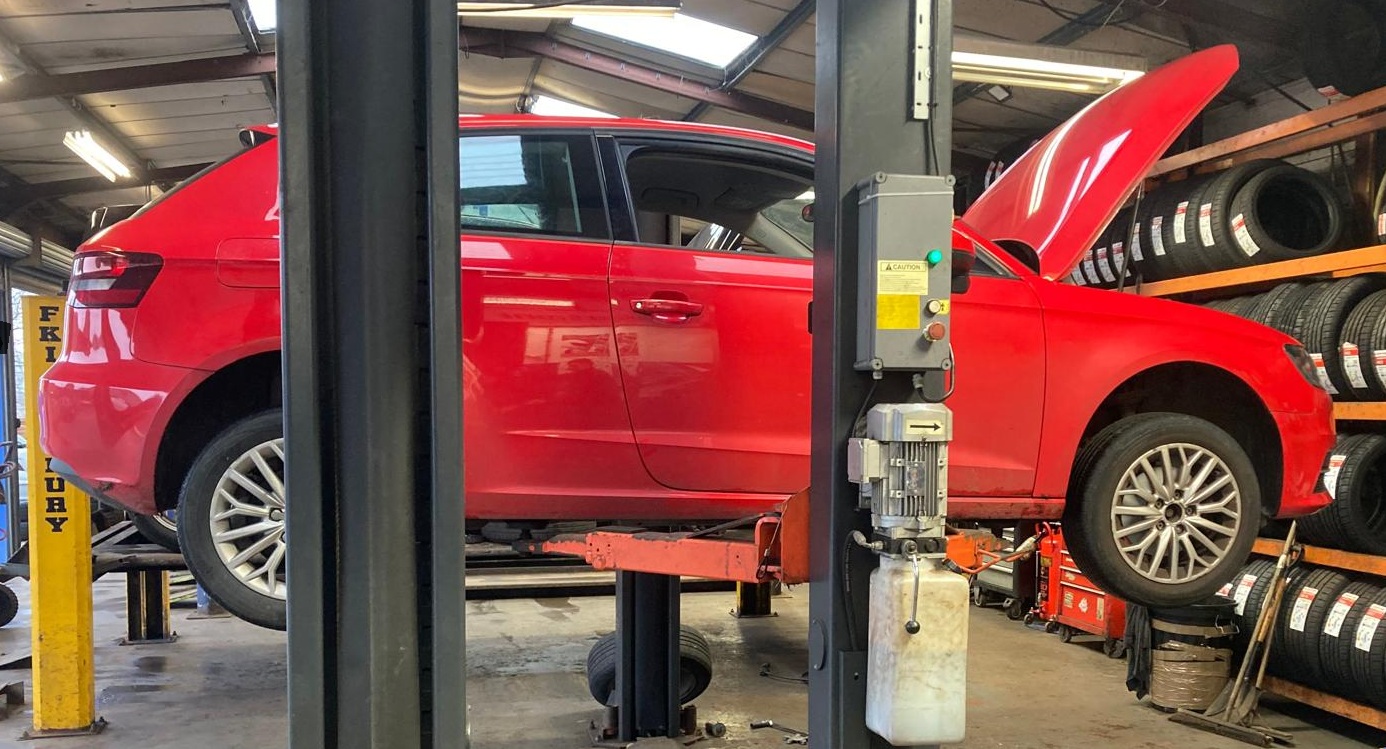
The other day here at Pellon Tyres & Autocentre in Halifax, we were visited by the owner of a neat Audi A3. The car looked well cared for on the outside, but the driver was concerned about worrying noises coming from the front end when braking. It’s the sort of thing drivers often try to ignore at first, but as most motorists soon realise, brake noises rarely get better on their own.

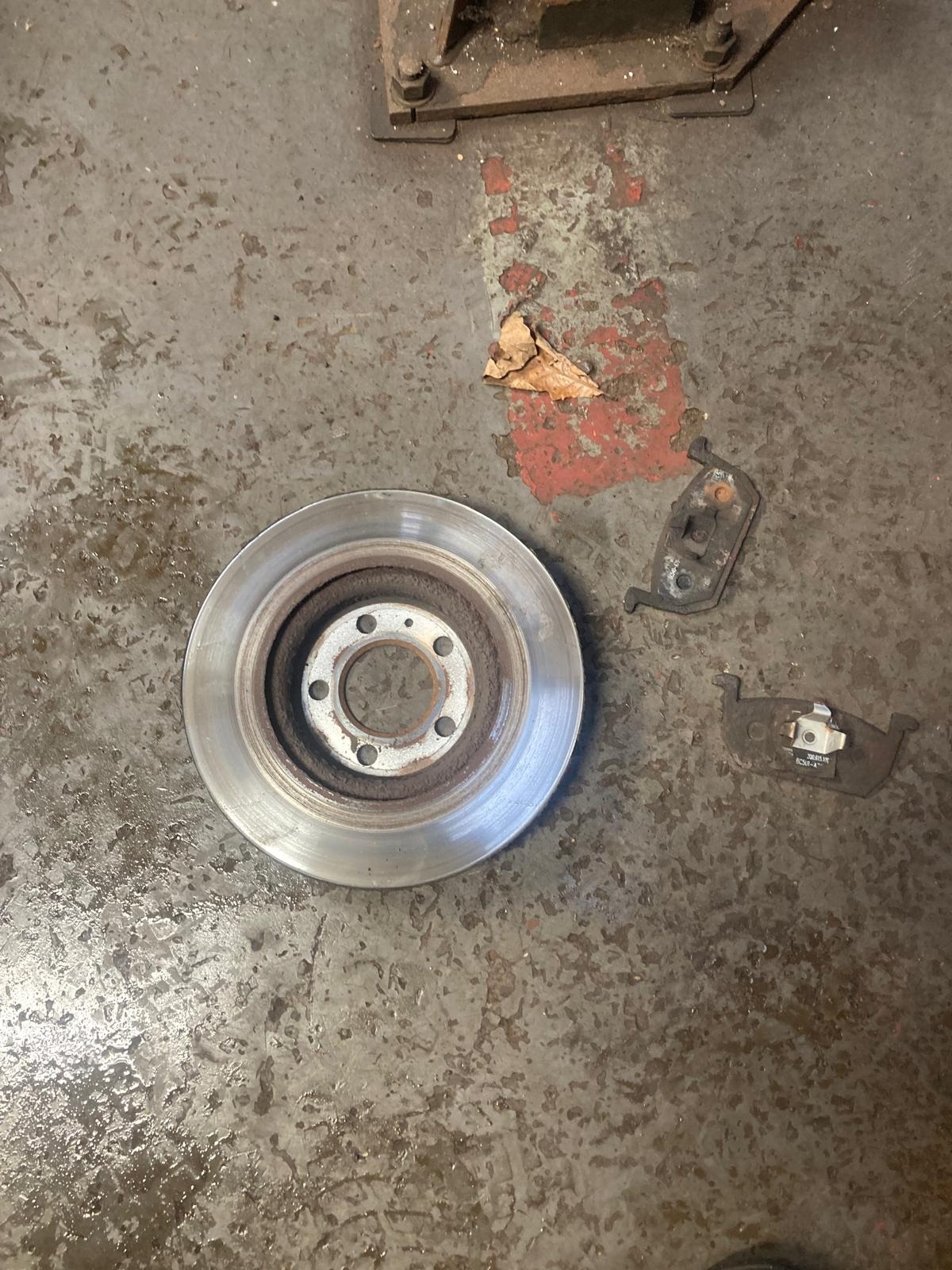
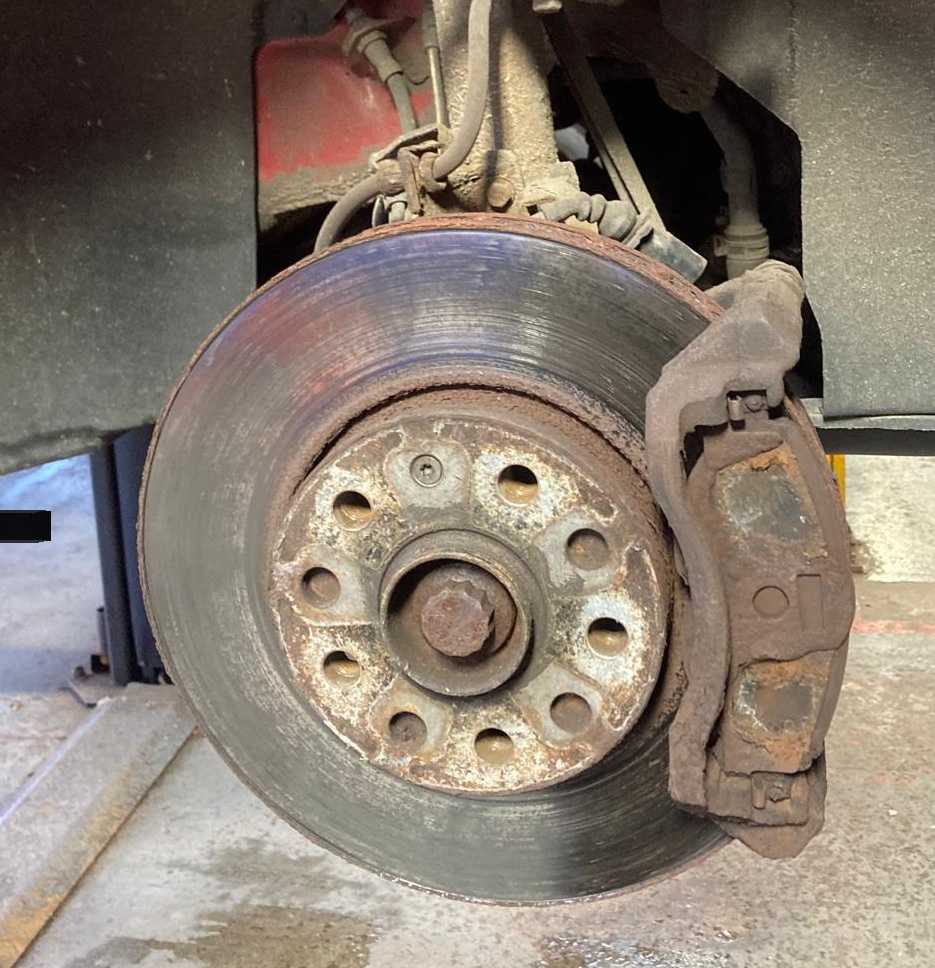
Once Alex had the car up on the ramp and the wheels removed, the cause became obvious straight away. The front brake discs were badly corroded, and the brake pads were worn unevenly. In short, the brakes were past their best and needed replacing to restore safe and quiet braking.

This is a problem we see regularly, especially on vehicles driven around Halifax and the wider Calderdale area, where road conditions and driving patterns play a big part in brake wear.


Why Do Brake Discs Corrode? Audi A3 for New Front Discs

Brake disc corrosion is extremely common in the UK, and it’s not always down to poor maintenance. Modern cars like the Audi A3 use cast iron brake discs, which naturally rust when exposed to moisture. Normally, light surface rust is cleaned off the discs the first time the brakes are applied.

However, problems arise when:

  • Cars are used mainly for short journeys
  • Vehicles are parked for long periods
  • Brakes don’t get hot enough to clean themselves
  • The car is driven gently most of the time
  • Winter road salt is present

In areas like Halifax, where the weather is often damp and cold, corrosion can build up quickly. Add in steep hills, stop-start traffic, and rough road surfaces, and brakes take a real hammering.

When corrosion builds up around the outer edges of the disc, it prevents the brake pads from making full contact. This leads to:

  • Grinding or scraping noises
  • Vibration through the brake pedal
  • Reduced braking performance
  • Uneven pad wear

That’s exactly what we found on this Audi A3.
Audi A3 for New Front Discs

A Brief History of the Audi A3 in the UK

The Audi A3 has been a popular sight on UK roads since it first arrived in the mid-1990s. It was Audi’s answer to the growing demand for premium hatchbacks, offering German build quality in a compact, practical package.

Over the years, the A3 has earned a reputation for:

  • Solid build quality
  • Comfortable interiors
  • Good handling
  • Strong resale values

It’s been especially popular with drivers who want something a bit more refined than a standard family hatchback but still practical for everyday use.

However, like all cars — premium or not — the A3 still relies on routine servicing, particularly when it comes to brakes. Being a heavier, well-insulated car, brake wear isn’t always obvious until noises start appearing.
Audi A3 for New Front Discs
one of the old discs

Calderdale Roads and Brake Wear: Audi A3 for New Front Discs

Anyone who drives regularly around Calderdale knows the challenges:

  • Steep hills
  • Tight bends
  • Sudden stops
  • Rough road surfaces
  • Potholes that appear overnight

All of this increases the workload on a car’s braking system. Add wet weather and winter grit into the mix, and corrosion becomes almost unavoidable if brakes aren’t checked regularly.

We often tell customers that brakes can look fine from the outside, but once the wheels are off, a very different picture emerges.
Audi A3 for New Front Discs
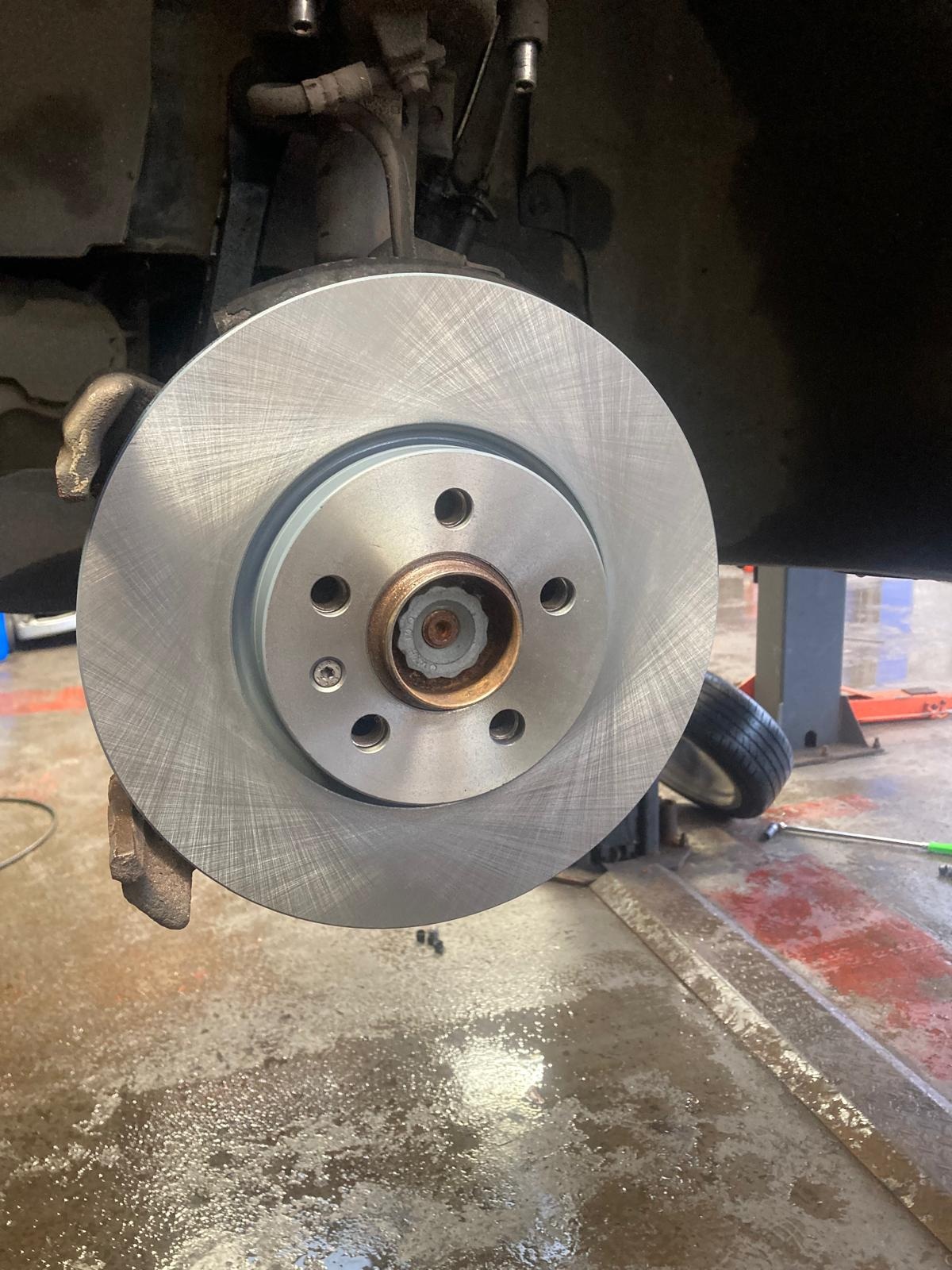
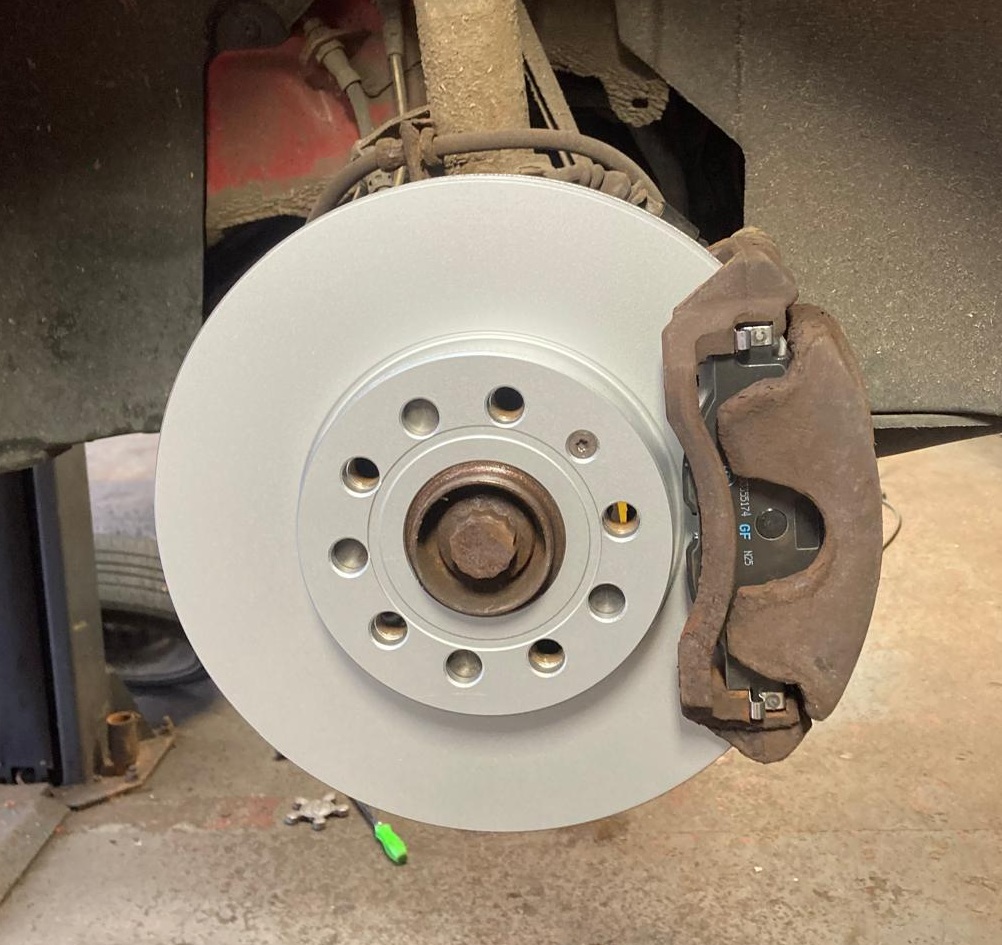
Nice new brake disc in place

The Importance of Regular Brake Servicing

In this case, replacing the front discs and pads together was the correct and safest solution. Fitting new pads to corroded discs is false economy and often leads to repeat problems within weeks.

Regular servicing allows us to:

  • Inspect brake discs properly
  • Check pad thickness evenly
  • Clean and lubricate brake components
  • Catch corrosion before it becomes serious
  • Prevent expensive repairs later on

A simple inspection at service time can often save customers money and keep their car quiet, safe, and reliable.


A Happy Ending: Audi A3 for New Front Discs

Once the new discs and pads were fitted, the Audi A3 was road tested and braking smoothly again — no noises, no vibration, and full braking performance restored. The customer left reassured, knowing the issue had been dealt with properly and safely.

That’s what we aim for every time here at Pellon Tyres — honest advice, proper repairs, and peace of mind for drivers across Halifax and Calderdale.
Audi A1 for new Brake Discs

Audi A1 for new Brake Discs

Audi A1 for new Brake Discs

Audi A1 for new Brake Discs


Grinding Brakes on an Audi A1 – What’s Causing the Noise?

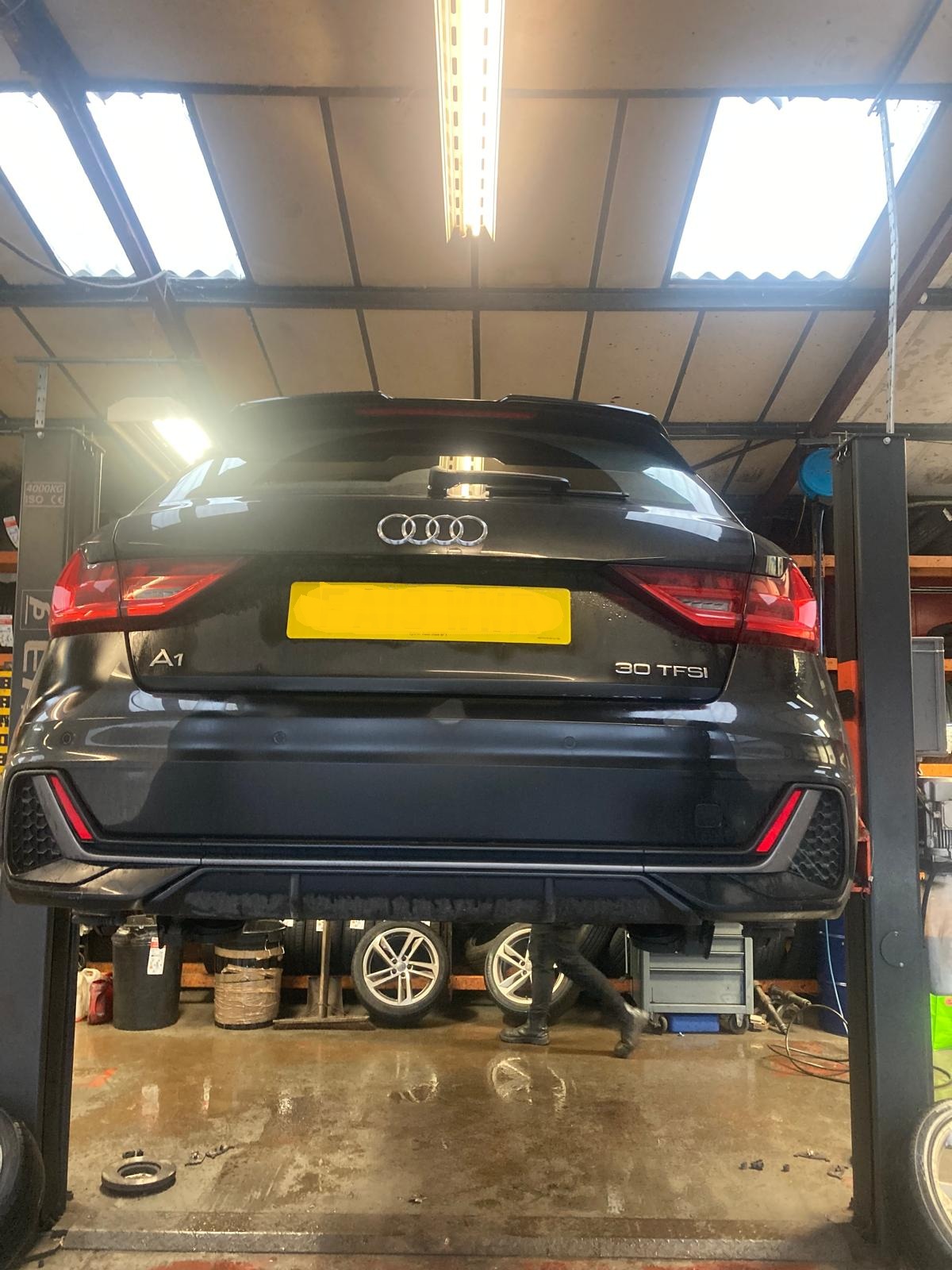
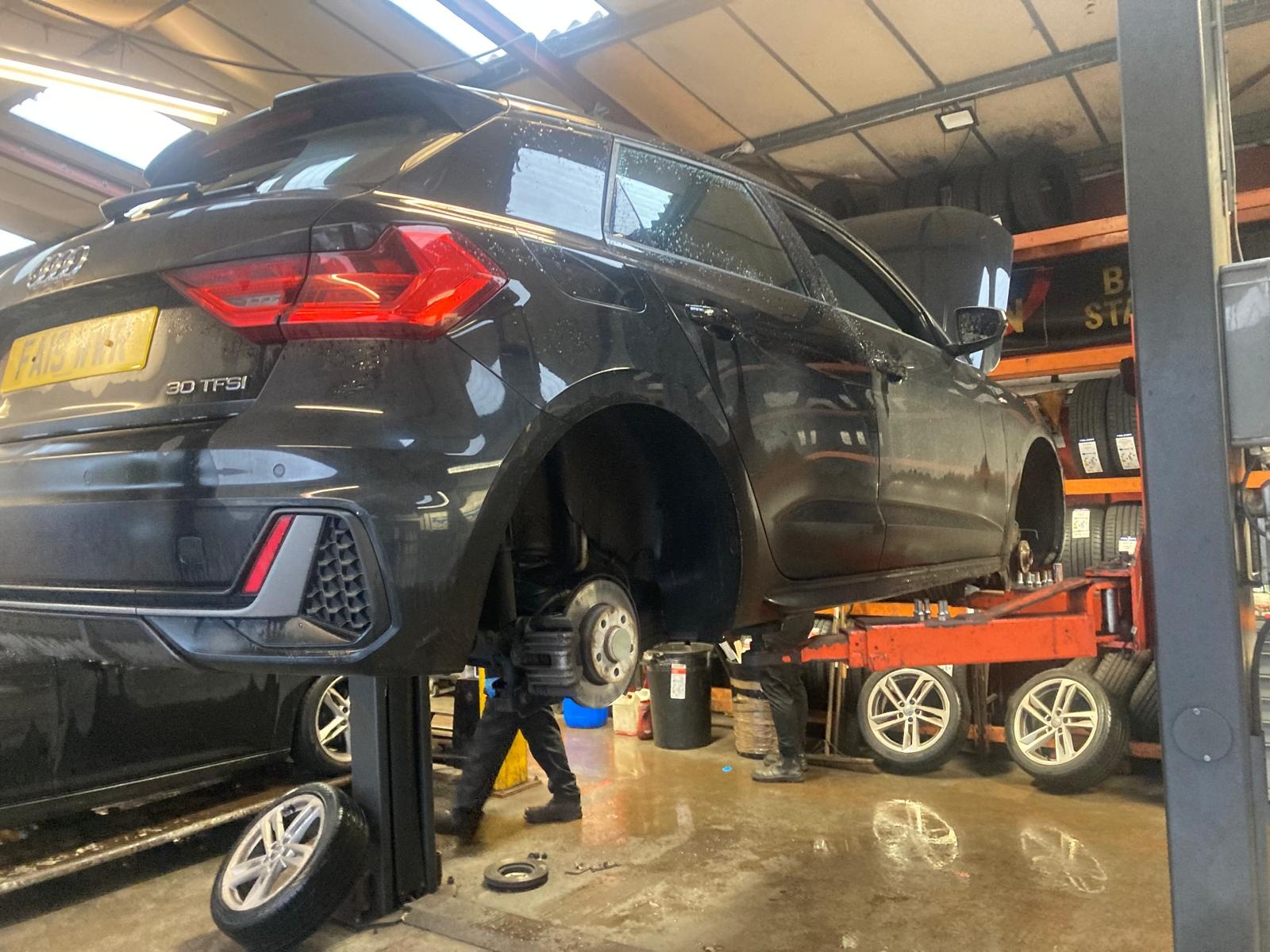
Yesterday at Pellon Tyre & Autocentre in Halifax, we were presented with an Audi A1 whose owner was worried about a nasty grinding noise every time the brakes were applied. It’s a sound that makes most drivers wince, and for good reason.

A quick inspection soon showed the cause – the car needed new brake discs all round, along with a full set of brake pads. Sadly, this is something we see quite often, not just on Audi A1s but on many modern cars driven around Calderdale’s hills, traffic lights, and stop-start town driving.

So let’s look at why brakes grind, what it means for your car, and a bit of background on the Audi A1 here in the UK.

Audi A1 for new Brake Discs

Why Do Brakes Make a Grinding Noise?

A grinding noise when braking is never something to ignore. Around Halifax, with steep hills like Pellon Lane, Boothtown Road, and the run down into the town centre, brakes work hard – and problems show themselves quickly.

1. Worn Brake Pads

The most common cause is brake pads worn right down. Once the friction material is gone, you’re left with metal scraping on metal. That grinding sound is your brake pad backing plate eating into the disc.

At this stage:

  • Braking performance is reduced
  • Discs get damaged very quickly
  • Repair costs rise sharply

What could have been pads only often turns into pads and discs.

Audi A1 for new Brake Discs
old worn out disc

2. Discs Worn or Corroded

In Calderdale, cars often sit overnight in damp air, especially near the River Calder. This leads to surface rust on brake discs.

Short journeys around Halifax, Sowerby Bridge or Illingworth mean:

  • Brakes don’t get hot enough to clean themselves
  • Rust builds up
  • Discs wear unevenly

Once discs are badly worn or lipped, they’ll grind even with new pads fitted.

Audi A1 for new Brake Discs

3. Cheap or Incorrect Brake Parts

Some budget pads are:

  • Too hard
  • Poorly matched to the disc material

This can cause grinding, squealing, or vibration. At Pellon, we always fit quality, correctly specified parts, because cheap brakes are false economy.

Audi A1 for new Brake Discs
new disc fitted

4. Seized Brake Components: Audi A1 for new Brake Discs

Salted winter roads around Halifax don’t help. Brake callipers and sliders can seize, causing:

  • Pads to stay in contact with the disc
  • Overheating
  • Premature wear and grinding noises

Regular brake servicing helps prevent this.


5. Ignoring Early Warning Signs: Audi A1 for new Brake Discs

Most cars give you plenty of notice:

  • Squealing
  • Slight vibration
  • Pulling to one side

Sadly, many drivers wait until the noise becomes a full-on grind – by then, damage is already done.


A Bit of History – The Audi A1 in the UK

The Audi A1 first arrived in the UK around 2010, aimed at drivers wanting Audi quality in a small, stylish package. It was Audi’s answer to cars like the MINI and VW Polo, but with that familiar German premium feel.

Over the years, the A1 has been popular with:

  • Younger drivers
  • Town and city commuters
  • Drivers wanting something compact but well built

Here in Halifax and Calderdale, they’re ideal for:

  • Narrow streets
  • Busy town centres
  • Tight parking spots

But like all modern cars, they rely heavily on well-maintained braking systems, especially with hill starts, traffic queues, and roundabouts being part of daily life around here.


Why Regular Brake Checks Matter in Calderdale: Audi A1 for new Brake Discs

Local driving conditions really do take their toll:

  • Hills increase brake wear
  • Short journeys encourage corrosion
  • Wet weather speeds up rust

We recommend having your brakes checked:

  • At least once a year
  • Or whenever you hear a new noise

A quick inspection can save a lot of money – and a lot of worry.

You can find out more about our brake services here:
👉 https://www.pellontyres.co.uk

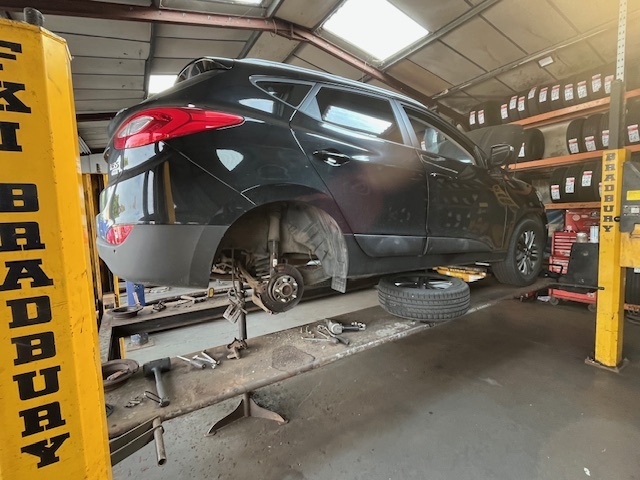
Hyundai i35 for Brakes Repairing

Hyundai i35 for Brakes Repairing

Hyundai i35 for Brakes Repairing


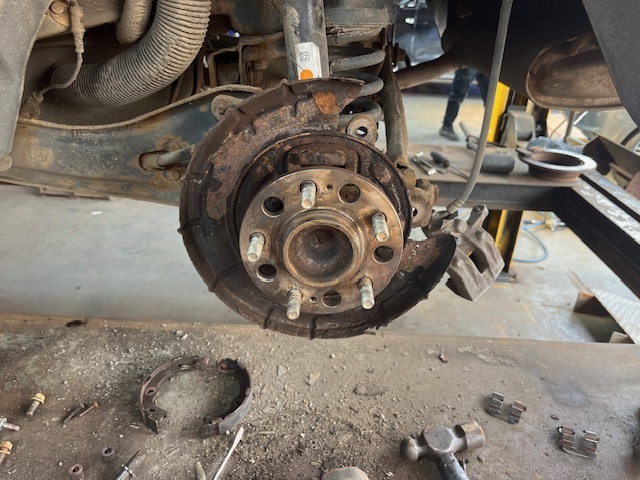
Brake Trouble with a Hyundai i35 – Why Regular Brake Checks Matter

Hyundai i35 for Brakes Repairing

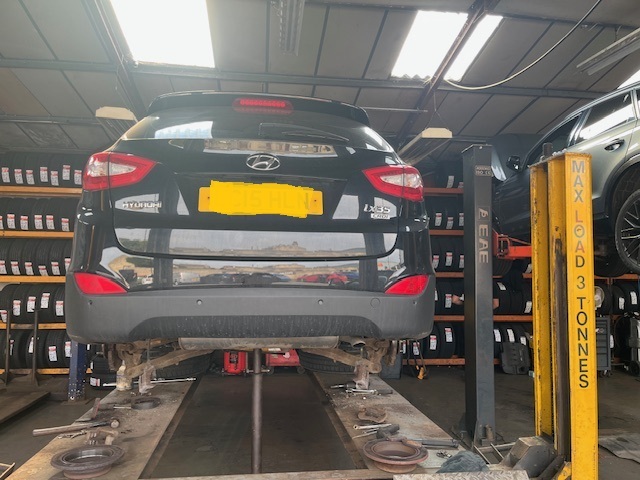
Morning all! We had a Hyundai i35 roll into Pellon Tyres the other day, and the poor thing was having brake issues. Now, I don’t mean the odd squeak or bit of dust – no, this one was seriously underperforming. The driver said the brakes felt “soft” and it wasn’t stopping properly. This is certainly not the ideal situation when you’re navigating the streets. Therefore, I decided to write a brief blog post discussing the importance of brake checks, particularly for modern vehicles such as the Hyundai i35.

such as the Hyundai i35. While we’re at it, let’s discuss the Hyundai i35 and its recent rise in the UK.

Brakes—don’t leave it too late! Hyundai i35 for Brakes Repairing

FFirstly, your car’s brakes are undoubtedly one of the most essential safety features. You might be able to put up with a noisy exhaust or a dodgy stereo, but if your brakes aren’t working properly, you’re putting yourself – and everyone else on the road – at risk.

What we usually see at the garage is people waiting until they feel something’s wrong – a grinding noise, a soft pedal, or maybe the car pulling to one side. Often, damage has already occurred by that time. Worn pads can destroy your brake discs, and fluid issues can make the whole system spongy and unpredictable.

At Pellon Tyres here in Halifax, we recommend regular brake checks – especially if you’re heading into winter or planning a long trip. A simple inspection can pick up early wear, corroded parts, or low brake fluid. It’s quick, affordable, and it could save your life.

Hyundai i35 for Brakes Repairing

Hyundai i35 – A Bit of History Hyundai i35 for Brakes Repairing

Now, let’s discuss the Hyundai i35. Not everyone realises this, but the i35 is actually the name used in some markets for what we know here in the UK as the Hyundai ix35 – a smart-looking compact SUV that became quite popular in the early 2010s.

It was the follow-up to the Hyundai Tucson, and for a few years, Hyundai rebadged it as the i35 in other countries, keeping in line with their new naming strategy (you know, the i10, the i20, the i30, and so on). Over here, though, we mostly knew it as the ix35, and it was a big step forward for Hyundai.

Gone were the budget-looking boxes of the early 2000s – this one had curves, gadgets, and a proper road presence. It featured decent diesel and petrol engines, all-wheel drive on some models, and an ample amount of equipment for its price range.

People liked it too – it was practical, reliable, and a lot cheaper to run than some of its flashier rivals. In fact, we still see loads of them coming through our doors here in Halifax, most of them still going strong.

Hyundai i35 for Brakes Repairing

We Fix All Hyundai Models – From the i10 to the Santa Fe

At Pellon Tyres, we’re more than happy to look after any Hyundai that comes our way – whether it’s an old i10 with a knocking noise, a newer i30 due for service, or a Santa Fe that’s ready for new brakes.

We’ve been working on these cars for years now and know all the common issues. That includes everything from clutch replacements to battery swaps and, of course, brake repairs and diagnostics. We utilise high-quality parts and ensure thorough completion – we don’t take shortcuts, only delivering exceptional Yorkshire craftsmanship.

And while we’re on the subject – if you’ve got a Hyundai and haven’t had your brakes checked recently, give us a ring. The roads around here aren’t exactly flat, and the last thing you want is dodgy brakes going down Boothtown Road!

Wrap-Up – Don’t Risk It: Hyundai i35 for Brakes Repairing

So, to sum up—if your brakes are making noises, feeling soft, or just not giving you that confident stopping power—don’t hang around. It’s far cheaper (and safer) to fix things early than to wait for a full brake system failure.

We’re always happy to check your brakes while you wait, and we can sort everything from pads and discs to callipers and brake fluid. We do MOTs, servicing, tyres, exhausts, and diagnostics – all under one roof here in Halifax.

We’ve been helping local drivers since 1989, and we’re still here, still independent, and still putting safety first.

Thanks for reading, and stay safe out there!