Posts

BMW 3 Crankshaft Pulley Problem

BMW 3 Crankshaft Pulley Problem

BMW 3 Crankshaft Pulley Problem

BMW 3 Crankshaft Pulley Problem

A Warning Light that Warns for Real: BMW 3 Crankshaft Pulley Problem

BMW 3 Series Repair Story

Recently, we had a BMW 3 Series roll into the garage with a very clear sign something was wrong: the dreaded battery warning light was glaring on the dashboard. Now, anyone who’s seen that light knows it’s not something to ignore—it’s a signal that the car’s electrical system is struggling. But this BMW had a bit more going on. Not only was the light on, but the driver had also lost power steering, making the car tough to manoeuvre, especially on the narrow roads around Halifax.

When we got under the bonnet to investigate, the culprit wasn’t hard to find.

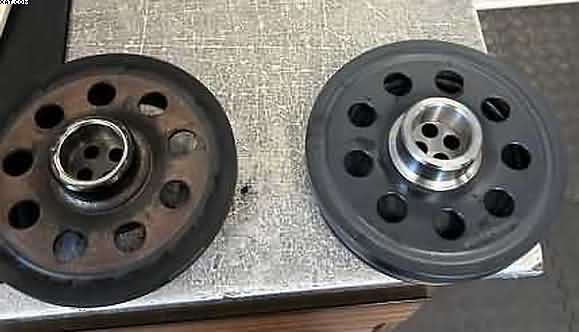
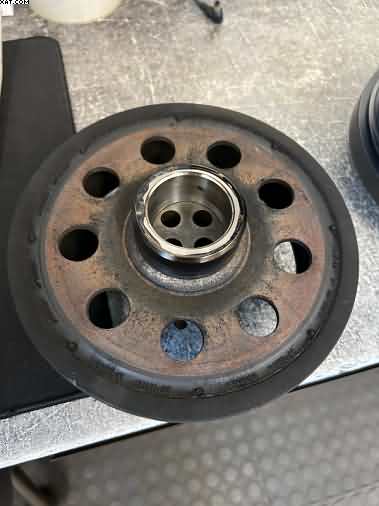
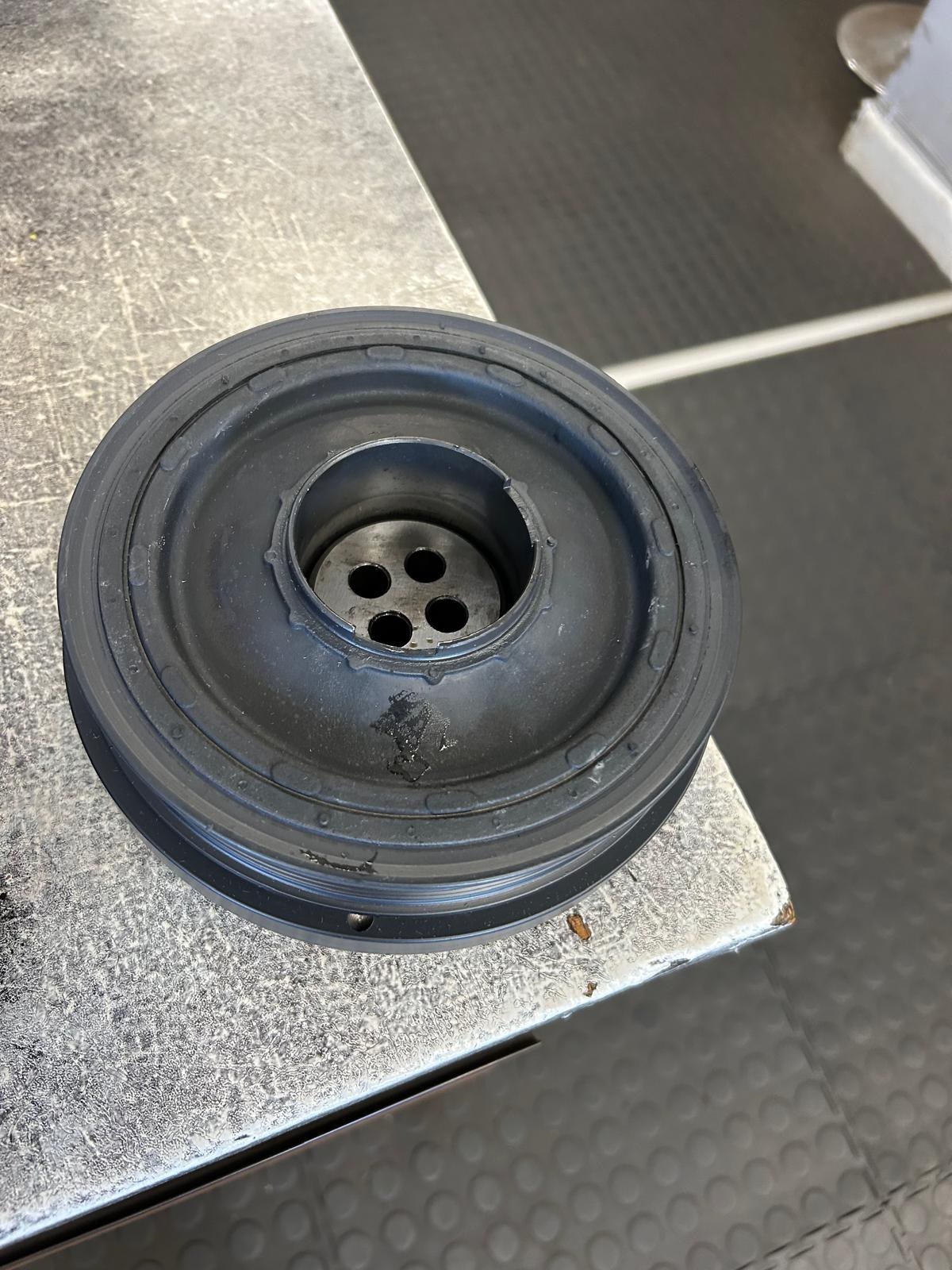
The crankshaft pulley had broken. This might sound a bit techy, but in simple terms, the pulley’s job is to keep the engine’s various belts running smoothly. One of those belts drives the power steering and the alternator, which charges the battery. So, when the pulley broke, the belt came off, which stopped both the power steering and alternator from doing their jobs.

In a car like the BMW 3 Series, when the alternator stops working, the battery light pops on to let you know the battery isn’t being charged. And when the power steering belt stops turning, steering becomes incredibly heavy—a situation no driver wants, especially on the hilly roads we’ve got in West Yorkshire!
BMW 3 Crankshaft Pulley Problem
Thankfully, the solution was straightforward enough. BMW 3 Crankshaft Pulley Problem

We fitted a new crankshaft pulley, got the belt back on track, and with everything tightened up, the BMW was back in action. The warning light disappeared, the power steering was restored, and the driver was able to head off, knowing they wouldn’t be wrestling the steering wheel on their next drive.

It’s one of those repairs that’s a bit of a reminder. BMW 3 Crankshaft Pulley Problem

Of course, even with modern cars like the BMW 3 Series, mechanical bits still break now and then, and car repairs are required. And when they do, it’s often the humble warning light that’s your first heads-up. If you ever see that battery light flicker on your dash, especially if your steering suddenly feels heavier than usual, don’t ignore it. It might be something as simple as a pulley that’s causing big issues.
BMW 3 Crankshaft Pulley Problem

As always, if you’re in the Halifax area and you see a warning light that’s giving you trouble, pop into the garage at Pellon Autocentre in Halifax, UK—we’re happy to take a look! Plus, with our local knowledge of the roads around here, we understand how important it is to keep your car in tip-top shape for those Yorkshire journeys.

Naturally, of course! This is an extra paragraph:

It’s important to note that problems with crankshaft pulleys are not exclusive to BMWs. Similar issues have been reported with a variety of cars, particularly ones that have been driven aggressively on our sometimes uneven roads in Yorkshire.

The belts and pulleys that keep your car running smoothly can be severely damaged by potholes, abrupt turns, and even the cold weather. It can save you a great deal of difficulty in the future to keep an eye out for any strange sounds or sensations, such as a sudden loss of power steering or the appearance of warning lights. As usual, it’s best to avoid than to treat!
Wheel Alignment-Toeing Out

Wheel Alignment-Toeing Out

Absolutely! For your UK readers, here's a straightforward piece about suspension arms with a touch of local flavour:


Getting to Know Suspension Arms: The Unsung Heroes of Car Comfort

Okay, gentlemen, let's get into some vehicle nitty-gritty today: suspension arms. Don't worry, I'm not going to boring you with technical terminology. Instead, let's talk about what these components do and why they're necessary, particularly on our lovely but occasionally bumpy British roads.

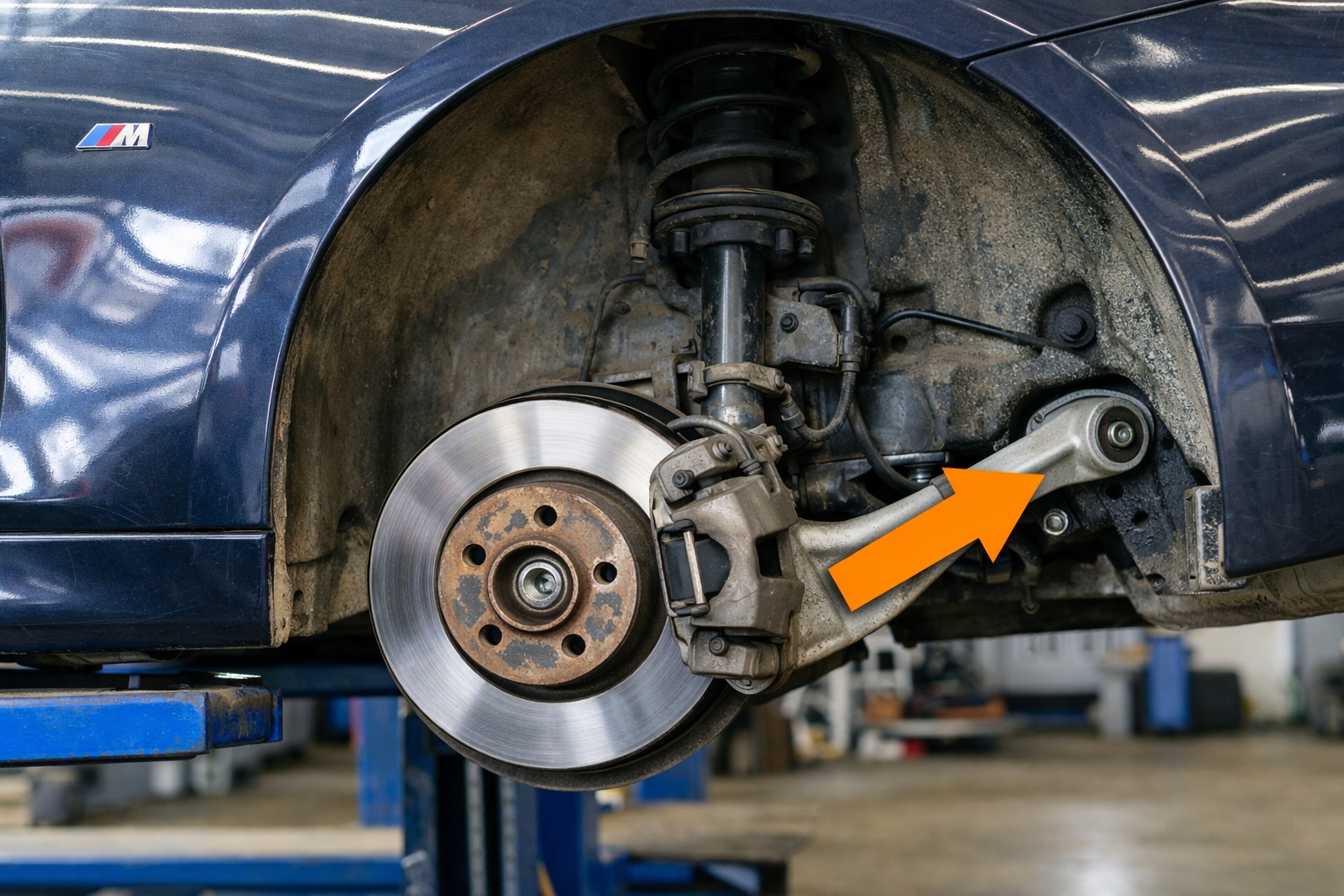
So, what exactly is a suspension arm? In layman's terms, it's an important component of your car's suspension system - the portion that maintains your ride smooth while cruising about Halifax or navigating the mountainous Yorkshire roads. Consider it a strong arm that binds your car's wheels to the frame. What is its role? To hold your wheels securely on the ground, providing a more comfortable ride and greater control. Consider it a reliable companion, holding your automobile steady as you navigate the potholes and speed bumps that we're all too familiar with.

Why should you be concerned about these suspension arms? Simple: comfort and security. You hardly notice them when they're in good condition. Your automobile avoids potholes and keeps your tea in its cup. But when they start to wear out, boy, will you feel it. The ride becomes harder, the car may pull to one side, and you may hear some strange clunks and groans. It's like driving a shaky old trolley with a crooked wheel - not ideal for a quick trip to the corner store.

Here's the thing: our Yorkshire roads can be difficult to navigate. They hurl everything at your automobile, including tight corners, steep hills, and potholes that will make your head spin. That is why it is critical to maintain your suspension arms in check. It's not only about a smooth ride; it's about keeping your automobile in good shape so you can stay safe on those winding roads.

Suspension arm problems are common at Pellon Autocentre in Halifax. It's a typical problem, especially with the regular wear and tear of driving. But don't worry, it's generally a simple repair. A quick trip to your local garage can fix it, and you'll be back on the road in no time.

To summarise, suspension arms may not be the most visually appealing portion of your vehicle, but they are vital. They keep your ride smooth and your handling crisp, and they help keep you safe on the road. Give them some love and care, especially if your travel is causing you more stress than delight. Remember that your local garage, such as Pellon Autocentre, is always there to assist you in keeping your engine operating smoothly.

Stay safe on the roads, and here's to safe driving in the future!

Wheel Alignment-Toeing Out

The “toe” in or out. Accordingly

It determines the way that the tyres will operate. As a result,  in relation to the centre line of the vehicle,. When the toe is not straight and is pointing in or out, it determines the way your tyre will wear. For example, if your wheels were “toeing out,” then your tyres would wear on the inside; if they were “toeing in, ”then your tyres would wear on the outside. As the car drives along the road, a rear wheel-drive car pushes the front tyres, and the fact that the toe is out causes resistance in the rearward movement of the suspension arms against the bearings.

Getting to Know Suspension Arms

The Unsung Heroes of Car Comfort

Okay, gentlemen, let’s get into some vehicle nitty-gritty today: suspension arms. Don’t worry, I’m not going to bore you with technical terminology. Instead, let’s talk about what these components do and why they’re necessary, particularly on our lovely but occasionally bumpy British roads.

So, what exactly is a suspension arm?

In layman’s terms, it’s an important component of your car’s suspension system—the portion that keeps your ride smooth while cruising around Halifax or navigating the mountainous Yorkshire roads. Consider it a strong arm that binds your car’s wheels to the frame. What is its role? To hold your wheels securely on the ground, providing a more comfortable ride and greater control. Consider it a reliable companion, holding your automobile steady as you navigate the potholes and speed bumps that we’re all too familiar with.

Wheel Alignment-Toeing Out

Why should you be concerned about these suspension arms?

Simple: comfort and security. You hardly notice them when they’re in good condition. Your automobile avoids potholes and keeps your tea in its cup. But when they start to wear out, boy, will you feel it? The ride becomes harder, the car may pull to one side, and you may hear some strange clunks and groans. It’s like driving a shaky old trolley with a crooked wheel—not ideal for a quick trip to the corner store.

Here’s the thing: our Yorkshire roads can be difficult to navigate.

They hurl everything at your automobile, including tight corners, steep hills, and potholes that will make your head spin. That is why it is critical to keep your suspension arms in check. It’s not only about a smooth ride; it’s about keeping your automobile in good shape so you can stay safe on those winding roads.

Suspension arm problems are common at Pellon Autocentre in Halifax. It’s a typical problem, especially with the regular wear and tear of driving. But don’t worry; it’s generally a simple repair. A quick trip to your local garage can fix it, and you’ll be back on the road in no time.

To summarise

Suspension arms may not be the most visually appealing portion of your vehicle, but they are vital. They keep your ride smooth and your handling crisp, and they help keep you safe on the road. Give them some love and care, especially if your travel is causing you more stress than delight. Remember that your local garage, such as Pellon Autocentre, is always there to assist you in keeping your engine operating smoothly.

Stay safe on the roads, and here’s to safe driving in the future!

Front-wheel-drive cars pull the vehicle along- Wheel Alignment-Toeing Out

resulting in a forward movement of the suspension arm against the bearings; for rear wheel drive cars, a positive toe is used to correct the suspension movement; and for front wheel drive cars, a negative toe is used.

Wheel Alignment-Toeing Out can  alter the vehicle’s handling; increasing the toe-in will reduce oversteer and adjusting the cars Wheel Alignment-Toeing Out will reduce understeer; by doing this, it will cause adverse tyre wear, although the vehicle will have better steering and handling. It is always preferable to adjust the settings in accordance with the car manufacturer’s manual.

Wheel Alignment-Toeing Out– Wheel Alignment-Toeing Out

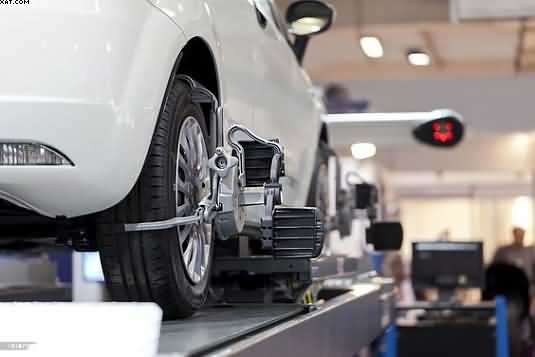
Before you adjust the toe outside of the manufacturer’s ” recommended specs” to give the vehicle better handling, beware that the toe settings affect the tyre wear. The toe out on our wheel alignment machine is measured on the turn plates.

The wheel alignment machines take the readings, which a laser beam reflects onto the display screen and measures. Our wheel alignment machine will give a reading for the inside and outside wheels; this reading is in degrees. When the wheels are straight ahead, the readings should be at zero. toe out in, toein and toeout,

The steering wheel should be in a straight position and locked into place before the wheel alignment adjustment is made.

The angle of the power steering registers toe-out angles, allowing the inside wheel to turn at a sharper angle than the outside wheel. Steering arms are part of the steering knuckle or the ball joints and are not adjustable. Problems with the toe are often due to a damaged steering arm and must be replaced. Of course, being out of alignment means that you will have premature tyre wear!