Car Servicing Advice: For New Drivers.
Table of Contents
Car Servicing Advice
Car Servicing Advice
The Importance of Annual Car Servicing: Keeping Your Vehicle in Top Condition
When it comes to automotive maintenance, frequent servicing is more than just a recommendation; it’s an essential component of guaranteeing your vehicle’s durability, safety, and performance.
The Importance of New and Young Drivers Learning About Car Servicing
For many new and young drivers, passing the driving test and getting that first car is a moment of freedom and independence. But with that freedom comes responsibility – and I’m not just talking about safe driving. One of the often-overlooked aspects of owning a car is understanding the importance of regular car servicing. This is especially crucial for young drivers who may not yet be familiar with what’s involved in keeping a vehicle running smoothly.
In this article, we’ll explore why it’s essential for young drivers to get clued up about car servicing and how this knowledge can save them time, money, and even avoid potential hazards on the road.
What Is Car Servicing, and Why Does It Matter? Car Servicing Advice
Car servicing is essentially a health check for your vehicle. While an MOT checks your car’s roadworthiness once a year, a service goes deeper, assessing the condition of key components and ensuring everything is running as it should. During a service, mechanics typically check and replace essential items like engine oil, filters, and brake fluids, as well as inspect other critical parts such as brakes, suspension, and tyres.
Here’s why regular servicing is so vital, especially for new drivers:
- Safety: For inexperienced drivers, the idea that a car could suddenly fail on the road might not even cross their minds. However, components like brakes, tyres, and suspension systems wear down over time. Regular servicing ensures that any potential issues are spotted early before they become serious safety hazards.
- Reliability: Breaking down on a motorway or in the middle of nowhere is stressful for any driver, but for a young, less experienced driver, it can be particularly daunting. Regular services significantly reduce the risk of unexpected breakdowns by keeping the vehicle in optimal condition.
- Long-Term Cost Savings: Skipping regular services might seem like an easy way to save money – after all, it’s just an extra expense, right? Wrong. Small problems, if left unchecked, can turn into big (and costly) repairs. Regular servicing can catch minor issues early, often before they turn into expensive repairs. For example, replacing worn brake pads is far cheaper than fixing damage caused by neglected brakes.
- Fuel Efficiency: A car that’s regularly serviced runs more efficiently, which means better fuel economy. For a young driver, this can be a real benefit as it helps stretch those pennies further at the pump. A poorly maintained car can guzzle more fuel, which hits your wallet and the environment.
- Preserving Vehicle Value: For many young drivers, that first car isn’t the dream motor but something that’s affordable and reliable. However, when it comes time to upgrade, a car with a good service history is worth more. Regular servicing not only keeps the car running well but also helps maintain its resale value.
- Key Aspects of Servicing New Drivers Should Understand -Car Servicing Advice
For many young drivers, the terminology and processes involved in a car service can be confusing. Here’s a breakdown of what new drivers need to know:

- Basic Service vs. Full Service: A basic service usually includes an oil and filter change and a visual inspection of key parts. A full service goes deeper, covering more components and sometimes replacing items like air filters and brake fluid. Knowing the difference helps you understand what your car needs and when.
- Service Intervals: Understanding when your car needs a service is key. Most cars require servicing either annually or every 10,000-12,000 miles. However, this varies depending on the make and model, so it’s worth checking the owner’s manual.
- Warning Signs: While you might wait for your next scheduled service, some things shouldn’t be ignored. New drivers should learn to recognise early signs that something’s wrong, like unusual noises, warning lights, or strange handling. Spotting these can prevent bigger issues down the line.
Developing Good Habits Early On
Key Aspects of Servicing New Drivers Should Understand
For many young drivers, the terminology and processes involved in a car service can be confusing. Here is a simple breakdown of the main things every new driver should understand.
Engine Oil and Oil Filters
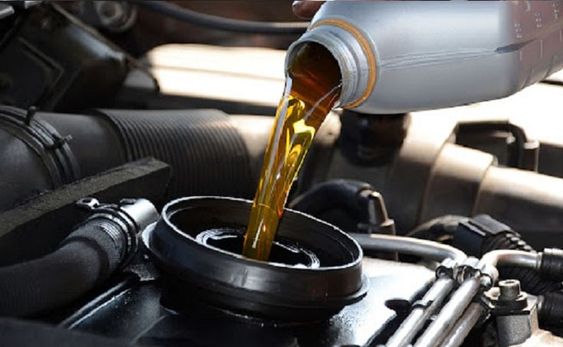
Engine oil is vital because it lubricates the moving parts inside the engine. Over time, the oil becomes dirty and gradually loses its ability to protect the engine properly. Allowing the oil level to become too low—or leaving old oil in the engine for too long—can cause serious and expensive damage.
The oil filter also needs replacing because it collects dirt and other unwanted particles circulating through the engine. Fresh oil and a new filter are among the most important parts of a regular service.
Young drivers should also learn how to check their oil level using the dipstick, where one is fitted. It only takes a few minutes and could prevent an engine repair costing thousands of pounds.
Tyres Need More Than a Quick Glance
Tyres are the only part of the car in contact with the road, so their condition is extremely important. Drivers should regularly inspect the tread and look for cracks, bulges, cuts or anything embedded in the rubber.
Tyre pressures should also be checked when the tyres are cold. The correct pressures can normally be found in the handbook, inside the fuel flap or on a label around the driver’s door.
Incorrect tyre pressures can affect braking, steering, fuel consumption and tyre wear. Here in Halifax and Calderdale, with our steep hills, sharp bends and regularly wet roads, good tyres are especially important.
A service gives the garage an opportunity to inspect all four tyres properly. However, drivers should not wait until the next service if they suspect that something is wrong.
Brakes and Unusual Noises
Brakes naturally wear as the car is driven. Brake pads, discs and other components must be inspected periodically to ensure that the vehicle can stop safely.
A grinding or scraping noise may indicate badly worn brake pads. A squealing sound, vibration through the pedal or the car pulling to one side under braking should never be ignored.
Young drivers sometimes turn the radio up and hope that an unfamiliar noise will disappear. Unfortunately, cars rarely repair themselves! Having a small problem checked promptly can prevent it from becoming a much larger and more expensive repair.
Warning Lights Are There for a Reason
Modern cars have numerous dashboard warning lights. Some simply provide information, while others indicate a fault that requires attention.
Every new driver should become familiar with the lights shown in their vehicle handbook. A red warning light often means that the car should be stopped safely and investigated immediately. An amber light generally means that something needs checking as soon as reasonably possible.
If you do not understand a warning light, ask a trusted garage for advice. Continuing to drive and hoping for the best could lead to further damage—or place the driver and other road users at risk.
Fluids and Coolant Checks
A car relies on several different fluids, including engine oil, coolant, brake fluid and screen wash. These all perform important jobs.
Coolant helps prevent the engine from overheating and protects it during cold weather. Screen wash may sound less important, but being unable to clear a dirty windscreen can quickly become dangerous.
Drivers should never remove the coolant cap while the engine is hot, as the system can be pressurised and release scalding liquid. If you are unsure about checking or topping up fluids, ask a garage to show you the correct procedure.
A Service Is Different From an MOT
This is one of the most common misunderstandings among drivers of all ages. An MOT is an annual inspection of whether a vehicle meets certain safety and environmental requirements at the time of the test.
It is not the same as servicing the car.
A vehicle can pass its MOT but still have old engine oil, dirty filters or components that will require maintenance before the next MOT. Similarly, having the car serviced does not replace the requirement for an MOT when one is due.
The service maintains the vehicle, while the MOT checks it against the required testing standards. In most cases, a responsible owner needs both.
How Often Should a Car Be Serviced?
The correct service schedule depends on the make, model, engine and mileage. Some cars require servicing every year, while others use mileage-based or variable service intervals.
The owner’s handbook, digital service record or dashboard display should provide the correct information. A local garage can also check the recommended schedule.
Drivers covering many miles—including regular motorway journeys—may reach the mileage interval before a full year has passed. Equally, a car that travels only short distances still needs maintenance because oil, fluids, rubber components and brakes can deteriorate with time.
Keep Your Service History Safe
Service records provide evidence that the car has been maintained. Older vehicles may have a stamped service book, while newer cars often have an electronic record.
Invoices and receipts should also be kept together. They can help identify what work has already been completed and what may be required in the future.
A well-maintained service history can make a car more attractive to buyers when it is eventually sold. It demonstrates that the owner has taken reasonable care of the vehicle rather than simply driving it until something went wrong.
Learning a Few Basic Checks
Nobody expects every young driver to become a trained mechanic. However, all drivers should be able to carry out several basic checks, including:
- Checking the engine oil level
- Checking tyre pressures
- Looking at the tyre tread and sidewalls
- Topping up the screen wash
- Recognising important dashboard warning lights
- Checking that the exterior lights are working
- Noticing new noises, smells or changes in the way the car drives
Parents and experienced drivers can help by showing younger motorists these simple tasks. A few minutes spent learning could prevent a breakdown or accident later.
Choosing a Garage You Can Trust
For a young driver, finding a trustworthy local garage is just as important as understanding the car itself. A good garage should explain what work is required, provide a clear price and seek permission before carrying out additional repairs.
At Pellon Tyre & Autocentre in Halifax, we have always believed in showing customers what is wrong and explaining the available options in straightforward language. We never do a job unless it needs doing.
Young drivers should feel comfortable asking questions. There is nothing silly about wanting to know what a component does, why it has failed or how urgently it needs replacing. Understanding the answer helps the customer make an informed decision and gradually learn more about their vehicle.
Don’t Wait Until Something Goes Wrong
One of the biggest mistakes any driver can make is waiting for the car to break down before visiting a garage. Regular maintenance is about preventing problems rather than reacting after the damage has occurred.
It can be tempting for a young person—especially with the cost of insurance, fuel and finance—to delay a service. However, ignoring maintenance rarely saves money over the longer term.
A neglected car can become unreliable, inefficient and unsafe. A properly maintained vehicle should be more dependable and pleasant to drive, whether it is travelling around Halifax, climbing the hills towards Queensbury or heading farther afield across our beloved Yorkshire.
Final Thoughts on Car Servicing Advice for Young Drivers
Passing the driving test is only the beginning of learning to become a responsible motorist. Understanding basic car maintenance is an important part of that continuing education.
Regular servicing helps protect the driver, passengers, vehicle and other road users. It can also improve reliability, reduce the possibility of expensive repairs and help preserve the car’s value.
You do not need to understand every component under the bonnet. The important thing is to recognise when the car needs attention, follow its service schedule and find a garage that will offer honest advice.
For young and newly qualified drivers around Halifax and Calderdale, the team at Pellon Tyre & Autocentre will always be happy to explain what your car requires. Looking after that first car properly is one of the best ways to enjoy the freedom it provides for many years to come.
For many young drivers, car maintenance might seem like something only parents or mechanics worry about. However, developing good habits early on can make a world of difference. Here are a few tips for new drivers:
- Learn the Basics: Every young driver should have a basic understanding of car maintenance. Knowing how to check oil levels, tyre pressure, and fluid levels are essential skills that can prevent bigger problems. It doesn’t take much time, but it can save you from a breakdown or costly repairs.
- Get to Know Your Car: Each car is different. Spend a little time reading your car’s manual to understand its specific service needs, recommended tyre pressures, and other essentials. It might not be thrilling reading, but it’s important.
- Budget for Servicing: A car isn’t just about fuel and insurance – regular servicing is a core part of owning a vehicle. It’s wise for young drivers to factor this into their budgeting. Setting aside money each month for routine maintenance can help avoid the shock of an unexpected bill.
- Find a Trustworthy Garage: It’s important to find a reliable and honest garage that you trust with your car. Recommendations from friends, family, or online reviews are a good place to start. Once you find a garage that treats you well and does quality work, stick with them.
A Lifelong Skill- Car Servicing Advice
Understanding car servicing isn’t just about keeping that first car in good shape – it’s a lifelong skill. Whether you’re driving your first affordable hatchback or your dream car in the future, knowing how to look after your vehicle will save you money, keep you safe, and give you peace of mind.
Encouraging new and young drivers to take car servicing seriously helps set them up for a lifetime of safer and more economical driving. Plus, it’s one less thing for parents to worry about!
In conclusion, while it might not be the most exciting aspect of driving, learning about car servicing is vital for new and young drivers. It’s about more than just ticking a box; it’s about safety, reliability, and making your motoring experience smoother and more enjoyable. So, if you’re a young driver or know someone who is, take a bit of time to learn the basics; your car (and your wallet) will thank you in the long run.
Many automobile owners may wonder- Car Servicing Advice
why they need to have their car serviced once a year, especially if it appears to be in good working order. However, the significance of this annual checkup cannot be overemphasised. At Pellon Tyres Halifax UK, we recognise the need for regular auto care and are committed to assisting our customers in keeping their vehicles in the best possible condition. This post will answer the ten most frequently asked questions about annual car servicing and why it is so vital for all car owners.
1. Why is it necessary to service your car on a yearly basis?
A: Annual car servicing is essential for keeping your vehicle safe, reliable, and efficient. It helps spot any problems before they become serious, ensuring that your vehicle operates smoothly and safely.
2. Will frequent servicing help my car’s fuel efficiency?
A: Regular servicing can increase fuel efficiency. A well-maintained vehicle operates more effectively, lowering fuel consumption and saving you money on petrol or diesel.
3. Will annual service extend the life of my car?
A: Absolutely. Regular maintenance keeps your vehicle in top shape, perhaps prolonging its life by preventing wear and tear from escalating into significant mechanical breakdowns.
4. How does annual servicing affect the resale value of a car?
A: Vehicles with a complete service history usually have a better resale value. Regular servicing shows potential purchasers that the vehicle has been well-maintained, making it a more appealing acquisition.
5. What are the consequences of neglecting annual car maintenance?
A: Skipping services can cause increased wear and tear, unexpected breakdowns, and even safety hazards. It may also void your warranty, resulting in more costly future repairs. Car Servicing Advice
6. Can regular maintenance avoid breakdowns?
A: Regular servicing can considerably reduce the likelihood of breakdowns. Mechanics can detect and repair minor flaws during a service before they escalate into major problems that could cause a breakdown.
7. What does an average annual service include?
A: Normal annual service comprises engine oil changes, filter replacements, and inspections of brakes, tyres, lights, and fluid levels, among other things. It varies depending on the brand and type of your car.
8. Is annual servicing a legal requirement?
A: While annual servicing, like a MOT, is not required by law, it is strongly advised for reasons of safety, efficiency, and vehicle lifetime. Car Servicing Advice
9. Can I service my car more than once each year?
A: Yes, especially if you have a high annual mileage or an older vehicle. Some manufacturers recommend getting a service every six months or after a particular number of miles, whichever comes first.


Leave a Reply
Want to join the discussion?Feel free to contribute!