Brake Pedal Creep
Table of Contents
Brake Pedal Creep
Brake Pedal Creep
A recent customer inquiry came up with an old problem. As a result, she had been sitting in her car on a cold day in Bridlington. Of course, on the east coast of Yorkshire. The lady’s name was Joan. Joan and her husband had decided to go on a day trip to the seaside.
Unfortunately for them, the weather turned out to be very cold and wet. Consequently, she decided to have some fish and chips and keep the engine running to keep warm. For some strange reason, she rested her foot on the brake pedal.
Indeed, for some reason, the pedal had slowly crept to a stop near the end of its play.
This startled Joan? However, the rain stopped, and the day brightened up. The engine was switched off, and the pedal became hard again.
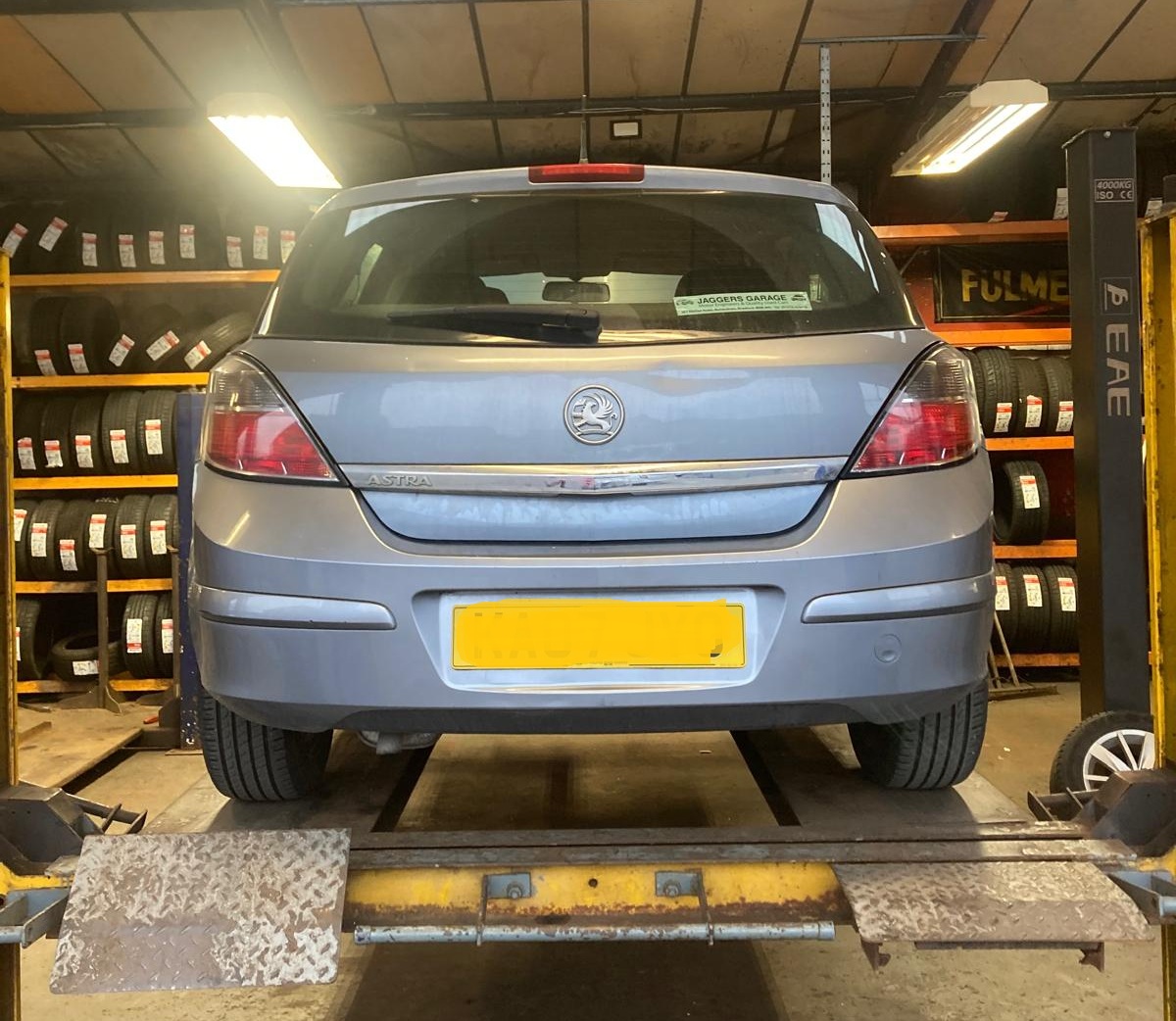
At the end of the day, the couple returned home. As a result of the peddle experience, she gave us a call. Consequently, we checked the Vauxhall car records.
Hence, the brakes had some work carried out on them about two months previously.
Therefore, to alleviate her concerns, we booked the car in for another brake check.
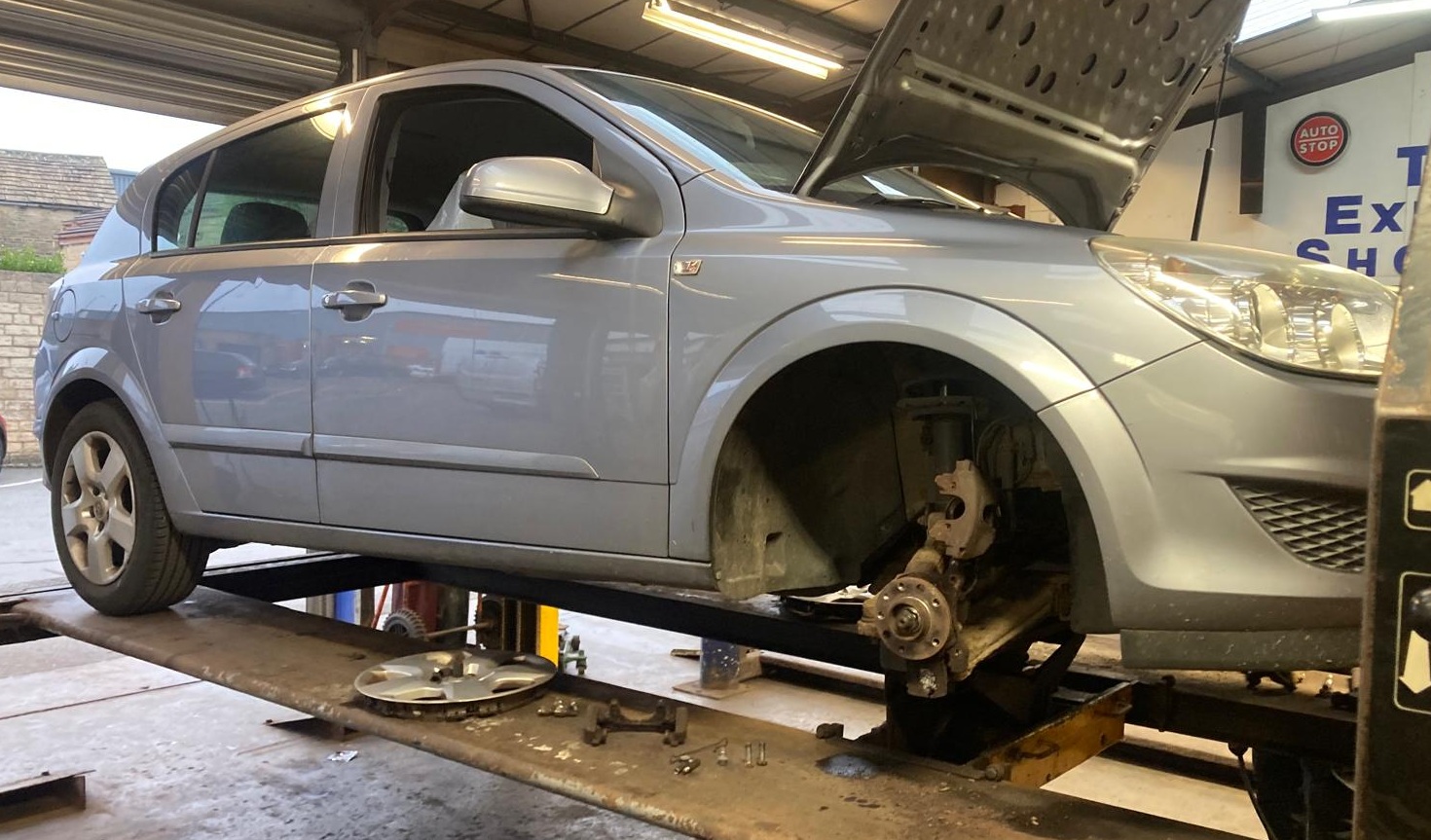
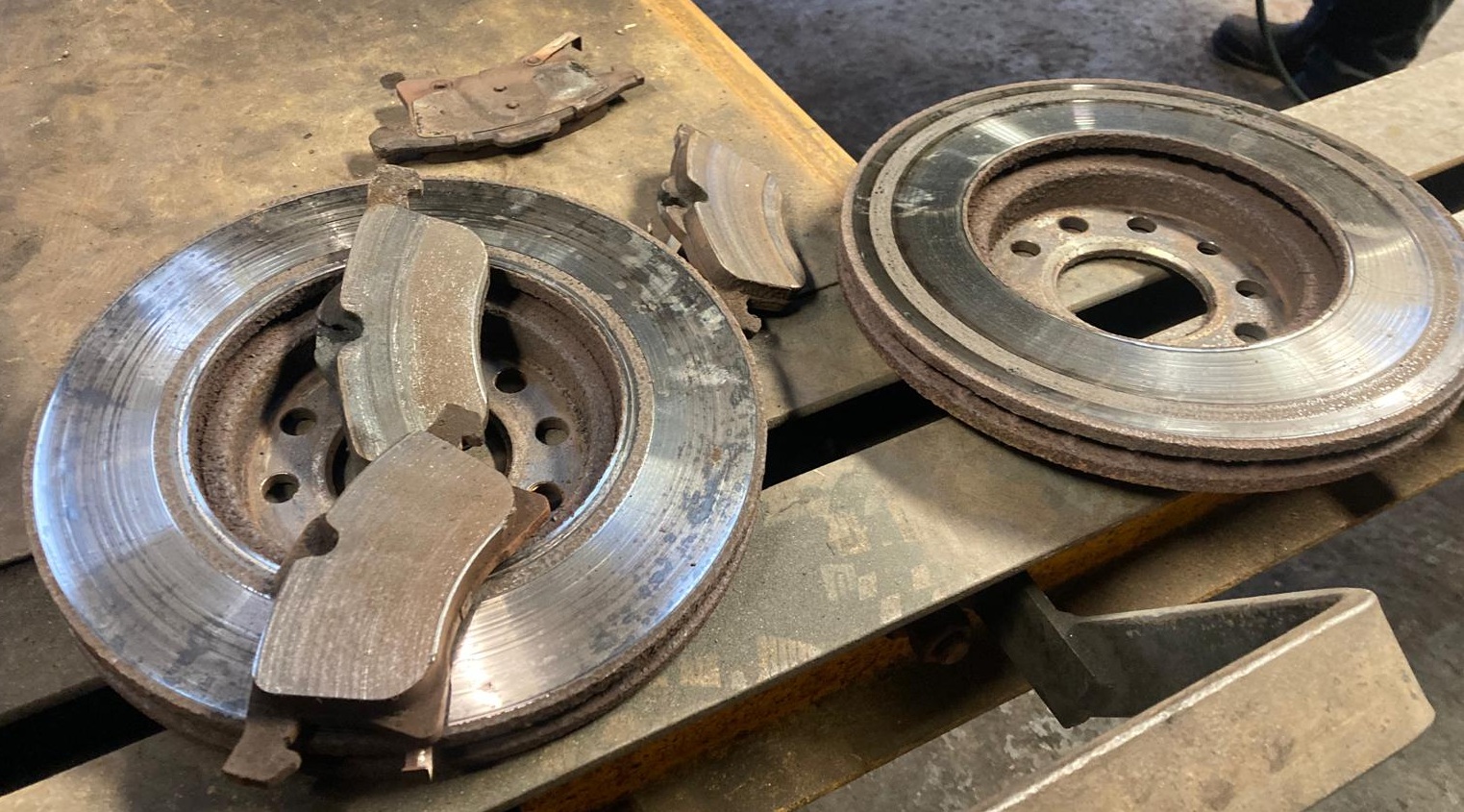
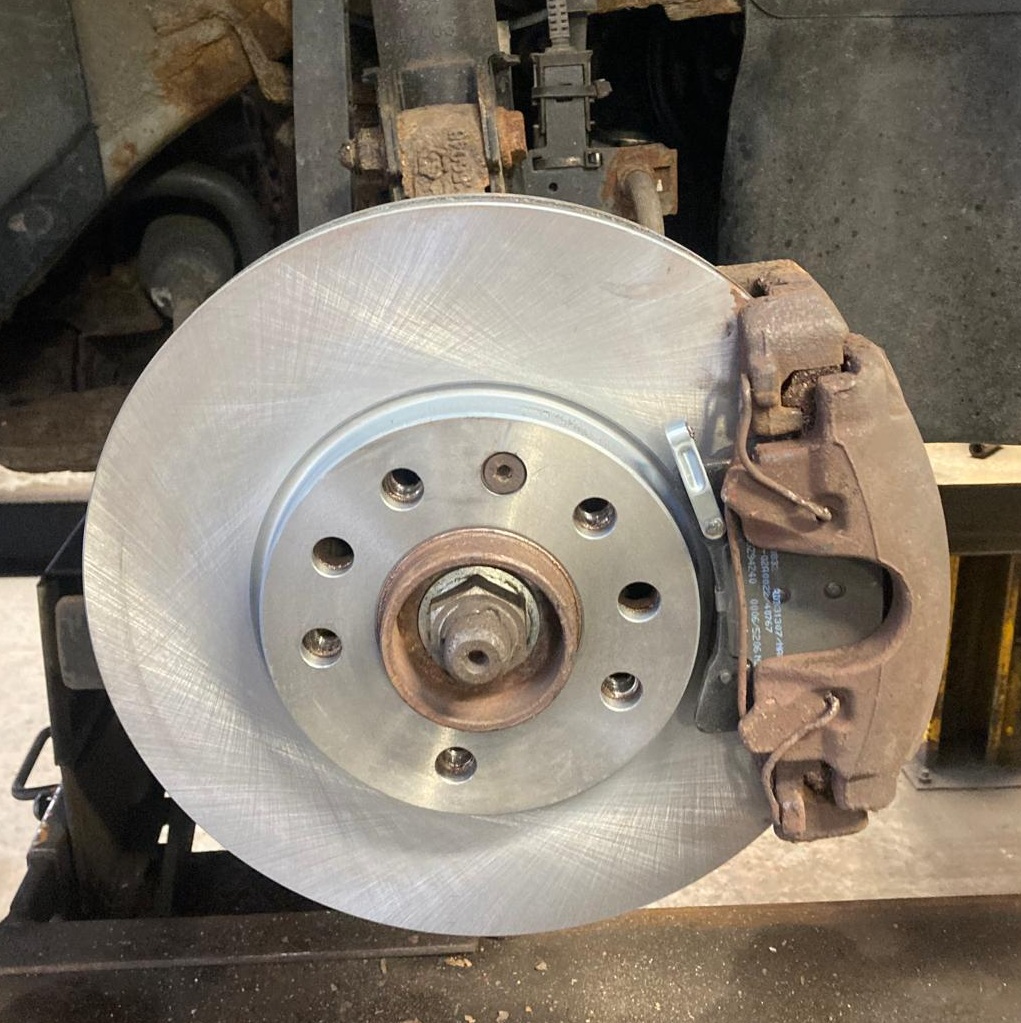
Although we last carried out any brake work for two months,. Then we decided to check them out? On account of that, we did fit a new set of pads on the brake service.
Sometimes, when you replace new pads. Hence, it is possible to forget to open the brake bleed nipple. Thus, when you push back the piston to remove the old pads,. Because the bleed nipple is closed, the fluid is pushed back into the brake master cylinder. As a result of this, the fluid can reverse the seals in the master cylinder.
Brake Pedal Creep – What Causes It and Should You Worry?
Every now and again in the garage we come across a problem that isn’t a fault exactly, but something that still worries drivers. One of these is something called brake pedal creep.
This happened recently when one of our customers, Joan, called in because she felt that the brake pedal slowly sank down when she held her foot on it, especially when the car was idling in traffic.
Naturally, this can feel alarming if you have never experienced it before. Your first thought might be that the brakes are failing or that there is a leak somewhere in the system.
However, as with many things in the motor trade, the answer is not always as straightforward as it first appears.
Checking the Obvious First: Brake Pedal Creep
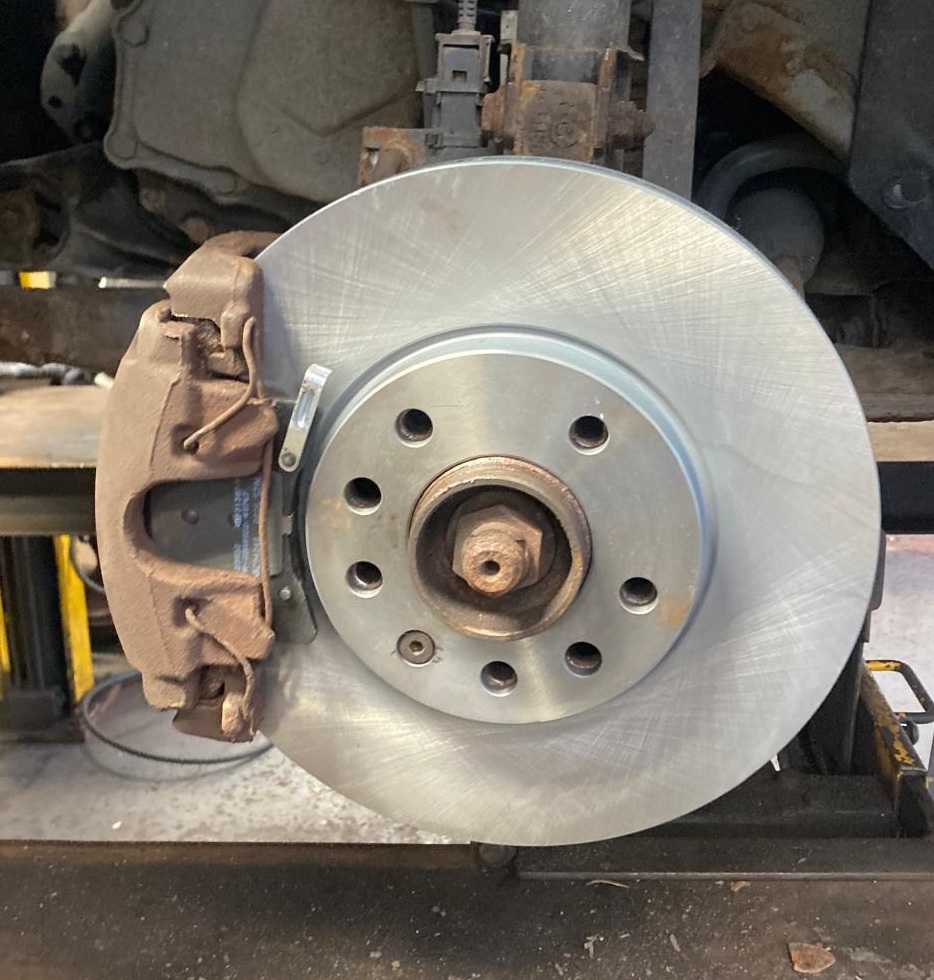
When Joan arrived at the garage, the first thing we did was carry out a full visual inspection of the braking system.
This included checking:
- Brake pads and discs
- Brake fluid level
- Brake pipes and flexible hoses
- Calipers and wheel cylinders
- Signs of fluid leaks
Everything appeared to be in good order.
The brake pads had been fitted correctly and were wearing evenly. There were no leaks in the system, and the brake fluid level was exactly where it should be.
Normally, if a brake pedal slowly sinks to the floor when held down, it can indicate a faulty master cylinder, where the internal seals are allowing fluid to bypass internally.
But Joan’s car showed no signs of this problem.
Because of this, I decided to dig a little deeper into the issue.
A Problem Seen on Some Vauxhall Cars
While researching the problem, I discovered that brake pedal creep had been reported on certain Vauxhall models.
There had even been discussions linking the issue to the way the ABS braking system interacts with the brake servo and master cylinder.
In many cases, it turned out that the braking system itself was still working perfectly. The pedal movement was simply a characteristic of the braking system design rather than a fault.
The Effect of Modern Diesel Engines: Brake Pedal Creep
Another factor that has been mentioned over the years is the development of modern diesel vehicles.
Diesel cars have become:
- Larger
- Heavier
- More powerful
Because of this, vehicle manufacturers have had to design stronger and more efficient braking systems.
To stop these heavier vehicles safely, several changes have been introduced:
- Larger brake discs
- Bigger brake calipers
- Larger piston sizes
- Bigger bore master cylinders
These improvements increase the amount of braking force available but also change the hydraulic characteristics of the system.
A larger master cylinder moves more brake fluid but sometimes produces slightly less pressure for a given pedal movement.
This is one reason why the brake pedal can feel slightly different on modern vehicles compared with older cars.
Twin Diaphragm Brake Servos
One thing I discovered that I hadn’t realised before was the increasing use of twin diaphragm brake boosters, also known as brake servos.
The brake servo uses engine vacuum to reduce the effort required to press the brake pedal.
With a twin diaphragm design, the servo provides more assistance to the driver, meaning the brakes feel sharper and easier to apply.
Manufacturers use this design to help stop heavier cars without the driver needing to press the pedal too hard.
However, the downside is that the extra servo assistance can sometimes allow the pedal to move slightly further under constant pressure, which drivers then notice as brake pedal creep.
Why It Doesn’t Happen on Every Diesel Car: Brake Pedal Creep
One thing that puzzled me was why this issue does not affect all diesel vehicles.
If it did, there would surely be a huge outcry from drivers.
The reason is that braking systems vary from manufacturer to manufacturer.
Different cars use:
- Different master cylinder designs
- Different servo sizes
- Different ABS programming
- Different brake fluid pressures
So while some cars may show a slight pedal movement, others may not show it at all.
The Simple Test We Carried Out
To make sure Joan’s brakes were working correctly, we carried out a road test followed by a brake performance test on our MOT brake tester.
This machine measures the actual braking force produced at each wheel.
The results were perfect.
All four wheels produced excellent braking force, and the wheels locked when they should, showing that the braking system was working exactly as designed.
This confirmed that there was no fault in the braking system.
A Quick Check You Can Do Yourself: Brake Pedal Creep
If you ever notice brake pedal creep in your own car, there is a simple check you can try.
With the engine switched off, pump the brake pedal several times until it becomes hard.
This removes the vacuum stored in the brake servo.
If the pedal then remains firm and does not sink, it suggests the master cylinder is likely fine and the issue may simply be related to servo assistance or vacuum operation.
Of course, if you are ever unsure, it is always best to have the braking system checked by a professional garage.
Brakes are one thing you should never take chances with.
Modern Brakes Are More Complex Than Ever
Modern braking systems are far more complicated than those fitted to cars years ago.
Today’s vehicles may include:
- ABS (Anti-lock Braking System)
- Electronic brake force distribution
- Stability control systems
- Emergency braking assist
All these systems work together to improve safety and stopping performance, but they can sometimes create small differences in pedal feel that drivers notice.
Brake pedal creep is often one of these characteristics rather than a fault.
Joan Was Reassured
After explaining everything to Joan and showing her the brake tester results, she was greatly relieved.
Her brakes were working perfectly, and the car was completely safe to drive.
Situations like this show the importance of having a proper inspection carried out by an experienced garage, rather than worrying about something that may turn out to be normal.
It is always better to check and be safe.
Final Thoughts
Brake pedal creep can feel worrying if you notice it for the first time.
But in many cases, particularly with some modern diesel cars, it can simply be a result of the design of the braking system rather than a fault.
The key thing is to have the system checked properly so you know everything is working as it should.
At the end of the day, your brakes are the most important safety system on your vehicle, and peace of mind is worth a lot when you are out on the road.