Brakes Grinding Problem
Table of Contents
Brakes Grinding Problem
Brakes Grinding Problem
Brakes Grinding – Why You Should Never Ignore That Awful Noise
Every now and again, a car rolls into Pellon Tyre & Autocentre that genuinely makes you stop, stare, and wonder how on earth it was still moving. One unforgettable example was a Skoda that arrived with the driver casually saying, “My brakes feel a bit spongy.”
A bit spongy? When we whipped the wheels off, the front brake discs were completely shattered — broken into several pieces. It looked like someone had attacked them with a hammer. Honestly, I’ve been in the motor trade for decades, and this was one of the worst cases of brake neglect I’ve ever seen.
Believe me, letting your brakes reach that state isn’t just unwise — it’s downright dangerous. When brakes start grinding, they’re already crying out for help.
What Does Brake Grinding Actually Mean? Brakes Grinding Problem
If you’ve ever heard that horrible metal-on-metal scraping noise while slowing down, you’ll know exactly what I’m talking about. It’s like dragging a shovel across concrete — enough to set your teeth on edge.
But grinding brakes aren’t just embarrassing. They’re warning you that something is badly worn or broken.
Common Reasons Brakes Start Grinding
Here are the main culprits we see daily in Halifax, Huddersfield, Bradford and beyond:
1. Worn-Out Brake Pads
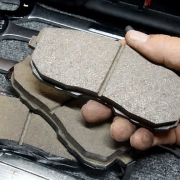
This is by far the most common reason. Brake pads naturally wear down over time. If they’re not checked regularly, the friction material disappears completely, leaving only the metal backing plate.
That metal then grinds directly onto your brake discs — which not only causes noise but also destroys the discs in no time.
2. Stones or Road Debris in the Caliper: Brakes Grinding Problem
Yorkshire’s roads aren’t the cleanest. One rogue stone flicked up from a pothole can lodge itself between the pad and disc, making an awful grinding or scraping sound.
3. Rust and Corrosion
With our damp weather and gritted winter roads, brake discs can corrode fairly quickly. Overnight moisture often creates surface rust, which can cause grinding until it wears away.
But if corrosion becomes severe, the disc surface becomes rough and uneven — and that’s when grinding turns into a permanent problem.
4. Damaged Brake Hardware
Springs, clips and slides can loosen or seize over time. When they fail, the pad doesn’t sit straight, and you get uneven wear and noise.
5. Faulty or Seized Callipers: Brakes Grinding Problem
If a calliper sticks, the pads can constantly rub on the disc — get too hot — and start grinding. Sometimes you’ll even smell burning.
How Grinding Brakes Affect Safety
Grinding isn’t just annoying; it seriously reduces your stopping power. You’ll experience:
- longer braking distances
- steering pull to one side
- overheating brakes
- risk of brake failure altogether
Not what you want when driving down the steep hills of Halifax or through tight bends in Hebden Bridge.
Ignoring grinding brakes is like ignoring chest pain — it won’t fix itself. It only gets worse.
Brake Grinding in Everyday UK Cars
We see it a lot on:
- Ford Fiesta & Focus
- Vauxhall Astra & Corsa
- Peugeot 207/208
- VW Golf & Polo
Particularly after winter, when potholes have had a good go at everything underneath.
Some cars still run rear drum brakes, too. A grinding noise from the back often means:
- worn brake shoes
- rust built up inside the drum
- broken springs or adjusters
All simple fixes — as long as you don’t leave them until the parts are destroyed.
How We Diagnose Brakes Grinding Problem at Pellon Tyres
One of our favourite tricks is the Co-op car park test.
We take the customer’s car around the wide open area by the store in Pellon with the window down. At low speed, every creak, scrape and grind becomes crystal clear.
From there we can quickly work out whether it’s:
Most brake problems are solved the same day, and drivers leave absolutely gobsmacked at how quiet their car suddenly is.
Prevention: Stop Grinding Before It Starts
A little bit of TLC goes a very long way. Here’s what we always recommend:
- Have your brakes checked at least once a year
- Get noises investigated early
- Avoid cheap, unbranded brake pads
- Make sure your brake fluid is changed every 2–3 years
- Keep an eye on dashboard warnings
It’s no different from checking the weather before heading to Blackpool—you avoid hassle by being prepared.
Final Thoughts – Don’t Ignore the Signs
If your brakes start grinding, don’t turn the radio up and pretend you didn’t hear it. It’s your car saying, “Help me!”
A quick inspection now could save you hundreds of pounds later — and more importantly, keep you and your family safe on our unpredictable Yorkshire roads.
And remember…
The only grinding noise you should hear on your travels is the coffee machine at your favourite café.
If your brakes are making odd noises, pop into Pellon Tyre & Autocentre, Halifax. We’ll sort you out and get you safely back on the road.
How Local Roads Make Brake Problems Worse
One thing many motorists don’t realise is just how much local driving conditions affect brake wear. Here in Halifax, with our steep hills, tight bends, and constant stop–start traffic, your brakes work twice as hard as they do in flatter parts of the UK.
Coming down the tops from Queensbury, Ripponden Bank, or even the hill into Sowerby Bridge puts enormous strain on discs and pads. If your brakes are already worn or low-quality, that extra heat buildup can finish them off pretty quickly.
It’s one of the reasons why we see so many grinding and screeching cases in our workshop — Yorkshire roads are stunning, but they’re brutal on braking systems!
Why Cheap Pads and Discs Can Cost More in the Long Run
Another point worth mentioning is the false economy of buying cheap no-name brake pads or discs. We’ve seen plenty over the years, and they often deteriorate far quicker than decent branded ones.
Some budget pads use hard, poor-quality materials that crumble or glaze under heat, which then causes even more grinding, vibration, and long stopping distances. When you compare that with a quality set fitted properly, the difference in safety — and lifespan — is massive.
Spending a little extra now can save you a fortune later, not to mention keeping you and your family safer on the road. At Pellon Tyres, we always recommend using trusted, well-made parts, because your brakes are the last thing you want to gamble with.