Electric Vehicle Tyres
Table of Contents
Electric Vehicle Tyres
Electric Vehicle Tyres
Tyres Designed for Electric Vehicles – Why They Are Different
Electric cars are becoming a much more common sight on British roads. Only a few years ago they were something of a novelty, but today vehicles such as the Nissan Leaf, Tesla models, and many electric versions of popular cars are appearing everywhere.
While most drivers focus on things like battery range and charging points, one important part of electric vehicle design often gets overlooked – the tyres.
In fact, tyres designed for electric vehicles are quite different from those fitted to traditional petrol or diesel cars. Over the past few years, tyre manufacturers have had to develop new technology to cope with the unique characteristics of electric vehicles.
Electric Cars Are Heavier
One of the biggest challenges with electric vehicles is weight.
The large battery packs needed to power the car can add several hundred kilograms to the vehicle. This means that many electric cars weigh significantly more than their petrol or diesel equivalents.
Because of this, the tyres fitted to electric vehicles need to be stronger and more durable. Manufacturers have developed reinforced tyre structures and stronger sidewalls to cope with the extra load.
Without these improvements, tyres could wear out much faster under the extra weight.
Instant Torque From Electric Motors: Electric Vehicle Tyres
Another characteristic of electric cars is the way they deliver power.
Unlike traditional engines that gradually build up power, electric motors produce instant torque the moment the driver presses the accelerator.
This gives electric vehicles their quick acceleration, which many drivers enjoy. However, it also puts extra stress on the tyres.
To handle this, EV tyres are designed with special tread compounds and stronger construction so they can cope with the sudden delivery of power without excessive wear.
Reducing Rolling Resistance
One of the biggest concerns for electric vehicle drivers is driving range.
Every bit of energy used by the car reduces the distance it can travel before needing to recharge. Tyres play a big role in this because they create something called rolling resistance.
Rolling resistance is the energy needed to keep the tyres turning as the car moves along the road.
Tyre manufacturers have spent years developing compounds and designs that reduce rolling resistance, allowing electric vehicles to travel further on a single charge.
These tyres help maximise battery efficiency while still maintaining good levels of grip and safety.
Quieter Tyres for Quieter Cars: Electric Vehicle Tyres
Another difference with electric vehicles is how quiet they are.
With no traditional engine noise, drivers often notice road and tyre noise much more than they would in a petrol or diesel car.
To reduce this, many EV tyres include special features designed to minimise road noise.
Some tyres even use foam inserts inside the tyre itself, which help absorb vibration and reduce noise levels inside the vehicle.
This helps keep the smooth and quiet driving experience that electric cars are known for.
Improved Grip and Safety: Electric Vehicle Tyres
Despite focusing on efficiency and noise reduction, safety is still the most important factor in tyre design.
Electric vehicle tyres are developed to provide excellent grip in both dry and wet conditions, especially as many EVs are capable of strong acceleration.
Advanced rubber compounds, modern tread patterns and stronger construction all work together to ensure that electric vehicles maintain good braking and handling performance.
Many of these tyre technologies have been developed over the past twenty years as tyre companies continue to improve safety for all vehicles.
Popular Tyre Manufacturers Developing EV Tyres
Most of the major tyre manufacturers now produce tyres specifically designed for electric vehicles.
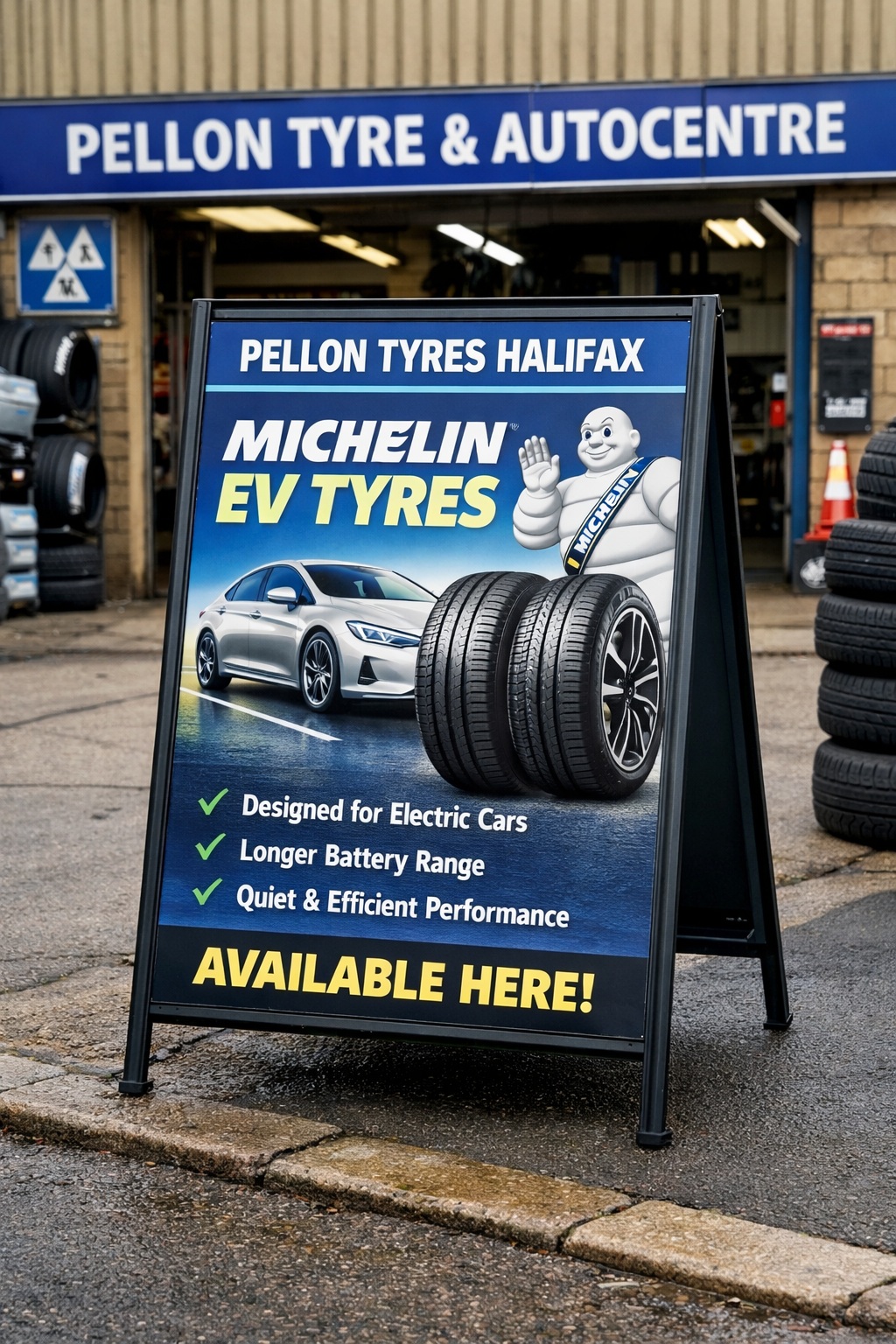
Companies such as Michelin, Bridgestone, Continental, Goodyear and Pirelli have invested heavily in research and development for EV tyre technology.
Many tyres are now marked with special EV ratings or symbols showing they have been designed to meet the demands of electric cars.
In many cases, these tyres can also be fitted to conventional vehicles, where they may offer improvements in efficiency and comfort.
Choosing the Right Tyres for Your Electric Car
If you own an electric vehicle, it’s important to choose tyres that are suitable for the vehicle’s weight and performance.
Fitting the correct tyres helps ensure:
- Good driving range
- Safe braking performance
- Reduced tyre wear
- Lower road noise
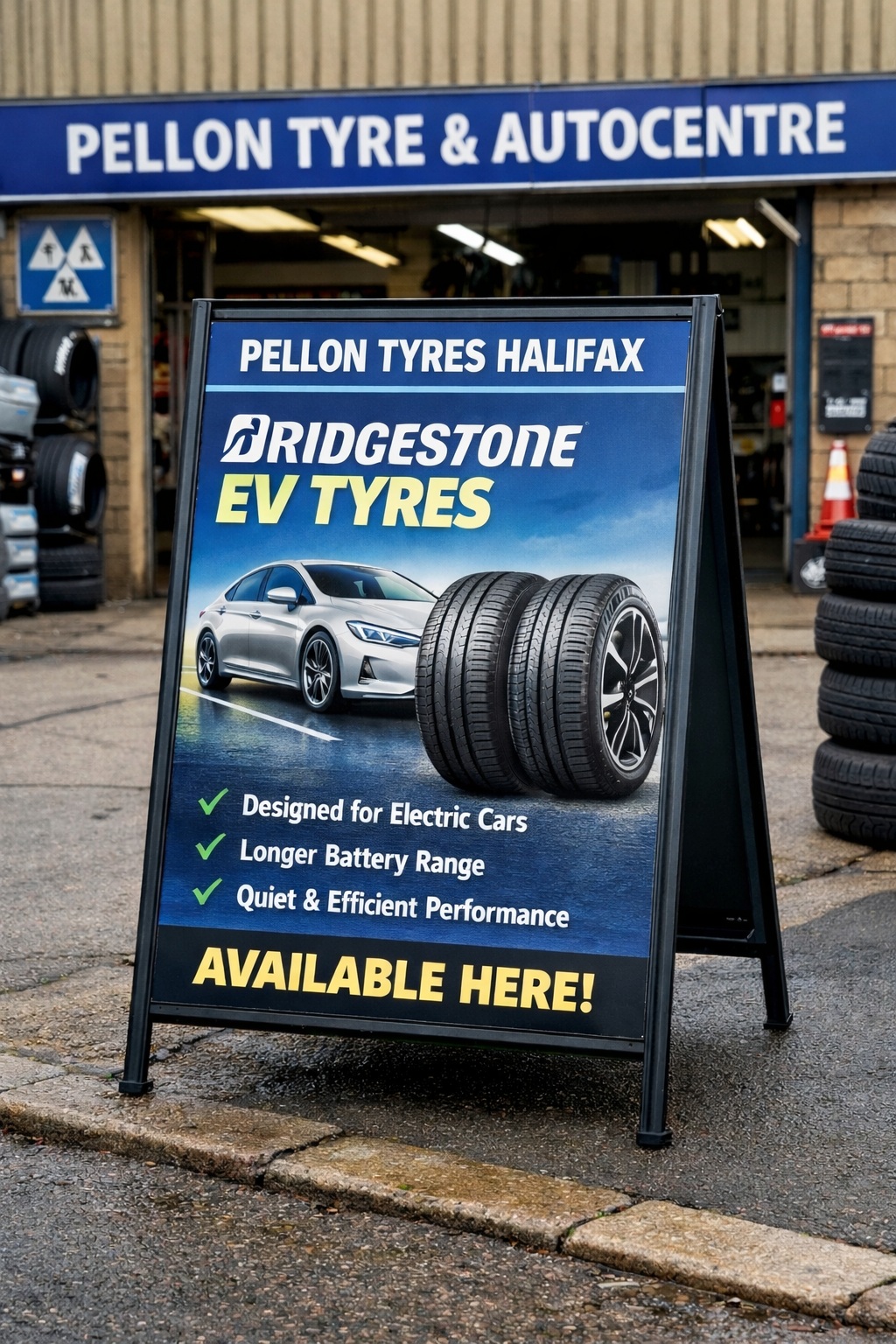
At Pellon Tyre and Autocentre, we are always happy to advise customers on the best tyres for their particular vehicle.
Whether you drive a traditional petrol car, a diesel, or one of the newer electric models, making sure your tyres are in good condition is one of the most important safety checks you can make.
After all, tyres are the only part of the car that actually touches the road.
The Future of Tyre Technology: Electric Vehicle Tyres
Electric vehicles are pushing tyre technology forward faster than ever before.
Manufacturers are already working on new developments such as:
- Smart tyres with built-in sensors
- Self-sealing tyres that repair small punctures
- Airless tyres that cannot go flat
As electric cars become more popular, we can expect tyres to continue evolving to meet the needs of modern vehicles.
One thing is certain – tyre technology will remain a vital part of keeping drivers safe, comfortable and efficient on the road.
Eric Roberts
Pellon Tyre and Autocentre
Halifax, West Yorkshire