Dazzling Headlight Problem
Table of Contents
Dazzling Headlight Problem
Dazzling Headlight Problem
Are Modern Car Headlights Too Bright? A Look Back – And Why Drivers Are Fed Up
Driving home through Calderdale on a dark winter evening used to feel simple enough. A pair of warm yellow headlights in the distance, maybe a bit of fog rolling down from the hills, and everyone just got on with it.
Fast-forward to today, and many motorists feel like they’re driving into a welding torch.
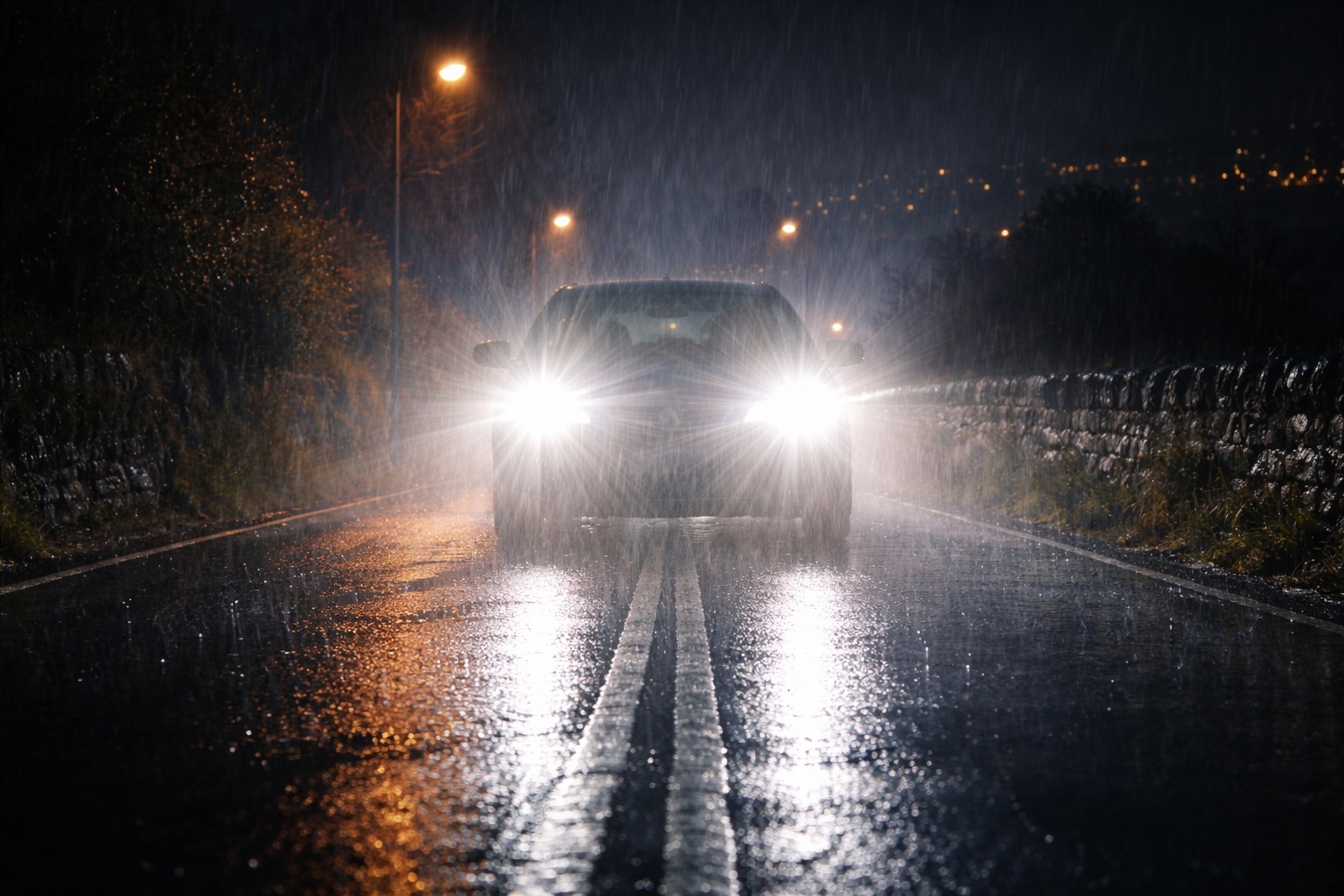
If you’ve ever squinted your way along the A629 or struggled on a rainy night around Halifax because an oncoming car seemed to blind you completely, you’re certainly not alone. In fact, the debate about modern headlights has become one of the biggest talking points among UK drivers.
So how did we get here—and have car manufacturers gone too far?
A Quick Look Back – From Gentle Glow to Laser Beam: Dazzling Headlight Problem
Older drivers will remember the soft yellow glow of halogen headlights. They weren’t perfect, but they were forgiving. The light spread out, and even if someone forgot to dip their beam, it rarely felt dangerous.
Then came the next generation:
- Xenon (HID) lights – brighter and whiter
- LED headlights – sharper, more efficient, and much more intense
- Adaptive and matrix systems – designed to improve visibility automatically
On paper, all this sounds like progress. Modern lights are meant to help drivers see further and react quicker.
And to be fair, they do improve visibility for the person behind the wheel. LED units fitted by manufacturers pass strict approval standards and are designed to balance brightness with safety.
But what helps one driver can dazzle another.
What Drivers Are Saying – And It’s Loud and Clear
Recent surveys show the frustration isn’t just grumbling down the pub — it’s widespread.
The RAC has reported that huge numbers of drivers feel headlights are becoming too bright, with many saying the problem is getting worse each year.
Some of the findings are pretty striking:
- Many drivers struggle to judge the distance and speed of oncoming cars at night.
- A large proportion say they feel nervous driving after dark.
- Some are even reducing night-time driving altogether.
That’s a serious change in confidence — especially for older motorists or those who already find night driving tiring.
And if you’ve ever wondered whether it’s just you, social media and driving forums are full of people saying exactly the same thing—many can’t even tell if oncoming cars are on full beam anymore.
Why Do Modern Lights Feel So Dazzling? Dazzling Headlight Problem
It isn’t always that they’re technically brighter — it’s how the light behaves.
Experts point to several factors:
1️⃣ Whiter Light
LED headlights produce a much whiter colour compared with older bulbs. Human eyes often find this harsher, especially in wet conditions.
2️⃣ Higher Vehicles
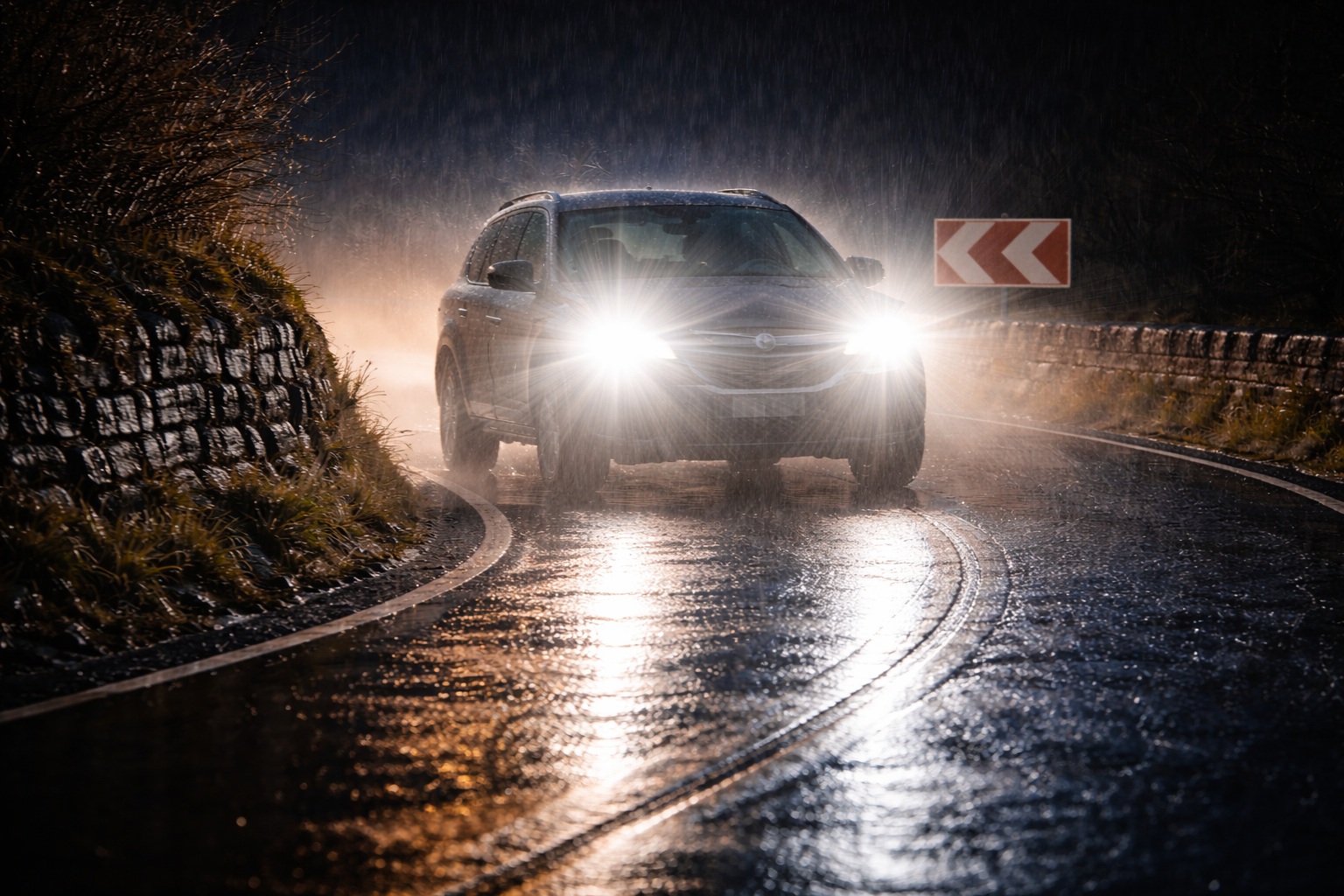
SUVs and crossovers are everywhere now. Their headlights sit higher, meaning the beam hits straight at eye level for drivers in smaller cars.
3️⃣ Poor Alignment
Even approved lights become a problem if they’re not aimed correctly — something garages see all the time during MOT tests.
4️⃣ Automatic Systems
Auto high-beam and adaptive systems don’t always dip quickly enough, which drivers regularly complain about.
What Are Motoring Organisations Saying? Dazzling Headlight Problem
The big UK motoring groups are taking it seriously.
The RAC has repeatedly raised concerns and pushed for more research, with surveys showing many drivers believe at least some headlights are too bright.
The AA has also reported members feeling “blinded” by modern lights.
The issue has become big enough that the UK government has commissioned independent research to understand what’s going on and how regulations might change in the future.
In fact, a large TRL study found the vast majority of drivers experience distraction from oncoming lights, with many saying glare is a genuine safety issue.
Could We Be Going Too Far? Dazzling Headlight Problem
Here’s where it gets interesting.
Car manufacturers argue that brighter lights improve safety because drivers can see further ahead.
And they’re not wrong — night-time accidents are more common partly because visibility is poorer.
But the flip side is that excessive glare may reduce visibility for everyone else.
That’s why the debate has shifted from “Are they legal?” to “Are they comfortable and safe in real-world driving?”
Even international regulators are looking at glare prevention and how future standards should work.
A Yorkshire Perspective – Calderdale Nights Tell the Story
Around Halifax, we know what proper dark roads look like.
Wet tarmac reflecting lights, narrow lanes climbing up towards Ogden or Ripponden, and sudden bends where oncoming headlights appear out of nowhere. Add modern LED glare into the mix, and it’s easy to see why drivers feel overwhelmed.
In the workshop, we hear it often:
“I thought they were on full beam!”
Half the time they aren’t — they’re just modern units doing what they were designed to do.
Should We Step Back in Time?
That’s the big question.
Realistically, we won’t go back to dim yellow lamps. Technology moves on, and safer visibility for drivers is important.
But many motorists — and plenty of experts — believe we need a better balance:
- Better headlight alignment checks
- Smarter adaptive systems
- Improved regulations on brightness and beam patterns
- More attention to real-world glare rather than lab testing
The government review suggests changes may eventually come, but it won’t happen overnight.
Final Thoughts from Pellon Tyres: Dazzling Headlight Problem
Like most things in motoring, the answer isn’t black and white.
Modern headlights help drivers see further — but if everyone else is squinting or looking away, that’s a problem too.
Maybe it isn’t about stepping fully back in time… but perhaps about remembering that driving is shared space. What works brilliantly for one driver shouldn’t make the road harder for everyone else.
And if you’re struggling with glare, here’s one simple tip from the garage world: make sure your own headlights are correctly aligned and your windscreen is clean. Even a bit of dirt or misting can make glare feel twice as bad.