Renault Captur with Noisy Tyres
Renault Captur with Noisy Tyres
Table of Contents
Renault Captur with Noisy Tyres
Renault Captur Noisy Tyres Reveal Dangerous Wear in Halifax
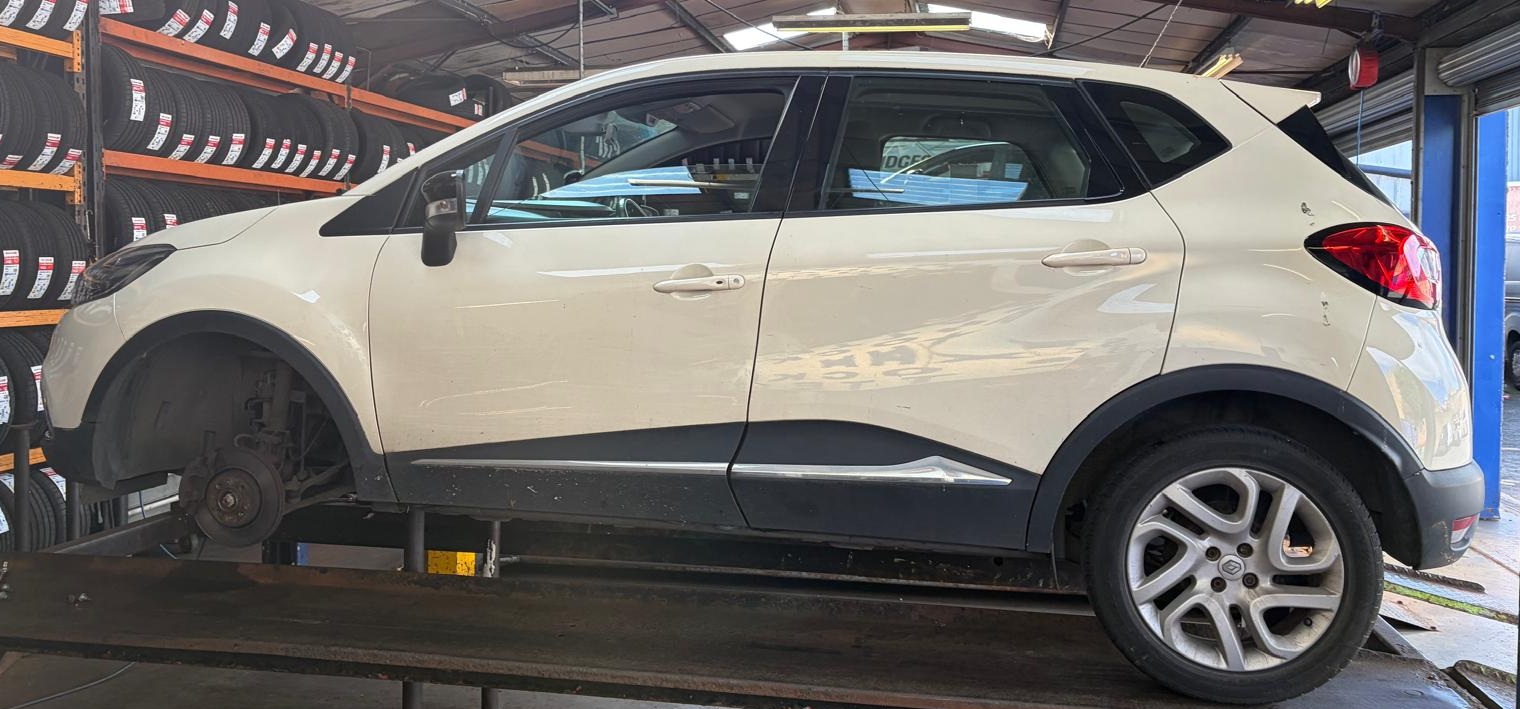
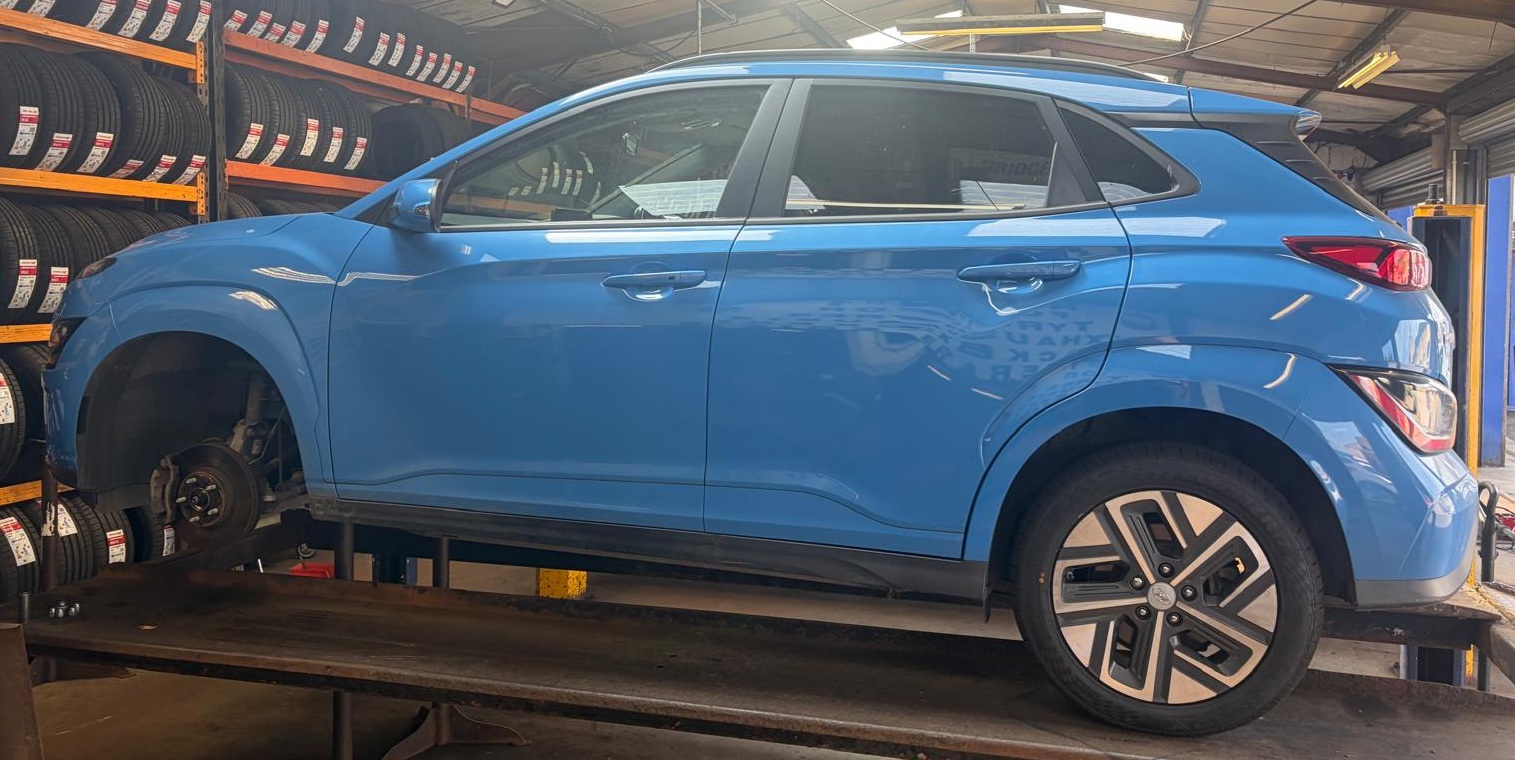
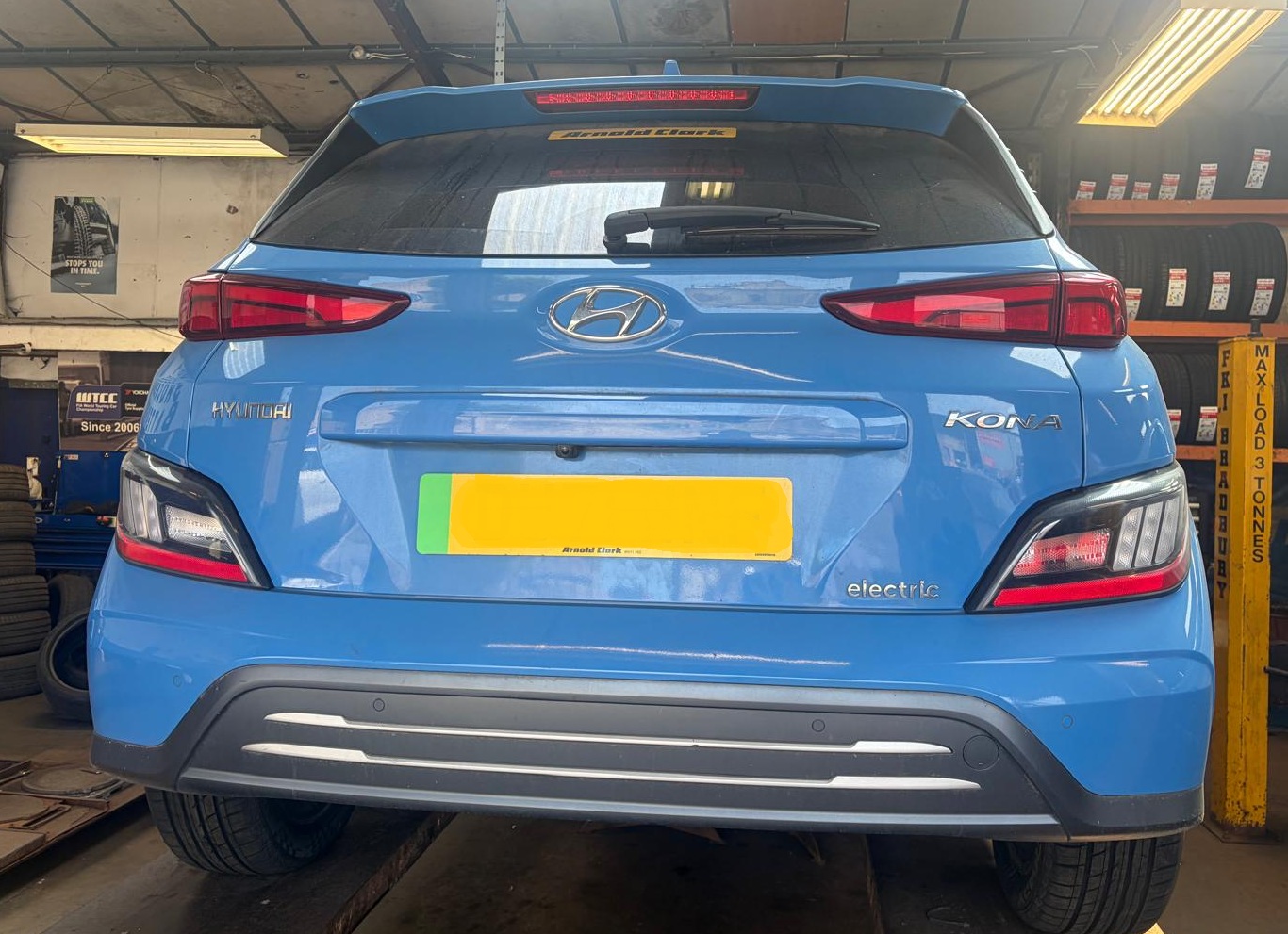
It is always worth listening when your car starts making a different noise. Cars often give us a warning that something is not quite right, and that was certainly the case when a gentleman recently brought his Renault Captur into our Halifax garage.
The customer told us that his tyres had become very noisy. Tyre noise can have several causes, including uneven tread wear, incorrect pressures, a damaged tyre or even a worn wheel bearing. Because noise can travel through a car, the cause is not always obvious from the driver’s seat. The sensible thing to do is have the vehicle inspected rather than simply turning up the radio and hoping the noise disappears.
A worrying discovery on the front tyres
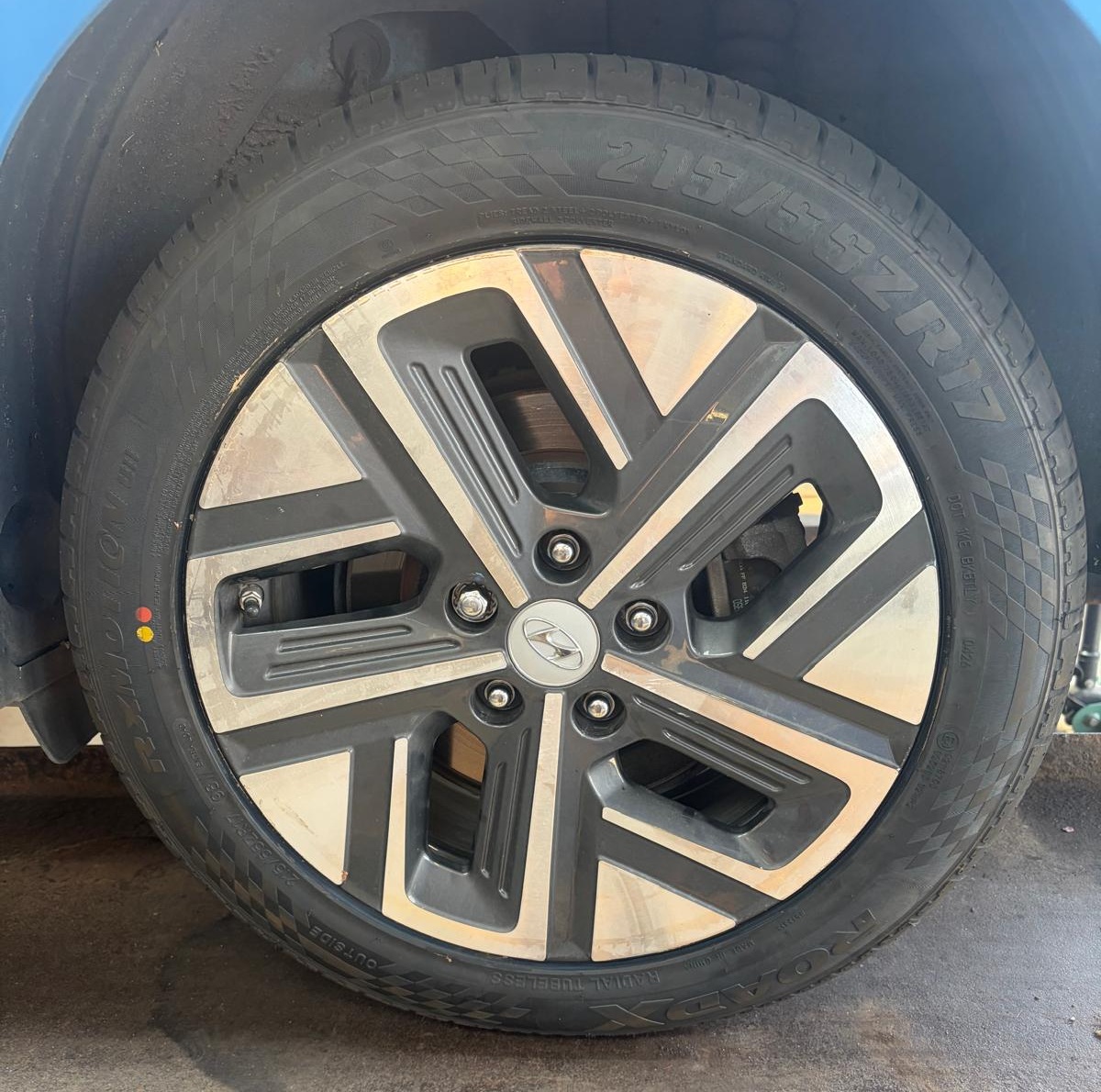
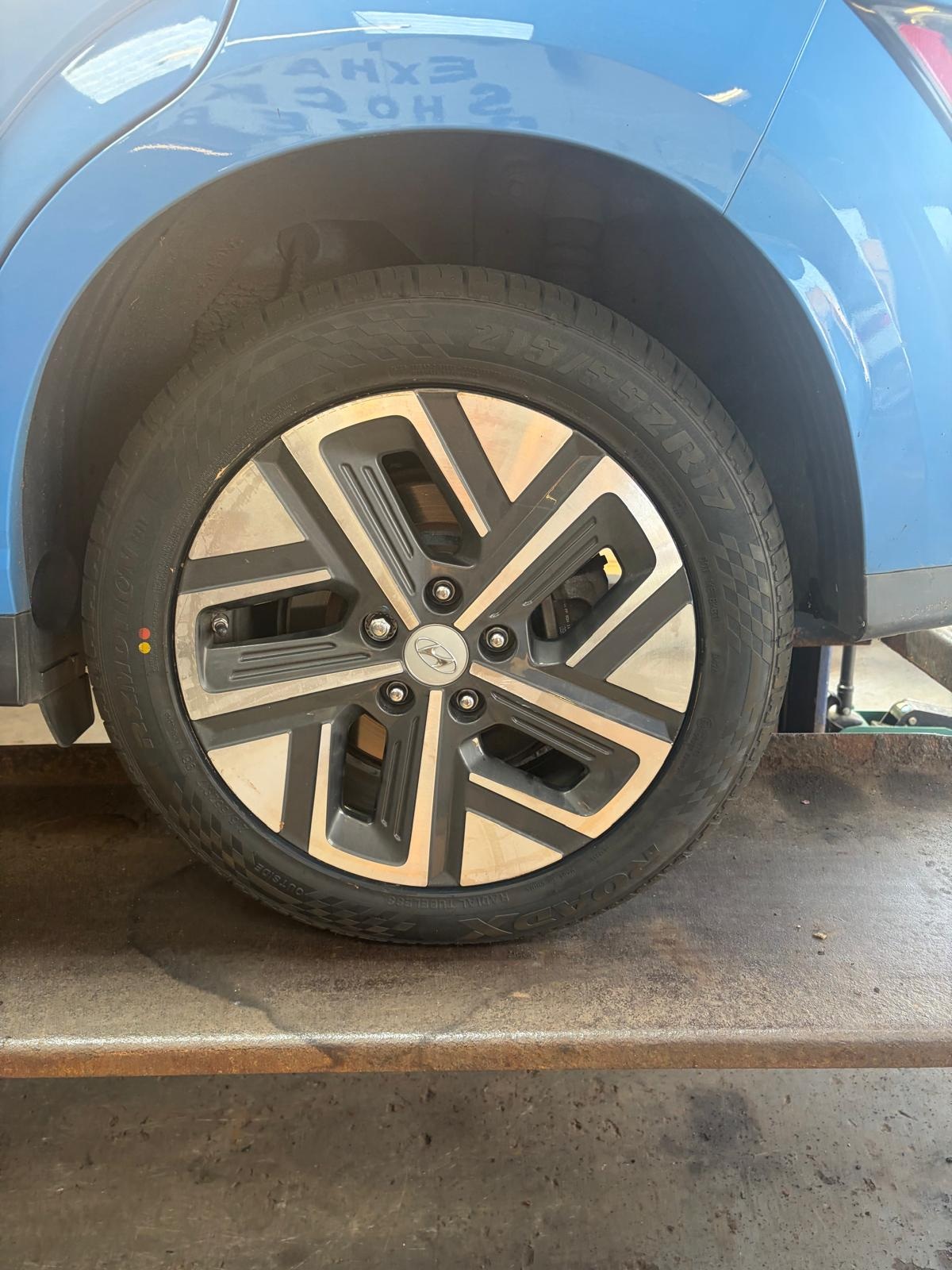
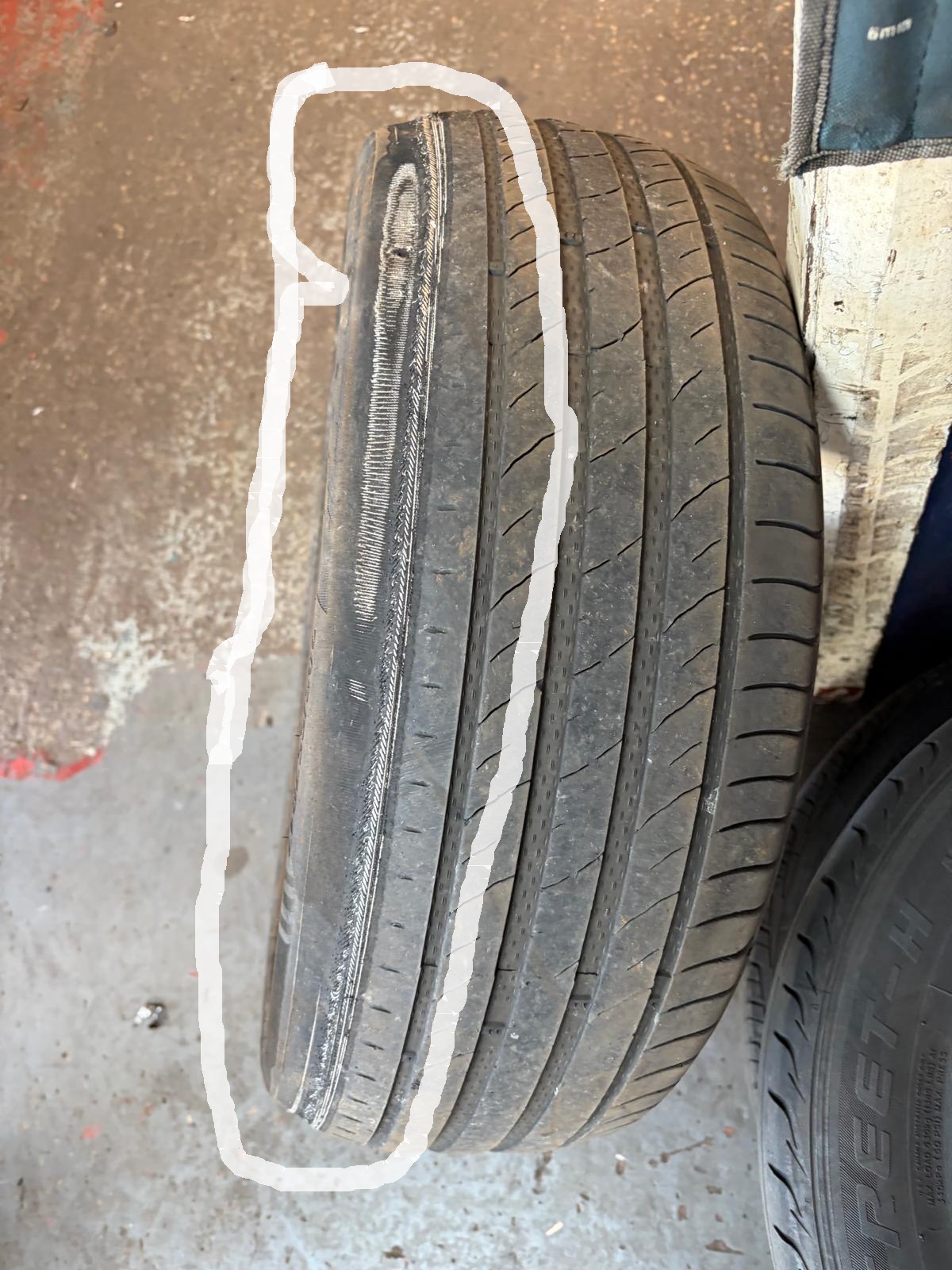
Once we had the Renault Captur in the workshop, our inspection quickly revealed the problem. Both front tyres were badly worn on their outside edges. In fact, the wear had gone right through the rubber until the steel cords inside the tyres were visible.
These cords form part of the tyre’s internal structure and should never be exposed. Once a tyre reaches this condition, it is no longer merely worn—it is dangerous and needs replacing immediately. The weakened area is more vulnerable to failure, particularly when the car is cornering, braking or travelling at road speed.
The worrying part is that this sort of wear can be difficult for a driver to spot. Looking at the visible middle section of the tread may give the impression that some life remains, while the shoulder nearest the outside of the car is already worn beyond safe use. That is why a proper check should include the entire width and circumference of every tyre.
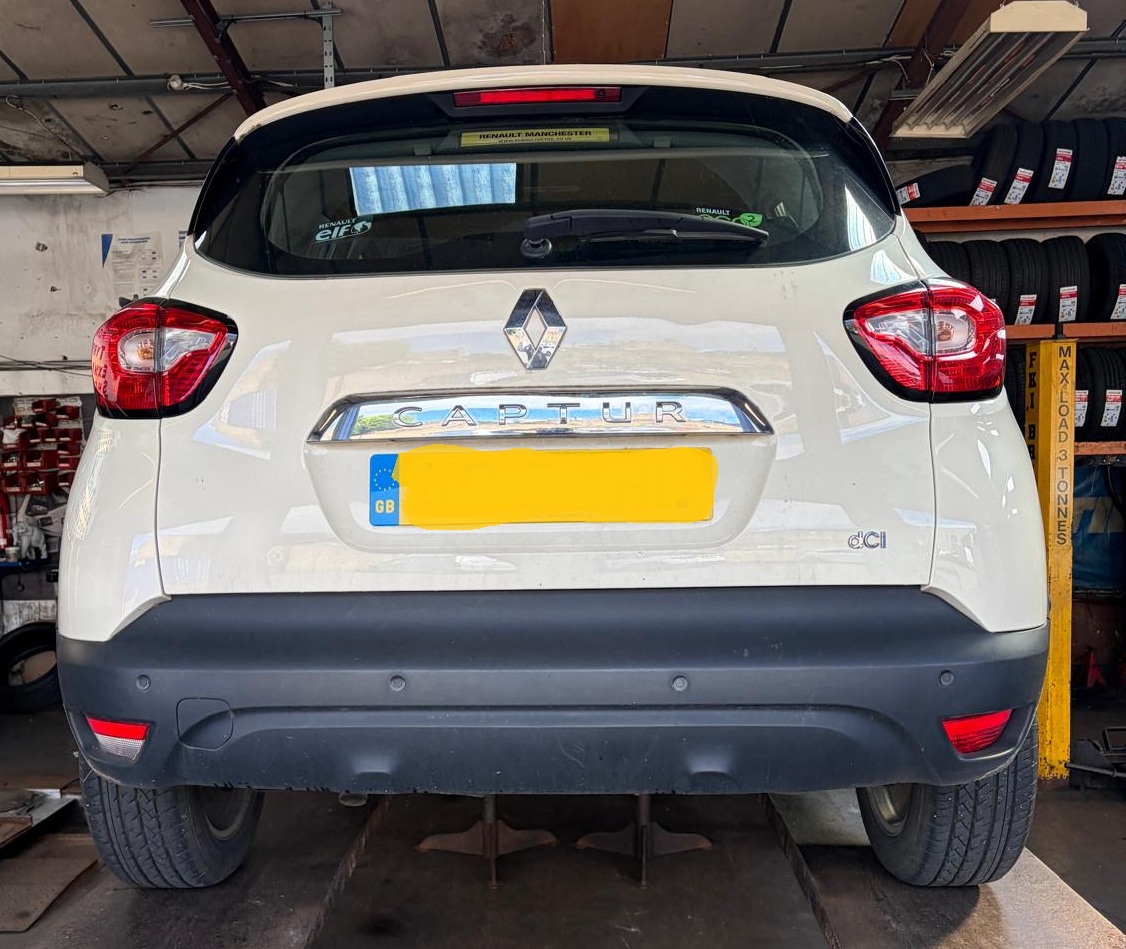
Why had the Renault Captur tyres worn unevenly?
The wear pattern strongly suggested that Renault’s wheel alignment was badly out. Wheel alignment controls the angles at which the wheels sit and travel in relation to the road. If those angles are incorrect, a tyre can be dragged slightly sideways instead of rolling cleanly ahead.
The driver may not notice a dramatic change straight away. The car might still feel reasonably normal, but every journey can quietly scrub rubber from one edge of the tyres. Halifax and Calderdale roads do not always make life easy for steering and suspension components either. Potholes, sunken covers and the occasional knock against a kerb can all contribute to alignment being disturbed.
Our hills can make the effects even more important. Cars in areas such as Pellon, Sowerby Bridge, Queensbury and the surrounding Calderdale valleys regularly face steep climbs, sharp bends and heavy braking on descents. You want the whole tread of each tyre making proper contact with the road—not a badly worn shoulder doing its best to cope.
Incorrect pressure can also contribute to unusual tyre wear, while worn steering or suspension parts must be ruled out before alignment is adjusted. This is why we inspect the vehicle first rather than assuming that alignment alone is always the answer.
Two new Maxtrek Maximus M1 tyres fitted
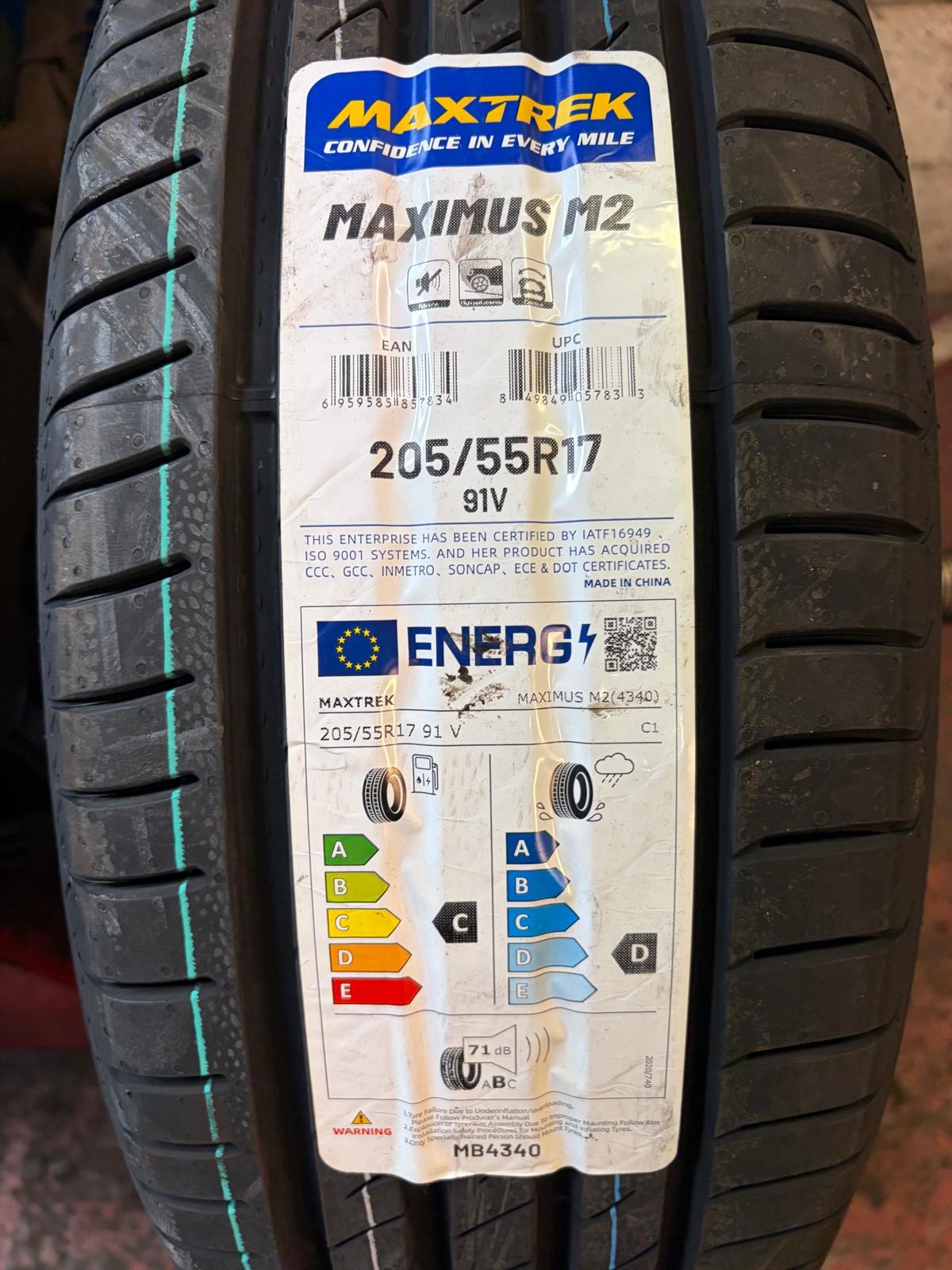
We showed the customer what we had found and explained that both front tyres required immediate replacement. He agreed and chose two good-quality budget tyres: Maxtrek Maximus M2 tyres in size 205/55 R17 91V.
This size tells us quite a lot. The tyre is 205 millimetres wide, its sidewall height is 55 per cent of that width, and it fits a 17-inch wheel. The load index of 91 is suitable for up to 615 kilograms per tyre, while the V speed rating is approved for speeds of up to 149 mph. Naturally, the important point is that the replacement tyres must meet the correct specification for the vehicle rather than how fast anyone intends to drive.
Budget tyres have an important place in our trade. Not every motorist wants or needs to pay premium-brand prices, especially while household bills remain high. Our job is to offer sensible choices and fit tyres that are suitable for the vehicle, legal for UK roads and within the customer’s budget. A sound new budget tyre is certainly a much safer prospect than continuing to drive on a tyre with its steel cords showing.
After fitting the two new front tyres, we carried out the necessary wheel alignment. This gave the new tyres the best chance of wearing evenly and helped return the car to the road in a safe condition.
Noisy tyres should never be ignored.
In this case, the customer’s complaint about noise may have prevented a much more serious problem. Unevenly worn tyres can create a droning or rumbling sound that changes with road speed or road surface. Feathered tread blocks caused by incorrect alignment can be especially noisy.
However, noise does not automatically mean that new tyres are needed. Wheel bearings, brakes and suspension components can produce similar sounds. An experienced inspection is the best way to identify the real cause.
Drivers should also remember that the UK legal minimum tread depth for cars is 1.6 mm across the central three-quarters of the tyre and around its complete circumference. That minimum does not make exposed cords acceptable anywhere on the tyre. Any visible cords, serious cuts, bulges or structural damage mean the tyre requires urgent professional attention.
A simple check could save a tyre—and perhaps much more.
This Renault Captur is a good reminder to turn the steering wheel occasionally while the car is safely parked and look across the front tyre treads. Check both shoulders, not just the easy-to-see centre. If one edge is wearing more quickly, the steering feels different or the tyres have suddenly become noisy, arrange an inspection.
It is also sensible to have the alignment checked after hitting a large pothole or kerb, after steering or suspension work, or when fitting new tyres if the old ones show uneven wear. Correct alignment can improve the way a car drives and prevent perfectly good tread from being scrubbed away prematurely.
At Pellon Tyre and Autocentre, we have looked after motorists from Halifax and the wider Calderdale area since 1989. We never recommend work unless it needs doing, but tyres worn down to their steel cords cannot be left to chance. This Renault arrived because of an annoying noise and left with two safe new tyres and its wheels correctly aligned—a good result for the customer and everyone else sharing our Yorkshire roads.