Grinding Noises and BMW Brakes – A Typical Day in Halifax
It’s funny how each day at Pellon Tyre and A https://www.pellontyres.co.uk/services/details/2/brake-inspectionutocentre brings something a bit different. Today’s job was one that every garage mechanic recognises instantly — that unmistakable grinding noise when a car comes to a stop.
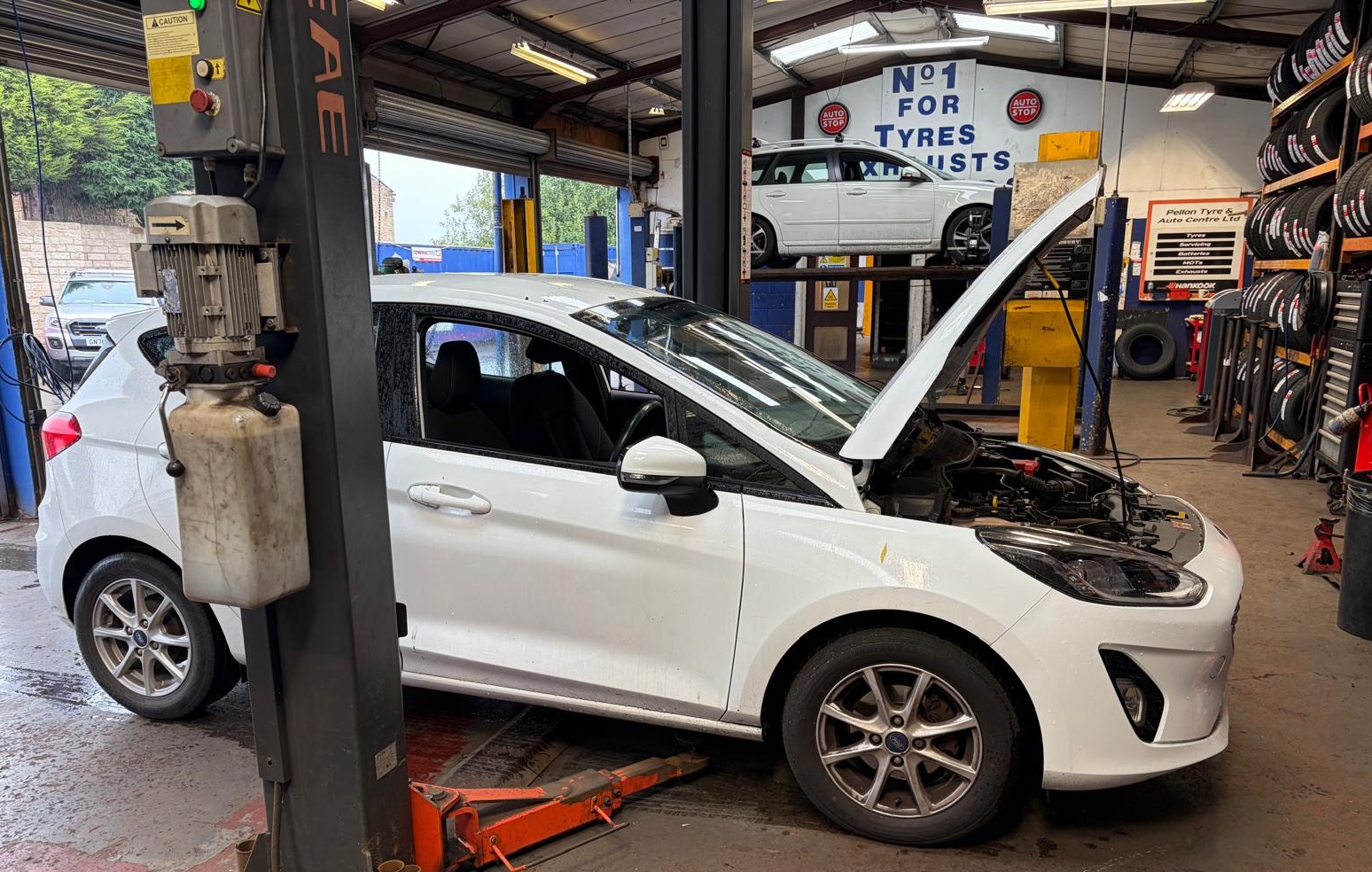
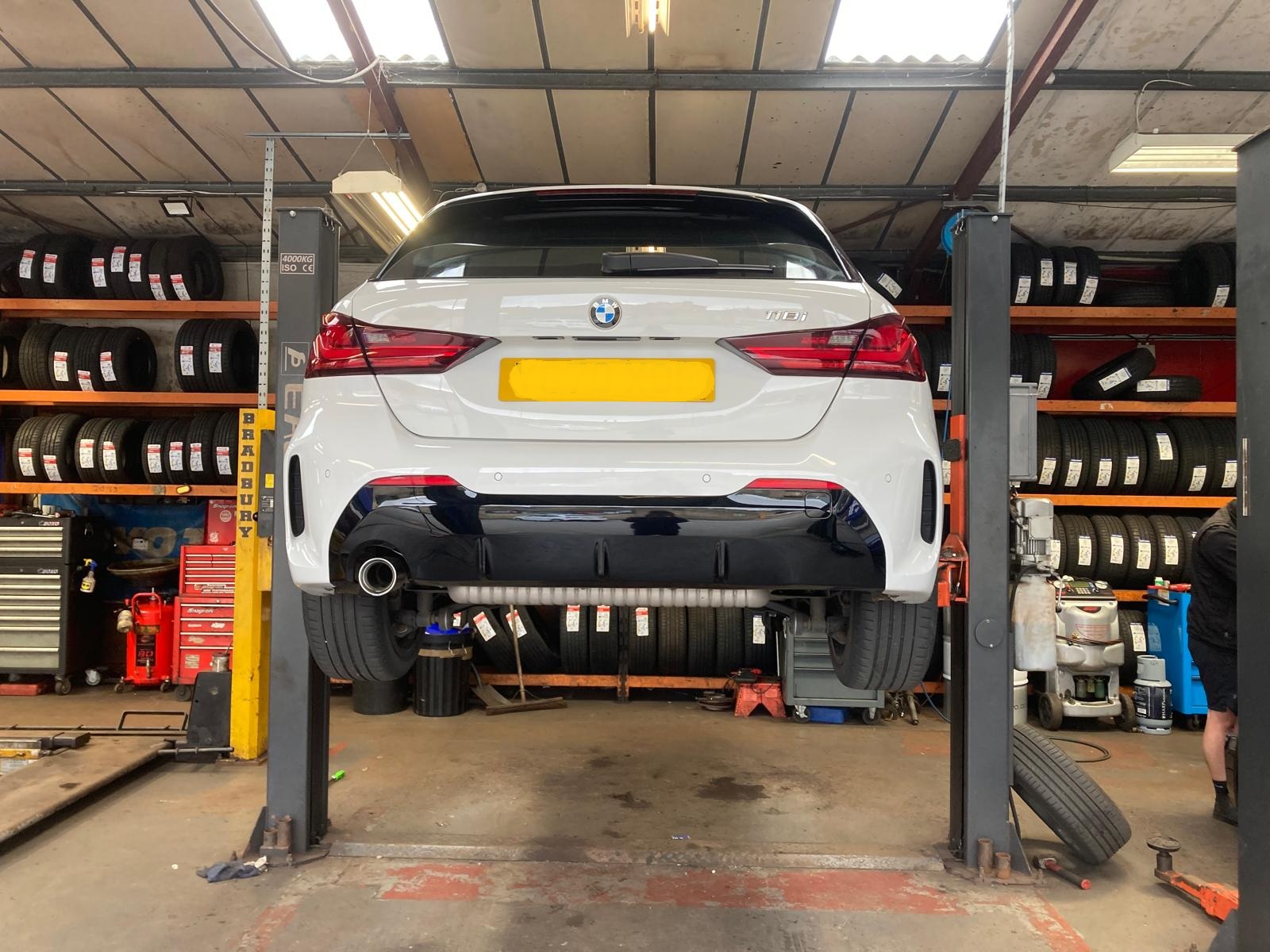
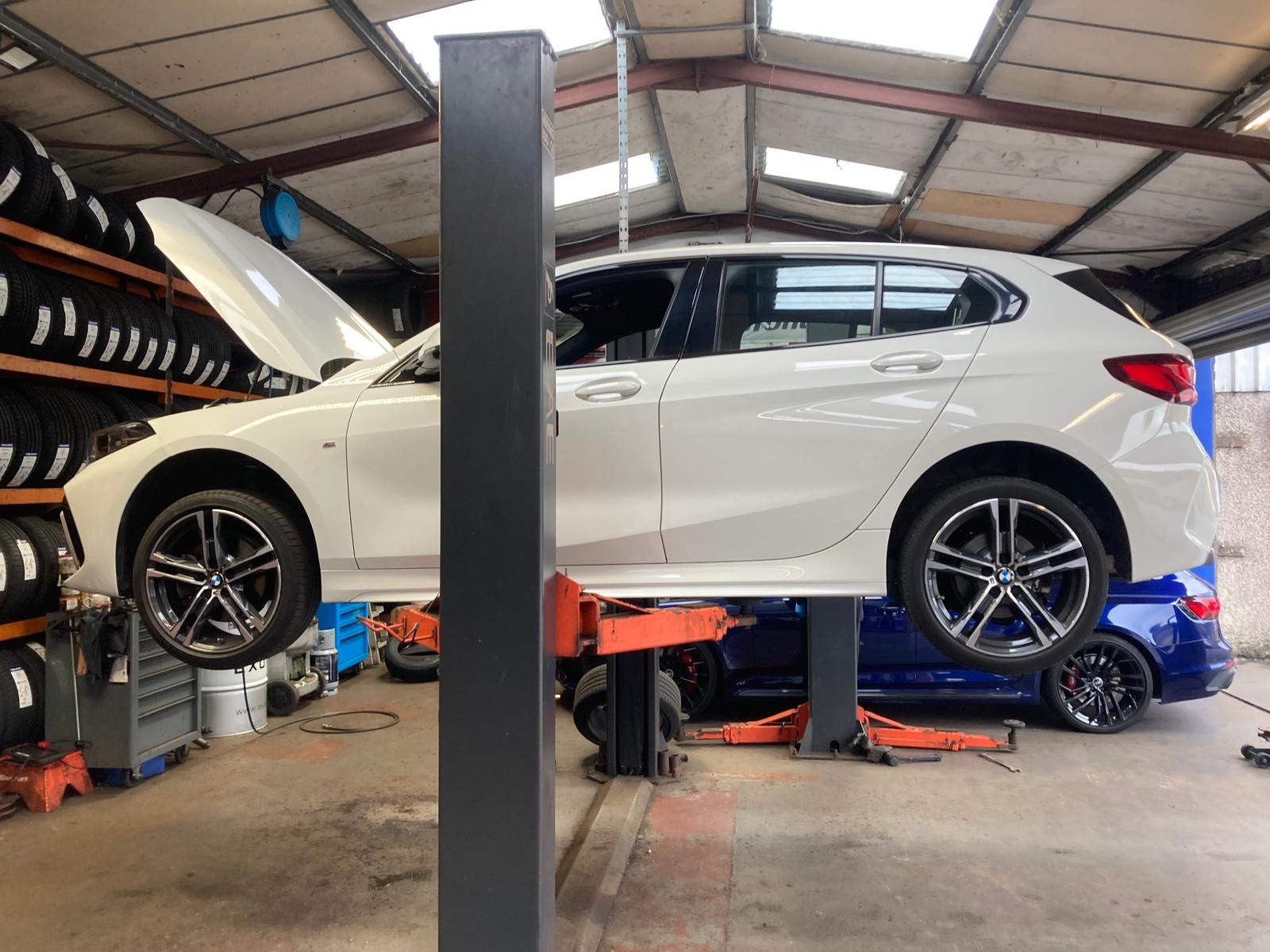
A regular customer brought in a BMW 118i M-Sport, a lovely bit of kit but one that was clearly in need of attention. The noise from the front wheels could be heard even as the driver turned into our forecourt on Pellon Lane.
He’d been hearing it for a few days but thought it might just be a bit of dust or a stone caught between the pads. As most of us know, it’s easy to put things like that off — until the noise gets too loud to ignore!
Quick Diagnosis at Pellon Autocentre
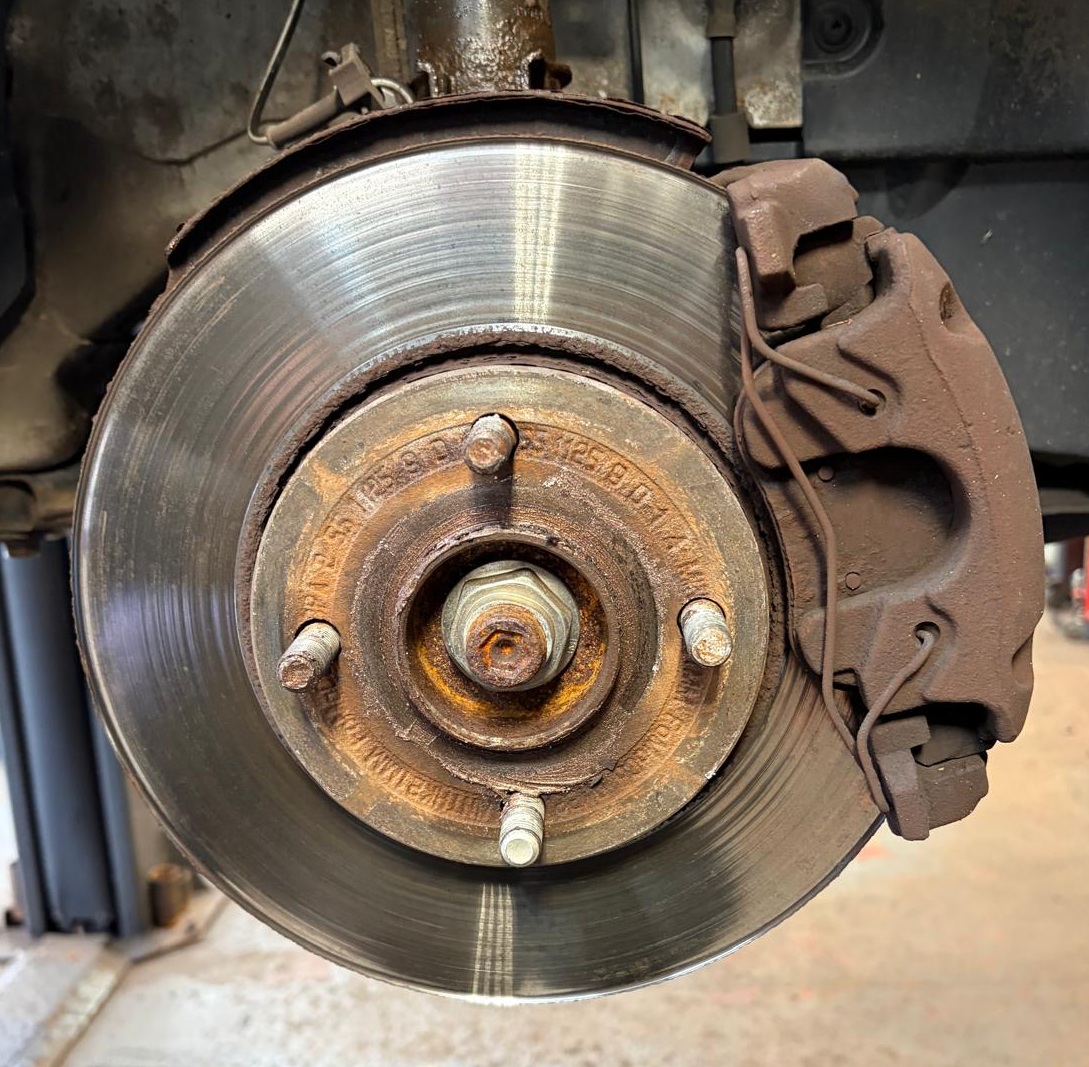
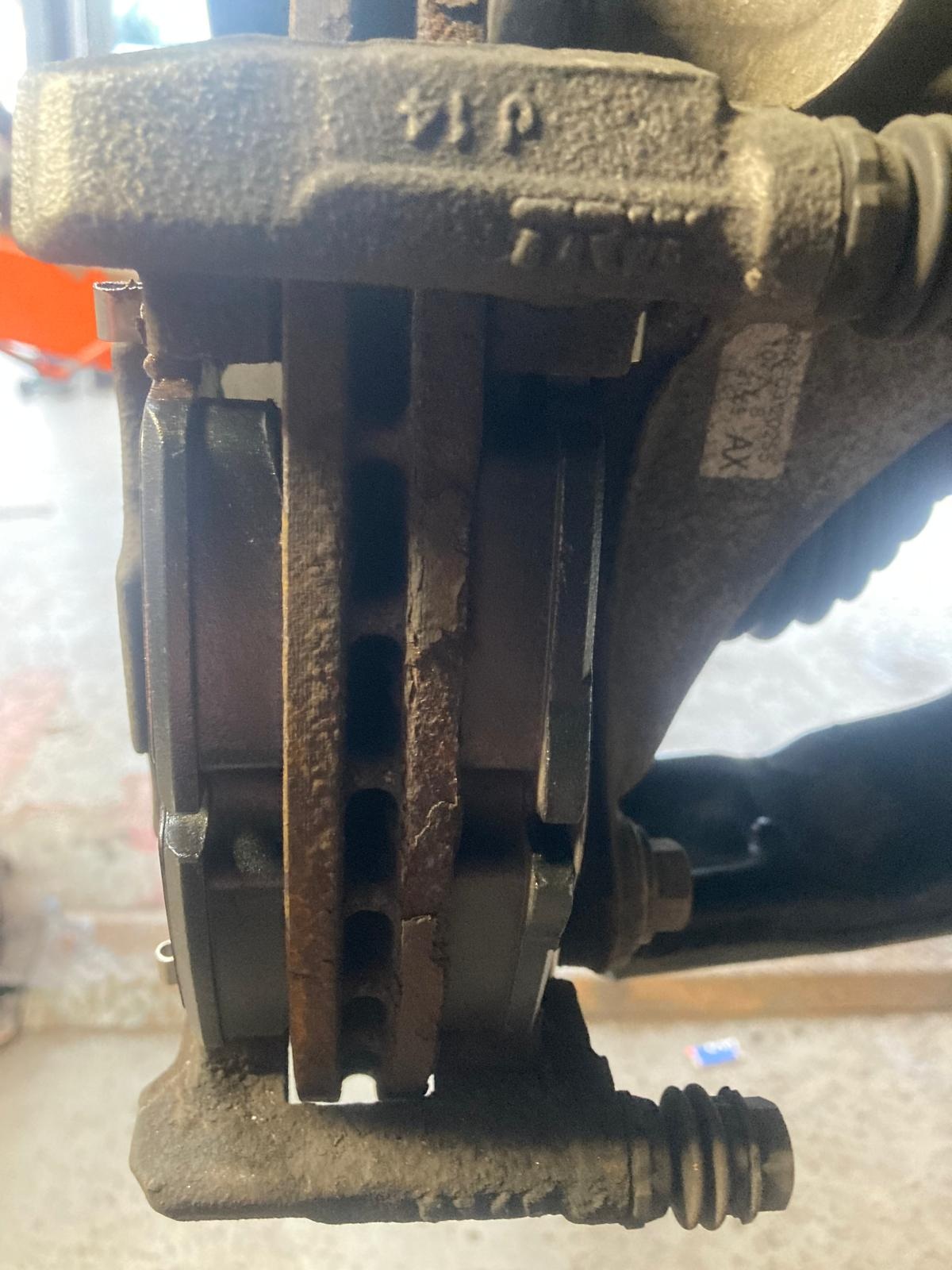
Once the BMW was safely up on the ramp, it didn’t take long for our experienced technician Ryan Lintonto spot the problem. The front brake pads were completely worn down, and the grinding noise was the sound of the metal backing plate rubbing directly against the brake discs — never a good sign.
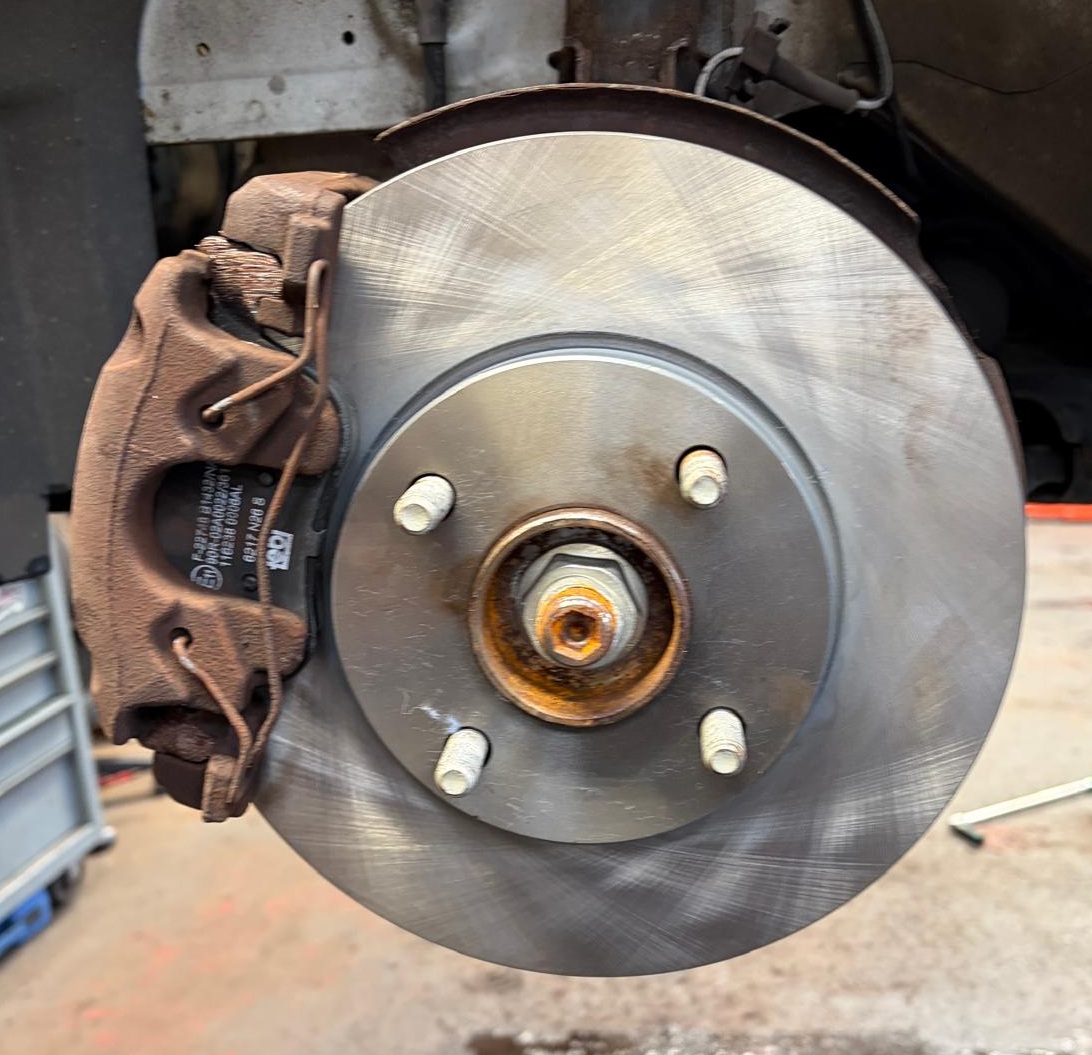
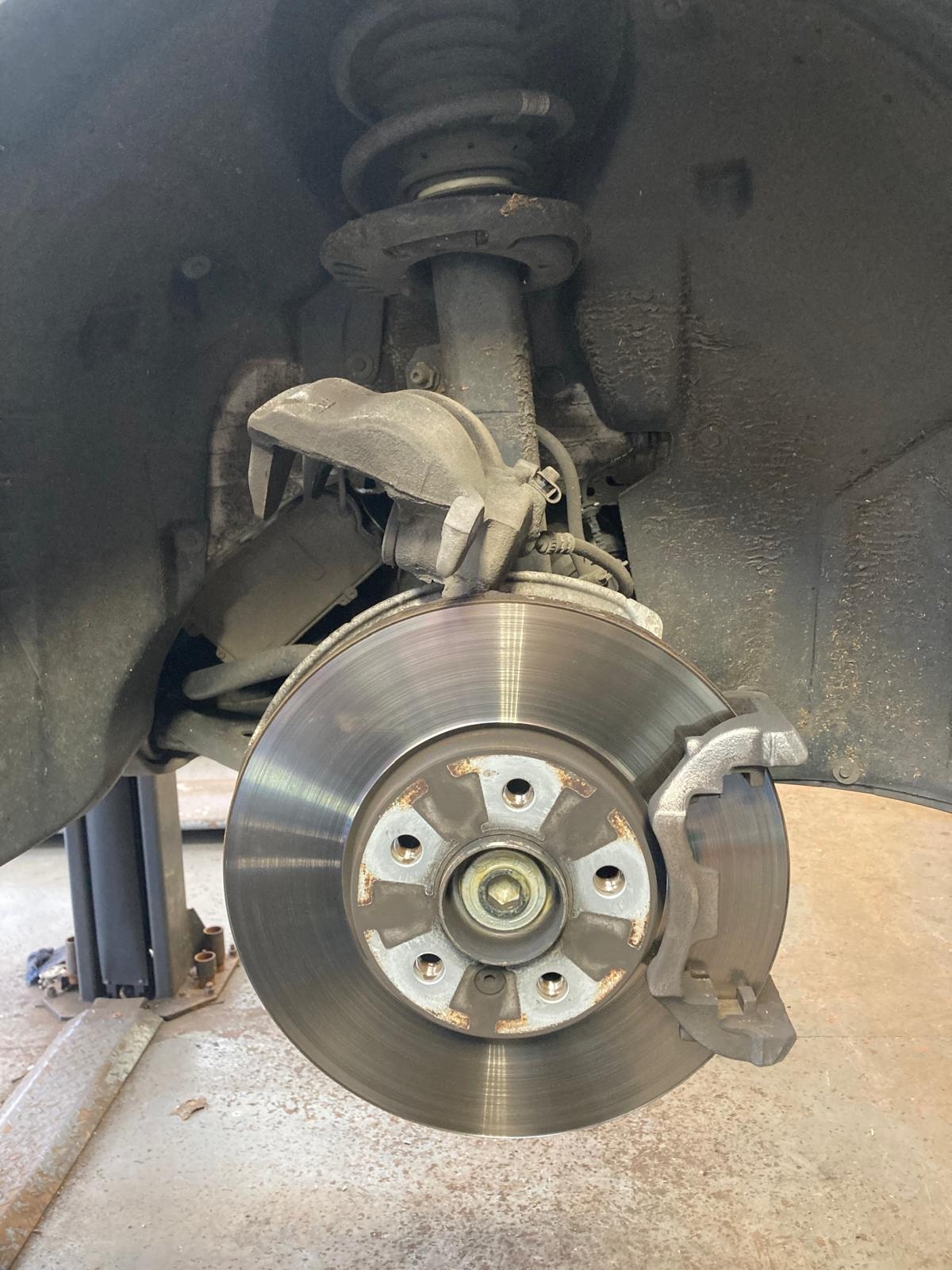
Ryan removed the wheels and checked the condition of the discs, and fortunately, they were still in decent shape. A quick measurement confirmed they were within BMW’s service limits, so we could simply fit a new set of quality brake pads and get the customer back on the road safely.
While the pads were being changed, we also checked the brake fluid level and gave the callipers a clean to make sure everything would move freely. A simple job done right — that’s the Pellon way.
brake pads
Why Grinding Noises Should Never Be Ignored
A grinding noise from your brakes is one of those warning signs you should never ignore. It usually means the friction material on the pads has worn away, leaving metal rubbing against metal. Apart from making a nasty sound, it can:
Damage the brake discs (leading to a more expensive repair)
Reduce braking performance
Increase stopping distances
Cause the car to pull to one side when braking
If the BMW owner had left it another week or two, those discs would have needed replacing as well — turning a quick, affordable job into something much costlier.
brake pads
Local Drivers – Don’t Wait for That Noise! BMW Brakes Grinding
We see this sort of thing quite often here in Halifax, especially on the steep roads around Mount Tabor, Warley, and Savile Park, where constant braking on hills wears pads faster than you might expect.
Whether it’s a sporty BMW 1 Series, a Vauxhall Astra, or even a Peugeot 2008, brake wear is one of those things that creeps up quietly until you suddenly notice a sound that definitely shouldn’t be there.
At Pellon Tyre and Autocentre, we always recommend having your brakes checked at least once a year — or every 10,000 miles if you’re clocking up a lot of driving on the A629 or heading over to Huddersfield or Brighouse regularly.
The Customer Drove Away Happy: BMW Brakes Grinding
After fitting the new brake pads, Ryan took the BMW for a quick test drive to make sure everything was spot on. The grinding had completely disappeared, and the brakes felt sharp and responsive again.
The owner was pleased to be back on the road within the hour and commented on how smooth the car now felt. He even joked that it was “as quiet as it was when he bought it new.”
brake pads
Book Your Brake Check in Halifax: BMW Brakes Grinding
If you’re hearing any grinding, squealing, or clicking noises from your brakes—don’t wait until it’s too late. Drop by our garage on Pellon Lane, or book a free brake inspection online.
We’re always happy to check things over for peace of mind. Whether you drive through Sowerby Bridge, King Cross, or Ovenden, you’re only a few minutes from a trustworthy, local garage that’s been keeping Halifax drivers safe since 1989.
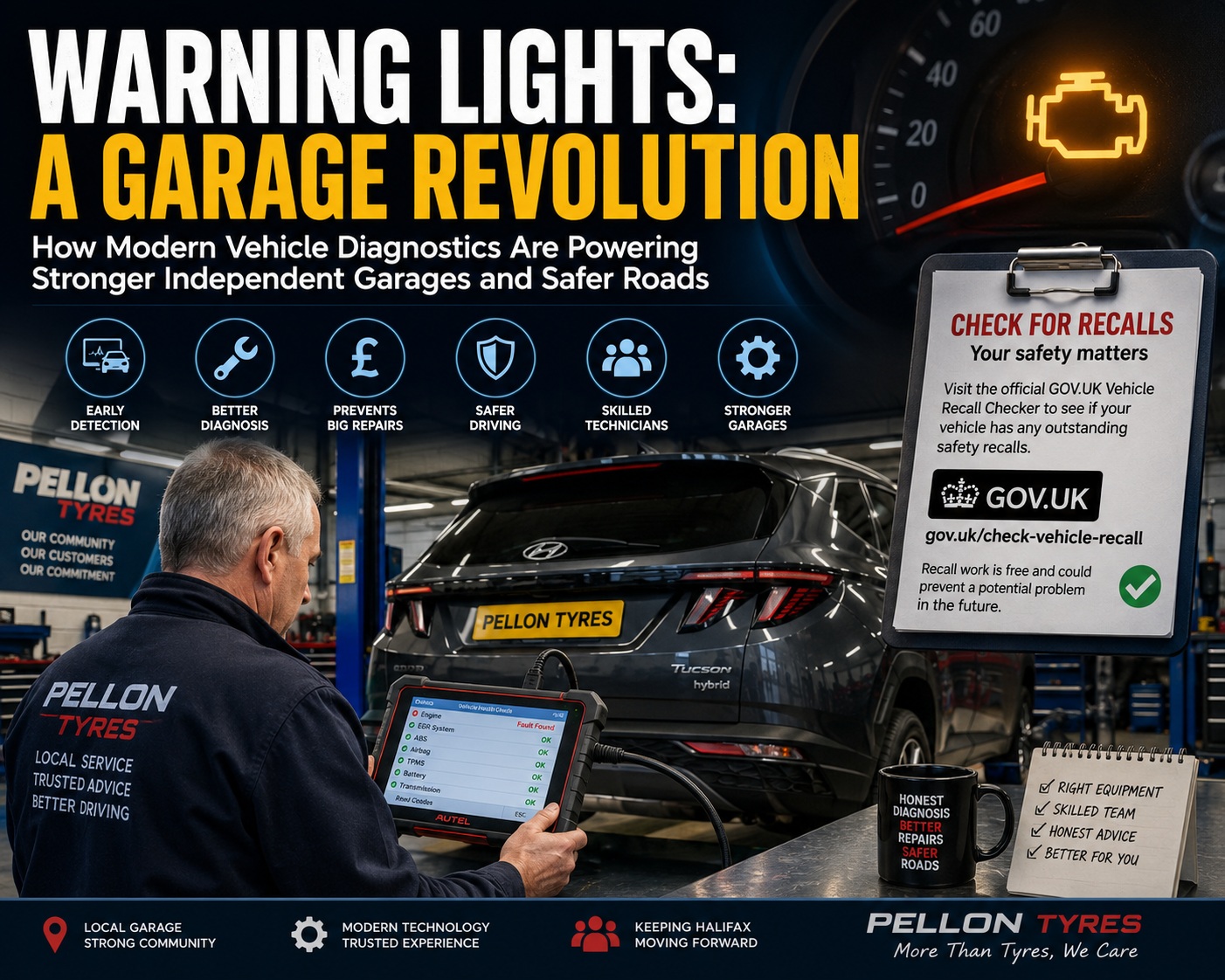
How Modern Vehicle Diagnostics Have Changed the Independent Garage Trade
For those of us who have spent a lifetime in the motor trade, it’s amazing to think just how much our industry has changed.
When I first started working on cars over fifty years ago, there were no dashboard warning lights telling us what was wrong. There were no diagnostic computers, fault codes or software updates. If a customer arrived with a poorly running engine, we relied on experience, instinct and plenty of detective work to find the problem.
Fast forward to 2026, and the picture couldn’t be more different.
Today’s vehicles are packed with electronic control units, sensors and computers that constantly monitor almost every system on the car. If something isn’t quite right, a warning light appears on the dashboard, prompting the driver to seek professional advice.
As the owner of Pellon Tyres in Halifax, I genuinely believe these warning systems have transformed not only modern motoring but also the future of independent garages like ours.
Cars Have Become Cleverer Than Ever: Warning Lights A Garage Revolution
Modern vehicles monitor hundreds of different components every second.
The engine management system checks fuel delivery, emissions and ignition timing.
The ABS constantly monitors each wheel.
Airbag systems carry out their own safety checks every time you switch on the ignition.
Tyre pressure monitoring systems (TPMS) watch for any drop in pressure.
Hybrid vehicles, like my own recently purchased Hyundai Tucson Hybrid, monitor everything from battery temperatures to electric motors and petrol engine performance.
It’s remarkable technology.
Many motorists worry when they see a warning light appear, but in reality, these systems are there to protect both the driver and the vehicle.
Warning Lights Have Helped Garages
Some people think modern electronics have made life harder for garages.
I actually see it differently.
Over the years, warning lights have encouraged motorists to visit their local garage much sooner than they once did.
Instead of driving for months with an unnoticed fault, customers now come to us while the problem is still relatively small.
That often prevents expensive repairs later.
A failing oxygen sensor.
An EGR valve beginning to stick.
A faulty ignition coil.
A wheel speed sensor affecting the ABS system.
A blocked diesel particulate filter.
All of these can now be detected far earlier than they could twenty or thirty years ago.
Reading Fault Codes Is Only The Beginning: Warning Lights A Garage Revolution
One of the biggest misconceptions is that plugging a diagnostic computer into a vehicle instantly tells the mechanic exactly which part needs replacing.
If only it were that simple!
In reality, the fault code is simply a starting point.
A diagnostic machine may tell us there is a fault within the EGR system.
It doesn’t necessarily mean the EGR valve itself has failed.
It could be:
Damaged wiring.
A poor electrical connection.
A faulty sensor.
A sticking valve.
A software issue.
Carbon build-up.
This is where experience still matters.
A good technician doesn’t simply replace parts until the warning light disappears.
They investigate the fault properly.
That’s exactly the approach we’ve always taken here at Pellon Tyres.
We’ve never believed in replacing parts that don’t need replacing.
Investing In Equipment
Over the years, independent garages have had to invest heavily.
Modern diagnostic equipment doesn’t come cheaply.
Neither does the software required to keep it updated.
Then there’s specialist testing equipment for the following:
These investments are substantial, but they allow independent garages to compete with main dealers while offering the personal service that customers appreciate.
Investing In People: Warning Lights A Garage Revolution
Of course, equipment on its own isn’t enough.
The most important investment any garage can make is in its technicians.
Modern mechanics need a completely different skill set compared with those of my generation.
They still need to understand engines, brakes, suspension and steering.
But they must also understand electronics.
Computer systems.
Communication networks.
Software.
Hybrid technology.
Battery management.
Electrical testing.
Today’s technician is every bit as much an electrical engineer as a traditional mechanic.
That’s why ongoing staff training has become essential.
The independent garages that continue investing in their people are the ones that will thrive over the coming years.
My Own Hyundai Experience
Ironically, I’ve recently experienced this myself.
After purchasing my Hyundai Tucson Hybrid, the engine management light appeared.
Like many motorists, my first thought was,
“I wonder what that’s all about?”
Hyundai’s diagnostic equipment identified an issue with the EGR valve, and it’s now booked in for replacement.
Without modern diagnostics, that fault could have gone unnoticed for many months.
Instead, it was detected early before it had a chance to develop into something much more serious.
That’s exactly what these systems are designed to do.
Vehicle Recalls Are Becoming More Common: Warning Lights A Garage Revolution
Another interesting development is the increasing number of vehicle recalls.
You only have to look online to see headlines talking about manufacturers recalling thousands of vehicles.
At first glance, that sounds worrying.
In reality, I think it’s actually reassuring.
Manufacturers today monitor vehicle performance far more closely than they did years ago.
If they identify a potential safety issue—even if it affects only a small number of vehicles—they are much more likely to issue a recall before problems become widespread.
That demonstrates just how seriously vehicle safety is now taken.
Check Your Own Vehicle
While researching this subject, I decided to check my own Hyundai.
It only took a couple of minutes.
I’d encourage every motorist to do exactly the same.
If your vehicle has an outstanding safety recall, the manufacturer will normally carry out the work free of charge.
You can also contact your vehicle manufacturer or local main dealer, who can check your vehicle identification number (VIN) for any outstanding recalls.
It’s a simple check that offers valuable peace of mind.
Looking to the Future: Warning Lights A Garage Revolution
As I approach nearly six decades in the tyre and garage industry, I still find modern vehicle technology fascinating.
Cars have changed enormously since I first picked up a spanner.
Yet one thing hasn’t changed.
People still need a garage they can trust.
Technology will continue advancing.
Artificial intelligence will become part of vehicle diagnostics.
Electric vehicles will become increasingly common.
Software updates will become routine.
But there will always be a need for experienced technicians who understand how vehicles actually work.
Our Commitment at Pellon Tyres
Here at Pellon Tyres in Halifax, we’ve always believed in moving with the times.
We’ve invested in modern equipment.
We’ve invested in staff training.
Most importantly, we’ve always believed in honest advice.
If your vehicle displays a warning light, don’t ignore it—but don’t panic either.
Many faults are relatively minor when caught early.
Bring your vehicle to someone who has the right equipment, the right training, and the right experience to diagnose it properly.
After all, warning lights aren’t there to frighten us.
They’re there to help keep our cars safer, more reliable, and on the road for longer.
And that’s good news for every motorist across Halifax, Calderdale, and beyond.
General Tyres – What Happened to the Brand in the UK?
Wondering what happened to General Tyres in the UK? Pellon Tyres Halifax explains why the brand disappeared from many passenger cars and which quality alternatives are available today.
General Tyres – A Well-Respected Name That Many Drivers Still Ask About
One question we still hear from customers here at Pellon Tyres in Halifax is “Can I still buy General tyres?”
It’s a fair question because General Tyres built up an excellent reputation over many decades. Many motorists throughout Halifax, Calderdale and West Yorkshire remember the brand for producing dependable tyres with good grip, respectable mileage and sensible prices.
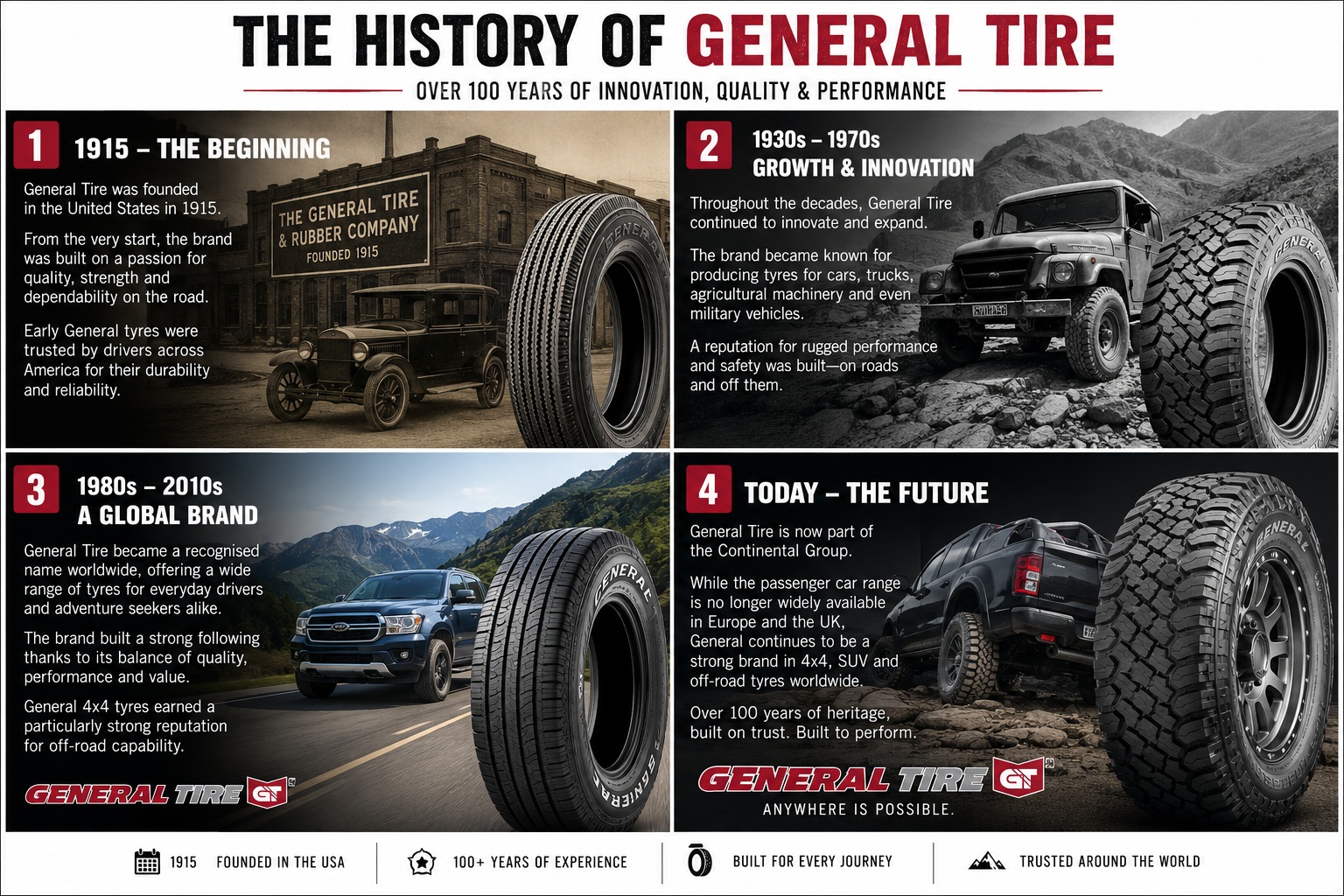
Although the name is still very much alive in some parts of the world, particularly in the 4×4 and off-road market, the range of passenger car tyres that many UK motorists once bought has largely disappeared from the European marketplace.
Many people understandably wonder why.
A Little History Behind General Tyres: What happened to General Tyres
General Tyre has been around for well over a century, originally beginning life in the United States in 1915. Over the years it became known for manufacturing tyres for everything from family saloons to commercial vehicles, agricultural machinery and rugged four-wheel drives.
Eventually the company became part of the Continental AG group, one of the largest tyre manufacturers in the world.
For a number of years the arrangement worked extremely well, with General offering motorists another quality choice within the Continental family.
Here at Pellon Tyres we became General Tyre retailers around 2016 and quickly found they appealed to customers wanting a premium-quality tyre without necessarily paying the very highest premium prices.
Many customers returned time after time asking for the same brand again, which is always a good sign.
Why Did General Tyres Become Hard to Find?
Like many decisions in the tyre industry, it wasn’t because there was anything wrong with the product.
Large manufacturers constantly review their product ranges, production costs and worldwide distribution networks. Sometimes brands overlap with one another, and companies decide to concentrate on fewer names.
Continental already owned several successful tyre brands covering different price points and market sectors.
From a business point of view, simplifying the range probably made commercial sense.
For independent tyre retailers like ourselves, however, it was disappointing because we’d spent time building confidence in the product amongst our local customers.
When you recommend a tyre to somebody, you aren’t just selling rubber.
You’re putting your reputation behind that recommendation.
That has always been the Pellon Tyres way.
Forty Years in the Tyre Trade Has Taught Me a Few Things
After more than forty years in the tyre trade, I’ve seen manufacturers come and go.
Brands merge.
Companies get bought.
Product names disappear.
Sometimes a tyre manufacturer asks independent garages like ours to support their products by offering attractive dealer programmes and pricing.
We put in the hard work.
We introduce the brand to local motorists.
We explain the benefits.
We gain customers’ trust.
Then, occasionally, circumstances change.
Sometimes the manufacturer decides to sell through additional outlets or changes its distribution strategy.
That’s simply the way business works nowadays, although it doesn’t always make life easy for independent garages.
Fortunately, experience teaches you how to adapt.
The Importance of Choosing the Right Tyre: What happened to General Tyres
One thing I’ve always believed is that the badge on the sidewall isn’t the only thing that matters.
What’s far more important is choosing the right tyre for the way you drive and the vehicle you own.
Every week we advise drivers from Halifax, Sowerby Bridge, Elland, Brighouse, Hebden Bridge and across Calderdale.
Some drivers cover only a few thousand miles each year.
Others commute daily on the M62.
Some regularly tow caravans.
Others need tyres capable of handling our steep Yorkshire hills during cold winter mornings.
That’s why we spend time asking questions before recommending a tyre.
Excellent Alternatives Available Today
Although many passenger general tyres are no longer widely available, motorists certainly aren’t short of quality alternatives.
One brand we’ve developed an excellent relationship with over recent years is Falken.
Falken tyres have consistently impressed both ourselves and our customers.
They offer excellent grip in wet weather, predictable handling and very good value for money.
For motorists looking for winter performance, the Falken Eurowinter HS01 has proved particularly popular.
It provides reassuring grip during cold weather while still delivering the comfort and refinement modern drivers expect.
Of course, every customer has different requirements.
That’s why we also supply many other respected brands, including the following:
Having such a wide choice means we can recommend the tyre that best suits both your vehicle and your budget.
Yorkshire Weather Still Demands Good Tyres: What happened to General Tyres
Living and working in Halifax has taught me just how quickly the weather can change.
One minute you’re enjoying bright sunshine.
Half an hour later you’re climbing out towards Ogden, Ripponden or Oxenhope in driving rain or thick fog.
Throw in a frosty winter morning and you soon appreciate the importance of having quality tyres fitted.
The Pennine roads around Calderdale can be demanding enough without trying to drive on worn or poor-quality tyres.
Good tyres don’t just improve grip.
They shorten braking distances, improve steering response and give you greater confidence behind the wheel.
Honest Advice Has Always Been Our Policy
One thing that has never changed at Pellon Tyres is our approach to customers.
If your tyres are perfectly safe, we’ll tell you.
If they still have plenty of life left in them, we certainly won’t recommend replacing them.
Equally, if they’re becoming unsafe or approaching the legal limit, we’ll explain exactly why replacement is advisable.
That honesty has helped build our reputation across Halifax over many years.
Many of our customers first came to us decades ago and now bring their children—and even grandchildren—to us.
You simply can’t buy that sort of trust.
You have to earn it.
Looking Ahead: What happened to General Tyres
The tyre industry never stands still.
New compounds, quieter tread patterns, electric vehicle tyres and environmentally friendly manufacturing methods are all changing the market.
While some familiar names disappear and new brands emerge, one thing remains constant.
Motorists still want honest advice, competitive prices and tyres they can rely upon.
Here at Pellon Tyres we’ll continue offering exactly that, just as we’ve done for many years.
Whether you’re looking for premium tyres, quality mid-range products or reliable budget tyres, we’ll always recommend what we genuinely believe is best for both you and your vehicle.
That’s the Yorkshire way, and it’s the way we’ve always done business.
https://www.pellonautocentre.com/wp-content/uploads/2024/07/pellon-tyres-logo-509x321.jpg00Eric Robertshttps://www.pellonautocentre.com/wp-content/uploads/2024/07/pellon-tyres-logo-509x321.jpgEric Roberts2026-07-06 09:06:132026-07-06 09:07:46What happened to General Tyres
Noisy Vauxhall Corsa Exhaust Repaired in Halifax – Why Modern Exhaust Systems Cost More Than Ever
The recent spell of hot weather has certainly kept us busy here at Pellon Tyres in Halifax. As temperatures across Calderdale climbed well into the thirties, our workshop phone barely stopped ringing.
Most callers were asking about air conditioning. Some cars simply needed re-gassing, whilst others required a full inspection to find leaks or faulty components. When the Yorkshire weather suddenly turns tropical, many motorists quickly discover whether their air conditioning system has survived another winter!
However, amongst all the air conditioning work, another interesting repair arrived at the workshop.
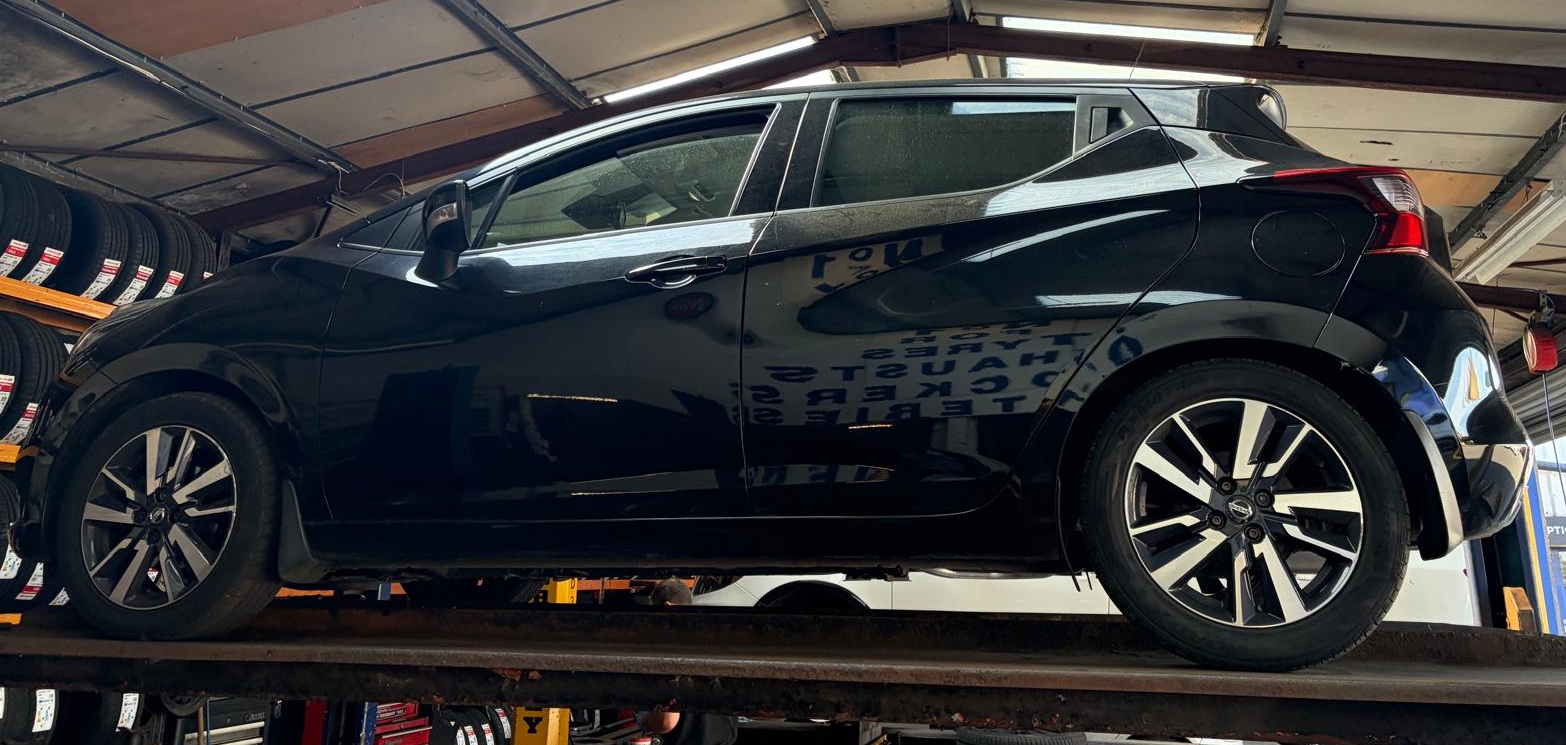
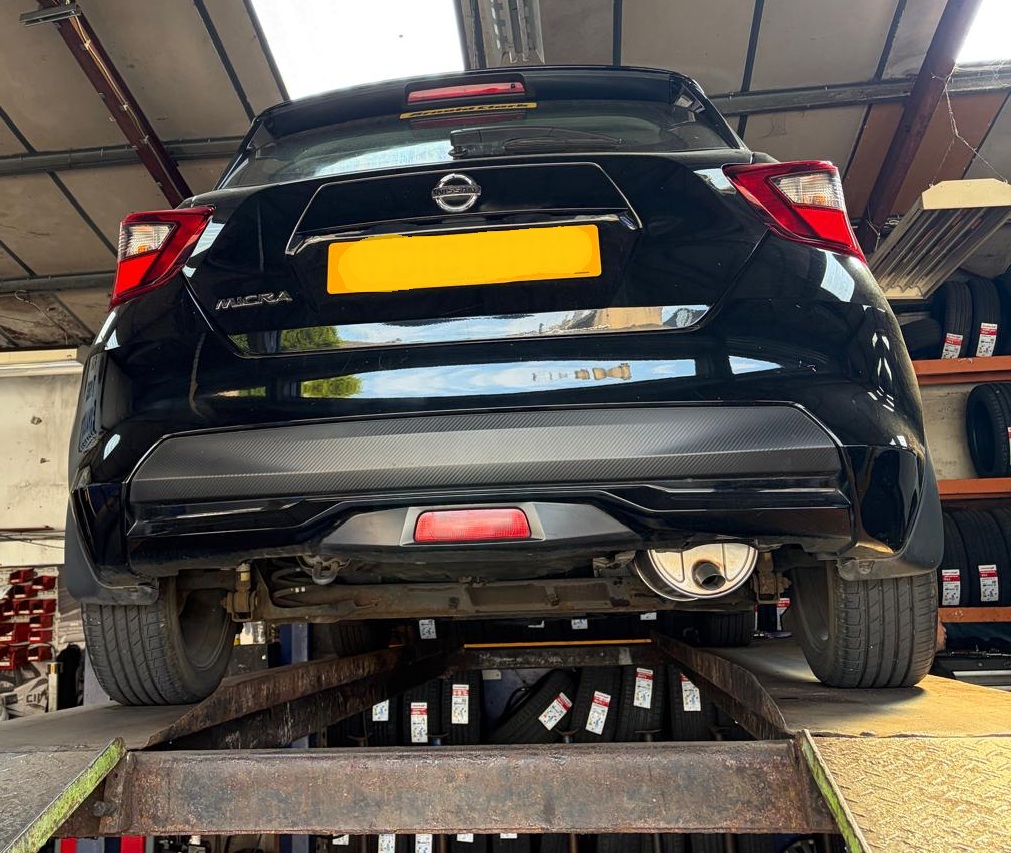
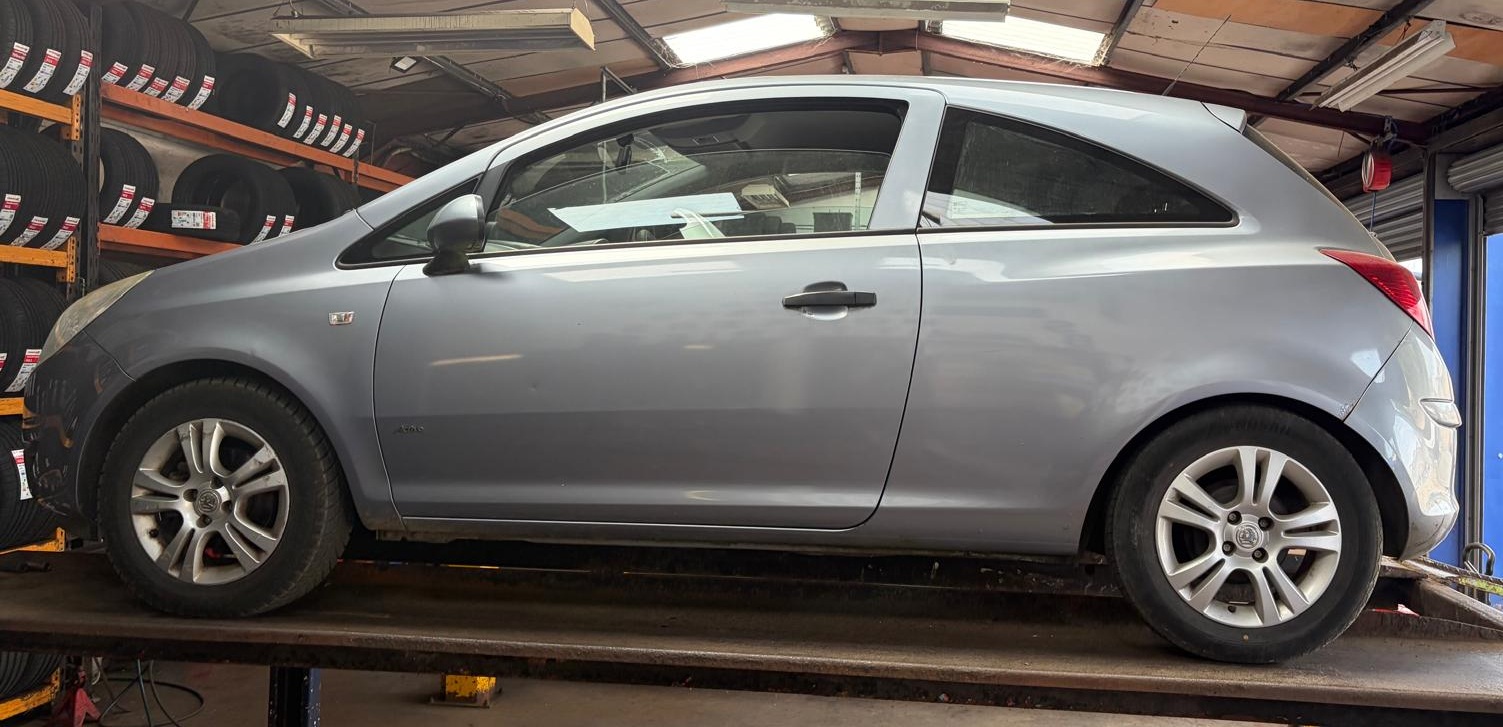
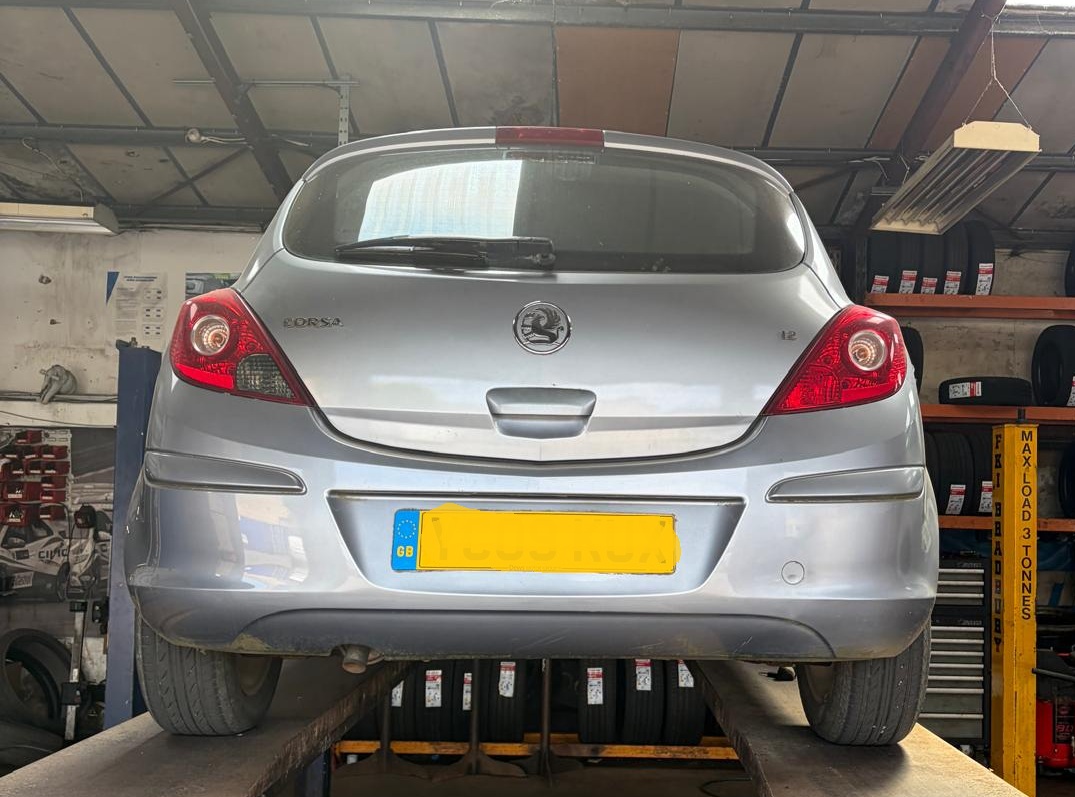
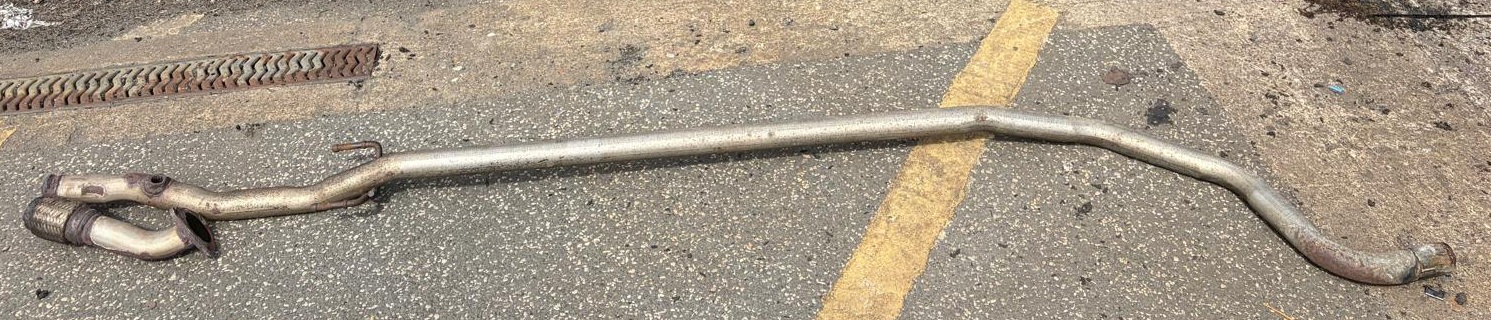
A customer brought in a Vauxhall Corsa with an extremely noisy exhaust system.
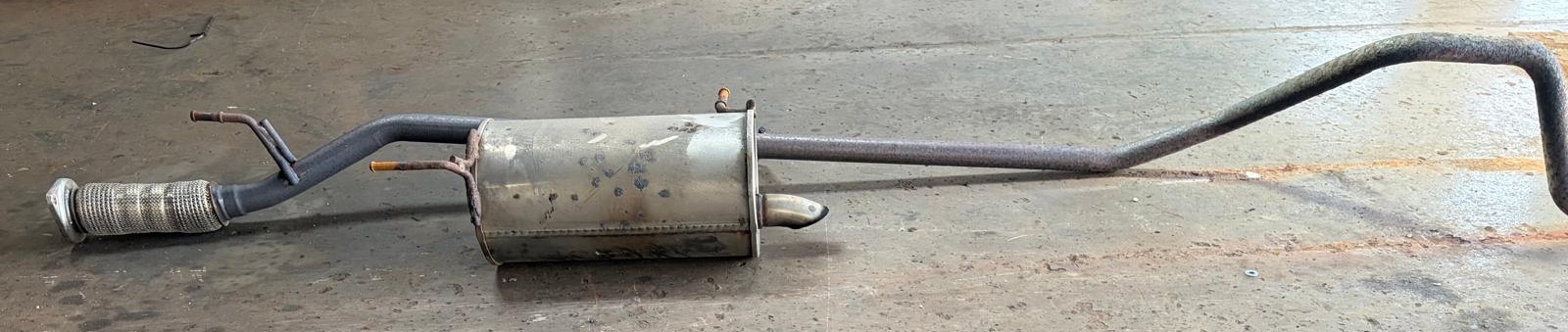
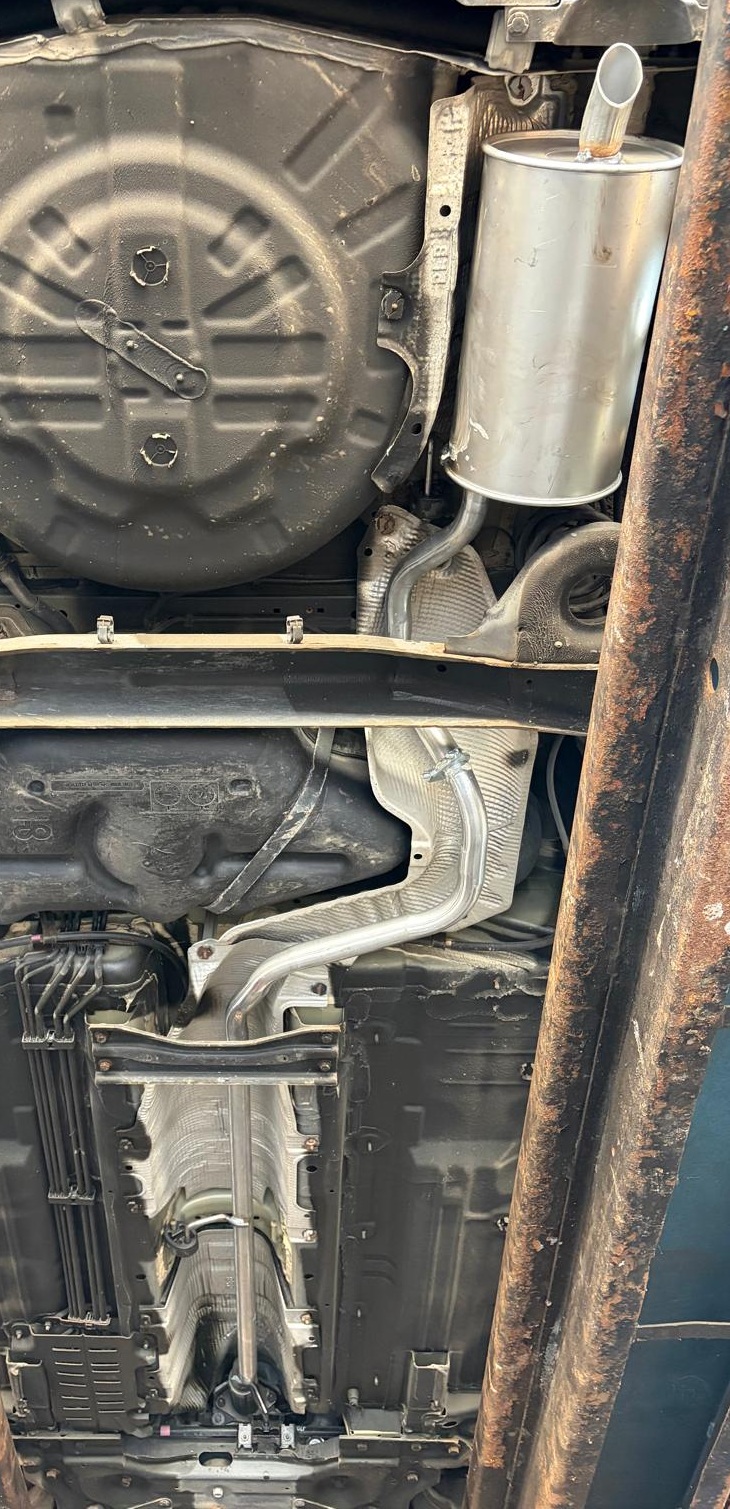
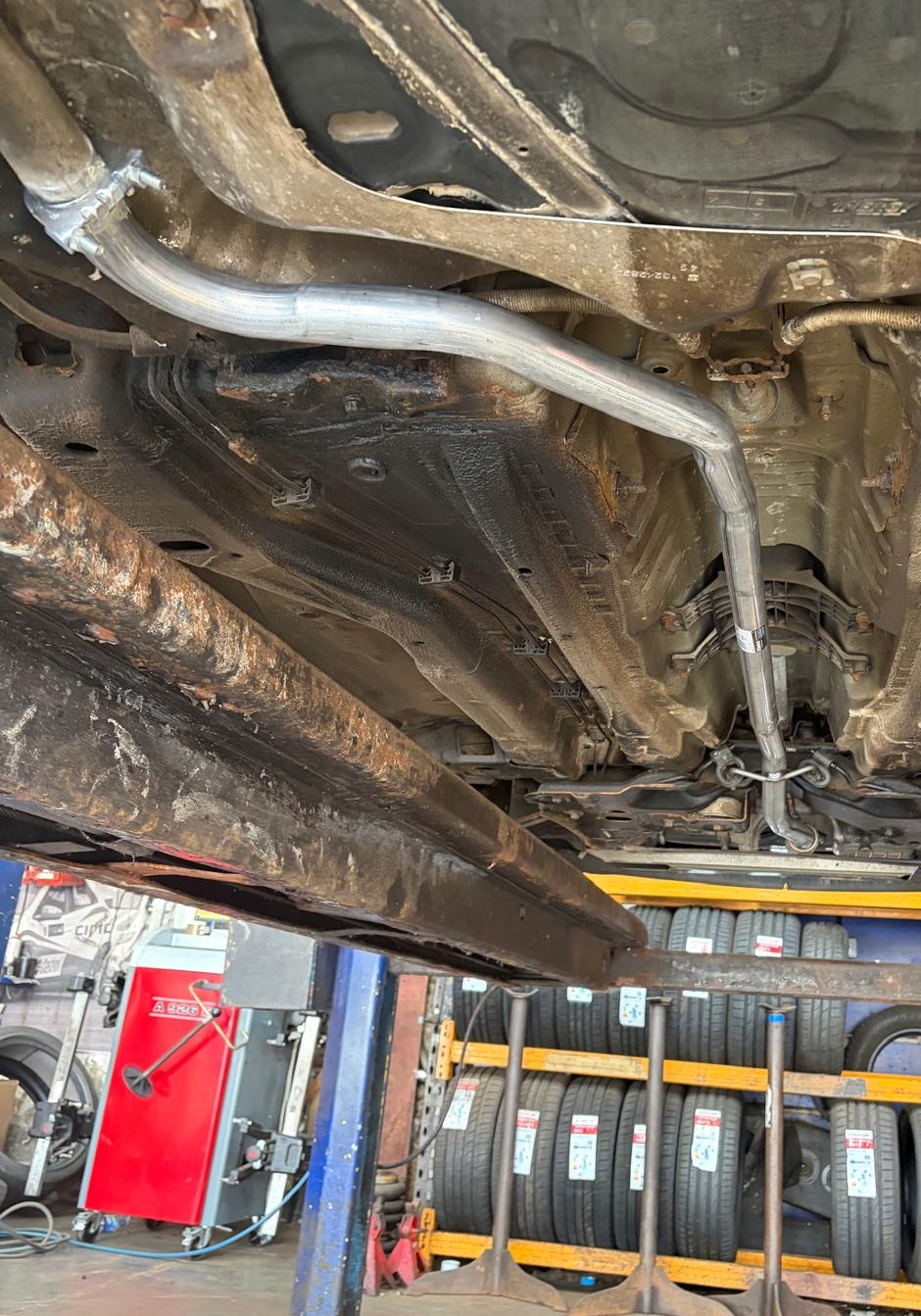
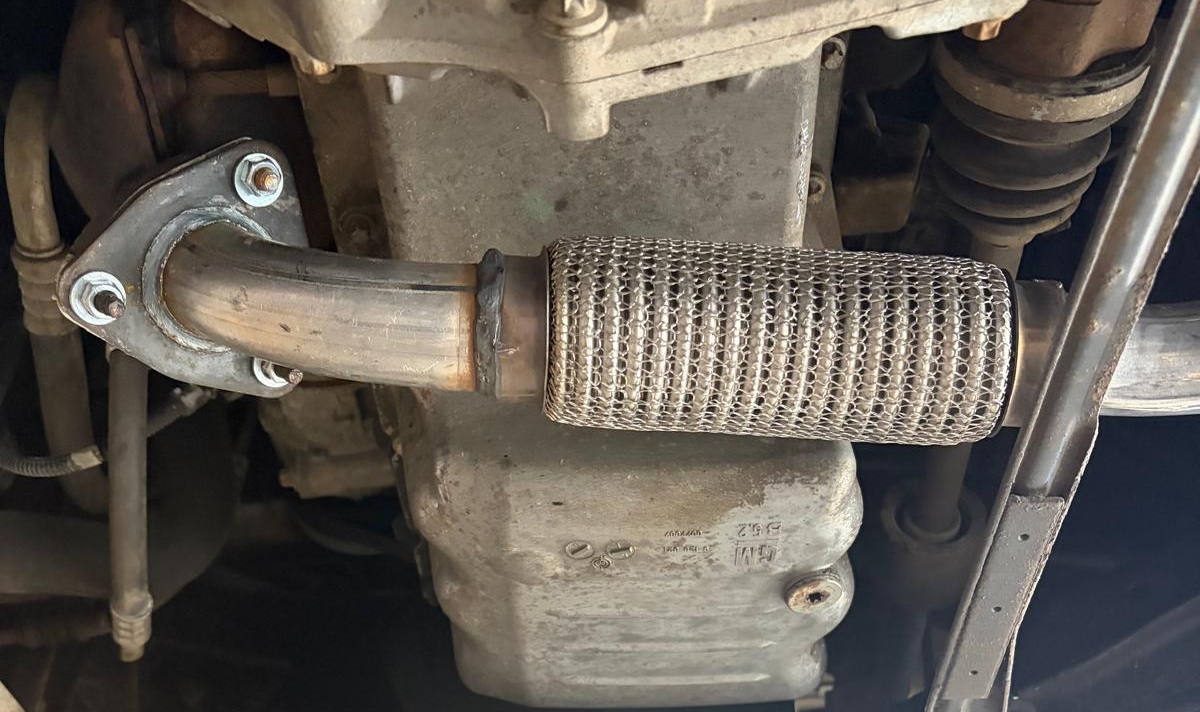
Our mechanic Adam carried out a thorough inspection and quickly found the problem. The front exhaust pipe and the centre pipe had both deteriorated and needed replacing.
After contacting the customer with a quotation, the work was authorised immediately and completed within around an hour. The car left the workshop sounding quiet once again and ready for many more miles of motoring.
A Familiar Sight Throughout Halifax: Vauxhall Corsa for Exhaust System
The Vauxhall Corsa has been one of Britain’s favourite small cars for well over forty years.
Originally launched in 1982 as the replacement for the Vauxhall Chevette, the Corsa quickly became popular thanks to its compact size, affordable running costs and dependable engineering.
Since then, millions have been sold across Europe.
Whether you’re driving through Halifax town centre, climbing the hills around Sowerby Bridge or travelling between Elland and Brighouse, you’ll see plenty of Corsas still providing reliable everyday transport.
Many first-time drivers have owned one, whilst countless families have relied upon them for commuting, shopping and school runs.
The fact that so many older Corsas remain on our roads is a testament to their solid engineering.
Why Exhaust Systems Eventually Wear Out
Customers often ask why exhaust systems eventually need replacing.
The answer is quite simple.
Every time your engine runs, hot exhaust gases travel through the system before leaving the tailpipe.
Inside the exhaust are water vapour, acidic gases and condensation.
During short journeys, especially around Halifax and Calderdale, where many drivers make frequent local trips, the exhaust often doesn’t become hot enough to evaporate all of the moisture.
Instead, condensation collects inside the pipes and silencers.
Over many years this moisture gradually corrodes the metal from the inside out.
Road salt used during Yorkshire winters also attacks the outside of the exhaust system.
Eventually the metal weakens until holes develop, joints separate or brackets fail.
When that happens, drivers begin to notice increased exhaust noise, rattles or blowing sounds.
Exhausts Last Much Longer Than They Used To: Vauxhall Corsa for Exhaust System
One thing I’ve noticed over the years is that modern exhaust systems generally last far longer than they did when I first entered the motor trade.
Years ago it wasn’t unusual for cars to require new exhausts every three or four years.
Today many original exhaust systems survive for ten years or even longer.
There are several reasons for this.
Modern manufacturing techniques have improved considerably.
Higher-quality steel is now commonly used.
Protective coatings help prevent corrosion.
Engine management systems also ensure cleaner combustion, reducing the amount of damaging deposits travelling through the exhaust.
Whilst this is excellent news for motorists, it has changed the exhaust replacement business completely.
Buying Exhausts Used To Be Much Simpler
Back in the earlier days of Pellon Tyres, we used to buy exhaust systems in bulk.
Many cars shared similar exhaust designs, and manufacturers produced far fewer model variations.
This meant we could keep large stocks on the shelves.
Buying in volume allowed us to negotiate excellent prices and pass those savings directly on to our customers.
If someone arrived with a noisy exhaust, there was a good chance we already had the parts sitting in our stores.
Repairs could often be completed almost immediately.
Modern cars have changed everything. Vauxhall Corsa for Exhaust System
Today’s vehicles are a very different story.
Manufacturers now produce numerous engine sizes, emissions standards and trim levels.
Even two Corsas built only a year apart may require completely different exhaust components.
Catalytic converters, particulate filters, oxygen sensors and emissions equipment all vary depending upon the exact model.
As a result, exhaust manufacturers now produce thousands of different part numbers.
For an independent garage like ours, it simply isn’t practical to keep every possible exhaust component in stock.
Not only would the investment be enormous, but we’d also need a warehouse far bigger than our current premises.
Storage space is valuable, and modern workshops must also find room for tyres, diagnostic equipment, wheel alignment systems, batteries, servicing parts and many other items.
The days of filling shelves with hundreds of exhaust systems have largely disappeared.
Ordering Parts Has Become Much Faster
Thankfully, whilst we may no longer keep huge stocks ourselves, modern parts distribution has improved dramatically.
Most quality suppliers can deliver exhaust components very quickly.
This allows us to obtain the correct parts without asking customers to wait for days.
That was exactly the case with this Vauxhall Corsa.
The correct front pipe and centre pipe were sourced promptly, fitted professionally and tested before the vehicle was returned to its owner.
Looking Beyond The Original Problem: Vauxhall Corsa for Exhaust System
One thing we always encourage at Pellon Tyres is to inspect the vehicle properly rather than simply replacing the obvious faulty component.
Whenever we work on an exhaust system, we also check the mounting rubbers, brackets and surrounding components.
Sometimes a small problem can lead to additional strain elsewhere in the system.
By checking everything thoroughly, we help reduce the chances of further problems developing shortly afterwards.
Keeping Calderdale Drivers Moving
Running a busy independent garage means every day brings something different.
One minute we’re carrying out air-conditioning servicing because of a Yorkshire heatwave.
That’s one of the reasons I’ve enjoyed this trade for so many years.
No two days are ever exactly the same.
This Vauxhall Corsa repair was another example of how straightforward maintenance can make a huge difference.
Instead of driving around with an increasingly noisy exhaust, the customer was able to collect a much quieter, more pleasant car just a short while later.
As vehicles become increasingly complex, one thing remains unchanged.
Whether it’s an exhaust, a set of tyres or an air conditioning service, good workmanship, honest advice and looking after the customer will always be at the heart of what we do here at Pellon Tyres in Halifax.
It’s an approach that has served us well for many years and one that we’ll continue to follow for many more.
https://www.pellonautocentre.com/wp-content/uploads/2024/07/pellon-tyres-logo-509x321.jpg00Eric Robertshttps://www.pellonautocentre.com/wp-content/uploads/2024/07/pellon-tyres-logo-509x321.jpgEric Roberts2026-06-25 14:22:132026-06-25 14:23:13Vauxhall Corsa for Exhaust System
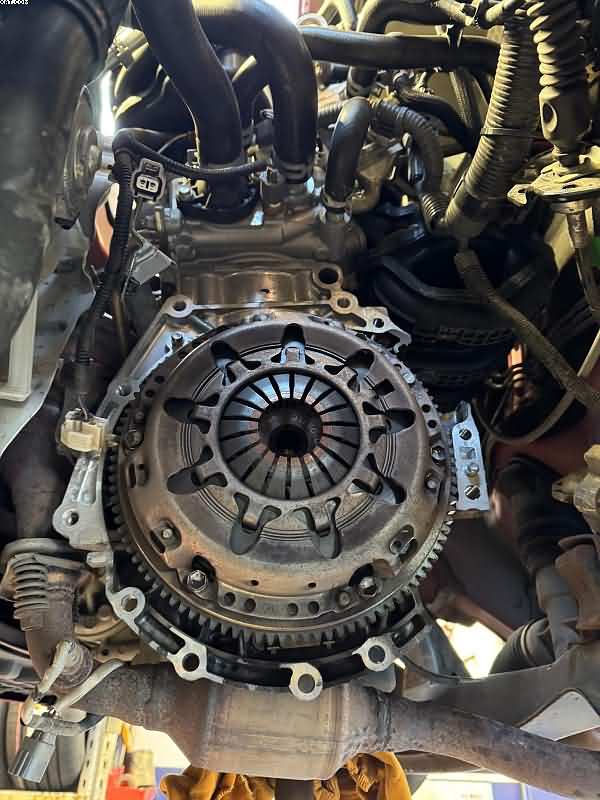
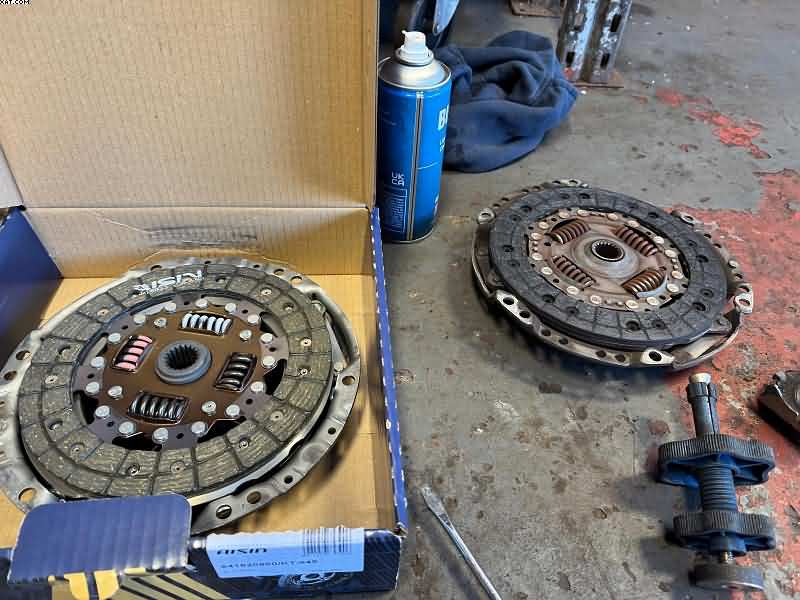
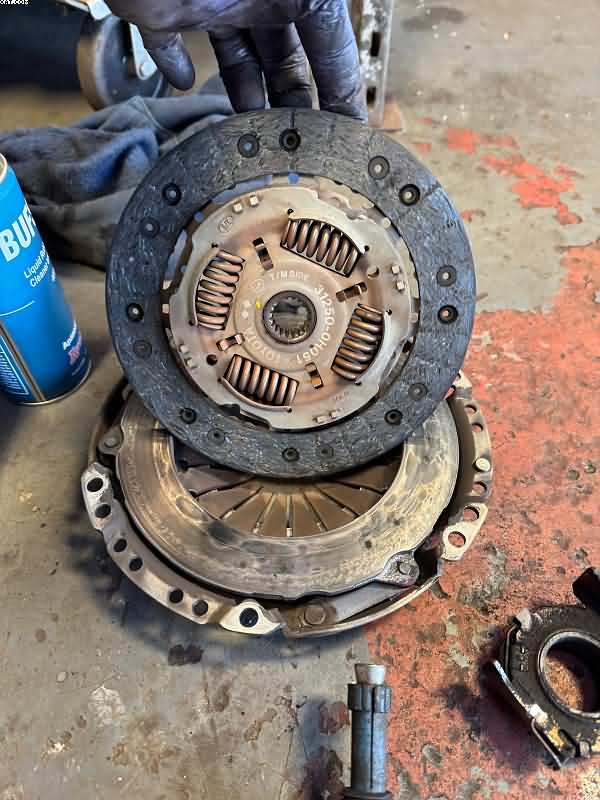
A small Peugeot 108 recently rolled into the garage at Pellon Autocentre in Halifax, and the problem was immediately apparent: a slipping clutch. A slipping clutch is one of those issues that you can practically diagnose before you ever open the bonnet, according to those of us who have been tinkering with automobiles for years. The warning indicators? Slow motion with a revving engine give the impression that the car is saying, “I’m trying!” but isn’t moving very quickly.
The Peugeot 108 is a brash little city car that’s great for navigating the winding backroads of Calderdale or sprinting to the Piece Hall in Halifax’s winding streets. First-time drivers and those seeking a dependable runaround without going over budget frequently choose it. However, it is susceptible to wear and tear like any other car, particularly when it comes to parts like the clutch.
The reason a clutch slips? Peugoet 108 Clutch Slipping
Peugoet 108 Clutch Slipping
A mixture of wear, driving habits, and perhaps a little bit of bad luck can lead to clutch problems. Below is a summary of typical causes:
1. The clutch plate is worn. Similar to a brake pad, the clutch plate is made to deteriorate with time. Slippage results from the plate’s inability to adequately grasp the flywheel if it gets too thin. Particularly for vehicles like the Peugeot 108, which frequently see a lot of stop-start driving in towns and cities, it is a normal byproduct of use.
2. Contamination by Oil A slick surface that lowers friction is produced if oil seeps onto the clutch plate from the engine or gearbox. Although it is more prevalent in older vehicles, a seal failure can nonetheless impact more recent models.
3. Getting on the clutch At some point, we’ve all been guilty of holding the clutch pedal at the biting point for too long or keeping it partially depressed while driving. This behaviour may eventually result in excessive heat and wear, which could cause slippage.
4.Excessive workload Despite being a competent small car, the Peugeot 108 is not built to tow large objects. The clutch is subjected to more strain when the car is overloaded, which speeds up wear.
5 Defective Clutch Parts Sometimes a mechanical malfunction—perhaps a hydraulic system failure or a pressure plate not exerting enough force—occurs instead of wear.
Peugoet 108 Clutch Slipping
The Solution: Peugoet 108 Clutch Slipping
The diagnostic for our customer’s Peugeot 108 was a worn clutch plate. Alex, our clutch specialist, promptly removed the old clutch and replaced it with a brand-new, high-quality one. As usual, we advised staying away from aftermarket cheapies because they frequently result in repeat business. By the end of the day, the 108 had fully recovered and was ready to navigate the hills of Halifax with ease.
An Overview of the History of the Peugeot 108
The Peugeot 108, Citroën C1, and Toyota Aygo are the three vehicles that were created in collaboration with Toyota. The Peugeot 108 was created with urban living in mind when it was introduced in 2014 as a successor for the 107. It was popular with drivers who sought a car that was affordable to operate and easy to park because of its small size, powerful engines, and fashionable appearance.
Although the 108’s DNA is largely similar to that of its siblings, Peugeot gave it a unique personality. It appealed to a younger demographic with its abundance of personalisation possibilities, including two-tone paint jobs, vibrant interiors, and technological improvements. They can be seen scuttling up and down the cobbled streets even here in West Yorkshire.
Local Driving Culture: Peugeot 108 Clutch Slipping
A clutch that works properly is crucial in towns like Halifax, where daily driving involves tight streets and steep inclines. Climbing the hill of Wainhouse Tower with a clutch on the verge of failure is a daunting task. Many problems can be avoided later on with routine maintenance and early wear detection.
Whether it’s a clutch replacement or a simple check-up, we at Pellon Autocentre are always pleased to help keep vehicles like the Peugeot 108 on the road. Therefore, stop by and see us if you’re ever in the region and your car isn’t feeling well. And keep in mind that maintaining the clutch will enable you to travel our lovely local roads for many years to come.
This is in reply to your tweet, “Why Your Employees May Be Looking to Quit. ”.
The State of the Auto Repair Industry in 2026
People often ask me what I think about the state of the motor trade today. As someone who has owned and run a garage in Halifax, West Yorkshire, for almost fifty years, I have seen many changes come and go. We have survived recessions, fuel crises, changing governments, new vehicle technology, and more recently, the rise of electric vehicles and increasing business costs.
So, what is the current state of the auto repair industry?
The answer is not straightforward because there are many factors involved. However, in my opinion, one thing remains as important today as it was when I first started in business back in 1989: how you treat people.
By people, I mean both your customers and your staff.
Looking After Your Staff: State of the Auto repair Industry
Over the years, I have learned that good employees are worth their weight in gold. Many of my staff have been with me for a long time, and I regard them as part of the Pellon family.
When times become difficult, it is often the small and medium-sized garages that come through strongest. One of the reasons for this is that independent businesses tend to have closer relationships with their employees.
We all hear stories about large national chains putting pressure on staff to sell additional work or meet targets. I have never believed in that approach. Customers are not stupid. They can usually tell when they are being sold something they do not need.
At Pellon Tyre and Autocentre, I have always preferred to reward staff through sensible bonus schemes and by creating a workplace where people feel valued. The bonuses are not linked to selling unnecessary repairs. Instead, they recognise hard work, loyalty, and teamwork.
I am proud to say that many of my staff have established good lives for themselves, bought homes, raised families, and built successful careers within the business.
That is how it should be.
Customers Can Spot a Good Garage
One thing I have noticed over the years is that customers appreciate honesty.
If a vehicle needs repairs, then we explain why. If it does not need repairs, then we say so.
Sometimes we repair components rather than replacing expensive assemblies. Sometimes we can weld a new flexi pipe into an exhaust system rather than fitting a complete exhaust. Sometimes a legal puncture repair will save a customer the cost of a new tyre.
We are not in the business of creating work. We are in the business of solving problems.
Customers remember that.
Many of our customers have been coming to us for years. Some now bring their children and grandchildren to us. That level of trust takes decades to build but only moments to lose.
The Technology Revolution: State of the Auto repair Industry
One of the biggest changes in recent years has been vehicle technology.
Today’s cars are effectively computers on wheels. Modern vehicles are packed with sensors, cameras, radar systems, tyre pressure monitoring systems, driver assistance technology, and complex electronic control units.
Even a routine wheel alignment can involve recalibrating steering angle sensors and safety systems.
At Pellon Tyres, we have had to invest heavily in modern equipment to keep pace with these developments. Our latest wheel alignment equipment and MOT testing systems represent a significant investment, but it is necessary if independent garages are to continue servicing modern vehicles properly.
The days of simply repairing mechanical components are largely gone. Today’s technicians need to be mechanics, electricians, computer operators, and diagnostic specialists all rolled into one.
Electric Vehicles Are Changing the Industry
Electric vehicles are becoming more common on the roads of Halifax and Calderdale.
Although EVs generally require less routine maintenance than petrol and diesel cars, they still need tyres, suspension repairs, wheel alignments, brakes, batteries, air conditioning servicing, and MOT testing.
Many people believed electric vehicles would dramatically reduce work for independent garages. In reality, the industry is adapting and finding new opportunities.
What has changed is the level of training and investment required to work safely on these vehicles.
Garages must continually invest in staff training, specialist tools, and safety equipment.
Rising Costs for Small Businesses: State of the Auto repair Industry
Running a garage today is not cheap.
Energy costs, business rates, wages, National Insurance contributions, equipment purchases, training costs, insurance, waste disposal charges, and environmental regulations continue to increase.
Like many businesses, we are always looking for ways to improve efficiency. Recently, we invested in a new Solax solar energy system at our Halifax depot to help reduce electricity costs and make the business more sustainable for the future.
Every pound saved helps us remain competitive while continuing to provide quality service to our customers.
The Skills Shortage
Perhaps the biggest challenge facing the motor trade today is finding skilled staff.
Across the UK, garages are struggling to recruit qualified technicians.
Many young people are encouraged towards university education, while practical trades are often overlooked. Unfortunately, this has created a shortage of skilled mechanics and technicians.
The irony is that modern vehicle technicians require considerable technical knowledge and often enjoy rewarding careers with excellent prospects.
I firmly believe that apprenticeship schemes are part of the solution.
Some of the best technicians I have worked with started as apprentices. Given the right training, support, and opportunities, young people can build long and successful careers in the motor industry.
Looking Ahead: State of the Auto repair Industry
Despite the challenges, I remain optimistic about the future.
People are keeping their vehicles longer than ever before. Modern cars are expensive to replace, so owners are increasingly choosing to maintain and repair them properly.
That means independent garages continue to play a vital role in keeping Britain moving.
Technology will continue to evolve. Electric vehicles will become more common. Artificial intelligence and advanced diagnostics will become increasingly important. Government regulations will continue to change.
However, the fundamentals remain exactly the same.
Treat customers honestly.
Look after your staff.
Invest in good equipment.
Provide quality workmanship.
And never recommend work that a customer does not need.
Those principles have served Pellon Tyre and Autocentre well for almost fifty years, and I believe they will continue to do so for many years to come.
https://www.pellonautocentre.com/wp-content/uploads/2021/07/breakdown.jpg500760Eric Robertshttps://www.pellonautocentre.com/wp-content/uploads/2024/07/pellon-tyres-logo-509x321.jpgEric Roberts2026-06-05 19:39:072026-06-06 09:20:11State of the Auto repair Industry
https://www.pellonautocentre.com/wp-content/uploads/2024/07/pellon-tyres-logo-509x321.jpg00Eric Robertshttps://www.pellonautocentre.com/wp-content/uploads/2024/07/pellon-tyres-logo-509x321.jpgEric Roberts2026-05-03 11:52:162026-05-03 11:53:36Is DIY Car Repairing Dead
For many Yorkshire motorists, the yearly MOT has always been one of those unavoidable necessities—a quick health check that keeps everyone safe on the road. But today, with the cost-of-living crisis biting hard across the UK, more drivers than ever are feeling the financial pressure when MOT time comes around.
Here in Halifax, Huddersfield, Bradford, and the surrounding areas, we’re seeing a real mix of experiences. Some drivers still budget carefully, keeping their vehicles in good shape and booking their MOT as soon as the reminder lands. Others, understandably, are struggling and putting things off for as long as possible. Unfortunately, that delay can often make things worse.
Why Yorkshire Drivers Are Feeling the Squeeze
It’s no secret that household budgets have been hammered recently. Rising fuel prices, climbing insurance rates, and everyday living costs all play their part. When you add an MOT fee and the possibility of repair bills on top, it’s not surprising some drivers worry they simply can’t afford it.
But the MOT test is still a legal requirement—and more importantly, it ensures your vehicle is safe. Our roads across West Yorkshire have never been busier, especially after the post-COVID surge in commuting and local travel. With heavier traffic comes greater wear on vehicles, making the MOT even more essential.
At Pellon Tyre & Autocentre here in Halifax, we see this firsthand every day. Thankfully, many of our customers take the MOT seriously and even appreciate the peace of mind it brings. Knowing your brakes, suspension, tyres, and steering are all safe makes a world of difference on the road—particularly during a Yorkshire winter!
How We Help Drivers Stay Ahead: MOT Costs Rising for Yorkshire Drivers
One of the things we’ve implemented at Pellon Autocentre is a simple but highly effective reminder system. Our regular customers get notified well before their MOT expires, giving them time to plan and budget. Very rarely does anyone miss their test with us—and if they do, it’s usually sorted quickly.
We also try to complete any repairs on the same day where possible, meaning fewer people are left without a car when they need it most.
Unfortunately, not everyone in the UK is managing well. Reports show that in areas with lower income levels, increasing numbers of cars are being driven without a valid MOT. That’s worrying — not only because it’s illegal, but because unsafe vehicles put everyone at risk.
Some drivers simply prioritise other expenses, believing the MOT is something they can “get around to later”. The problem is, defects don’t wait. Worn brake pads, bald tyres or broken springs can deteriorate quickly, leading not only to a failed MOT but potentially to breakdowns or accidents.
Yorkshire is generally better than some regions, but we still see our fair share of vehicles coming in with issues that should have been checked months earlier.
Why MOT Costs Are Worth It in the Long Run: MOT Costs Rising for Yorkshire Drivers
An MOT isn’t designed to catch you out—it’s designed to keep you safe. Think of it as a small annual investment that can prevent a very expensive repair or a dangerous situation on the road.
Here are a few examples we see every week at Pellon Autocentre:
Tyres worn beyond the legal limit — especially on the inner edge where drivers can’t see
Broken suspension springs, a common issue on Yorkshire’s pothole-filled roads
Corroded brake pipes
Faulty steering joints
Excessive emissions, especially on older diesels
Many of these faults offer little or no warning. Without the MOT, you simply wouldn’t know.
A Yorkshire Perspective: We’re All in This Together: MOT Costs Rising for Yorkshire Drivers
Life in Yorkshire has always come with its challenges, but one thing that makes our region special is that sense of looking out for one another. At Pellon Tyres, we feel we’re part of that tradition. We’re not just testing cars — we’re keeping families safe, helping people stay on the road for work, and doing our bit to support the community.
And while MOT costs might feel like yet another burden, the test remains one of the most reliable ways to avoid long-term expense. A quick fix now is nearly always cheaper than a breakdown on the A629 or a ruined suspension on the road to Queensbury.
Many drivers tell us that the hardest part isn’t the MOT fee itself, but the unexpected repairs that pop up after another year of battling Yorkshire’s potholes, motorway miles and stop-start town traffic. Suspension arms, worn brake pads, broken springs and ageing exhausts are becoming increasingly common, especially on older cars people are hanging onto for longer because money is tight.
Here at Pellon Tyre & Autocentre, we’re seeing a real shift: motorists want honest advice, clear pricing and repairs that keep their vehicles safe without breaking the bank. It’s a challenging time for everyone, but regular servicing, tyre checks and keeping on top of the small jobs can often prevent far bigger bills when MOT season comes around.
Drivers Still Trying to Do the Right Thing
At Pellon, we’re actually impressed by how many people stay organised. A lot of our regulars set money aside or budget ahead, knowing that their car might need a bit of work each year. Many even thank us for spotting small safety issues early — things like worn brake pads, tired tyres, cracked springs, or rusty sections that could fail dramatically if left too long.
To make life easier, we run an MOT reminder system so our customers don’t accidentally miss their due date. Once they get the notification, most book straight away, and it’s rare anyone ends up overstaying their test window. That’s a credit to Yorkshire drivers, who in general want their vehicles roadworthy and safe for their families.
Why MOT Repairs Are Getting More Expensive: MOT Costs Rising for Yorkshire Drivers
It isn’t the test fee that’s the problem — that’s still capped and hasn’t changed for years. It’s everything underneath the car that costs more now:
Parts have risen in price, especially suspension components and electronic sensors.
Modern cars are more complex, so repairs take longer to diagnose and fix.
Energy and running costs have gone up for every garage in the country.
Imports are more expensive due to global shipping and exchange rates.
A simple job from ten years ago might now involve specialised tools, reprogramming, and more labour time. None of this is the fault of drivers—it’s just the way the industry has moved.
Yorkshire Roads Aren’t Helping
Ask anyone who drives around Halifax, Sowerby Bridge or Queensbury — the potholes are getting worse every winter. These battered roads cause:
Split springs
Damaged tyres
Knocking suspension arms
Broken drop links
Bent wheels
All of which are common MOT failures, especially during the colder months.
It’s not surprising that MOT costs feel as though they’re rising—because many vehicles do actually need more repairs just to stay roadworthy in Yorkshire conditions.
What Drivers Can Do to Manage the Cost
There are a few sensible things motorists can do to spread the cost and avoid nasty surprises:
1. Book the MOT early
You can have your MOT up to a month minus a day before expiry. If your car fails, you have time to plan repairs without losing your MOT date.
2. Keep on top of smaller jobs
A quick check of tyres, lights, wipers, and fluid levels can prevent unnecessary failures.
3. Choose a trusted garage
A good MOT station won’t fail cars unnecessarily or “try it on.” At Pellon Tyres, our team has decades of experience, and we’ll always explain clearly what’s needed and why.
4. Combine your service with the MOT
This often means issues are spotted earlier, before they reach failure level.
A Look Ahead: MOT Costs Rising for Yorkshire Drivers
The big question many Yorkshire drivers now ask is whether MOT costs will continue to rise. With government consultations regularly floating the idea of increasing the MOT interval to every two years, most garages—including ours—believe this would actually cost drivers more in the long run. Less frequent checks mean faults go unnoticed for longer, repairs become more expensive, and safety takes a nosedive. For now, the MOT remains yearly, and despite financial pressures, it’s still the most cost-effective way to keep a car reliable.
Final Thoughts: MOT Costs Rising for Yorkshire Drivers
Times are tough, and MOT costs feel heavier than ever, but Yorkshire drivers are a resilient lot. Most still treat road safety as a priority, and with regular maintenance, the MOT doesn’t have to be a financial nightmare. At Pellon Tyre & Autocentre, we’re proud to help our community keep their cars safe and reliable—whatever the economy throws at us.
We may request cookies to be set on your device. We use cookies to let us know when you visit our websites, how you interact with us, to enrich your user experience, and to customize your relationship with our website.
Click on the different category headings to find out more. You can also change some of your preferences. Note that blocking some types of cookies may impact your experience on our websites and the services we are able to offer.
Essential Website Cookies
These cookies are strictly necessary to provide you with services available through our website and to use some of its features.
Because these cookies are strictly necessary to deliver the website, refusing them will have impact how our site functions. You always can block or delete cookies by changing your browser settings and force blocking all cookies on this website. But this will always prompt you to accept/refuse cookies when revisiting our site.
We fully respect if you want to refuse cookies but to avoid asking you again and again kindly allow us to store a cookie for that. You are free to opt out any time or opt in for other cookies to get a better experience. If you refuse cookies we will remove all set cookies in our domain.
We provide you with a list of stored cookies on your computer in our domain so you can check what we stored. Due to security reasons we are not able to show or modify cookies from other domains. You can check these in your browser security settings.
Other external services
We also use different external services like Google Webfonts, Google Maps, and external Video providers. Since these providers may collect personal data like your IP address we allow you to block them here. Please be aware that this might heavily reduce the functionality and appearance of our site. Changes will take effect once you reload the page.