Why Does My Car Pull to One Side When Braking?
Why Does My Car Pull to One Side When Braking?
Table of Contents
Why Does My Car Pull to One Side When Braking?
A car should remain steady and travel in a reasonably straight line when the brakes are applied. If the steering wheel pulls sharply to the left or right whenever you slow down, then something is not working as it should.
This is not a fault that drivers should ignore. A slight pull may not feel too serious when driving slowly around Halifax, but it could become much more noticeable during an emergency stop or when braking on one of Calderdale’s wet and hilly roads.
At Pellon Tyre and Autocentre, we regularly inspect cars after their owners notice a change in the way they brake. Sometimes the problem has appeared gradually, while on other occasions the car has suddenly started pulling to one side.
There are several possible causes, so a proper inspection is always needed before any repair work is recommended.
Why Does My Car Pull to One Side When Braking?
The most common reason is that the braking force is not equal on both sides of the vehicle.
When you press the brake pedal, the brakes on both front wheels should apply with a similar amount of force. If one brake is working properly but the other is sticking, seized or not applying fully, one side of the car may slow down more strongly than the other.
This difference in braking force can make the car move towards one side. The steering wheel may also try to turn in the driver’s hands.
It is particularly important to have this checked because the fault might affect how quickly the car can stop.
A Sticking or Seized Brake Calliper
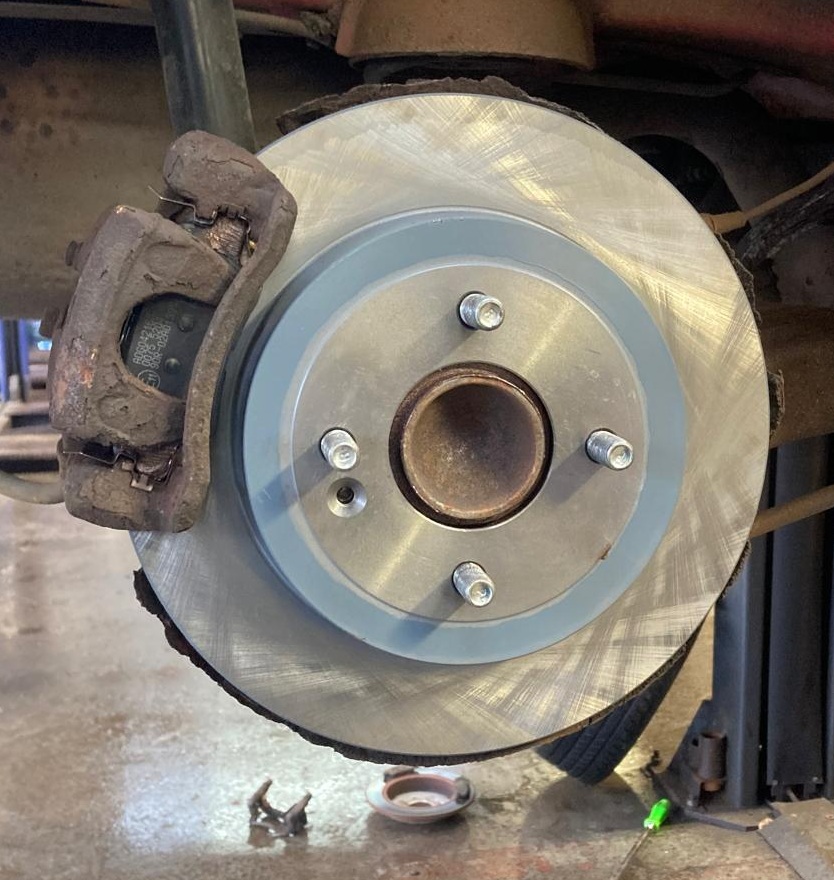
One possible cause is a stuck brake calliper. The calliper holds the brake pads and presses them against the brake disc when the pedal is applied.
Callipers operate in difficult conditions. They are exposed to rain, road dirt, salt and the general muck found on our Yorkshire roads. Over time, the calliper piston or its sliding components can begin to seize.
If a calliper does not apply properly, the brake on that wheel may be weaker than the one on the opposite side. Alternatively, a calliper may remain partly applied after the driver releases the brake pedal.
A binding brake can make one wheel unusually hot. The driver may notice a burning smell, reduced performance, poor fuel economy or excessive brake dust on one wheel. In severe cases, the car may pull even when the brakes are not being applied.
Drivers should not touch a wheel or brake assembly to investigate because it could be extremely hot. The safest answer is to let a garage inspector inspect it.
Worn or Contaminated Brake Pads
Unevenly worn brake pads can also cause a difference in braking force.
One pad may be badly worn, while the pad on the opposite wheel still has plenty of material remaining. This can happen because of a sticking calliper, seized slider or another fault within the braking system.
Brake pads can also become contaminated by oil, grease or leaking brake fluid. Once contaminated, the pad may not grip the disc properly. Simply replacing the pad without finding the source of the contamination would not solve the underlying problem.
This is why we examine the complete braking system rather than replacing parts based only on a driver’s description.
Problems With the Brake Discs
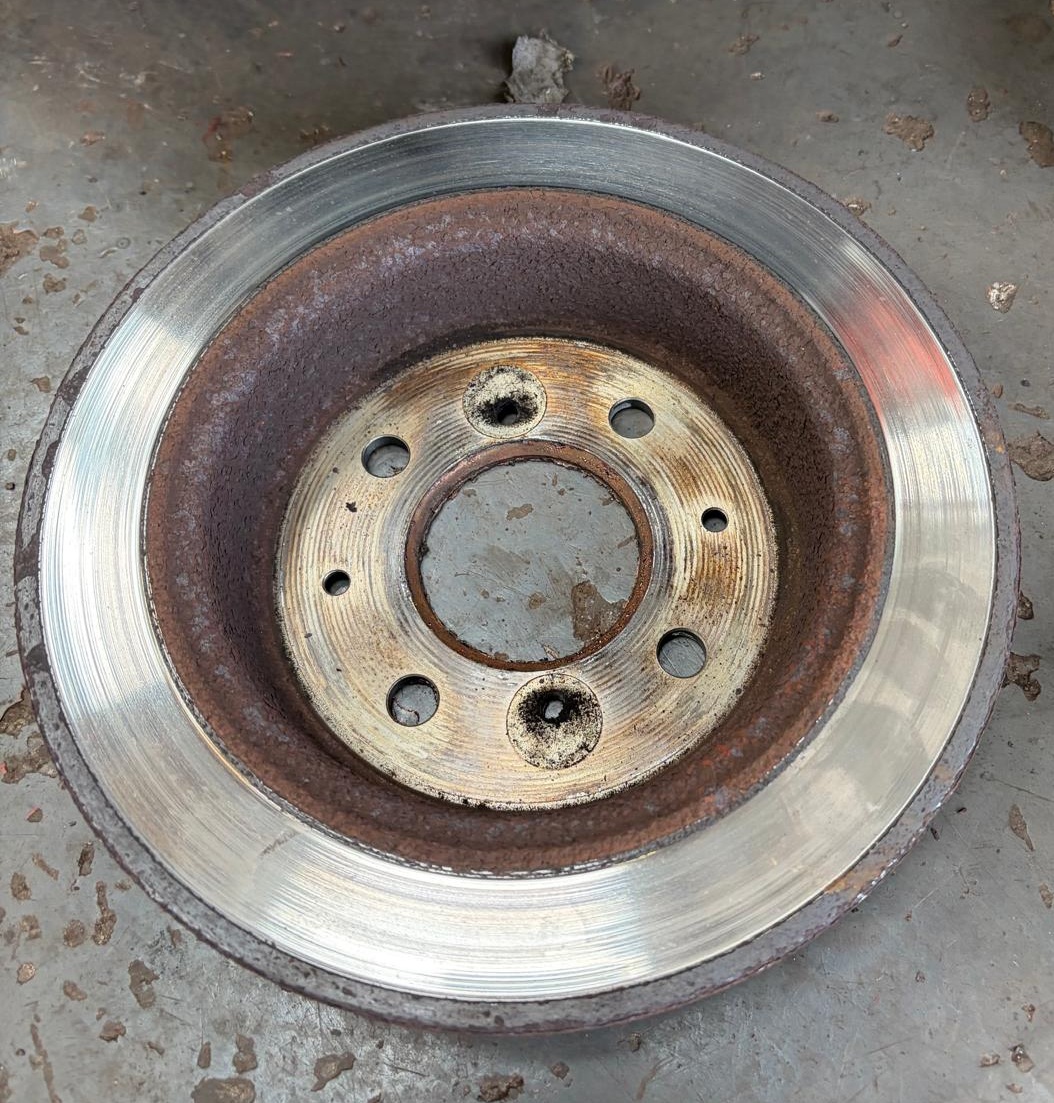
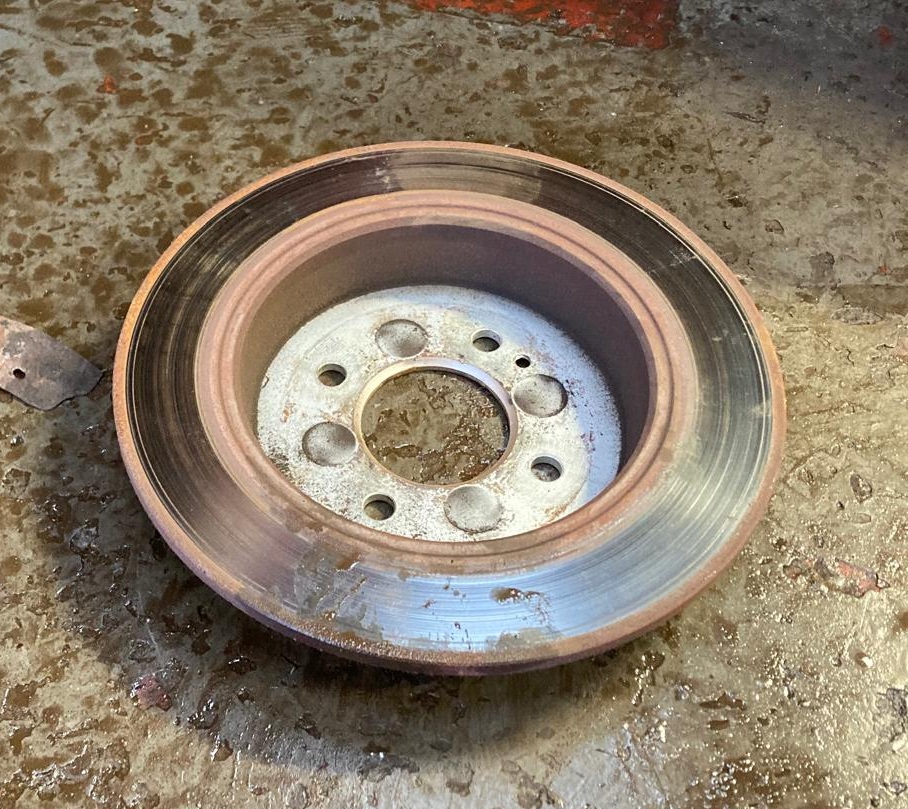
Brake discs need to provide a smooth and sound surface for the pads to work against. Heavy corrosion, excessive wear or damage can affect braking performance.
Cars that are used only occasionally can sometimes develop rusty brake discs, especially after standing outside during wet Yorkshire weather. A light coating of surface rust may clear during normal braking, but severe corrosion can damage the braking surface and reduce its effectiveness.
If one disc is in much poorer condition than the other, the vehicle may pull when braking. The driver might also feel vibration through the steering wheel or a pulsing sensation through the brake pedal.
Brake discs and pads are normally inspected and replaced in axle pairs so that braking performance remains balanced from side to side.
Could a Brake Hose Cause the Problem?
Flexible brake hoses carry brake fluid to the brakes while allowing the wheels and suspension to move.
An ageing or damaged hose can sometimes deteriorate internally. This may restrict the flow of brake fluid even though the outside of the hose does not look particularly alarming.
The result may be delayed brake application or a brake that does not release correctly. These faults require careful diagnosis because they may not be obvious during a quick visual check.
A brake-fluid leak is even more serious. If the brake warning light appears, the pedal feels unusually soft or the fluid level has dropped, the car should not simply be driven around until somebody has time to look at it.
Tyres Can Also Make a Car Pull Sideways
Not every pulling problem is caused by the brakes themselves.
A badly underinflated tyre can make a car pull towards one side. Uneven tyre wear, mismatched tyres or tyre damage may also affect the vehicle’s behaviour when braking.
Tyre pressures should be checked when the tyres are cold and adjusted to the vehicle manufacturer’s recommended figures. These can normally be found in the handbook, inside the fuel flap or on a label around the driver’s door opening.
Here in Halifax and Calderdale, potholes and damaged road surfaces can take their toll on tyres, wheels, steering and suspension. If a car has hit a deep pothole, it is worth checking for tyre damage and changes in the way the vehicle drives.
Wheel Alignment and Suspension Faults
Incorrect wheel alignment can make a car drift or pull during ordinary driving. Braking may make the problem feel worse because the vehicle’s weight moves forwards as it slows down.
However, wheel alignment should not be used to disguise a brake or suspension fault. Before carrying out an alignment, the steering, tyres and suspension need to be in a suitable condition.
Worn suspension bushes, damaged springs, weak shock absorbers or worn steering components can all affect stability under braking. A vehicle may feel reasonably settled at a steady speed but become unsettled when the brakes are applied.
This is one reason why guessing at the cause can become expensive. A proper inspection allows the actual fault to be found before parts are ordered.
Will Pulling Brakes Fail an MOT Test?
Braking performance is checked during the MOT test. The brake tester measures the effort produced at the wheels and can identify a significant imbalance across an axle.
A vehicle that deviates excessively from a straight line during an approved road brake test can also fail. Depending on the severity of the imbalance, the fault may be classed as major or dangerous.
However, drivers should never wait for the next MOT if their car has started pulling under braking. An MOT certificate only confirms that the vehicle met the required standard at the time it was tested. Faults can develop at any point during the following year.
What Should You Do if Your Car Pulls When Braking?
Do not keep testing the fault by carrying out hard braking on public roads. Arrange for the car to be inspected by a qualified garage.
If the pulling is severe, the brake pedal feels different, a warning light is showing, there is a burning smell or you suspect a fluid leak, the safest choice is to stop driving and arrange recovery.
Halifax has plenty of steep roads, busy junctions and changing weather conditions. A braking imbalance that feels manageable on a quiet, dry road could become much more dangerous on a wet descent or during an emergency stop.
At Pellon Tyre and Autocentre, we can inspect the brakes, tyres, steering and suspension to determine why a car is pulling to one side. We never replace parts unless they are needed, and we will always explain what we have found before carrying out the repair.
If your car no longer brakes in a straight line, please do not ignore it. The vehicle is giving you an important warning—and having it checked promptly could help prevent a much larger and more expensive problem.