Avon Tyres Decline
Avon Tyres Decline
Table of Contents
Avon Tyres Decline
Avon Tyres Decline – A British Motoring Legend That Slowly Disappeared
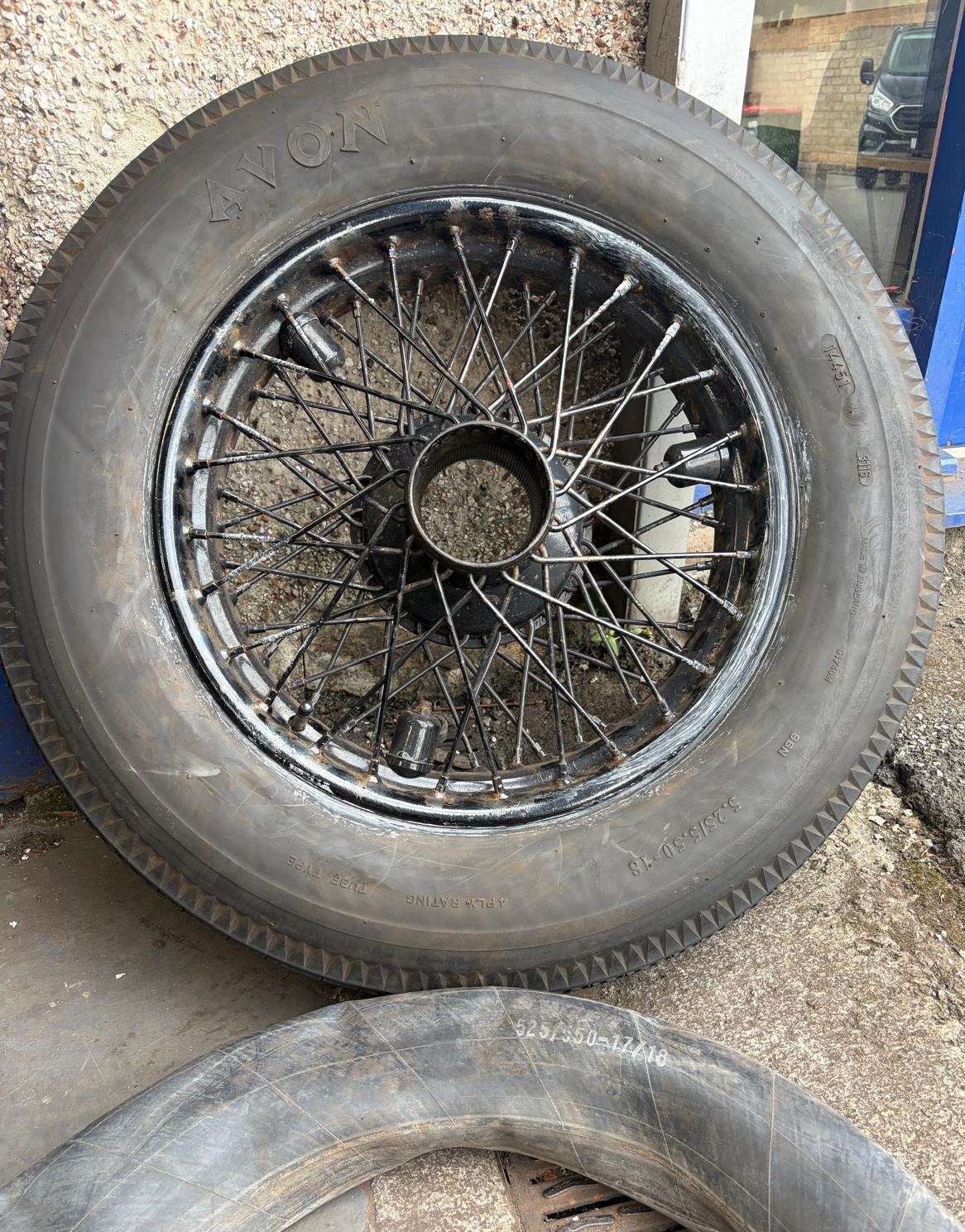
It is always nice when an unusual job turns up at Pellon Tyres because it reminds us just how much the tyre industry has changed over the years.
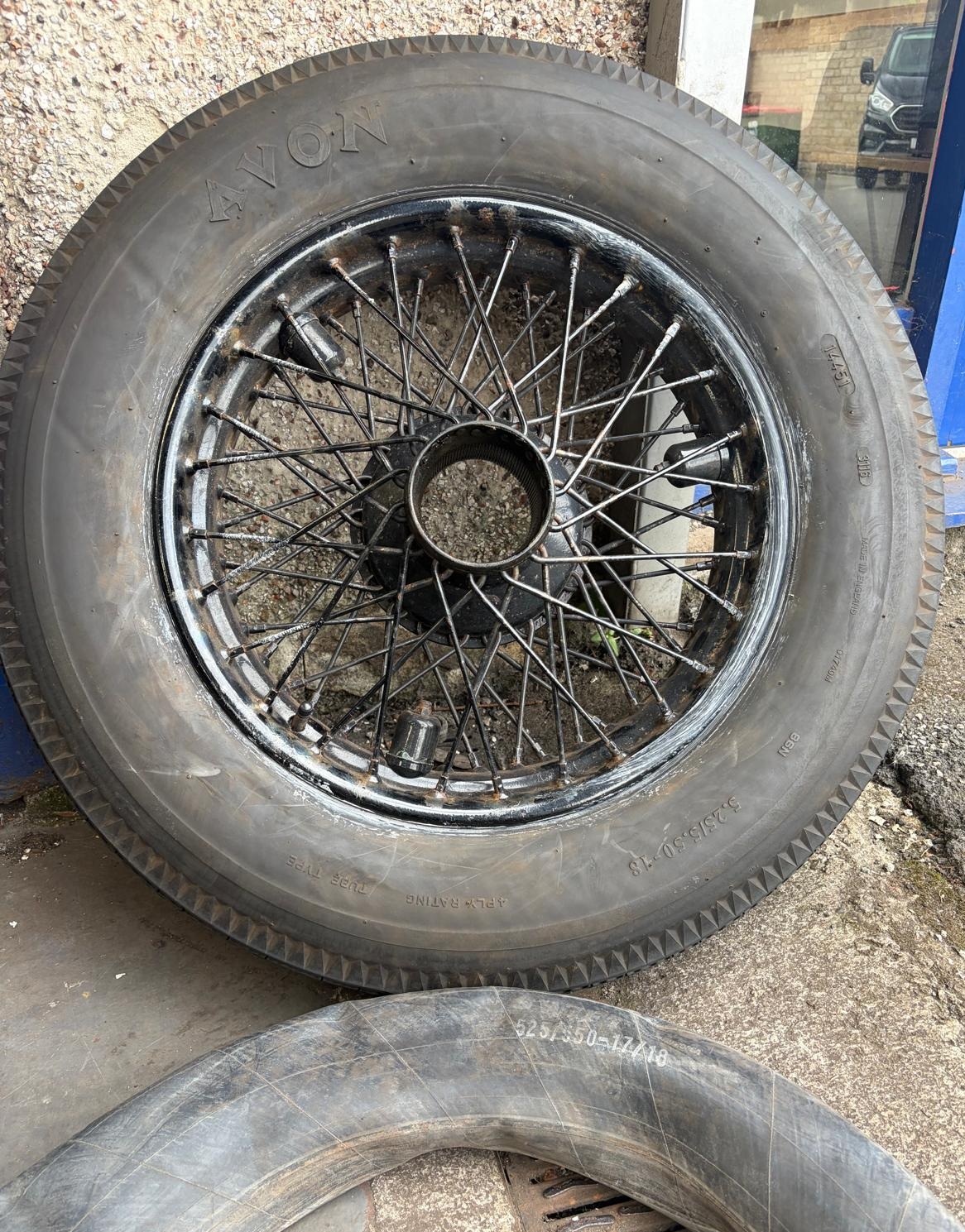
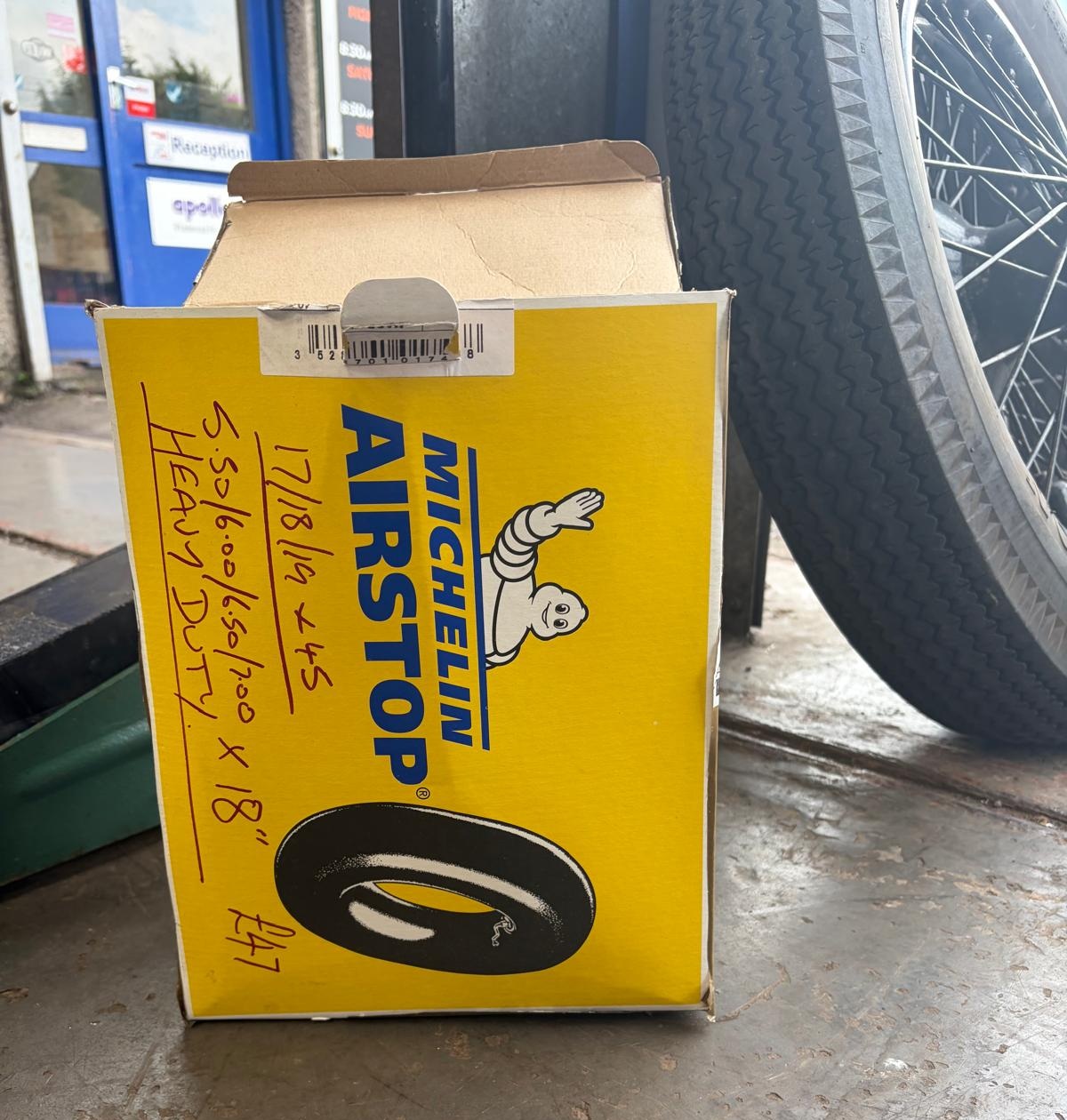
This week, a customer arrived carrying a beautifully restored spoked wheel from a vintage car. The tyre required was an Avon 525/550 x 18 tube-type tyre. While the tyre itself was available, the only inner tube we could source was a Michelin-branded tube, proving just how specialist these old tyre sizes have become.
As I looked at that wheel, it brought back many happy memories of my early days in the tyre trade.
When Avon Was One of Britain’s Biggest Tyre Names: Avon Tyres Decline
For many years, Avon Tyres was one of Britain’s best-known tyre manufacturers. Founded in 1904 at Melksham in Wiltshire, the company built an enviable reputation for producing high-quality tyres for cars, motorcycles and even racing vehicles.
Here in Halifax and across Calderdale, Avon tyres were a familiar sight. We fitted thousands of them over the years, and they earned a loyal following thanks to their dependable performance and British engineering.
If there was one area where Avon truly excelled, it was motorcycle tyres. Riders throughout the UK trusted the Avon name, whether they were commuting to work, touring the countryside or racing at weekends. Even today, many classic motorcycle enthusiasts still search for Avon tyres because of the company’s long-standing reputation.
The Beginning of the End
Like many famous British manufacturing names, the industry changed dramatically.
When Cooper Tire & Rubber Company from America acquired Avon Tyres in 1997, many people hoped the famous British brand would continue to flourish. Sadly, over the years the Cooper name gradually became the company’s main focus in many markets.
From my own experience in the trade, Avon slowly seemed to lose its place in dealers’ catalogues. We found ourselves selling more Cooper products while the familiar Avon range became smaller and smaller.
Eventually, the once-proud British name that had served motorists for generations quietly faded away. It was sad to witness because Avon had been part of the British tyre industry for so many decades.
I’ve probably sold many thousands of Avon tyres during my working life, so watching the brand disappear felt like losing an old friend.
When Cooper acquired Avon Tyres, the once-famous British car tyre range gradually became smaller and smaller. We found ourselves selling more Cooper tyres while Avon car tyres slowly disappeared from dealers’ shelves. Although the Avon name still survives in the motorcycle world, for those of us in the car-tyre trade, it marked the end of an era.
The Days When Almost Every Tyre Needed an Inner Tube: Avon Tyres Decline
That vintage wheel also reminded me how different tyre fitting was when I first entered the trade as a young apprentice.
Back then, virtually every car tyre used an inner tube. Fitting tubes was simply part of everyday life.
Removing the old tube without pinching it, checking it for damage and carefully fitting a new one were all essential skills that every tyre fitter learned.
Even when tubeless tyres first arrived, we still fitted tubes on many occasions.
If a tubeless tyre suffered damage that couldn’t be permanently repaired using the repair methods available at the time, it was often perfectly acceptable to fit an inner tube instead. Vehicle speeds were generally much lower than they are today, and traffic volumes were nowhere near as heavy, so this was considered a safe and practical solution.
It was simply how the industry operated.
Modern cars changed everything.
As the years passed, cars became faster, heavier and far more powerful.
Motorways expanded across Britain, average cruising speeds increased and tyre technology advanced enormously.
Manufacturers developed far more reliable tubeless tyre constructions, while modern puncture repair standards became much stricter.
Today, fitting an inner tube inside a modern passenger car’s tubeless tyre is generally no longer recommended except in very specific situations approved by the manufacturer. Modern tyres generate more heat at higher speeds, and they are designed to operate as complete tubeless systems.
Because of this, inner tubes have almost disappeared from everyday motoring.
Nowadays, it is quite unusual for our team at Pellon Tyres to see a tube in a car wheel unless it belongs to a vintage, classic or historic vehicle like the one we welcomed into the depot this week.
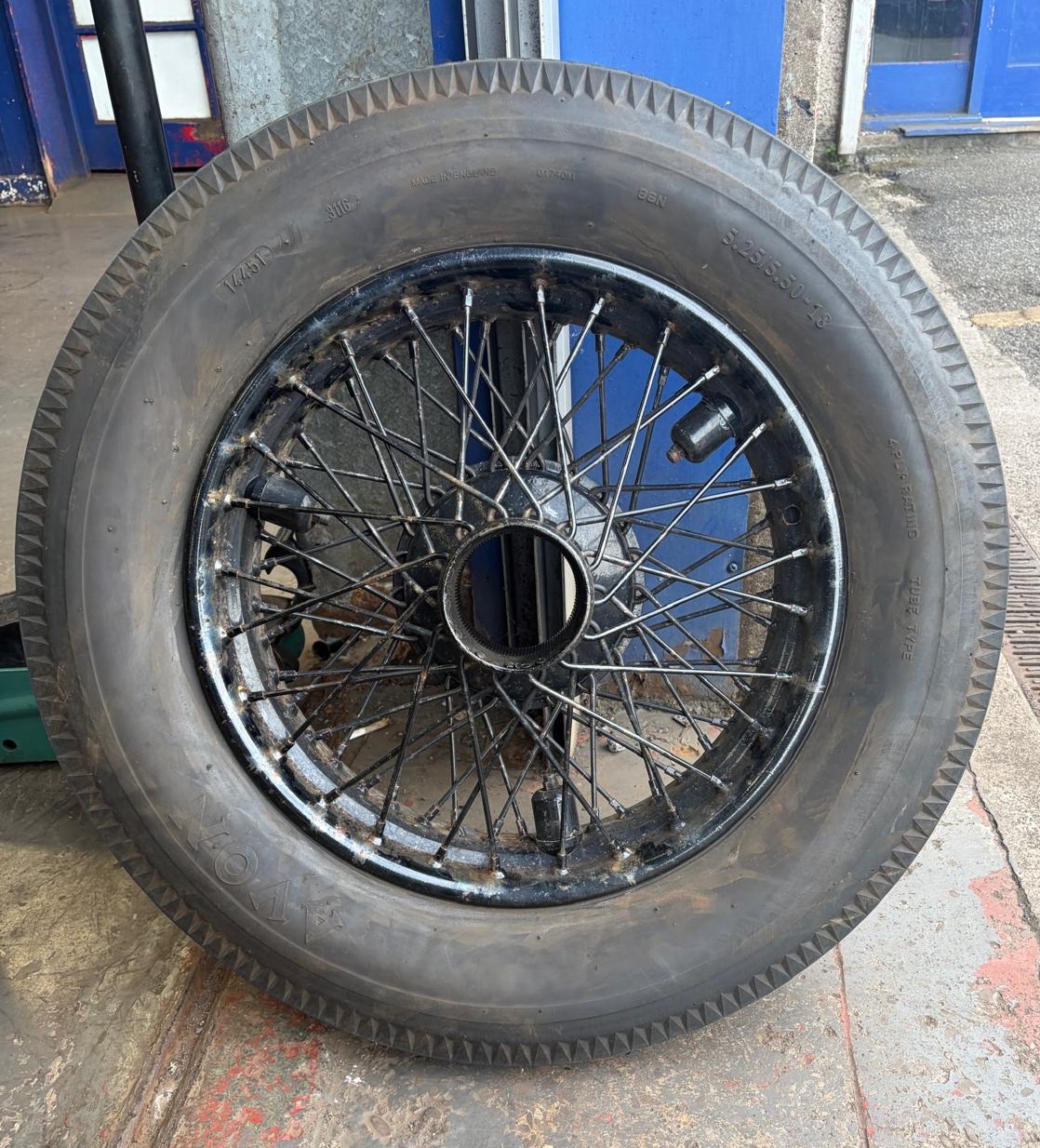
Keeping Motoring History Alive: Avon Tyres Decline
One of the pleasures of running an independent garage is that no two days are ever quite the same.
One day we’re diagnosing the latest hybrid technology using sophisticated electronic equipment. Next, we’re fitting an inner tube into a wheel that could easily be older than some of our mechanics!
Jobs like these remind me just how far the tyre industry has progressed during my lifetime.
They also remind me of the great British manufacturers that helped build our motoring heritage. Avon Tyres was certainly one of them, and although the famous name has largely disappeared from our roads, many enthusiasts across Yorkshire and the rest of Britain still remember the quality that the company stood for.
Here in Halifax and throughout my beloved Calderdale, we’re fortunate to see vehicles from every era. Whether it’s a modern family SUV or a beautifully restored vintage classic, every vehicle has its own story to tell—and after more than fifty years in the tyre trade, I still enjoy being a small part of those stories.