Fiat 500 Exhaust Replacement
Fiat 500 Exhaust Replacement
Table of Contents
Fiat 500 Exhaust Replacement
Fiat 500 Exhaust Replacement in Halifax – Why Modern Exhaust Systems Last Much Longer
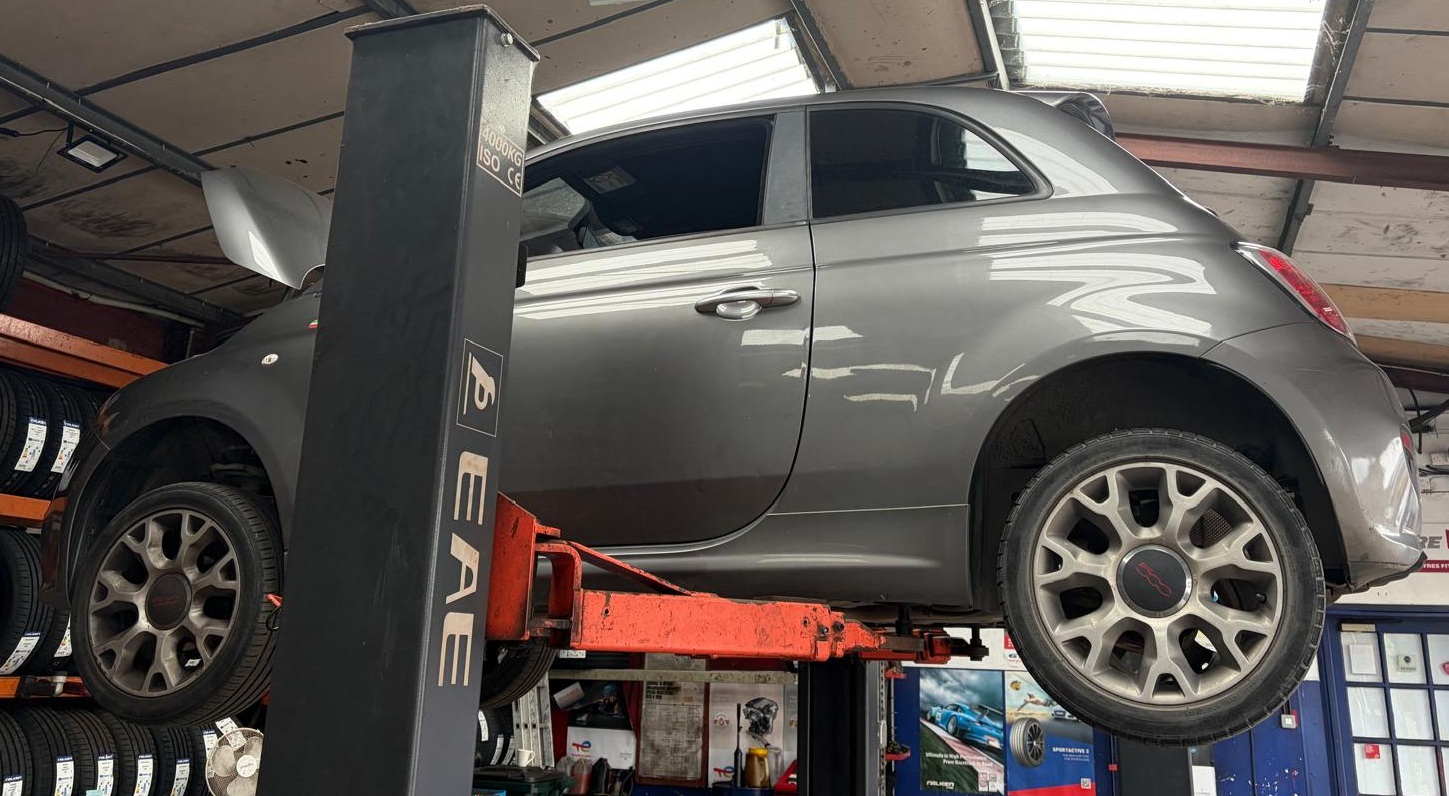
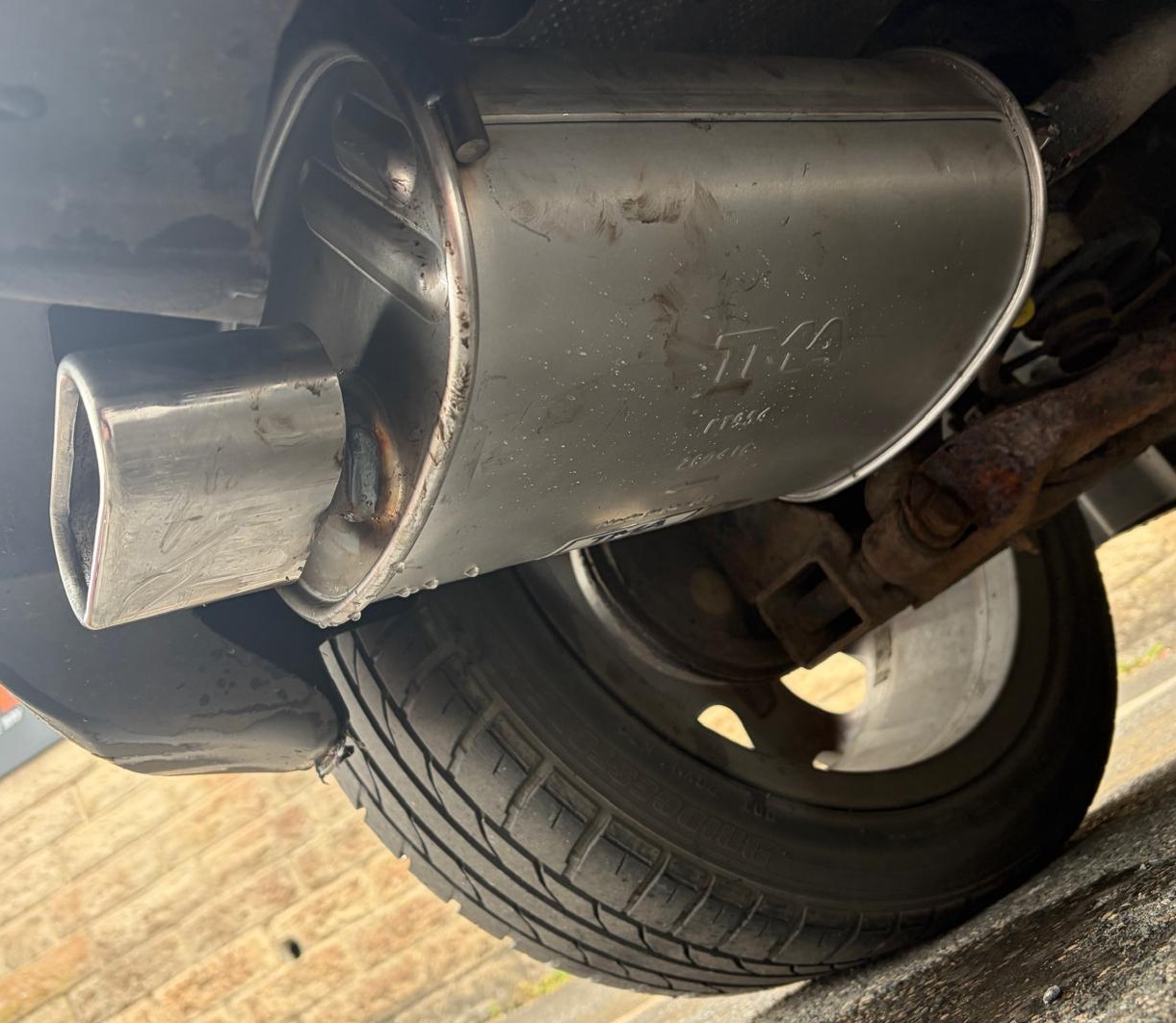
A smart-looking Fiat 500 recently arrived at Pellon Tyre and Autocentre in Halifax with a complaint that many motorists will instantly recognise.
The exhaust had become extremely noisy.
In fact, the little Fiat could probably be heard long before it entered our yard. Whilst some sports car owners enjoy a louder exhaust note, most drivers of a Fiat 500 prefer their car to be quiet, refined and comfortable.
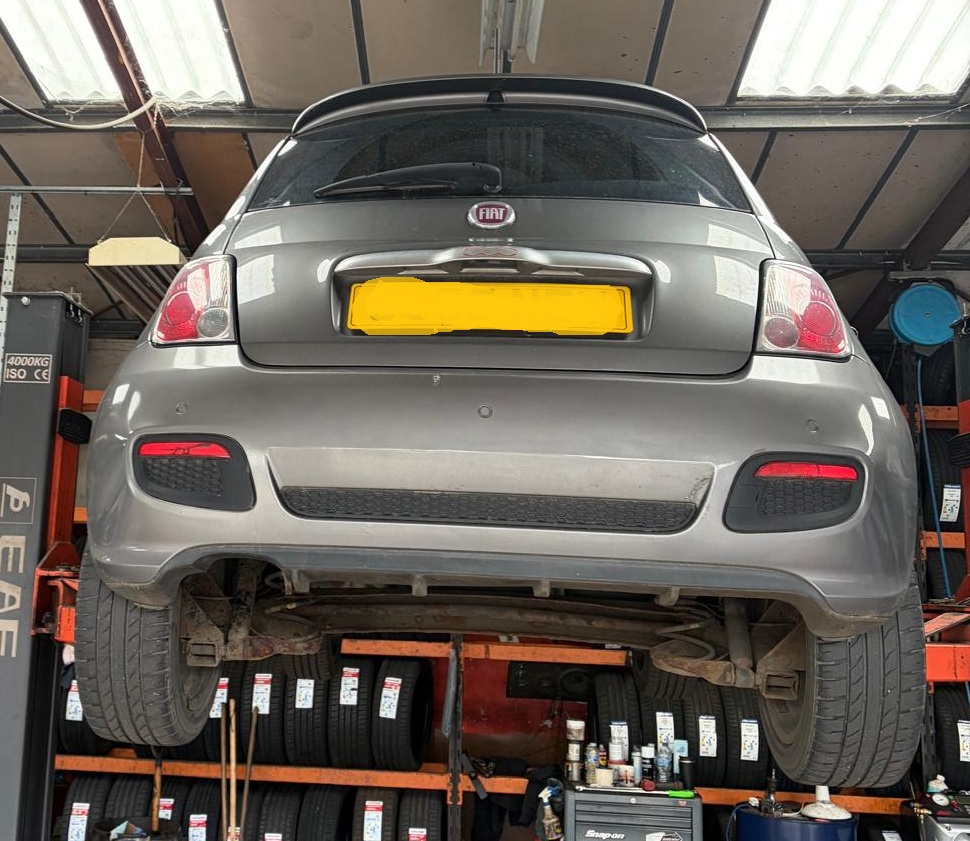
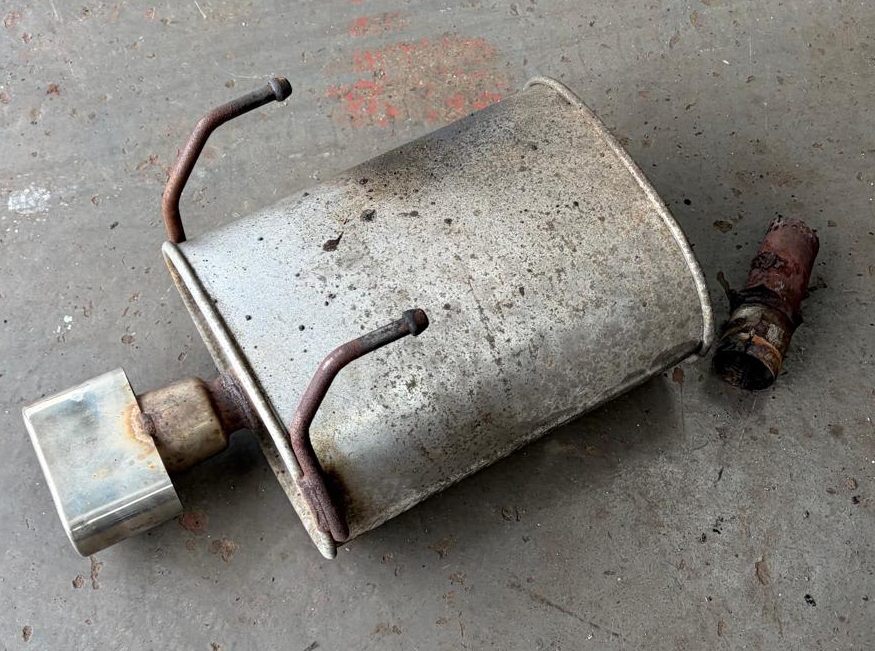
After carrying out a quick inspection, the problem became obvious. Part of the exhaust system had deteriorated and was allowing exhaust gases to escape before reaching the rear silencer.
Fortunately, the repair was straightforward.
We sourced the correct replacement exhaust components, fitted the new system and, within around an hour, the customer was back on the road with a much quieter and healthier-sounding Fiat 500.
The job got me thinking about how much exhaust systems have changed during my many years in the motor trade.
Exhaust Systems in the Old Days: Fiat 500 Exhaust Replacement
When I first started working on cars in the 1960s, exhaust systems rarely lasted very long.
Many vehicles used:
- mild steel exhausts,
- simple silencers,
- and basic pipework.
Road salt, moisture and condensation quickly caused corrosion.
It was not unusual for motorists to replace parts of their exhaust system every few years.
Back then, exhaust repairs were a regular occurrence in garages across Yorkshire.
In winter, the combination of:
- rain,
- snow,
- road salt,
- and short journeys
would often destroy exhaust systems surprisingly quickly.
Many drivers became used to hearing the familiar sound of a blowing exhaust before booking their next repair.
Why Modern Exhaust Systems Last Longer
Today’s vehicles are very different.
Modern exhaust systems are generally manufactured using:
- stainless steel,
- aluminised steel,
- improved coatings,
- and higher-quality materials.
Manufacturers have invested heavily in durability because customers expect vehicles to last longer than ever before.
Several factors now help exhaust systems survive much longer:
Improved Materials: Fiat 500 Exhaust Replacement
The biggest improvement is the use of corrosion-resistant metals.
Modern systems are far less likely to rust through compared with older designs.
Better Engine Management
Modern engines burn fuel much more efficiently.
This produces fewer harmful by-products and less internal contamination inside the exhaust system.
Improved Manufacturing
Computer-designed exhaust systems now offer:
- better gas flow,
- improved durability,
- and stronger welded joints.
Better Vehicle Design: Fiat 500 Exhaust Replacement
Modern cars are designed to reduce water accumulation around the exhaust system.
This helps prevent corrosion developing prematurely.
The Problem with Short Journeys
Despite all these improvements, exhaust systems can still suffer.
One of the biggest enemies remains:
- short journeys.
Many motorists around Halifax, Calderdale and the surrounding villages only drive short distances.
When a vehicle is used mainly for:
- school runs,
- shopping trips,
- or short commutes,
The exhaust system may never fully heat up.
This allows condensation to remain inside the exhaust, gradually causing internal corrosion.
It is one reason why two identical cars of the same age can have completely different exhaust conditions.
The History of the Fiat 500: Fiat 500 Exhaust Replacement
The Fiat 500 has become one of the most recognisable small cars ever produced.
Its story actually stretches back much further than many people realise.
The original Fiat 500 was launched in Italy in 1957.
Known as the “Nuova 500”, it was designed to provide affordable motoring for ordinary families during Italy’s post-war economic boom.
Tiny, economical and full of character, the little Fiat quickly became a symbol of Italian motoring.
Throughout the 1960s and early 1970s, the Fiat 500 gained popularity across Europe.
Although it was never a major seller in Britain compared with larger family cars, it built a loyal following amongst motorists who appreciated its simplicity and charm.
The Modern Fiat 500 Arrives
In 2007, Fiat made a brilliant decision.
Rather than producing a completely new city car, they reintroduced the Fiat 500 using styling heavily inspired by the original model.
The result was an immediate success.
The modern Fiat 500 combined the following:
- retro styling,
- modern safety features,
- economical engines,
- and surprisingly good refinement.
British motorists quickly fell in love with it.
The car became particularly popular with the following:
- young drivers,
- commuters,
- city dwellers,
- and families looking for an economical second car.
A Common Sight Around Halifax: Fiat 500 Exhaust Replacement
Today, the Fiat 500 is a very familiar sight around Halifax, Calderdale and the wider Yorkshire area.
Its compact size makes it ideal for:
- town centre parking,
- narrow streets,
- and busy urban areas.
We regularly see Fiat 500s visiting Pellon Tyres for the following:
- servicing,
- MOT testing,
- tyres,
- batteries,
- brakes,
- and exhaust repairs.
The model has built a strong reputation for affordability and practicality.
Modern Exhaust Systems and Emissions
Another reason modern exhaust systems have become more complicated is emissions control.
Today’s exhaust systems contain components such as the following:
- catalytic converters,
- oxygen sensors,
- particulate filters,
- and emissions monitoring systems.
These components help reduce pollution and improve air quality.
However, they also make the exhaust system far more sophisticated than the simple pipes and silencers fitted decades ago.
This is why proper diagnosis is important whenever exhaust problems occur.
Signs Your Exhaust May Need Attention
Motorists should watch for warning signs, including:
- Increased exhaust noise.
- Rattling sounds underneath the vehicle.
- Reduced fuel economy.
- Exhaust fumes entering the cabin.
- MOT failures relating to emissions.
- Dashboard warning lights.
Ignoring these symptoms can often lead to more expensive repairs later.
The Importance of Regular Inspections
At Pellon Tyres Halifax, we always recommend having the exhaust system checked during routine servicing and MOT tests.
A small problem discovered early can often be repaired before it develops into a complete exhaust replacement.
Regular inspections help maintain:
- fuel efficiency,
- performance,
- safety,
- and emissions compliance.
Another Happy Customer
In the case of this Fiat 500, the repair was completed quickly and efficiently.
The noisy exhaust was replaced, the vehicle was checked thoroughly, and the customer left happy.
That is always the best outcome.
Whilst modern exhaust systems generally last much longer than those fitted to cars decades ago, they still need occasional attention.
The good news is that with proper maintenance and quality replacement parts, today’s exhaust systems can often provide many years of reliable service.
At Pellon Tyre and Autocentre, we continue helping motorists across Halifax and Calderdale keep their vehicles safe, quiet and roadworthy, whether they drive a classic car, a family SUV or a stylish little Fiat 500.

Leave a Reply
Want to join the discussion?Feel free to contribute!